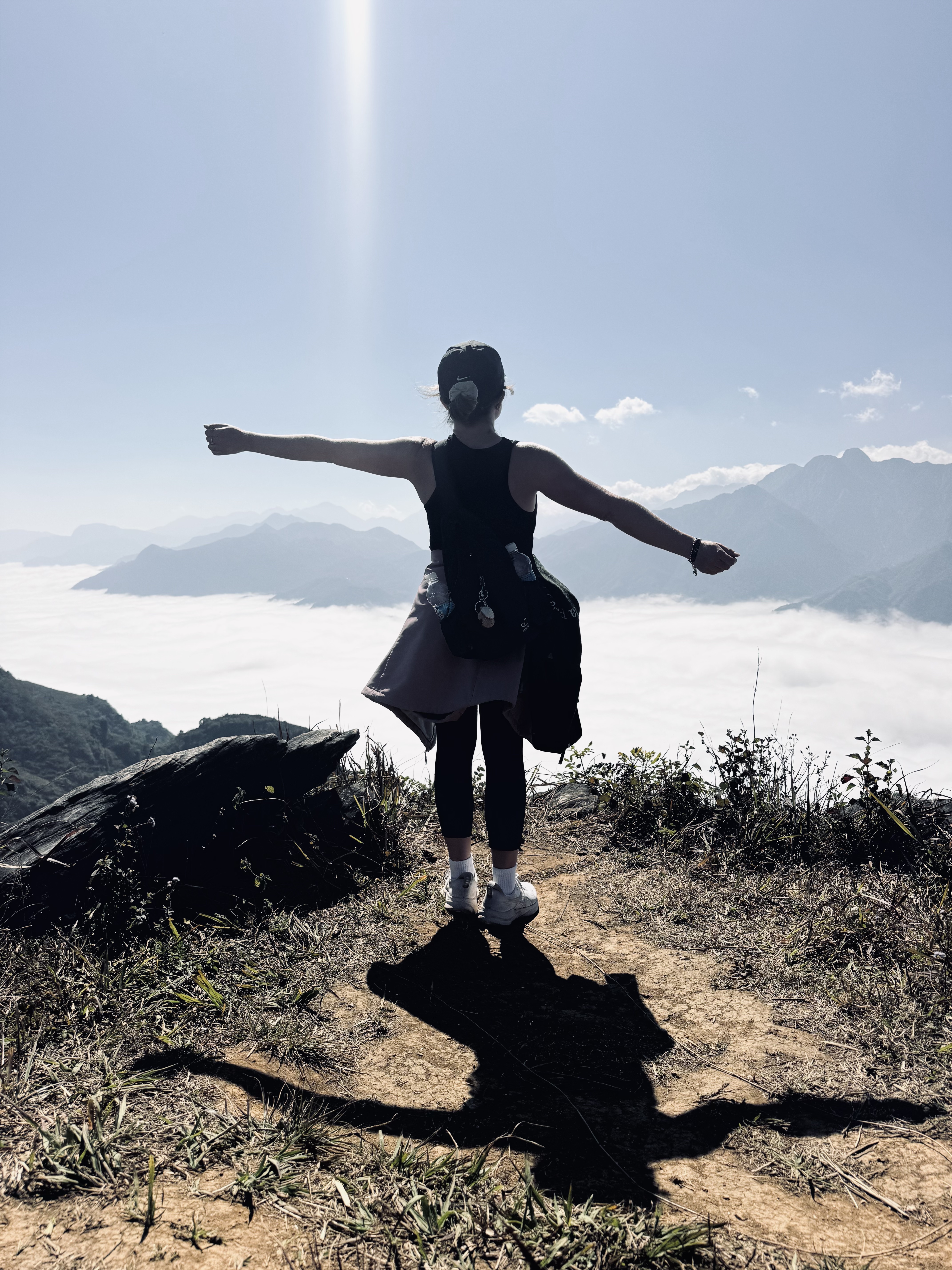
Perched high in the mountains of northern Vietnam, Sapa feels like a total contrast to the chaos of Hanoi in the best possible way. Think misty valleys, endless rice terraces, cool mountain air, and tiny villages tucked into the hills.
I spent three days in Sapa after arriving by VIP sleeper bus (check out my guide to VIP Sleeper buses here!), and it was the perfect amount of time to explore the landscapes, experience local culture, and still have moments to slow down and soak it all in.
Here’s how to spend 3 days in Sapa, Vietnam, including what to do, where to go, and helpful tips to make the most of your time.


Day 1: Arrive in Sapa & Explore the Town
Arrive in Sapa
Most travellers arrive in Sapa from Hanoi or Ninh Binh by VIP sleeper bus comfortable, affordable, and surprisingly relaxing. Book your VIP Sleeper bus here!
Check into your hotel, freshen up, and take things slow – Sapa is all about easing into the rhythm. I would recommend booking a hotel with a view if you can – the views here are unbeatable!
Accommodation Recommendations
Budget: Phuong Nam Hotel
Mid-Range: Lá Đỏ Homestay & Coffee
Luxury: Bamboo Sapa Hotel
Explore Sapa Town
Spend your first afternoon wandering Sapa town:
- Walk around Sapa Lake
- Browse the local markets and shops (including the iconic “Made in Vietnam” fake hiking gear shops)
- Pop into cafés with mountain views
It’s a great way to get your bearings and enjoy the slower pace.
Dinner with a View
Sapa has plenty of cozy restaurants serving both Vietnamese and Western food. Mountain evenings get chilly, so this is the perfect time for:
- Hot pho or noodle soup
- Grilled dishes
- A warm cup of tea or coffee
Early night recommended – tomorrow is trek day!
Day 2: Trekking Through Rice Fields & Local Villages
Guided Trek Through the Muong Hoa Valley
Trekking is the reason most people come to Sapa and it’s worth every step.
Book a single day guided trek (or overnight trek) through the Muong Hoa Valley, passing:
- Rice terraces cascading down the mountains
- Bamboo forests
- Traditional villages like Lao Chai and Ta Van
Your local guide will share insights into daily life, culture, and traditions of ethnic minority communities such as the Hmong.
The trek is usually moderate and takes most of the day, with plenty of photo stops (you’ll be taking pictures non stop!).
Note: some local ladies will attach themselves to your group and then expect you to buy something from at the end of the trek – I felt weirdly pressured especially because none of us wanted them to join us but these ladies make their living this way.
Check out these trekking tour options here:
– Sapa 1 Day Long Trek: Trek to Hau Thao and Sa Seng Villages
– EXPLORE SAPA: 2D1N TREKKING & HMONG CULTURE


Return to Sapa & Relax
After trekking, head back to town and treat yourself to:
- A massage
- A hot shower
- A relaxed evening café hopping
You’ve earned it.
Day 3: Fansipan or Waterfalls & Final Views
Option 1: Fansipan – The Roof of Indochina
If the weather is clear, take the cable car to Fansipan Mountain, the highest peak in Indochina.
Even without hiking, the views are spectacular – layers of mountains fading into the distance, often wrapped in mist.
Check out these tours that include a visit to Fansipan Mountain:
– Sapa: Sun World Fansipan Legend Ticket
– Sapa: Fansipan Cable, Cat Cat Village, Moana Instagram Tour
– SAPA : Climb up to Fansipan mountain with LOCAL GUIDE
– 2-Day Fansipan Mountain Trek – Indochina’s Highest Peak


Option 2: Silver Waterfall & Love Waterfall or Cat Cat Village
Prefer something gentler? Visit:
- Silver Waterfall (Thác Bạc)
- Love Waterfall
- Cat Cat Village
These are easily accessible and make a great half-day outing surrounded by forest and mountain scenery.
Check out these tours here:
– Sapa: Silver Waterfall and Love Waterfall Day Trip
– Sapa: Fansipan Cable, Cat Cat Village, Moana Instagram Tour
Final Lunch with a View
Wrap up your Sapa trip with a coffee overlooking the valley. Watching the mist roll through the mountains is the perfect goodbye.

Best Time to Visit Sapa
- March–May: Green landscapes and mild weather
- September–October: Golden rice terraces (peak season)
- Winter: Cool, misty, and sometimes chilly – pack layers
What to Pack for Sapa
- Comfortable walking shoes (hiking shoes or shoes you don’t mind getting dirty! I only packed one pair of shoes for the trip to pack light but they were white and got very muddy on the trek – learn from my mistakes haha!)
- Light rain jacket
- Warm layers (even in summer)
- Sunscreen and hat
- Camera – the scenery is unreal
Is 3 Days in Sapa Enough?
Yes – three days is the sweet spot if you are looking to do a single day trek.
Three days gives you time to:
- Time between long bus rides
- Experience a full-day trek
- Enjoy the views without rushing
If you have the time to add more days, you can do a longer 1 or 2 night trek to truly explore the rice terraces and do a homestay with a local family.


Sapa is the kind of place that invites you to slow down – and three days lets you do exactly that.
If you’re wondering if you should add Sapa to your Vietnam trip, I would say if you have the time do not miss it! It was one of the most beautiful places I visited on my trip and definitely worth the long bus rides to get there and back. Between the rice terraces, misty mountains and being above the clouds, and small village life, it’s one of those places that stays with you long after you leave.
Planning a trip to Vietnam? Check out my 2-Week North & Central Vietnam Itinerary!
Vietnam Helpful Links
Where to stay in Sapa
Budget: Phuong Nam Hotel
Mid-Range: Lá Đỏ Homestay & Coffee
Luxury: Bamboo Sapa Hotel
Top Tours from Sapa
– Sapa 1 Day Long Trek: Trek to Hau Thao and Sa Seng Villages
– EXPLORE SAPA: 2D1N TREKKING & HMONG CULTURE
– Sapa Coffee Making Class – Fansipan & Muong Hoa Valley View
– Fly Sapa: Highest Paragliding Flight
– Sapa: Silver Waterfall and Love Waterfall Day Trip
– Sapa: Fansipan Cable, Cat Cat Village, Moana Instagram Tour
How to Get Around Vietnam: Grab & 12Go
Getting around Vietnam is incredibly easy once you download the right apps.
Grab is Vietnam’s version of Uber and is hands-down the best way to get around cities like Hanoi, Ho Chi Minh City, and Da Nang. You can book motorbikes, cars, and even food delivery, all with upfront pricing (no haggling required).
For longer journeys between cities, 12Go is a lifesaver. It lets you book trains, buses, and ferries across Vietnam in advance – perfect for planning trips between places like Hanoi, Ninh Binh, Ha Long Bay, and Hoi An. I booked my VIP sleeper bus from Ninh Binh to Sapa and would definitely recommend.
👉 Check out 12Go here
Vietnam SIM Card: Airalo eSIM
Staying connected in Vietnam is a must for maps, transport apps, bookings, and Googling “best pho near me” (trust me). I used Airalo, an eSIM app that lets you download a Vietnam data plan before you even land.
There’s no need to swap physical SIM cards or hunt down a store at the airport. Just activate your eSIM and you’re online the moment you arrive – easy, affordable, and super convenient.
👉 Get your Vietnam eSIM with Airalo here
Disclaimer: This post contains affiliate links, which means I may earn a small commission if you purchase through these links – at no extra cost to you
🐉 More Vietnam Posts
Check out these Vietnam blog posts:


Something went wrong. Please refresh the page and/or try again.


Leave a Reply