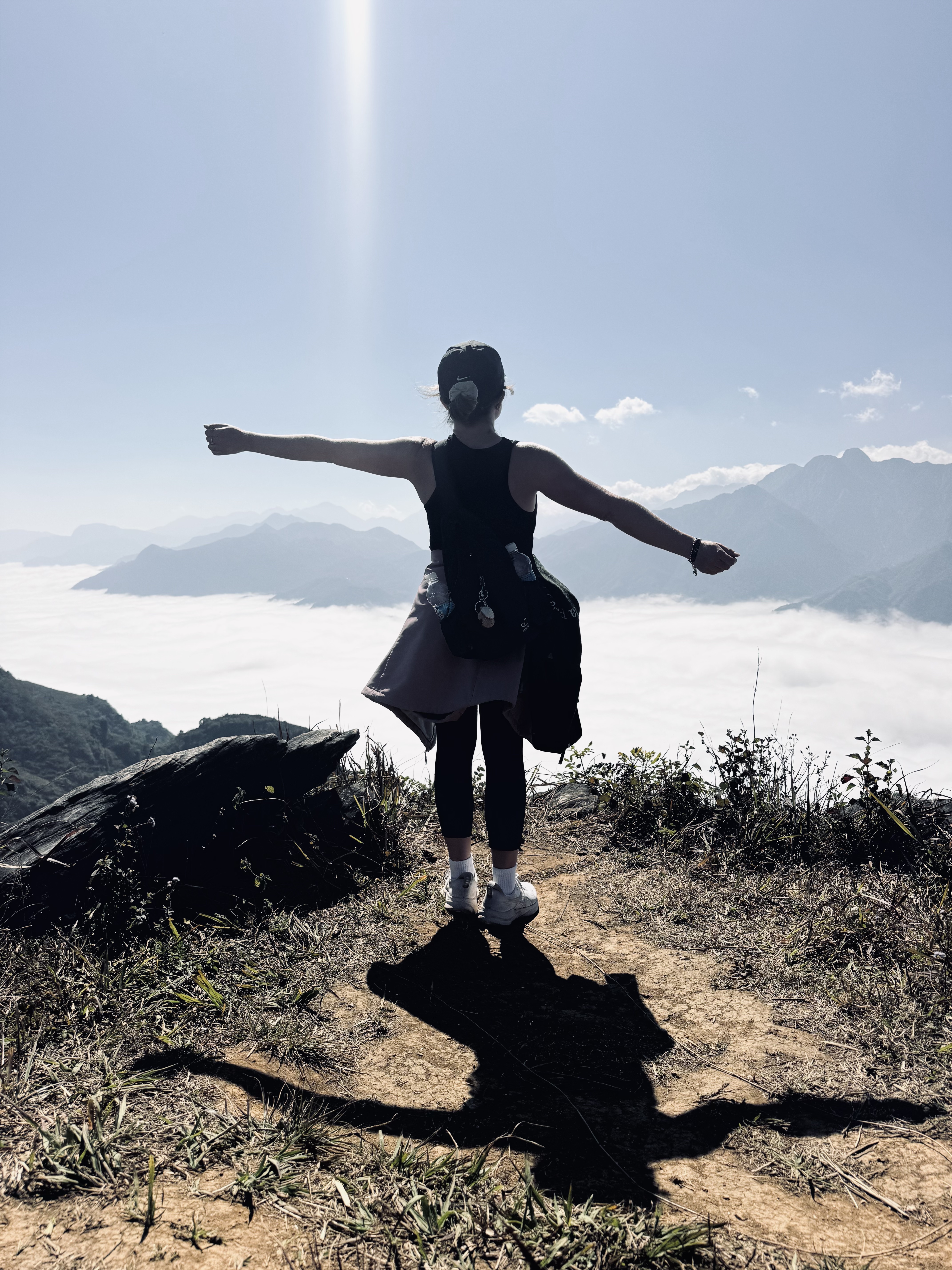
Mist clings to the mountains. Rice terraces ripple down valleys like green staircases. Buffalo wander past you on narrow dirt paths as if this is the most normal thing in the world, because here, it is.
Trekking in Sa Pa isn’t your regular hike. It’s a slow, immersive journey through some of Vietnam’s most breathtaking landscapes and into the everyday life of the ethnic minority communities who call these mountains home. Whether you’re after a gentle village walk or a multi-day mountain adventure, this guide covers everything you need to know before hitting the trails.
Where to stay in Sapa
Budget: Phuong Nam Hotel
Mid-Range: Lá Đỏ Homestay & Coffee
Luxury: Bamboo Sapa Hotel


Why Trekking in Sapa Is So Special
Sapa sits high in the Hoàng Liên Mountains near the Chinese border, surrounded by dramatic peaks, deep valleys, and some of the most iconic rice terraces in Southeast Asia.
What makes trekking here truly special isn’t just the scenery, it’s the human connection. Along the trails, you’ll pass through villages home to Hmong, Dao, and Tay communities, where life continues much as it has for generations.
It’s raw, real, and refreshingly unpolished.
Planning your Sapa Itinerary? Check out my 2-Day Sapa Itinerary here!


Do You Need a Guide to Trek in Sapa?
Technically, some short routes can be done independently but hiring a local guide is highly recommended.
A guide:
- Helps navigate muddy, unmarked trails
- Shares insight into local culture and traditions
- Supports the local economy
- Knows alternative routes when weather turns
Many guides are women from nearby villages, and trekking with them adds a depth to the experience you simply wouldn’t get alone. The guide who lead my trek was only 19 years old! She lead an incredible trek that lead us to her family’s home at the end of the day – it was amazing to learn about life in Sapa from a true local.
Check out these trekking tour options here:
– Sapa 1 Day Long Trek: Trek to Hau Thao and Sa Seng Villages
– EXPLORE SAPA: 2D1N TREKKING & HMONG CULTURE
Best Trekking Routes in Sapa
There’s a route for every fitness level and timeframe. Some of the most popular options include:
Lao Chai & Ta Van Villages
A classic introduction to Sapa trekking. This route winds through terraced rice fields and Hmong villages before reaching the Tay village of Tả Van. Expect big views with moderate walking.


Cat Cat Village
Located close to town, Cát Cát is an easy half-day trek and a good option if you’re short on time. It’s more touristy, but still offers beautiful scenery.
Muong Hoa Valley
The heart of Sapa trekking. The Mường Hoa Valley is packed with rice terraces, rivers, and long village-to-village trails. Ideal for 1–2 day treks with an overnight homestay.
Fansipan Base Treks
For serious hikers, routes within Hoàng Liên National Park offer dense jungle trails and dramatic elevation changes, often as part of longer itineraries leading toward Fansipan Mountain.
Check out this tour that includes a visit to Fansipan Mountain:
– Sapa: Sun World Fansipan Legend Ticket
– Sapa: Fansipan Cable, Cat Cat Village, Moana Instagram Tour


Homestay Trekking: What to Expect
One of the highlights of trekking in Sapa is staying overnight in a village homestay.
Expect:
- Simple but cosy accommodation
- Home-cooked meals (often family-style)
- Mattresses on the floor with thick blankets
- Roosters, dogs, and early mornings
What you won’t get is luxury but what you will get is warmth, generosity, and a genuine glimpse into rural mountain life.

Best Time of Year to Trek in Sapa
Timing matters here – weather can completely change the experience.
- March–May: Lush landscapes, mild temperatures
- September–October: Golden rice terraces (peak season)
- June–August: Green but muddy, frequent rain
- December–February: Cold, misty, occasionally snowy
If you’re trekking in winter, layers are essential – temperatures can drop sharply in the mountains.


What to Wear & Bring Trekking in Sapa
This is not the place for flimsy shoes.
Essentials include:
- Proper hiking shoes or trail runners with grip
- Rain jacket or poncho
- Warm layers
- Sunscreen and insect repellent
- Small backpack
- Cash for villages and tips
Even easy treks can turn muddy fast – especially after rain.
Is Trekking in Sapa Difficult?
Most treks are moderate, but conditions can make them feel harder than expected. Slippery paths, steep descents, and humidity all add to the challenge. We had a section of the hike when we were walking through the bamboo forest that was mud the whole way (white shoes were not a good choice – speaking from experience!!)
That said, you don’t need to be ultra-fit – just comfortable walking for several hours at a time and willing to get a little muddy.


Is Trekking in Sapa Worth It?
Without hesitation – yes.
Trekking in Sapa strips travel back to its simplest form: walking, observing, connecting. It’s not flashy or polished, but that’s exactly what makes it unforgettable.
Whether you’re wandering through rice fields or sharing dinner with a host family, Sapa leaves a mark, the kind that stays with you long after the mud is washed from your boots.
Planning a trip to Vietnam? Check out my 2-Week North & Central Vietnam Itinerary!
Vietnam Helpful Links
Where to stay in Sapa
Budget: Phuong Nam Hotel
Mid-Range: Lá Đỏ Homestay & Coffee
Luxury: Bamboo Sapa Hotel
Top Tours from Sapa
– Sapa 1 Day Long Trek: Trek to Hau Thao and Sa Seng Villages
– EXPLORE SAPA: 2D1N TREKKING & HMONG CULTURE
– Sapa Coffee Making Class – Fansipan & Muong Hoa Valley View
– Fly Sapa: Highest Paragliding Flight
– Sapa: Silver Waterfall and Love Waterfall Day Trip
– Sapa: Fansipan Cable, Cat Cat Village, Moana Instagram Tour
How to Get Around Vietnam: Grab & 12Go
Getting around Vietnam is incredibly easy once you download the right apps.
Grab is Vietnam’s version of Uber and is hands-down the best way to get around cities like Hanoi, Ho Chi Minh City, and Da Nang. You can book motorbikes, cars, and even food delivery, all with upfront pricing (no haggling required).
For longer journeys between cities, 12Go is a lifesaver. It lets you book trains, buses, and ferries across Vietnam in advance – perfect for planning trips between places like Hanoi, Ninh Binh, Ha Long Bay, and Hoi An. I booked my VIP sleeper bus from Ninh Binh to Sapa and would definitely recommend.
👉 Check out 12Go here
Vietnam SIM Card: Airalo eSIM
Staying connected in Vietnam is a must for maps, transport apps, bookings, and Googling “best pho near me” (trust me). I used Airalo, an eSIM app that lets you download a Vietnam data plan before you even land.
There’s no need to swap physical SIM cards or hunt down a store at the airport. Just activate your eSIM and you’re online the moment you arrive – easy, affordable, and super convenient.
👉 Get your Vietnam eSIM with Airalo here
Disclaimer: This post contains affiliate links, which means I may earn a small commission if you purchase through these links – at no extra cost to you
🐉 More Vietnam Posts
Check out these Vietnam blog posts:


Something went wrong. Please refresh the page and/or try again.


Leave a Reply