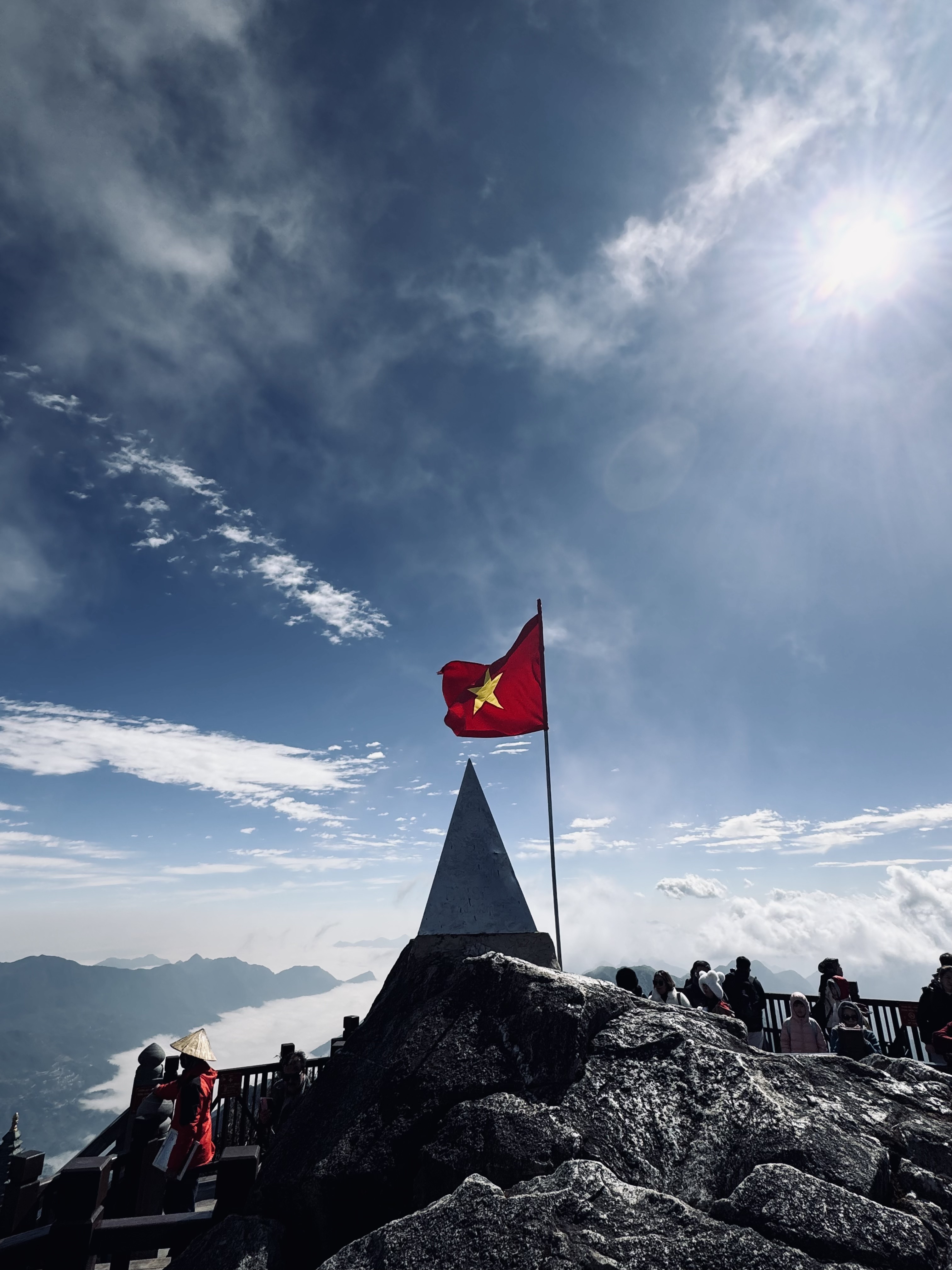
Standing proudly above the misty mountains of northern Vietnam, Fansipan Mountain is one of the most iconic places to visit in Sapa. Known as The Roof of Indochina, Fansipan rises to 3,143 metres and offers sweeping views, dramatic scenery, and a surprisingly accessible adventure – even if you’re not a hardcore hiker.
Whether you’re chasing epic views, cultural landmarks, or simply want to say you’ve stood on the highest point in Vietnam, here’s everything you need to know before visiting Fansipan Mountain by either cable car or by hike.
Check out my 2-Day Sapa Itinerary here!
Check out this tour that includes a visit to Fansipan Mountain:
– Sapa: Sun World Fansipan Legend Ticket
– Sapa: Fansipan Cable, Cat Cat Village, Moana Instagram Tour


Where to stay in Sapa
Budget: Phuong Nam Hotel
Mid-Range: Lá Đỏ Homestay & Coffee
Luxury: Bamboo Sapa Hotel
What Is Fansipan Mountain?
Fansipan Mountain is the highest peak in Vietnam (and Indochina), sitting in the Hoàng Liên Son mountain range near Sapa. While it was once only accessible via a tough multi-day trek, today most visitors reach the summit via a scenic cable car, making it one of the easiest “bucket list peaks” to visit.
Option 1: Reach Fansipan By Cable Car
Getting to Fansipan is simple and well-organised.
Step 1: Get to Sun World Fansipan Legend Entrance
From Sapa town, take:
- A short taxi or Grab ride
- Or walk (around 30 minutes uphill)
This brings you to Sun World Fansipan Legend, the main entrance complex.
Step 2: Take the Fansipan Cable Car
The cable car ride is a highlight in itself.
What to expect:
- One of the longest cable car rides in the world
- Jaw-dropping views of mountains, valleys, and clouds
- A smooth, scenic ascent that takes around 20 minutes
Even if it’s cloudy, floating above the mist feels incredibly surreal.
Book your ticket in advance here: Sapa: Sun World Fansipan Legend Ticket
Reaching the Summit of Fansipan
Once you reach the upper station, you still have options to get to the very top.
You can:
- Take a funicular train
- Climb the final set of stairs past the Big Buddha (challenging but very doable)
- Or combine both
At the summit, you’ll find:
- The iconic Fansipan summit marker
- Prayer flags fluttering in the wind
- Panoramic views (on a clear day)
Standing at the top really does feel like being on top of the world.
Explore the Temples & Viewpoints
Fansipan isn’t just about the peak – the complex is filled with:
- Beautiful Buddhist temples
- Giant statues
- Stone stairways and viewpoints
Take time to wander slowly and explore. The atmosphere feels peaceful, spiritual, and dramatic all at once.

Best Time to Visit Fansipan Mountain
Weather plays a big role in your experience.
Best Months:
- March–May: Clearer skies and mild weather
- September–October: Beautiful landscapes and cooler temperatures
Cloudy Days:
Cloud cover is common, especially in winter. While views aren’t guaranteed, the misty atmosphere can feel incredibly magical.
Tip: Go early in the morning for your best chance of clear views.

How Much Time Do You Need?
Plan for 3–4 hours total, including:
- Transport from Sapa
- Cable car ride
- Exploring the summit and temples
It fits perfectly into a half-day itinerary.
What to Wear & Bring
Even in summer, Fansipan can be cold at the top.
Bring:
- Warm layers or a jacket
- Comfortable walking shoes
- Sunscreen and sunglasses
- Camera or phone (you’ll want photos!)
Option 2: Hiking Fansipan Mountain – Reaching the Roof of Indochina on Foot
While the cable car makes Fansipan accessible to almost everyone, hiking Fansipan Mountain is a completely different experience and one that still holds serious bragging rights.
Can You Hike Fansipan Without a Guide?
Short answer: no — and honestly, you wouldn’t want to.
Independent hiking is not permitted, and all trekkers must go with a licensed local guide, usually organised through a trekking company in Sa Pa. This isn’t just bureaucracy; the mountain’s weather changes fast, trails can be slippery and poorly marked, and safety is taken seriously here.
Most guides are incredibly knowledgeable, not just about the trail but about local flora, fauna, and ethnic minority culture along the way.
Check out these hiking tours here:
– SAPA : Climb up to Fansipan mountain with LOCAL GUIDE
– 2-Day Fansipan Mountain Trek – Indochina’s Highest Peak
Hiking Route Options
There are several routes up Fansipan, but the most common options include:
- 2-day / 1-night hike – the most popular choice
- 3-day / 2-night hike – more relaxed, with extra time to acclimatise
- Longer jungle routes – less common and more physically demanding
The 2-day hike is ideal if you’re short on time but still want the full experience. You’ll trek through Hoàng Liên National Park, sleep overnight in a basic mountain shelter, and summit early the next morning before descending.
What the Hike Is Like
This is not a casual stroll.
Expect:
- Steep ascents and descents
- Muddy, uneven trails (especially in the rainy season)
- Humidity at lower elevations and cold temperatures near the summit
- Plenty of stairs near the top – yes, even hikers can’t escape them
That said, the scenery is incredible. Mossy forests, towering bamboo, cloud-covered valleys, and moments where the mist suddenly clears to reveal layers of mountains stretching endlessly into the distance.
Reaching the summit marker feels surreal – especially when you realise you’ve climbed higher than anywhere else in Vietnam.
Is Fansipan Worth Visiting?
Absolutely!
Fansipan offers one of the most rewarding experiences in northern Vietnam. Whether you get to Fansipan by hike or by cable car, visiting Fansipan Mountain is more than just ticking off a landmark – it’s an experience that perfectly captures the magic of Sapa. Whether you’re squeezing it into a short trip or making it a highlight of your stay, standing on the Roof of Indochina is something you won’t forget anytime soon.
Planning a trip to Vietnam? Check out my 2-Week North & Central Vietnam Itinerary!
Vietnam Helpful Links
Where to stay in Sapa
Budget: Phuong Nam Hotel
Mid-Range: Lá Đỏ Homestay & Coffee
Luxury: Bamboo Sapa Hotel
Top Tours from Sapa
– Sapa 1 Day Long Trek: Trek to Hau Thao and Sa Seng Villages
– EXPLORE SAPA: 2D1N TREKKING & HMONG CULTURE
– Sapa Coffee Making Class – Fansipan & Muong Hoa Valley View
– Fly Sapa: Highest Paragliding Flight
– Sapa: Silver Waterfall and Love Waterfall Day Trip
– Sapa: Fansipan Cable, Cat Cat Village, Moana Instagram Tour
How to Get Around Vietnam: Grab & 12Go
Getting around Vietnam is incredibly easy once you download the right apps.
Grab is Vietnam’s version of Uber and is hands-down the best way to get around cities like Hanoi, Ho Chi Minh City, and Da Nang. You can book motorbikes, cars, and even food delivery, all with upfront pricing (no haggling required).
For longer journeys between cities, 12Go is a lifesaver. It lets you book trains, buses, and ferries across Vietnam in advance – perfect for planning trips between places like Hanoi, Ninh Binh, Ha Long Bay, and Hoi An. I booked my VIP sleeper bus from Ninh Binh to Sapa and would definitely recommend.
👉 Check out 12Go here
Vietnam SIM Card: Airalo eSIM
Staying connected in Vietnam is a must for maps, transport apps, bookings, and Googling “best pho near me” (trust me). I used Airalo, an eSIM app that lets you download a Vietnam data plan before you even land.
There’s no need to swap physical SIM cards or hunt down a store at the airport. Just activate your eSIM and you’re online the moment you arrive – easy, affordable, and super convenient.
👉 Get your Vietnam eSIM with Airalo here
Disclaimer: This post contains affiliate links, which means I may earn a small commission if you purchase through these links – at no extra cost to you
🐉 More Vietnam Posts
Check out these Vietnam blog posts:


Something went wrong. Please refresh the page and/or try again.


Leave a Reply