
Hiking the Inca Trail to Machu Picchu is one of the most incredible adventures in the world – but packing for it can feel a little overwhelming. Having the right gear can make the difference between a comfortable, enjoyable journey and a long, cold, soggy slog up the mountains.
Here’s your complete packing guide for the Inca Trail, based on a 4-day trek experience.
1. Duffle & Daypack
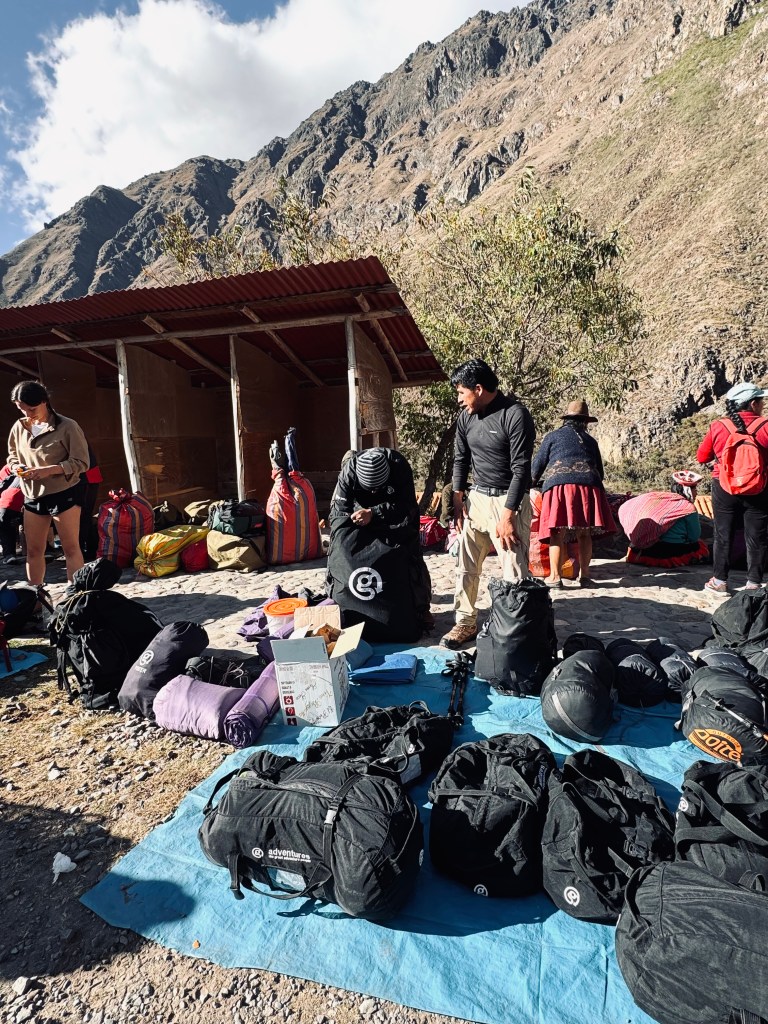
- Duffel: You will be given a duffel bag at your Trek briefing (the day before the trek) with a weight allowance of about 7kg which will be carried by the porters. Note: if you opt for the sleeping bag and air mattress (which I DEFINITELY would recommend!!) this will only leave you with around 2kg for personal items in your duffel bag. Note: you won’t be able to access your duffel until camp in the evenings so be sure to pack anything you need during the day in your daypack.
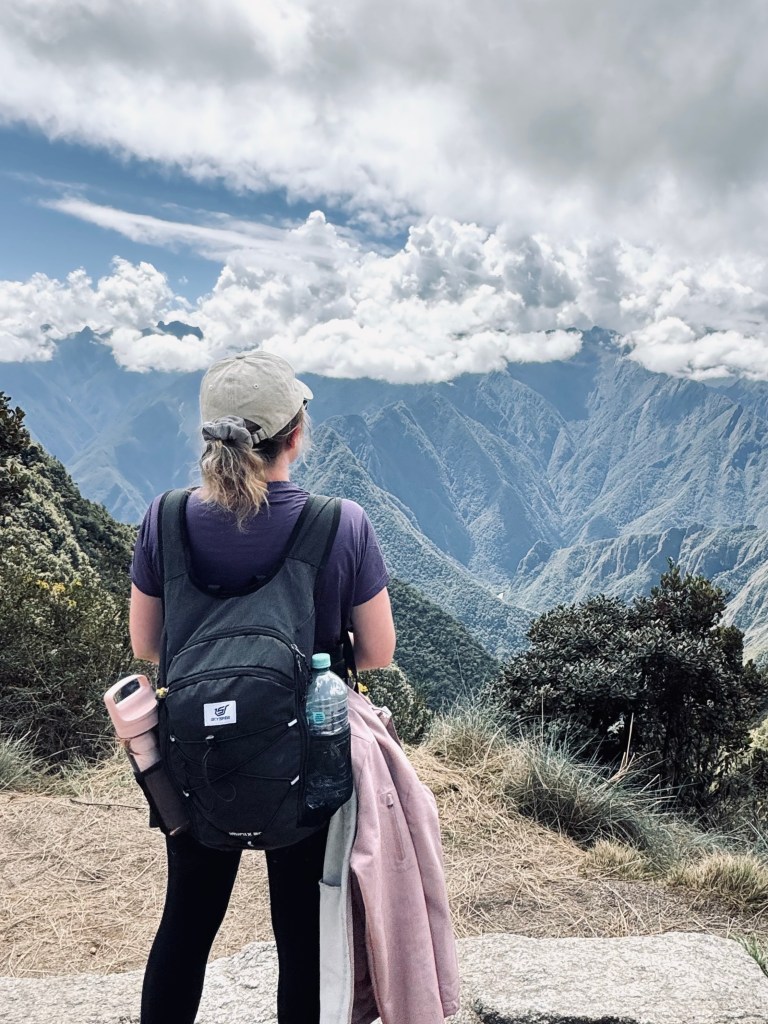
- Daypack: a 20L backpack is ideal for water, snacks, rain gear, sunscreen and personal items, etc.
- Waterproof backpack covers – to cover your backpack. I brought a second one to line my items in my duffel bag.
Tip: Keep your daypack light as you’ll be carrying it up Dead Woman’s Pass!
2. Clothing Essentials
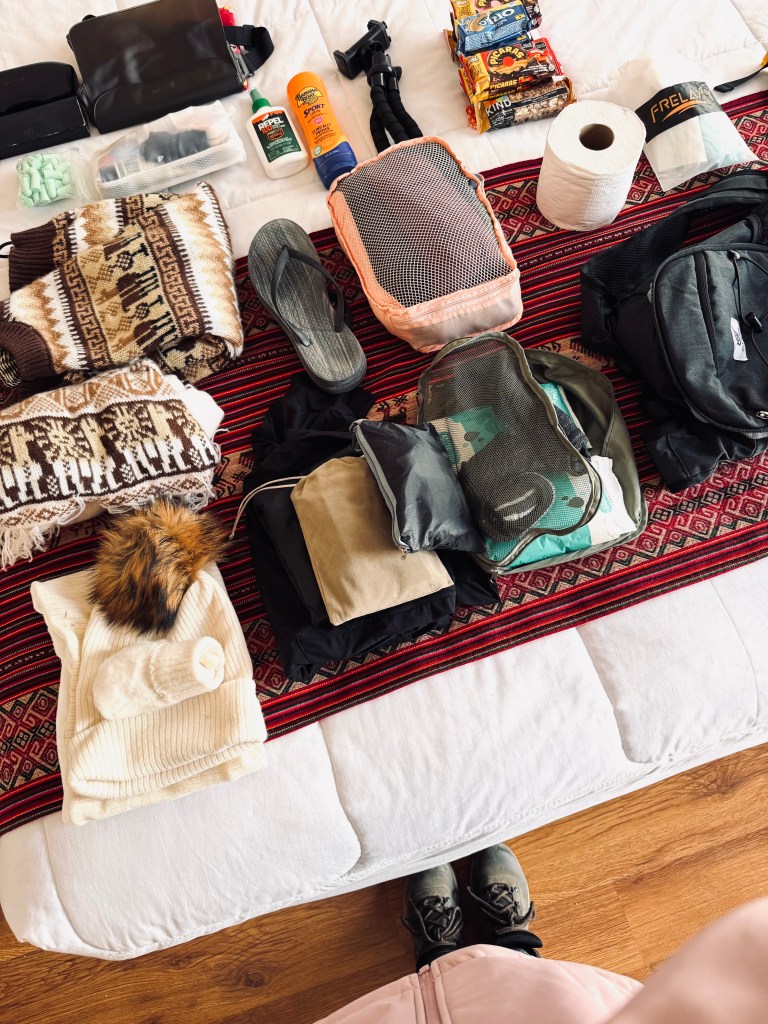
The weather along the Inca Trail changes drastically during the day – you will need warm gear for the mornings and the evenings but during the day you may only need to be in a t-shirt!
- Base layers: Moisture-wicking t-shirts + thermal long sleeve + leggings/thermal pants.
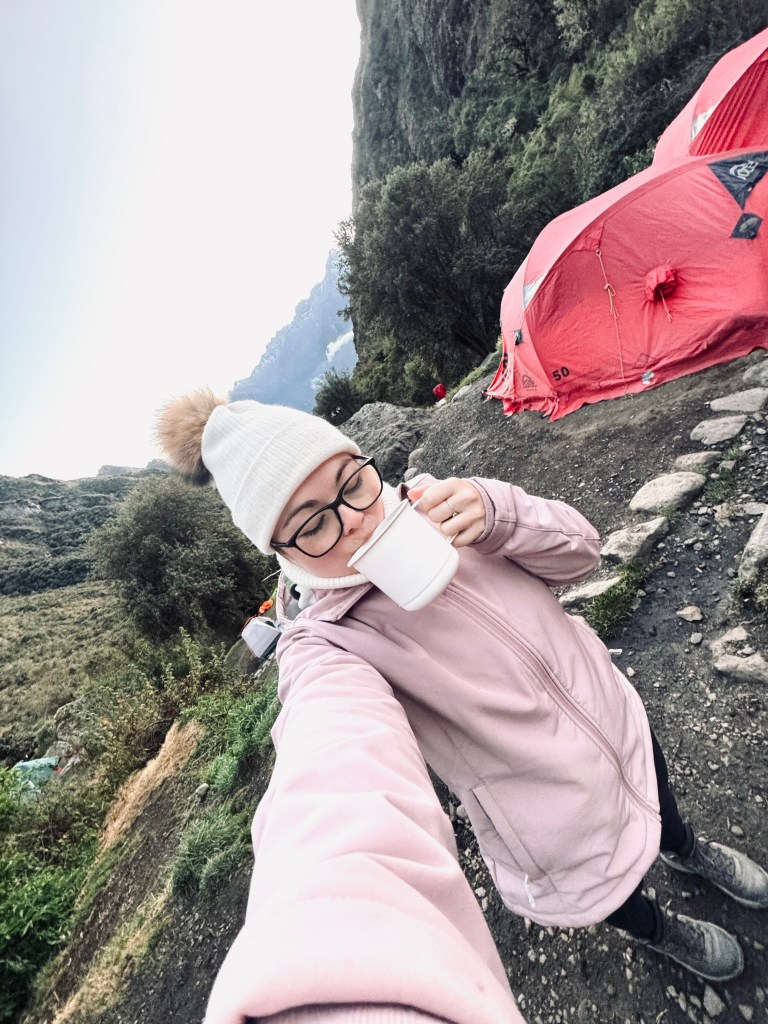
- Insulating layer: Fleece or light down jacket for chilly mornings and evenings.
- Waterproof layer: Waterproof rain jacket and pants (weather in the Andes can change fast).
- Rain Poncho – you can purchase these with vendors at the start of the trail
- Hiking socks: Wool or synthetic, plus a few extra pairs.
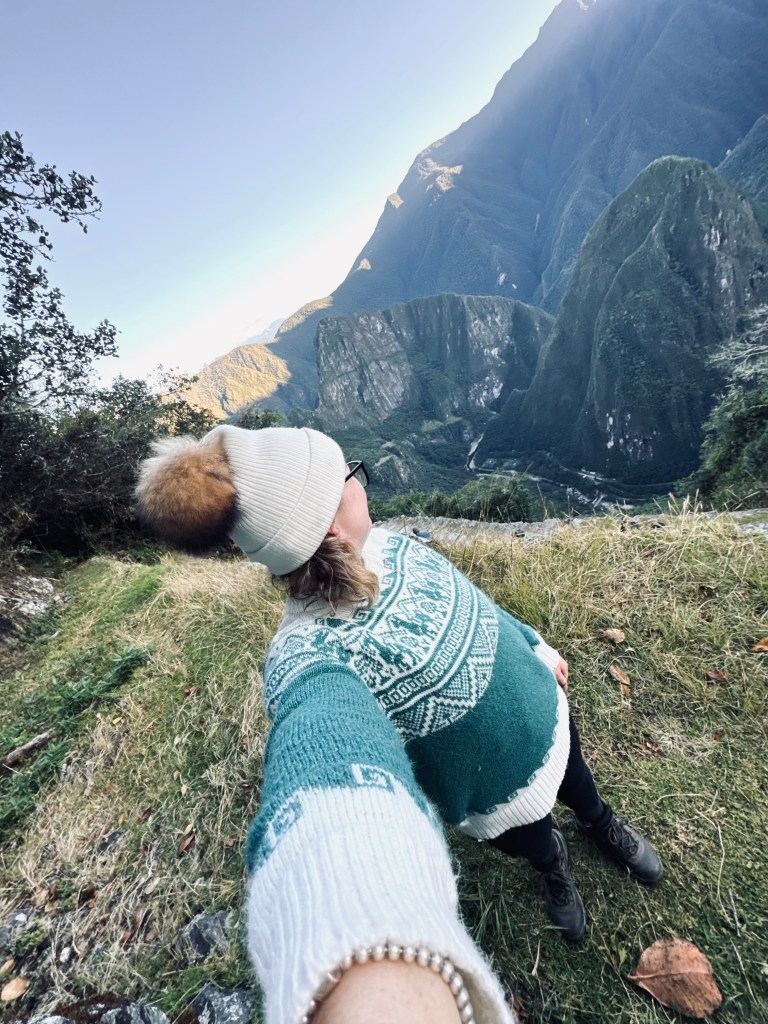
- Hat & gloves: Sun hat for daytime, warm hat and gloves for early mornings as well as a neck warmer/gaiter.
- Sleepwear: Warm, comfortable clothes for camp evenings – it was so nice to change in to clean clothes at the end of each day
- Sports bras and underwear
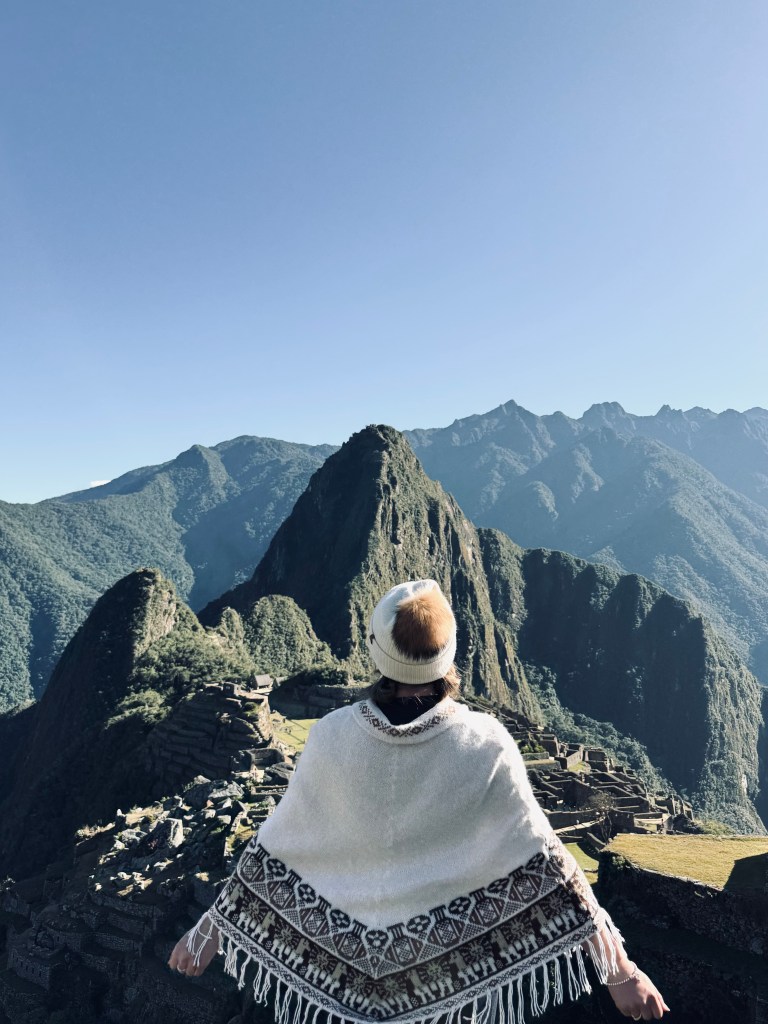
- Poncho – I opted to use some of my valuable duffel weight bring a cute poncho for my pictures at Machu Picchu – however this is not essential
3. Footwear
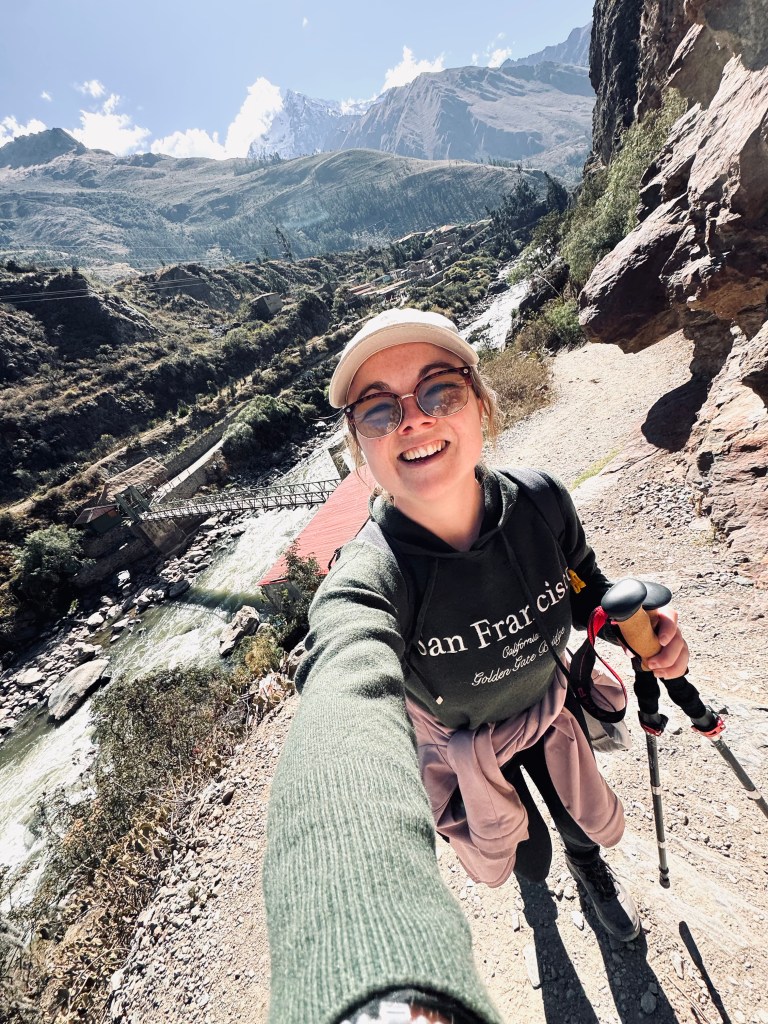
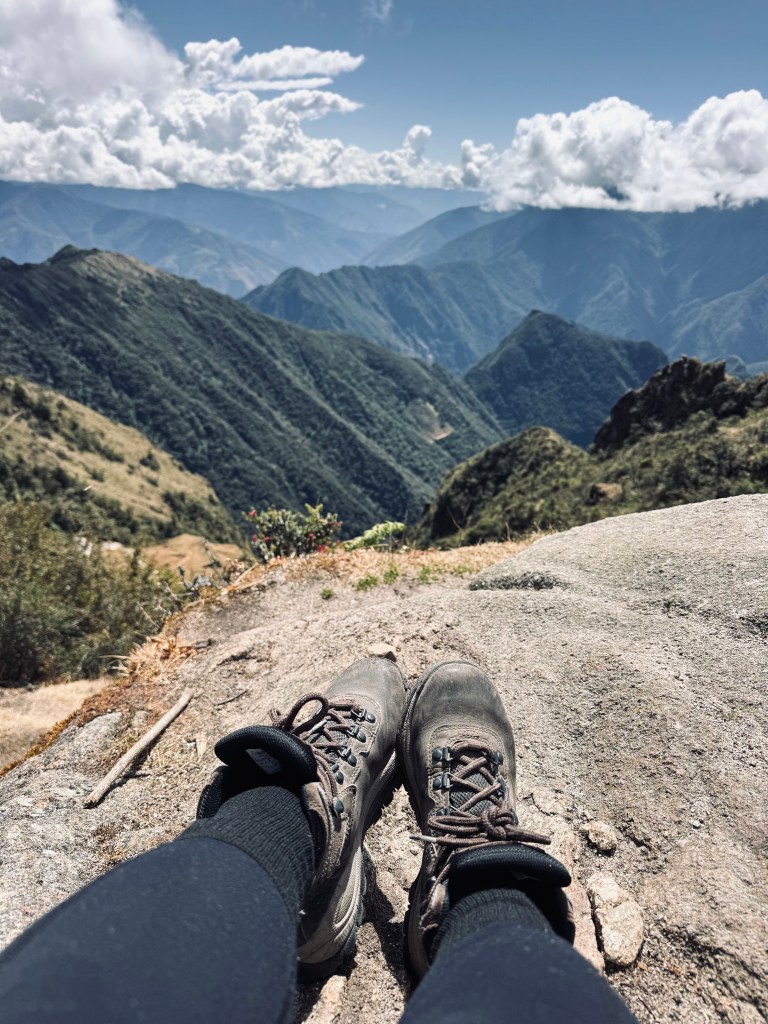
- Hiking boots – Sturdy, broken-in, and waterproof.
- Camp shoes – Lightweight sneakers or sandals to relax your feet at night.
Tip: Make sure your boots are well broken-in — nothing ruins a trek faster than blisters! (Please learn from my mistake and also wear wool socks!!)
4. Essentials & Gear
- Sleeping Bag – hired through tour company (definitely hire this!)
- Air mattress – hired through tour company (and definitely hire this!)
- Passport – mandatory for entering the trail and entering Machu Picchu
- 2x Water bottles – Staying hydrated is key at high altitude. Your trekking crew will provide boiled water at camp for you to refill your water bottles.
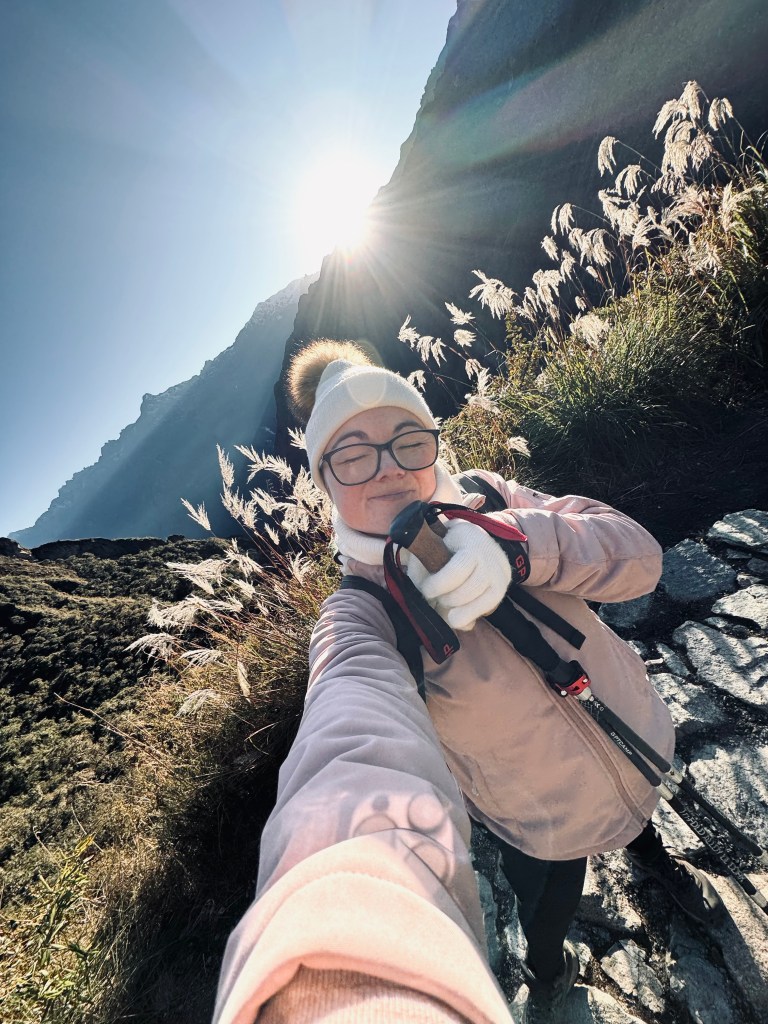
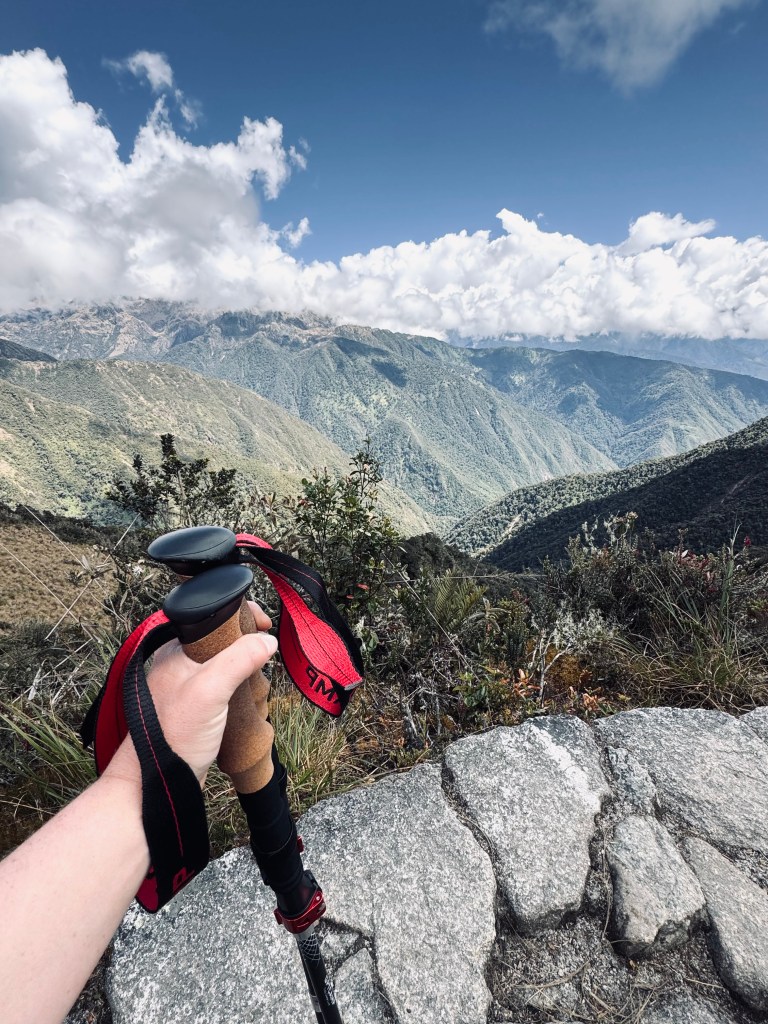
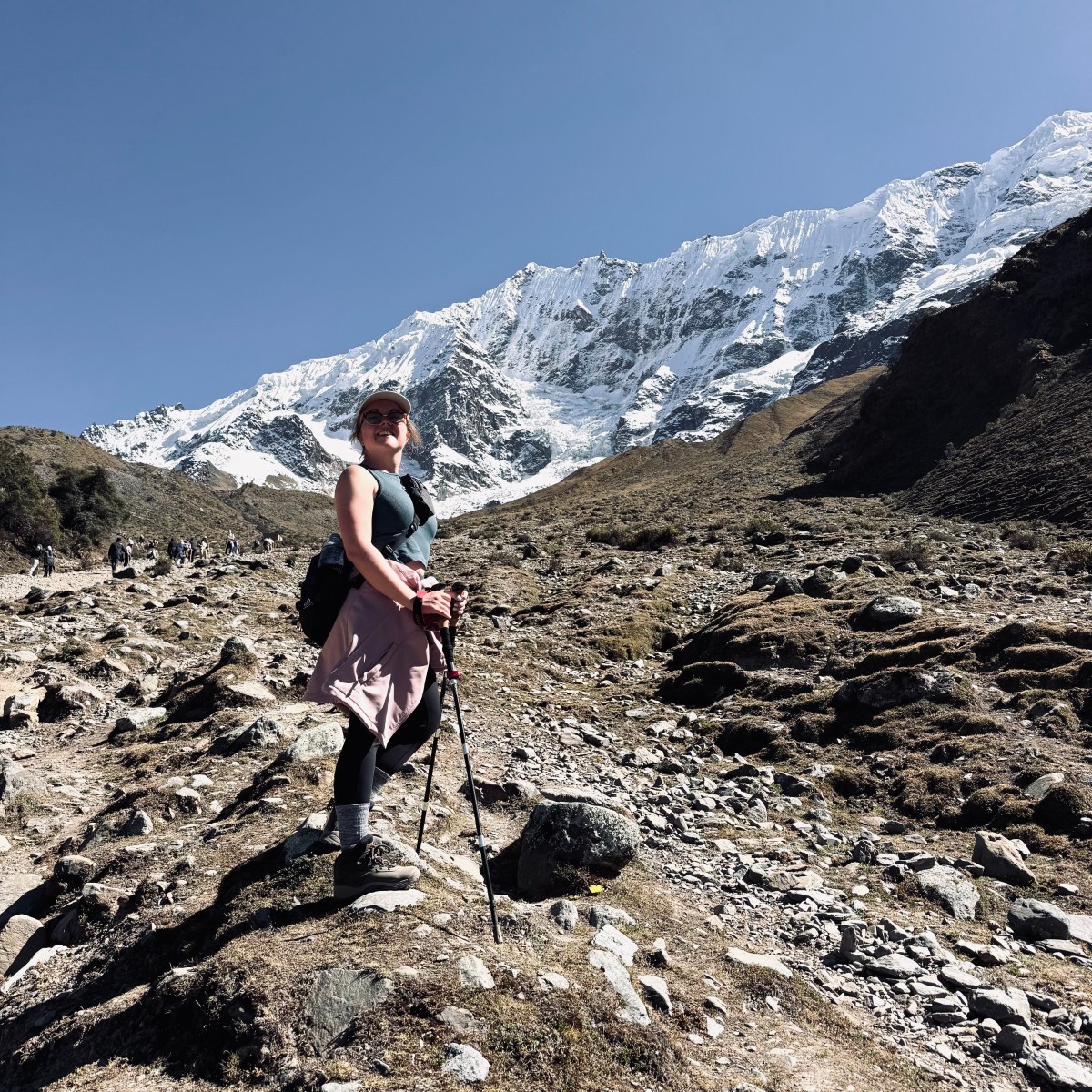
- Trekking poles – Optional but EXTREMELY helpful for steep ascents and descents. You can bring your own or hire these with your trekking company.
- Headlamp or flashlight – For early mornings before sunrise and night walks around camp.
- Sunglasses & sunscreen – The sun is strong at 3,500–4,200m altitude.
- Insect Repellent
- Hand Sanitiser
- Personal First Aid Kit – your guide will have a first aid kit, but pack a small personal one with bandaids and ibuprofen – just in case
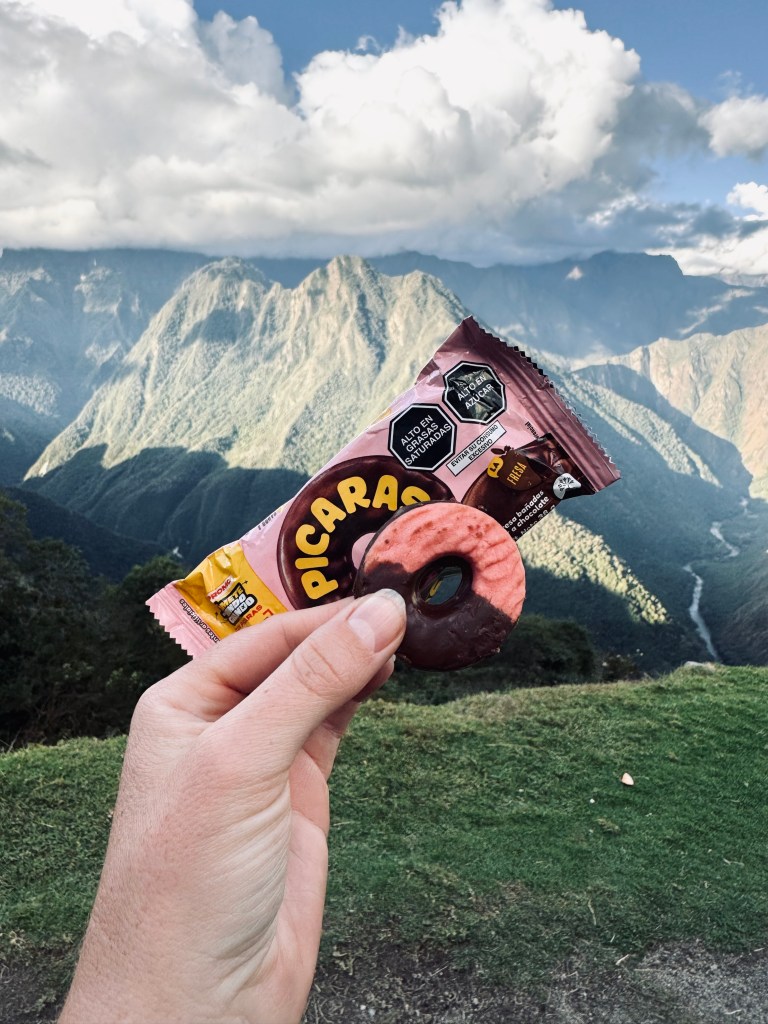
- Snacks – All your meals will be prepared by your trekking crew but snacks are important for energy boosts. Nuts, energy bars, chocolate, or trail mix are perfect. The last chance to buy snacks along the trail is before the ascent to Dead Woman’s Pass on day two of the trek.
- Camera / phone – Don’t forget extra batteries and multiple portable chargers with enough charge for 4 days (you don’t want to be out of battery by Machu Picchu!)
- Waterproof phone pouch – just incase it rains!
- Portable charger – multiple chargers to keep your phone charged for multiple days as there are no charging ports available at the camp sites!
- Tripod: great for taking self-timer pics.
- Altitude Sickness Medication – just in case.
5. Personal Items
- Toiletries – Toothbrush, toothpaste, deodorant, lip balm, face moisturiser, hand cream, hairbrush and soap (if you decide to take a shower in the cold showers on the last night)
- Wet wipes and toilet paper
- Quick-dry towel – Lightweight and compact.
- Medication / first aid – Include altitude sickness medicine if needed.
- Passport & copies – You’ll need your passport to enter the trail.
- Inflatable pillow – trust me on this one!
- Ear plugs and eye mask
- Ziplock bags – Keep electronics and snacks dry.
- Plastic bags – for carrying your trash along the trail
- Packing cubes – this makes life easier to separate clean and dirty clothes in your duffel
- Cash – bring cash for tipping your porters and guide as well as 1 sole coins for restrooms on day one
Packing Tips
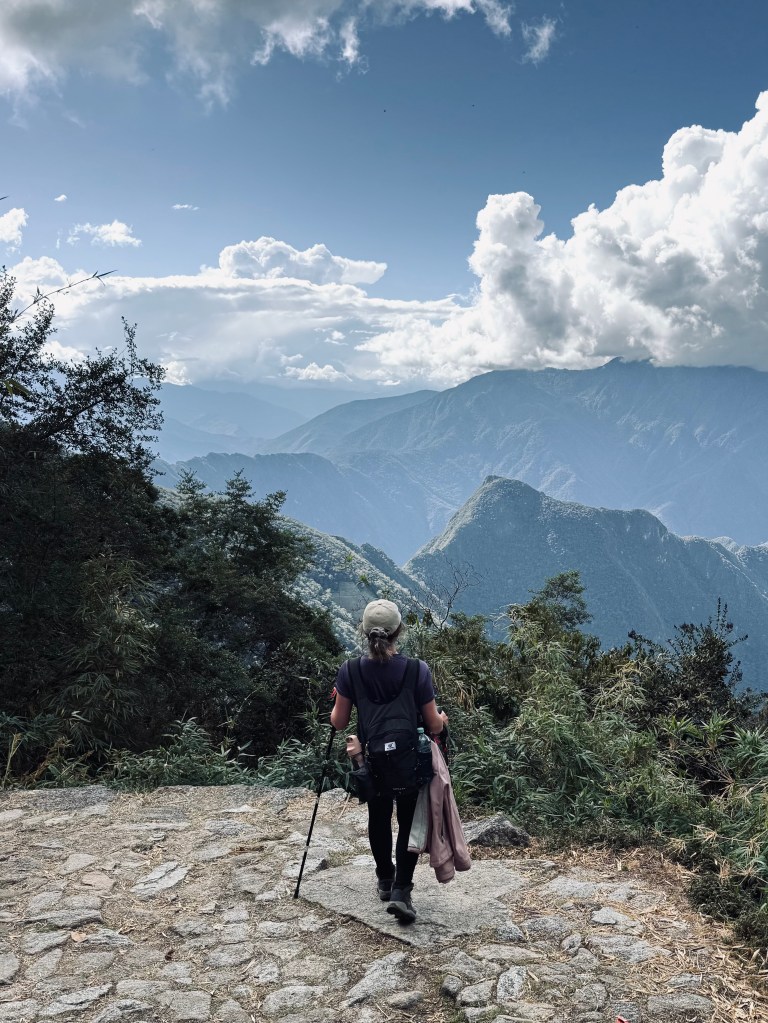
- Keep it light and simple – You’ll be carrying your own daypack for the whole hike.
- Layer up – Weather varies dramatically from sunny afternoons to freezing mornings.
- Trust your guide – They’ll often have lists of recommended gear and what’s provided (like tents and sleeping bags).
- Luggage – most hotels will store your luggage for you while you are away on the hike. Be sure to confirm this with your hotel when you check in.
- Don’t forget your sense of adventure – The right attitude is just as important as the right gear! As our guide said: the two biggest hurdles you will face on the trail are altitude sickness and attitude sickness.
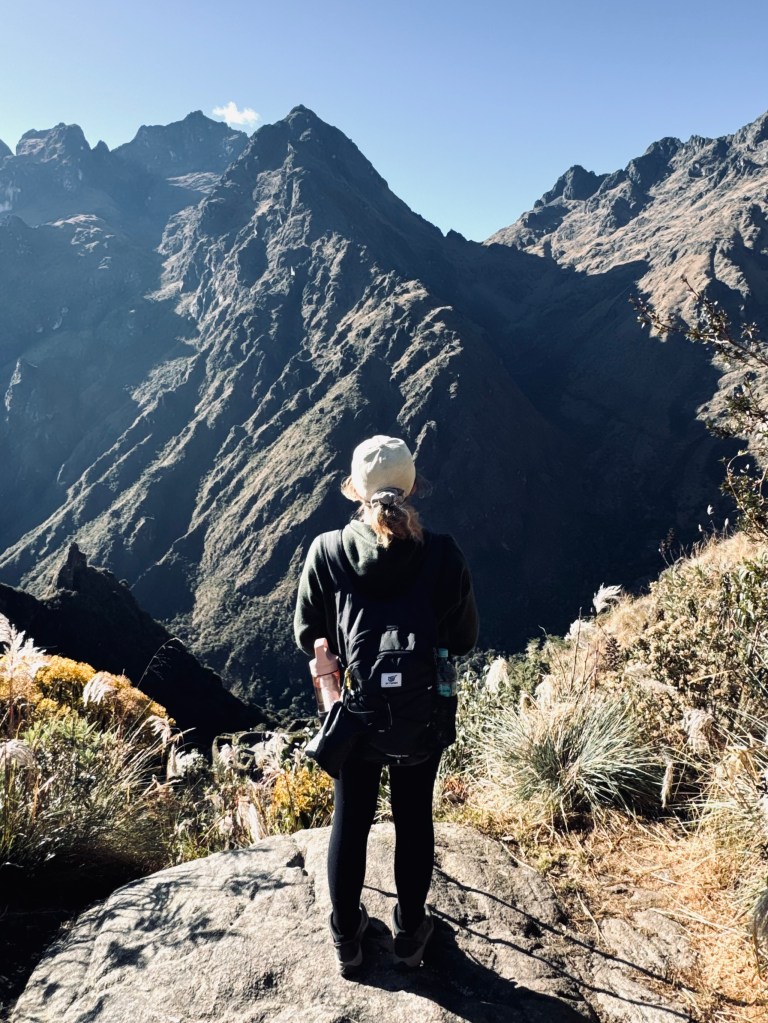
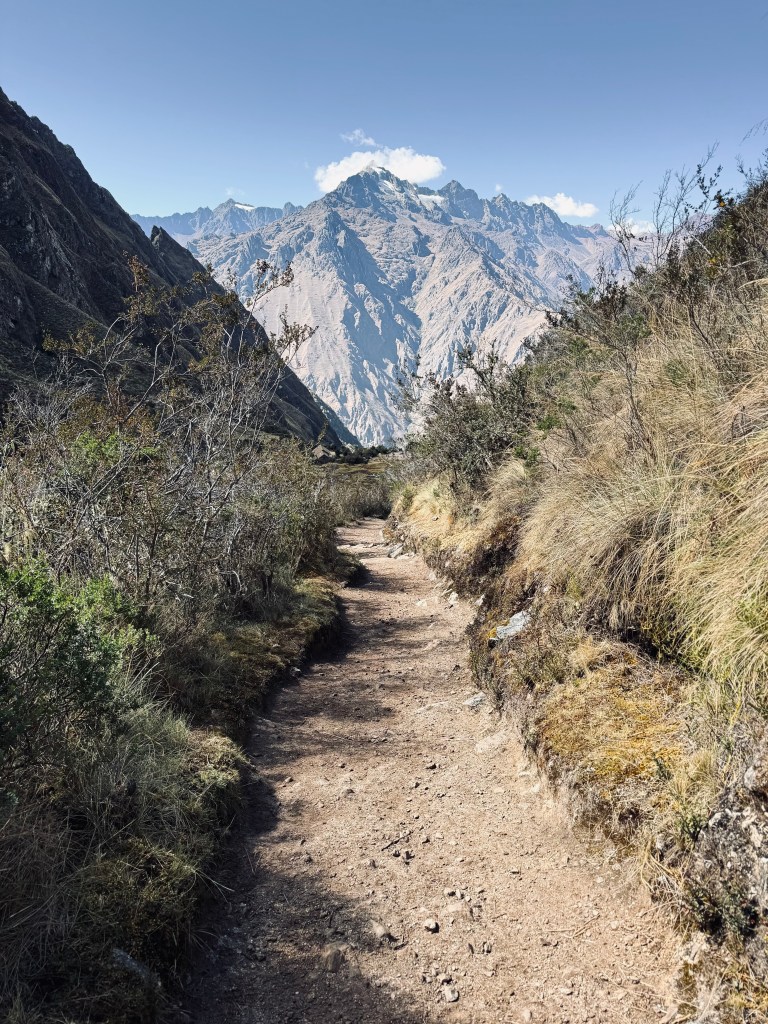
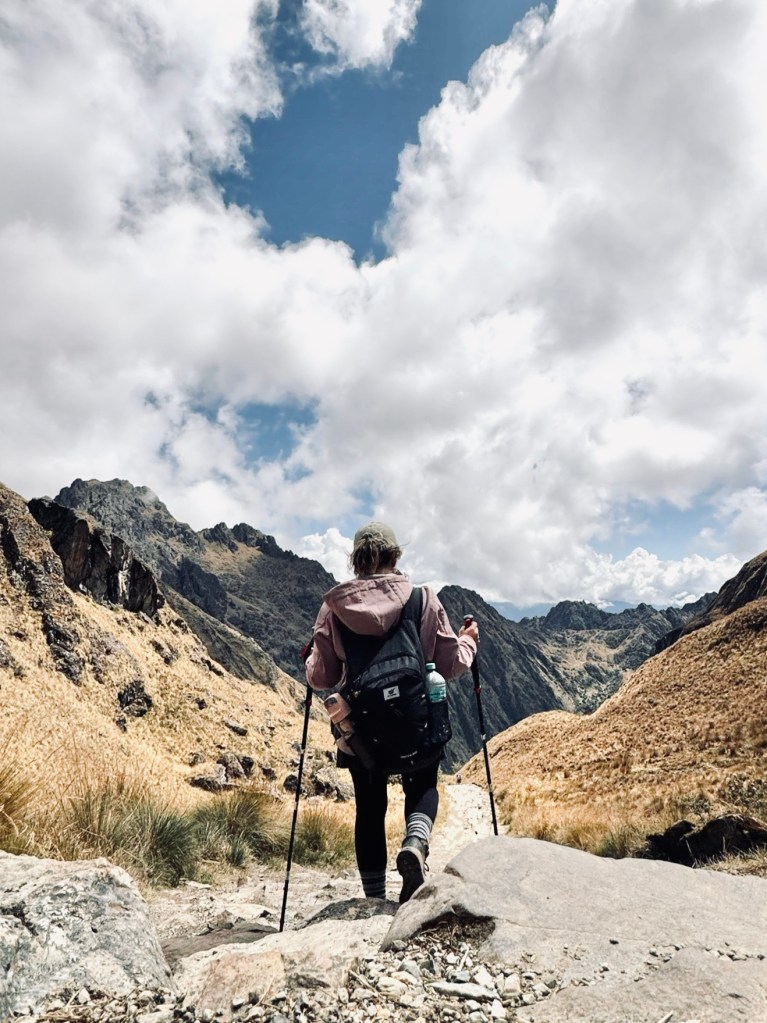
Packing smart makes your Inca Trail trek more comfortable and enjoyable, so you can focus on what really matters: the epic scenery, Inca history, and that incredible moment you reach Machu Picchu at sunrise.
Planning a trip to Peru? Check out my 3-Week Peru Itinerary here!
Peru Helpful Links
Where to stay in Cusco:
Luxury: Saska Boutique Hotel
Mid-Range: Hotel Amerinka
Budget: Golden Inca Hotel
Top Tours from Cusco
– From Cusco: Machu Picchu Full-Day Tour
– Cusco: Humantay Lake Tour with Breakfast and Buffet Lunch
– Cusco: Half-Day City Tour with Sacsayhuaman and Q’enco
– Cusco: Sacred Valley, Pisac, Ollantaytambo, Salt Mines Moray
– Cusco: Sacred Valley, Pisac, Ollantaytambo, Salt Mines Moray
How to Get Around Peru
Getting around Peru can be an adventure in itself, but it’s very doable with a little planning. For longer distances, domestic flights are a huge time-saver, while comfortable long-distance buses connect most major cities and tourist routes.
One of the easiest and most popular options for first-time visitors is Peru Hop, a hop-on, hop-off bus service designed specifically for travellers. It connects destinations like Lima, Paracas, Huacachina, Arequipa, and Cusco, with flexible stops, local guides, and hotel pick-ups included making it a stress-free way to see the country.
For shorter trips or exploring at your own pace, taxis, uber, and car rentals round out the options nicely.
Peru SIM Card: Airalo eSIM
Staying connected in Peru is a must for maps, transport apps, bookings, and Googling lomo saltado near me” (trust me). I used Airalo, an eSIM app that lets you download a Peru data plan before you even land.
There’s no need to swap physical SIM cards or hunt down a store at the airport. Just activate your eSIM and you’re online the moment you arrive – easy, affordable, and super convenient.
👉 Get your Peru eSIM with Airalo here
Disclaimer: This page contains affiliate links, which means I may earn a small commission if you purchase through these links – at no extra cost to you. As an Amazon Associate I earn from qualifying purchases.
🦙 More Peru Posts
Check out these Peru blog posts:
Something went wrong. Please refresh the page and/or try again.


 Jess at Sea
Leave a comment