Planning a trip to Peru can feel a little like staring at a giant buffet – there’s just so many amazing things that you’ll want to try them all! From the lively streets of Lima and its foodie delights, to the mystical ruins of Machu Picchu, the sun-soaked desert dunes of Huacachina, and the jaw-dropping Colca Canyon, Peru is packed with adventure, culture, and landscapes that will leave you speechless at every turn.
In this guide, I’m sharing my epic 3-week Peru itinerary – designed for first-time visitors, solo travelers, and anyone with a serious case of wanderlust. You’ll get a day-by-day breakdown of where to go, what to see, and how to make the most of your time, complete with tips for altitude acclimatisation, transport hacks, and must-do adventures. By the end, you’ll have everything you need to plan your ultimate Peru adventure – from bustling cities to serene mountain lakes and everything in between.
3-Week Peru Itinerary Summary
| DAY | ITINERARY |
|---|---|
| Day 1-2 | Arrive Lima |
| Day 3 | Lima – Paracas |
| Day 4 | Paracas |
| Day 5 | Paracas – Huacachina |
| Day 6 | Huacachina – Nazca – Arequipa |
| Day 7-8 | Arequipa |
| Day 9-10 | Colca Canyon |
| Day 11 | Arequipa – Cusco |
| Day 12-14 | Cusco |
| Day 15-18 | Inca Trail |
| Day 18 | Machu Picchu |
| Day 19-21 | Cusco |
Day 1: Arrive in Lima
Your first day in Peru kicks off in the capital, and Lima is the perfect place to ease into your Peruvian adventure!
Arriving in Lima
Once you land at Jorge Chávez International Airport, you’ll probably be feeling that mix of excitement and travel fatigue. Luckily, getting into the city is straightforward. I’d definitely recommend arranging a pre-booked transfer or using a trusted airport taxi service like Uber, Taxi Green or Cabify (avoid hailing random cabs at the airport). If you’re staying in Miraflores or Barranco, the drive will take about 45 minutes to an hour depending on traffic.
Pro tip: if you arrive at night, you’ll get there much faster due to less traffic!
Exploring Miraflores
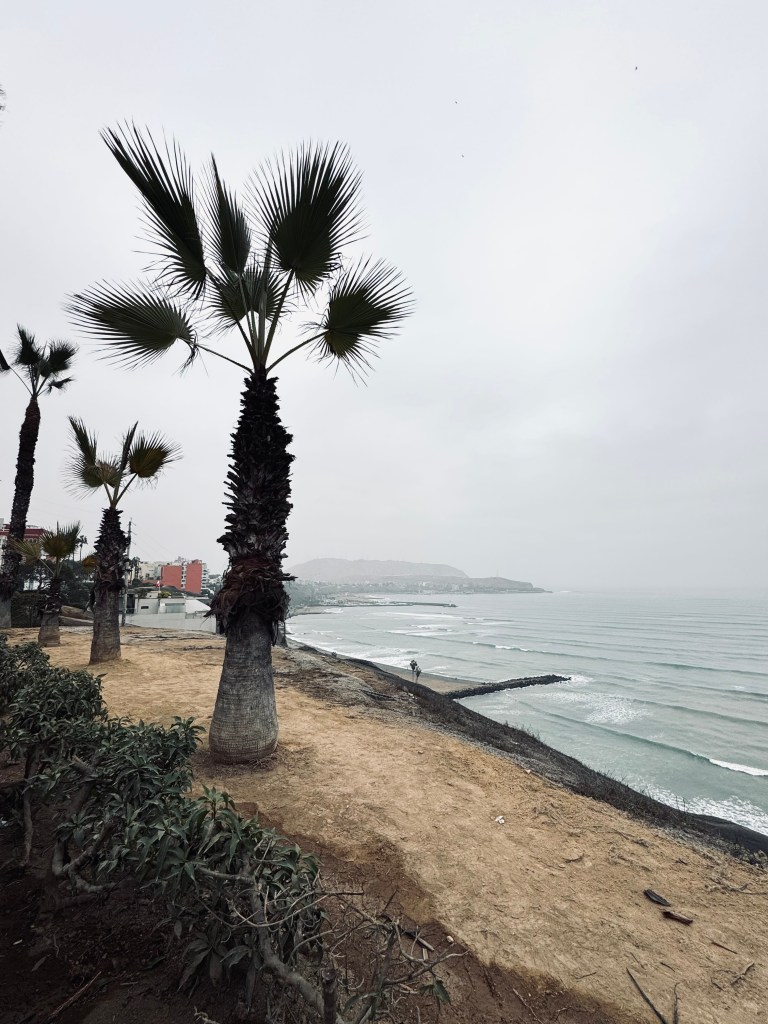
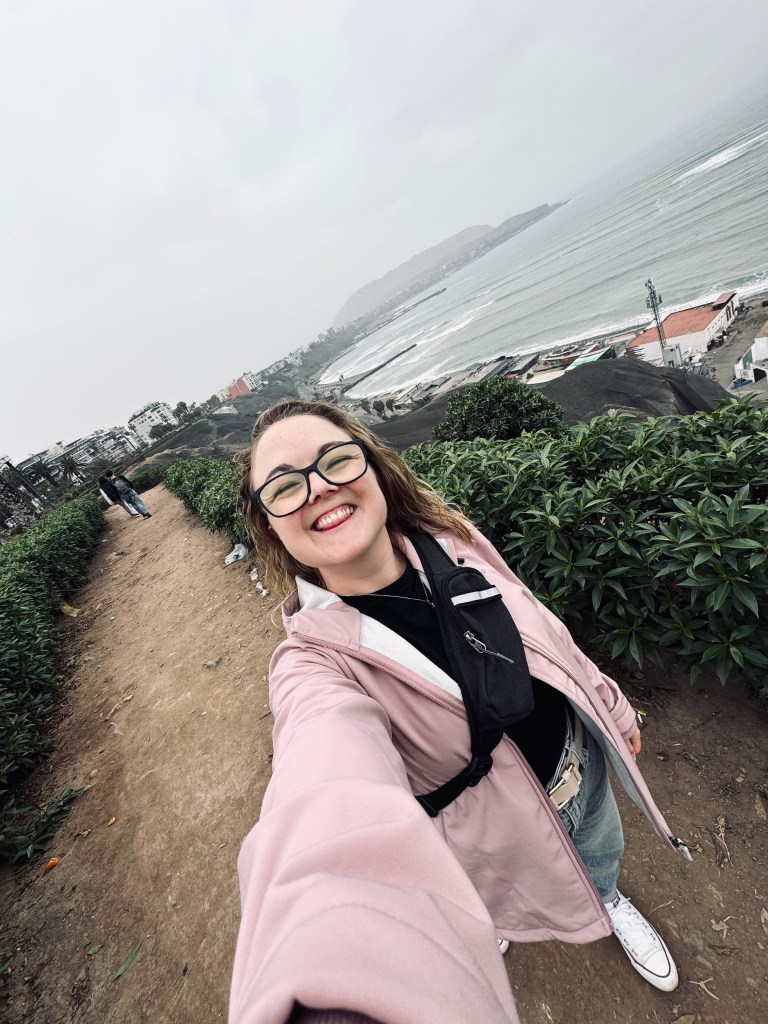
Miraflores is safe, walkable, and packed with ocean views – so start your adventures with a stroll (or better yet, a bike ride) along the Malecón, the clifftop promenade that runs for miles above the Pacific. You’ll pass parks filled with joggers, paragliders floating above the cliffs, and plenty of photo spots overlooking the waves. If you have the energy, stop by Parque del Amor (the Love Park), famous for its mosaic walls and giant kissing statue, or simply grab a coffee and soak in the coastal views. Check out my full post on things to do in Lima here!
Where to Stay in Lima
For your first night in Peru, base yourself in either Miraflores or Barranco. Miraflores is modern, central, and close to shops, restaurants, and the ocean – perfect if you like being in the heart of things. Barranco, on the other hand, is Lima’s bohemian neighborhood, known for its colorful street art, laid-back vibe, and lively nightlife. Both areas are safe and ideal for travelers, especially if it’s your first time in Lima.
Accommodation Recommendations:
Luxury: Radisson Hotel Decapolis Miraflores
Mid-Range: ibis Styles Lima Benavides Miraflores
Budget: Black Llama Hostel Miraflores
Staying Connected in Peru
One of the best travel hacks for exploring Peru stress-free is making sure you’re always connected. From navigating public transport to translating menus at a cozy cafes, having reliable data is a lifesaver. I used an eSIM from Airalo and it worked like a dream! I was online the second I landed, and topping up was super easy through the app. I’ve used this app for sim cards on all my travels since I discovered it and would definitely recommend!
Day 2: Lima: Exploring Miraflores and Barranco
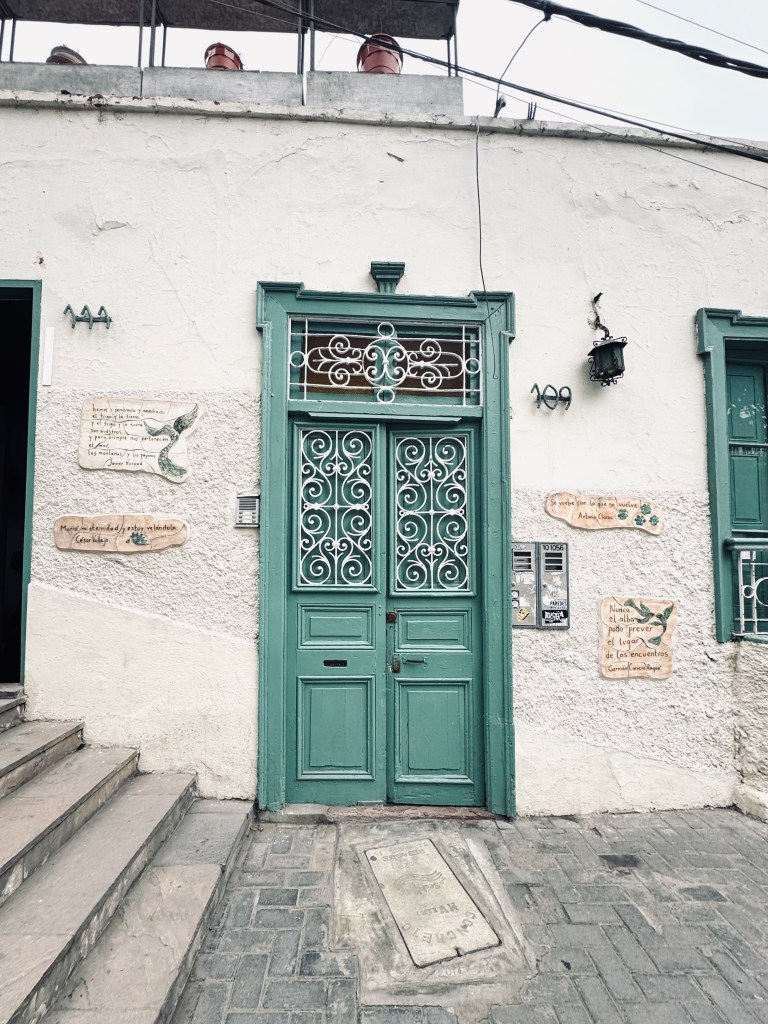
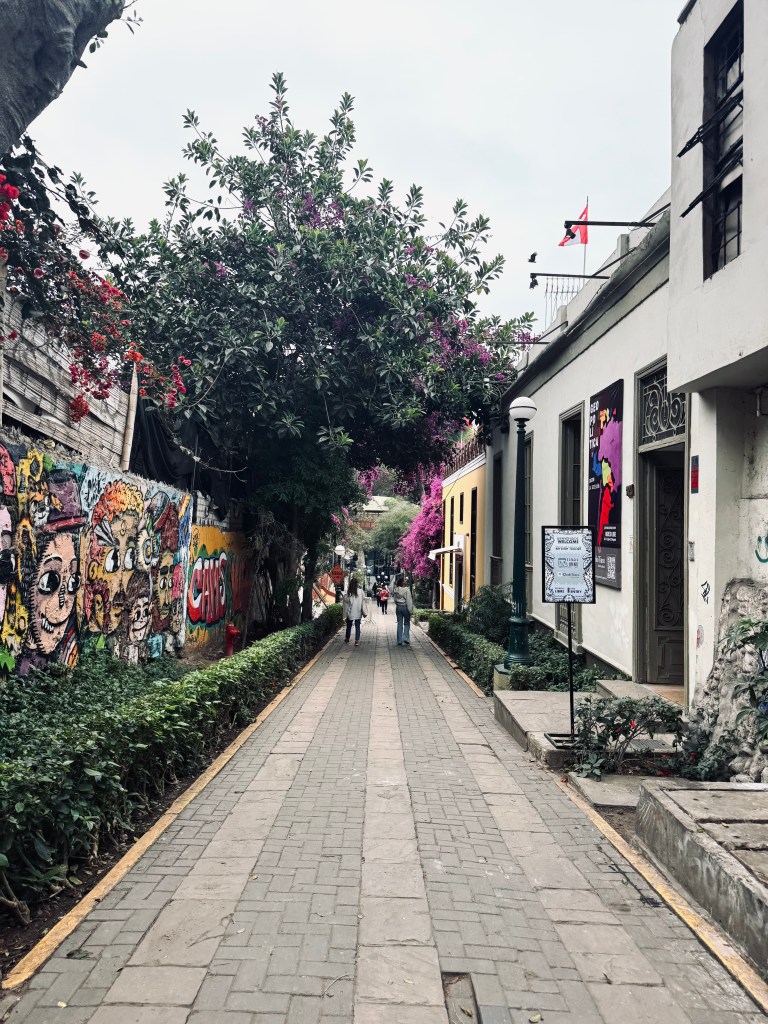
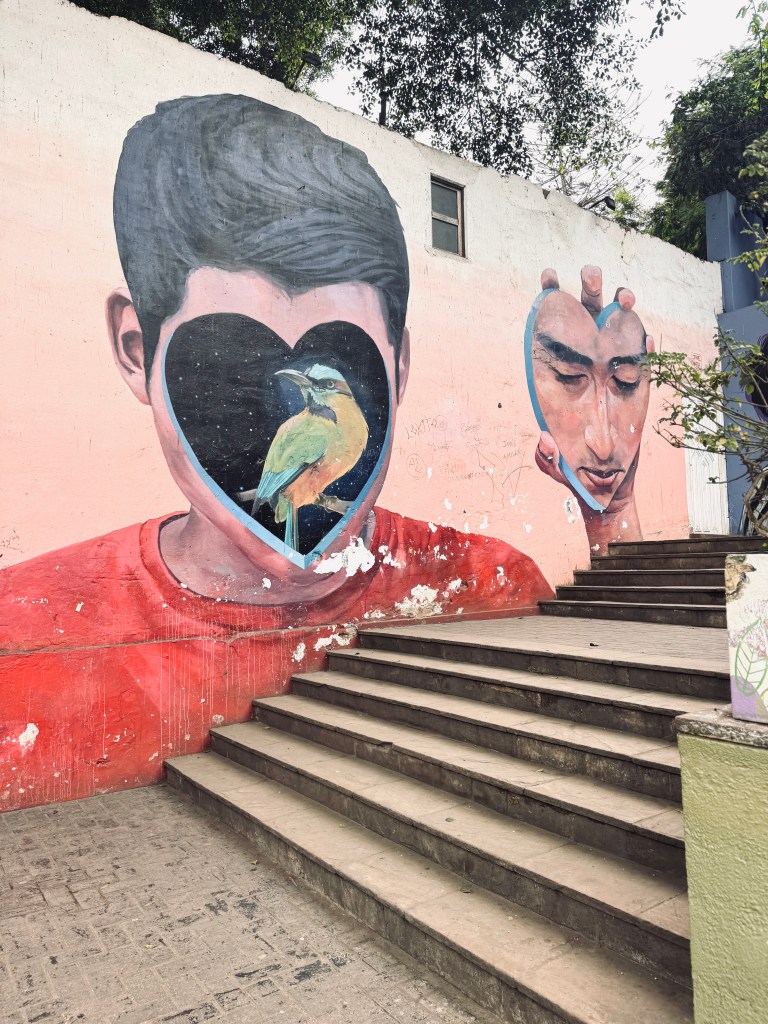
Today, make your way to Barranco, Lima’s bohemian arts district. It’s a bit of a trek on foot, so I’d definitely recommend a bike tour instead – it’s a fun way to cover more ground without tiring yourself out. Barranco is full of street art, colorful colonial buildings, and trendy cafes. Don’t miss the Puente de los Suspiros (Bridge of Sighs) and the murals tucked into hidden corners.
When it comes to food (arguably the best reason to visit Lima!), treat yourself to a long lunch at one of the seaside restaurants. This is the perfect moment to try some of Peru’s most iconic dishes:
- Causas – a layered potato dish that’s as pretty as it is delicious.
- Ceviche – fresh fish marinated in lime juice, Peru’s national pride.
- Lomo Saltado – a stir-fried mix of beef, onions, and fries that blends Peruvian and Chinese flavors.
- And, of course, wash it all down with a Pisco Sour, Peru’s most famous cocktail.
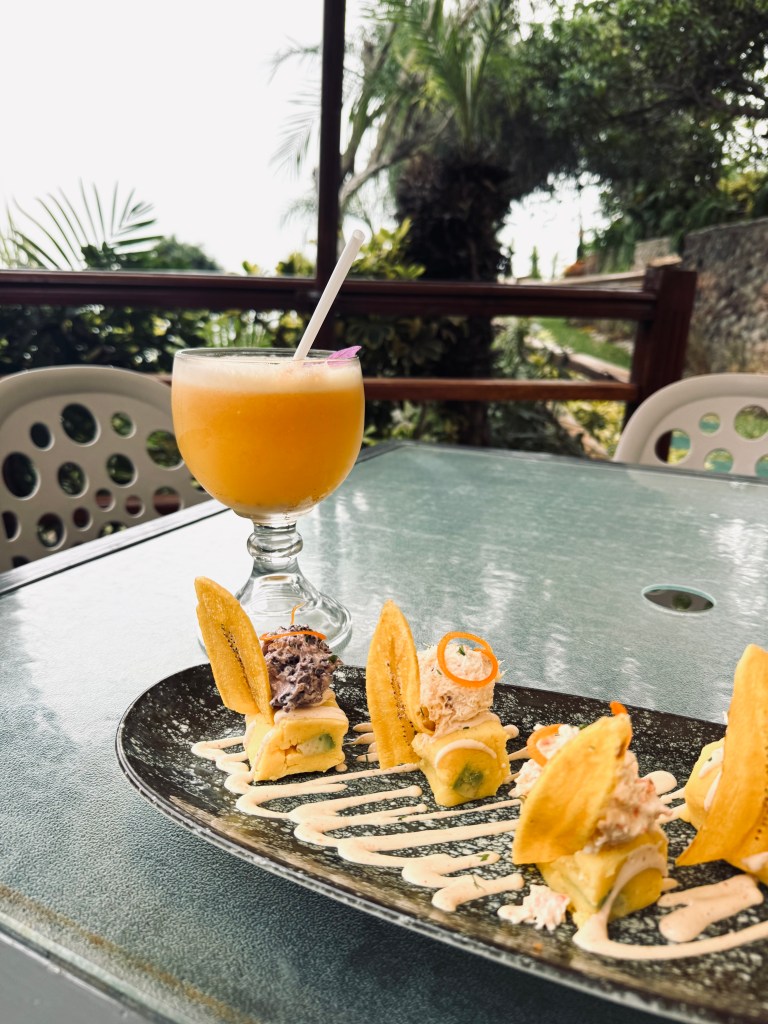
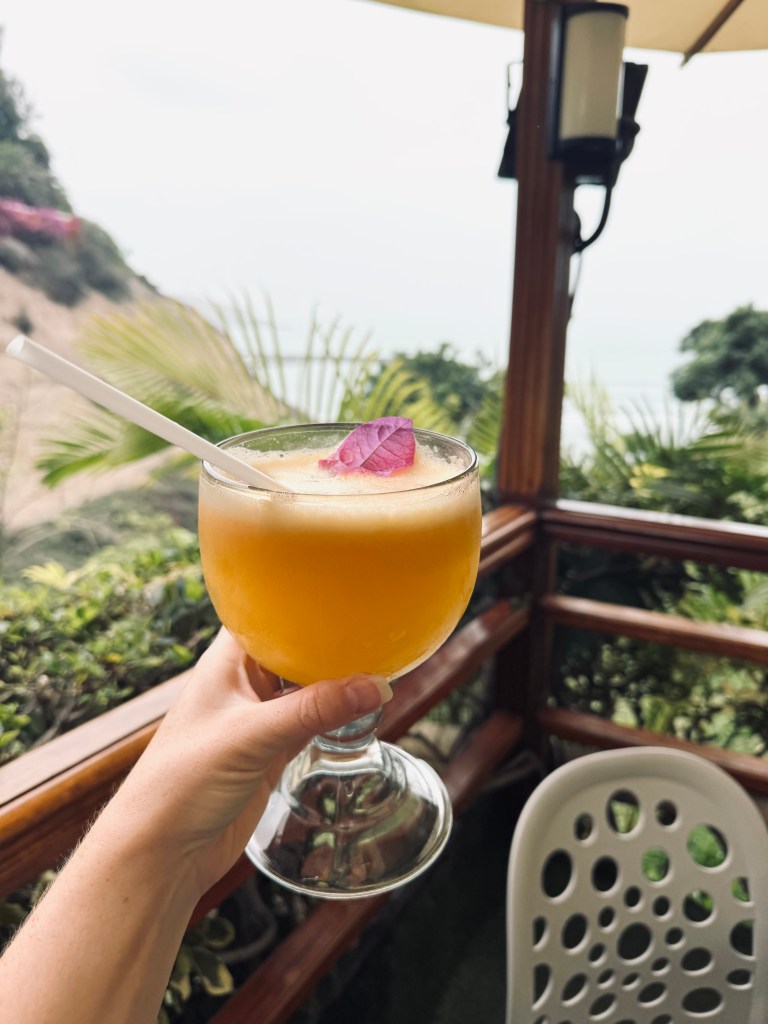
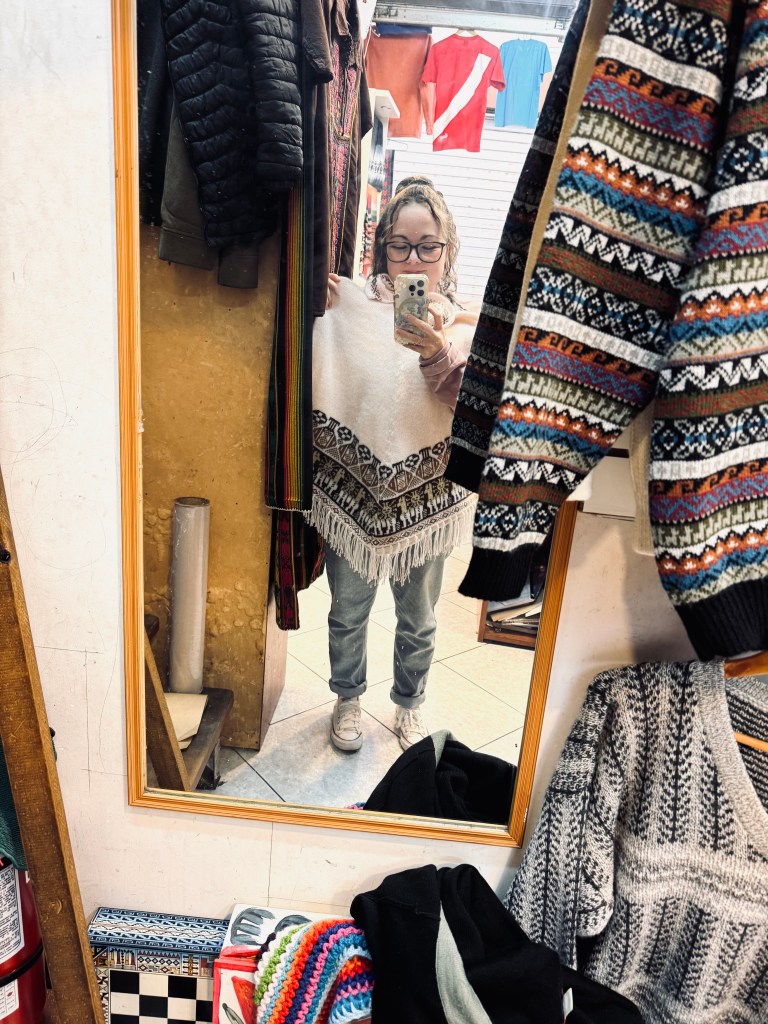
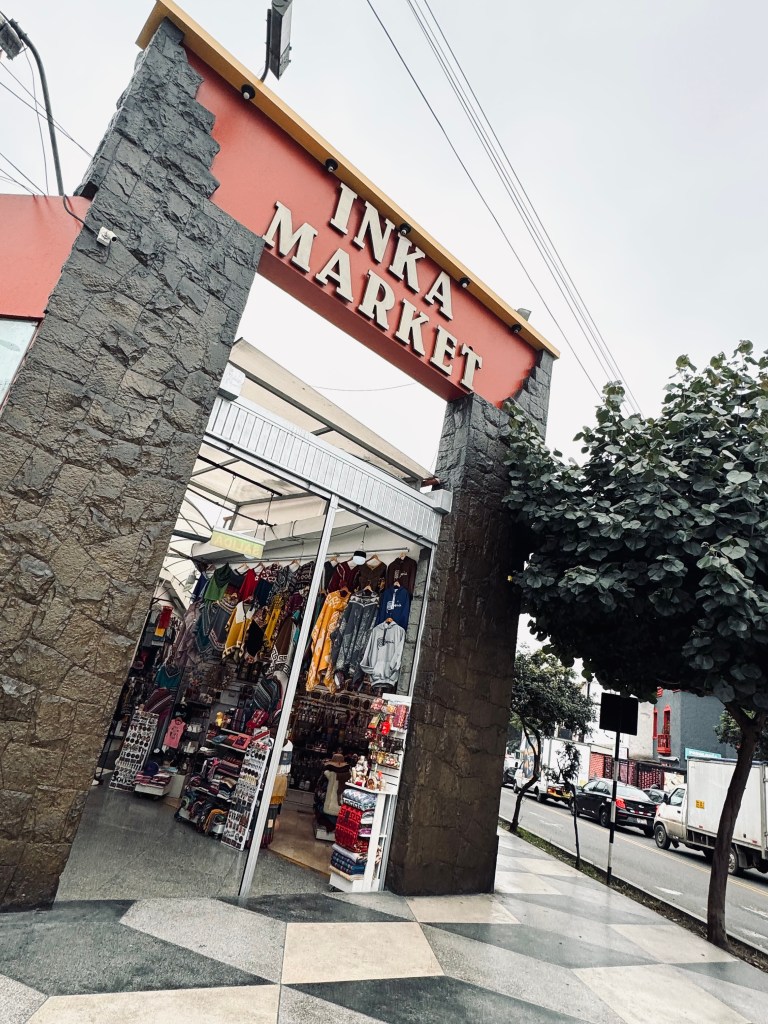
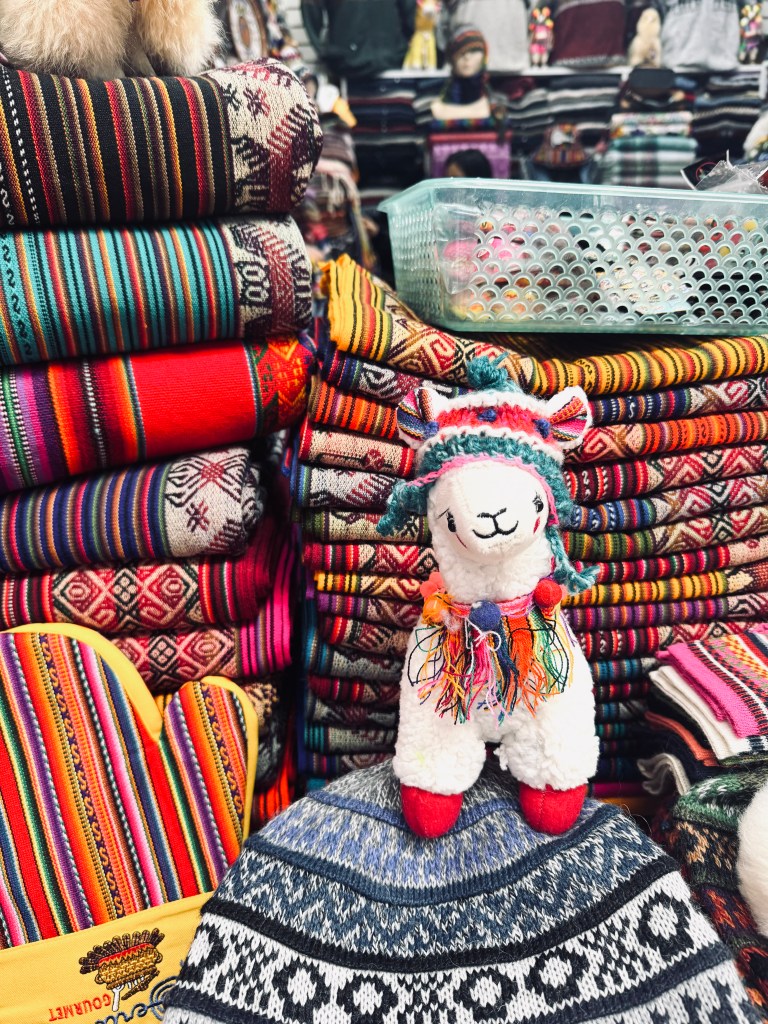
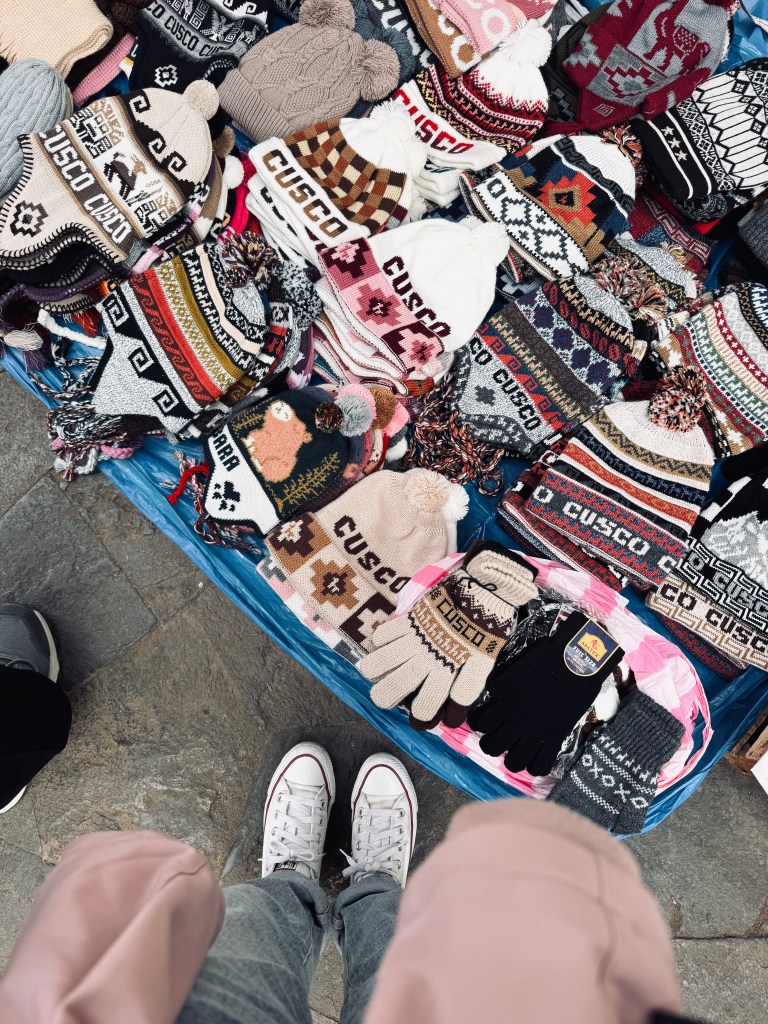
After lunch, spend the afternoon wandering Barranco’s boutique shops and galleries, or simply relax at a café with a good coffee (Peru is home to some incredible beans!). In the evening, head back to Miraflores to check out the Inka and Indian Markets to pick up some llama souvenirs and find the perfect alpaca poncho or sweater (channel full tourist mode here!) for those instagrammable moments coming up in your trip!
Day 3: Lima → Paracas
Time to leave the chaos of Lima behind and head south to the laid-back coastal town of Paracas! I took the Peru Hop bus, which I can’t recommend enough – it’s safe, comfortable, and super easy for travelers. The bus picked me up right from my hotel which was amazing peace of mind as a solo traveler.
As we drove out of Lima, I couldn’t help but notice the stark contrast between the bustling city center and the incredibly poor areas on the outskirts. It was a sobering reminder of Peru’s complex realities, and one of those moments that makes you reflect while traveling.
Secret Slave Tunnels
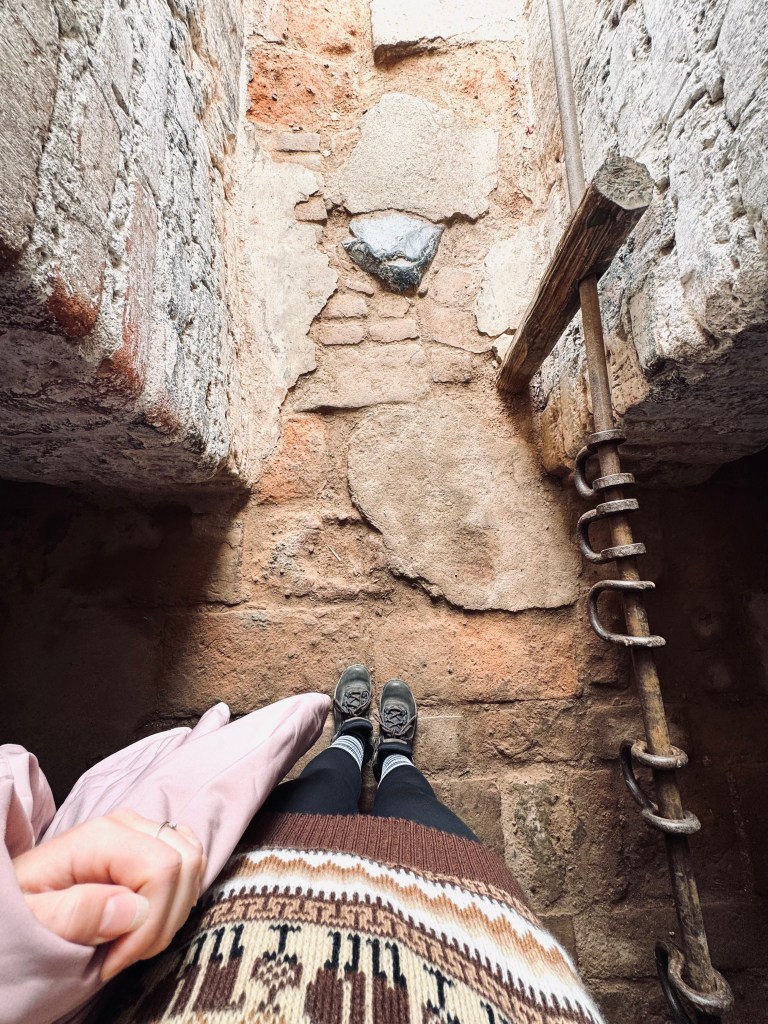
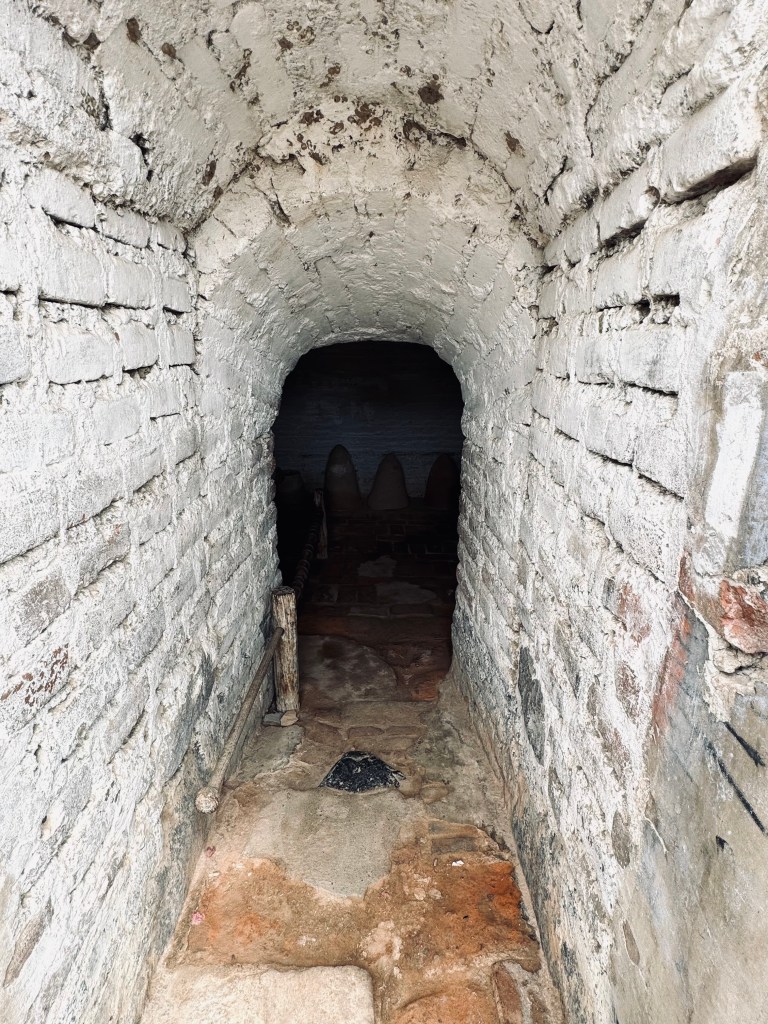
On the way, we stopped at one of Peru Hop’s hidden gems: the Secret Slave Tunnels. These underground passageways were once used to traffic enslaved people during colonial times – a dark but fascinating piece of history that I never would’ve discovered without the tour. It was eerie but we even got to walk through the pitch black tunnels!
Golden Shadows Trek
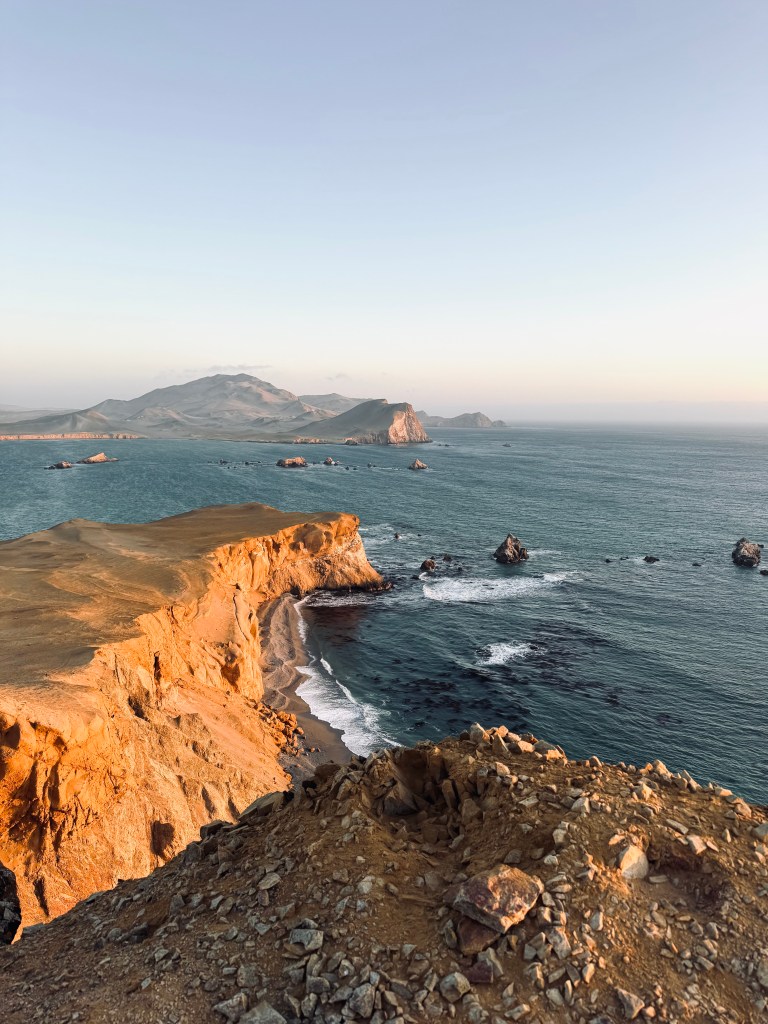
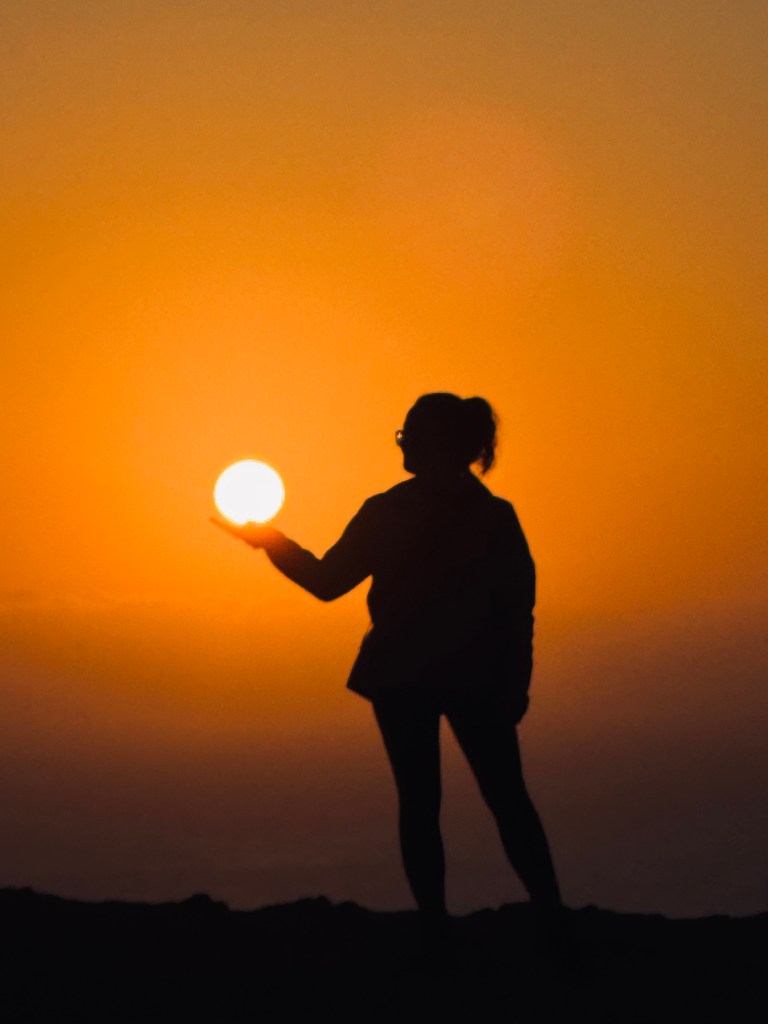
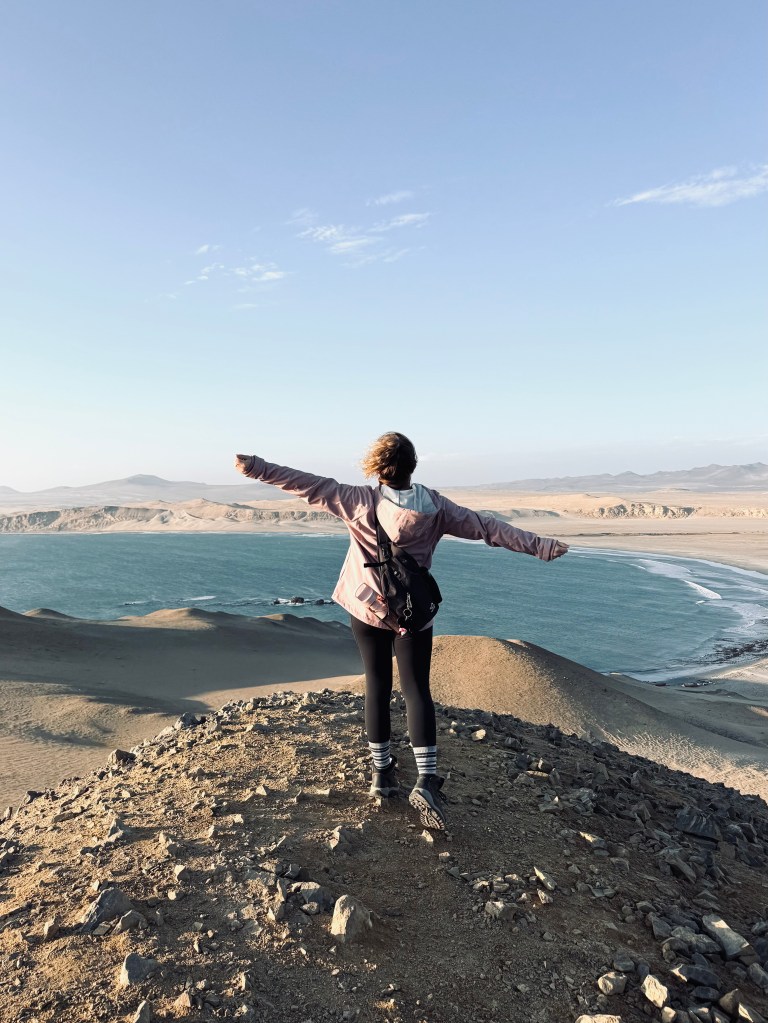
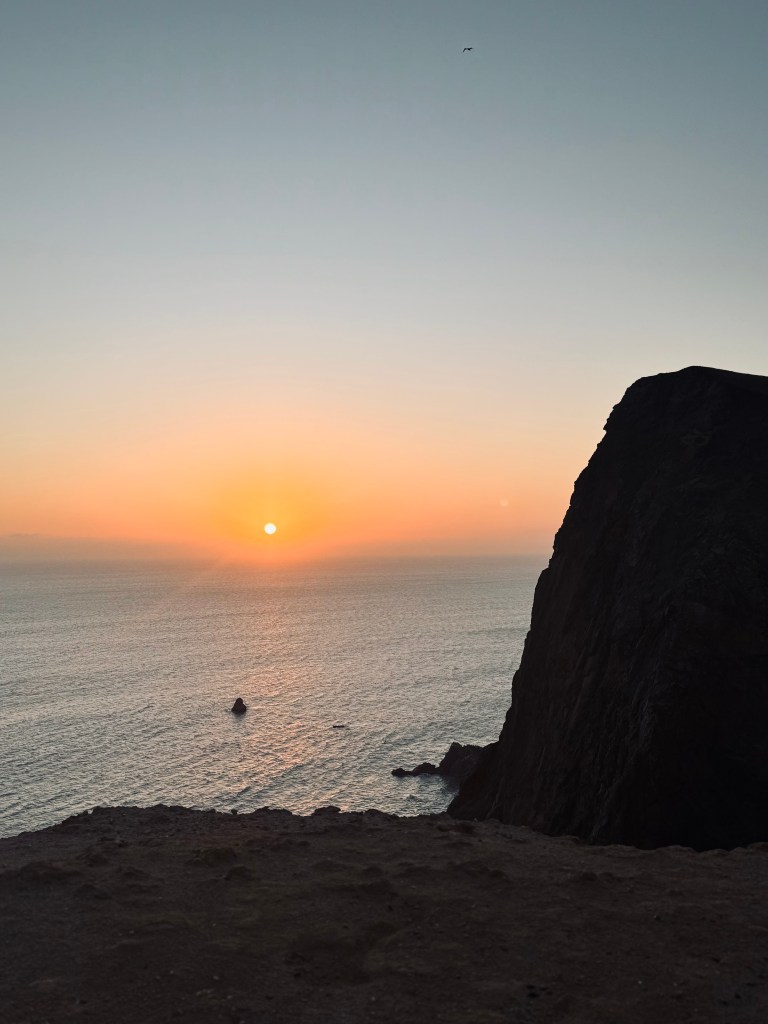
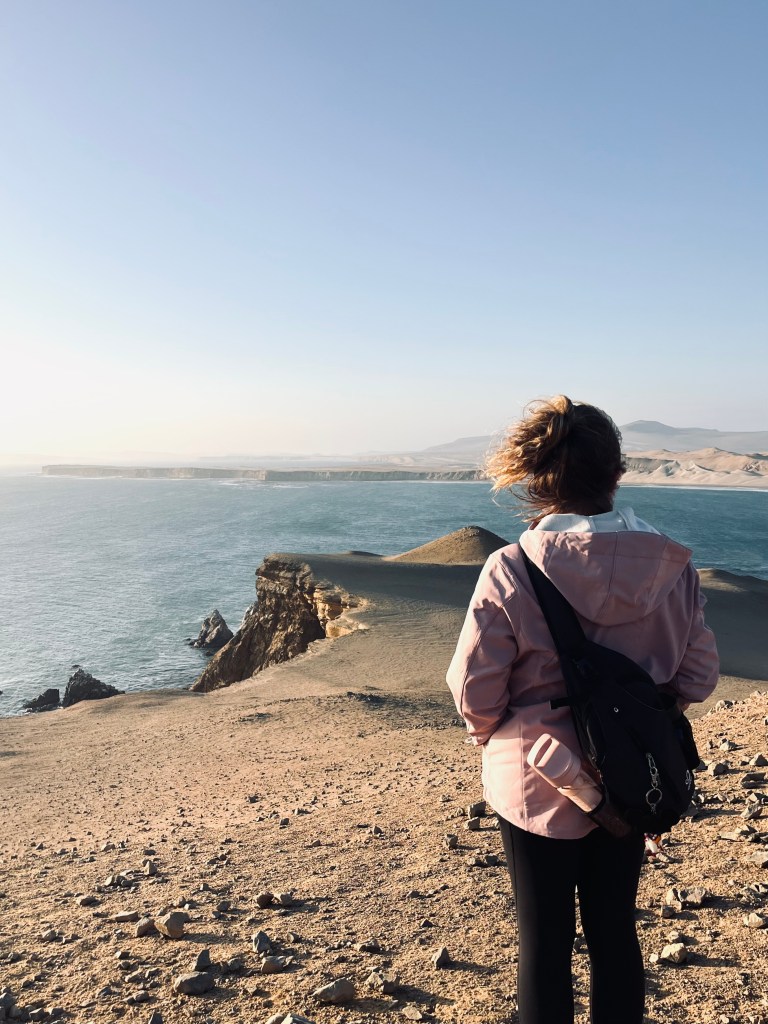
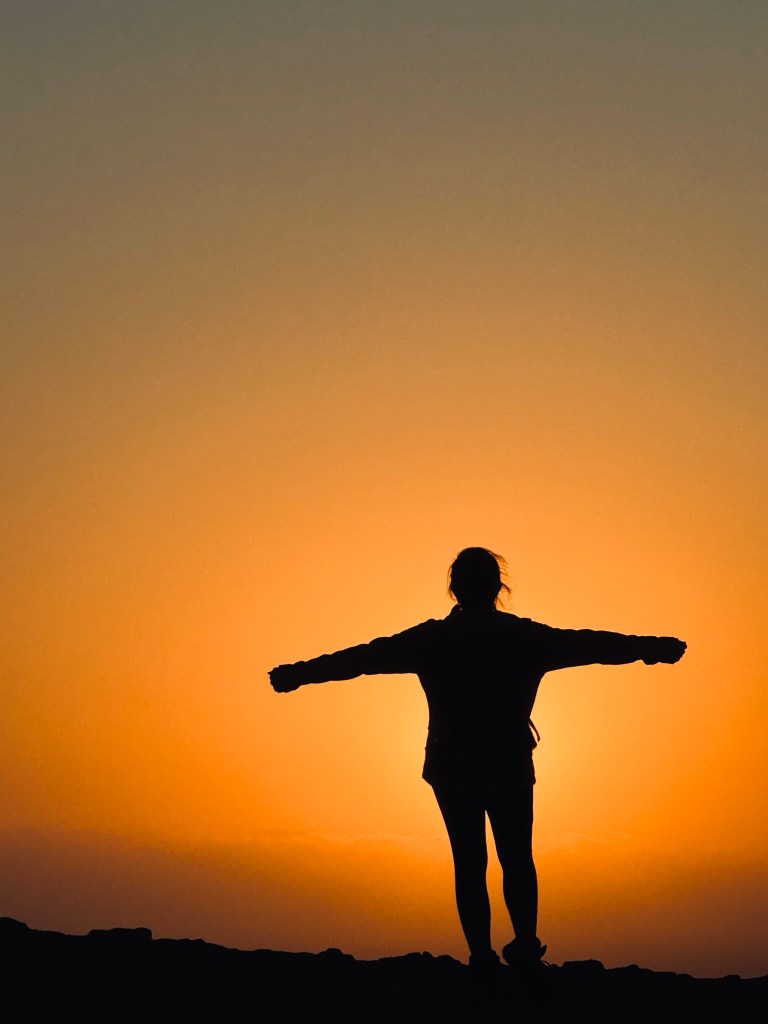
By late afternoon, I arrived in Paracas, just in time for one of the most magical experiences of my trip: the Golden Shadows Trek in the Paracas National Reserve. Imagine walking through surreal coastal desert landscapes, with the golden light of the setting sun painting the sand dunes and cliffs in shades of orange and red. The ocean sparkles in the distance, the air feels calm and crisp, and for a moment it feels like you’ve stepped onto another planet. It was honestly one of the most unforgettable sunsets I’ve ever experienced – a must-do if you’re in Paracas!
Where to Stay in Paracas
Paracas is small but has a great range of accommodation to suit all budgets.
Accommodation Recommendations:
Luxury: Casa Andina Select Paracas
Mid-Range: Hotel Residencial Los Frayles
Budget: Viajero Paracas Hostel
Day 4: Paracas
After yesterday’s big travel day, Paracas is all about slowing down, soaking up the coastal vibes, and getting out on the water. Check out my full post about things to do in Paracas here!
Islas Ballestas Tour
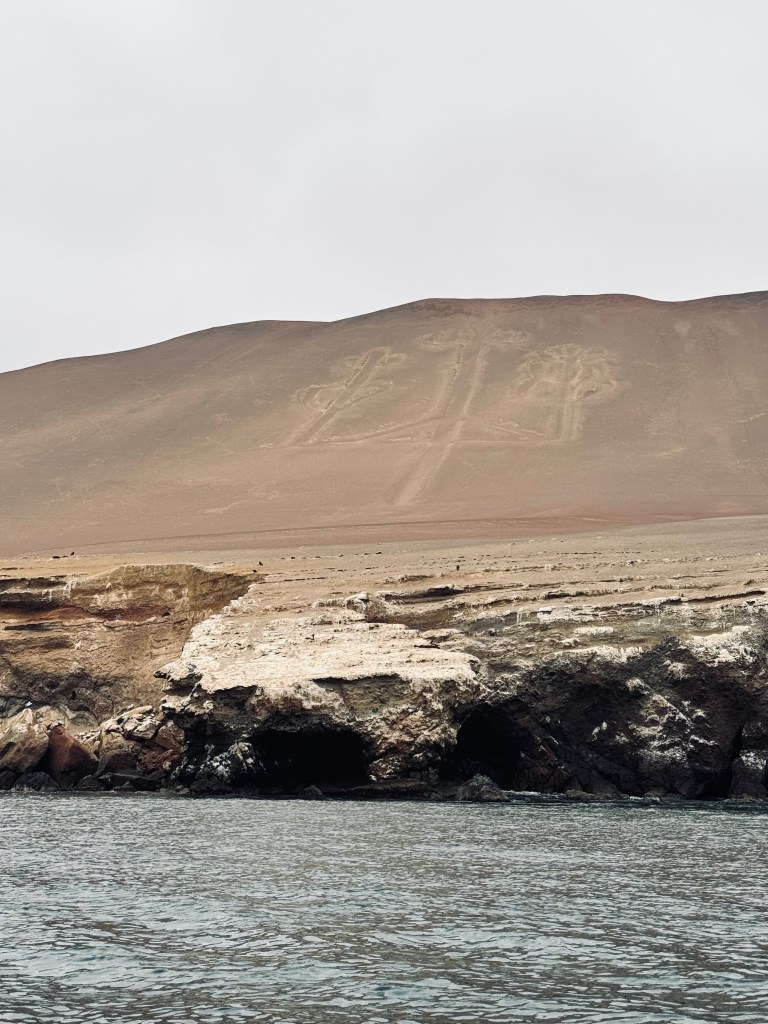
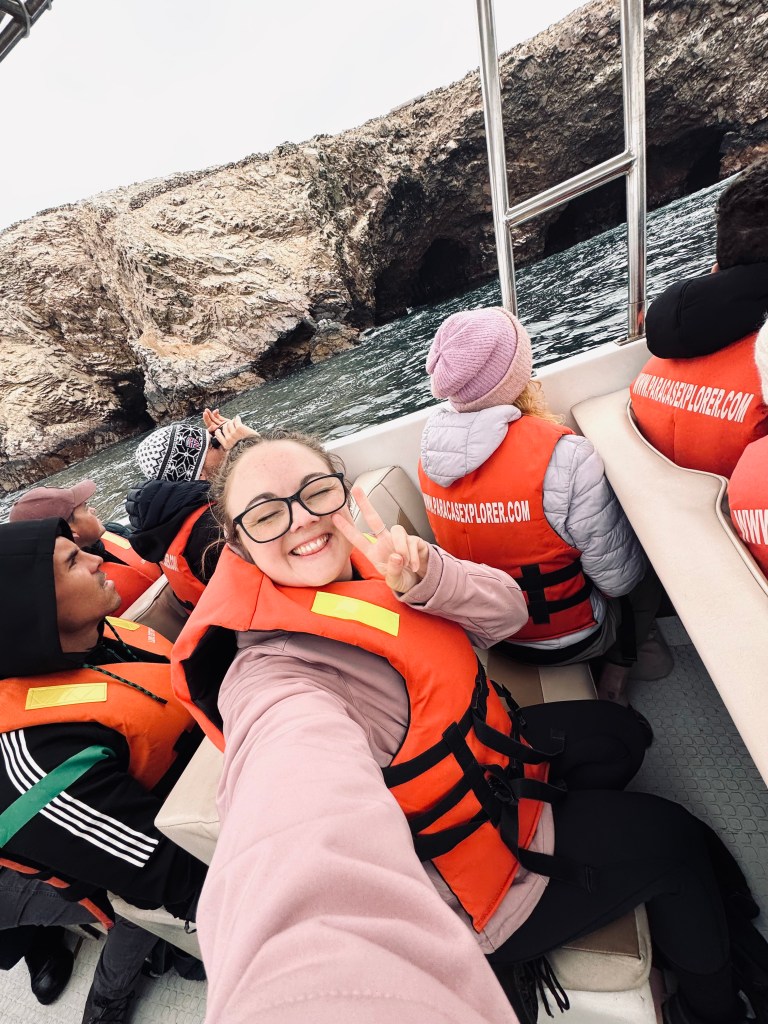
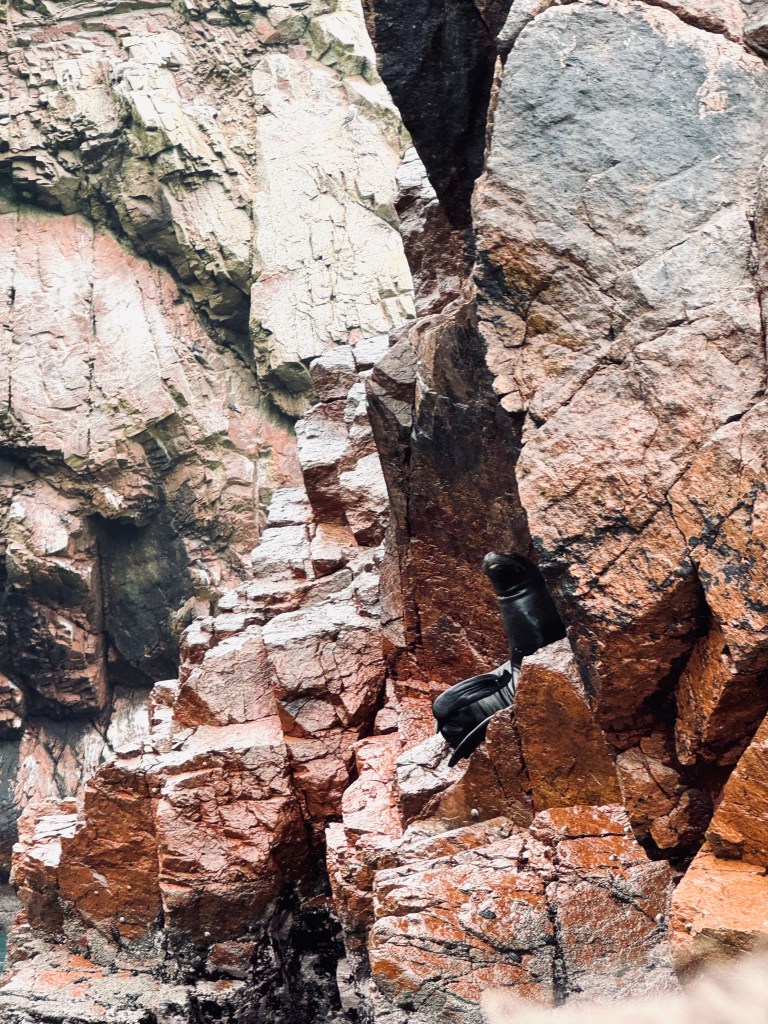
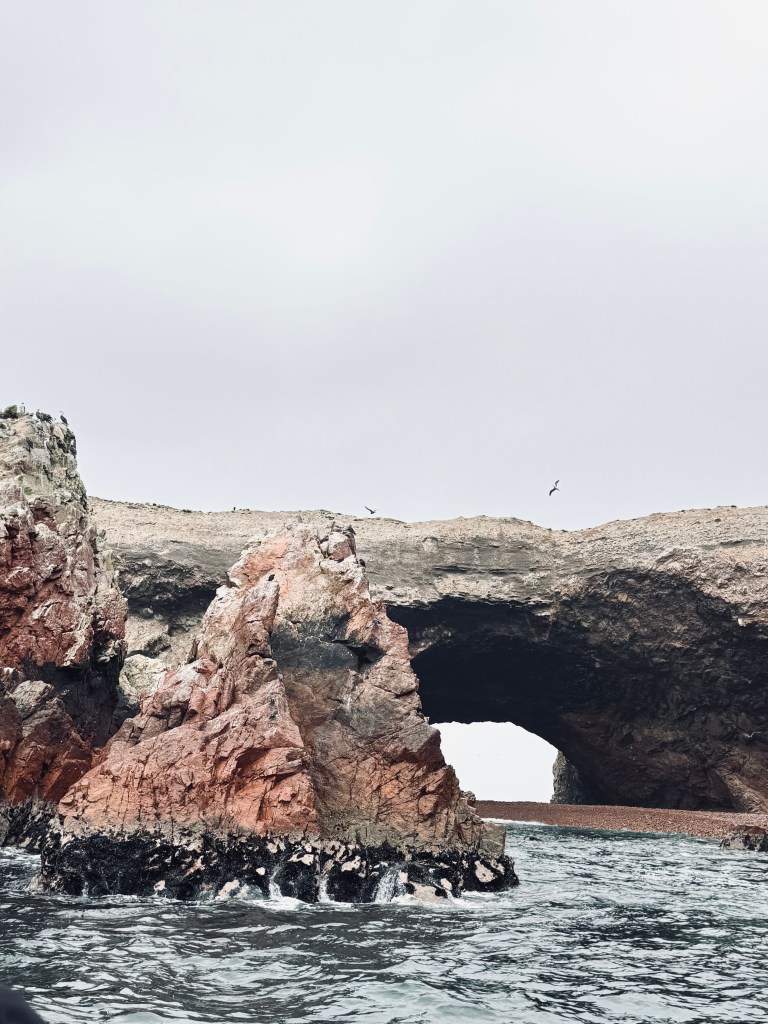
Start your morning with a boat trip to the famous Islas Ballestas – often nicknamed the “Poor Man’s Galápagos.” As the boat zips across the Pacific, you’ll spot the mysterious Candelabra geoglyph carved into the desert hillside before reaching the islands themselves. The wildlife here is unreal: think thousands of noisy sea lions, Humboldt penguins waddling along the rocks, and seabirds swooping overhead. It’s a must-do if you’re in Paracas, and the early morning light makes the whole scene even more magical.
Check out my full post about the Islas Ballestas boat tour here!
Lunch on the Water
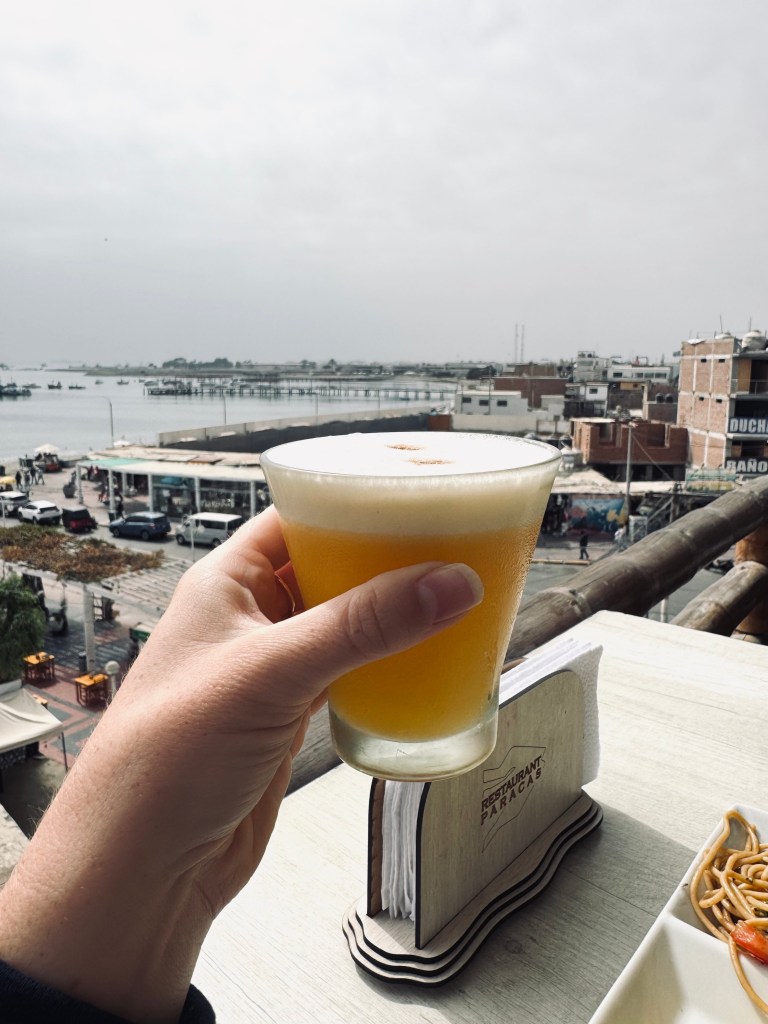
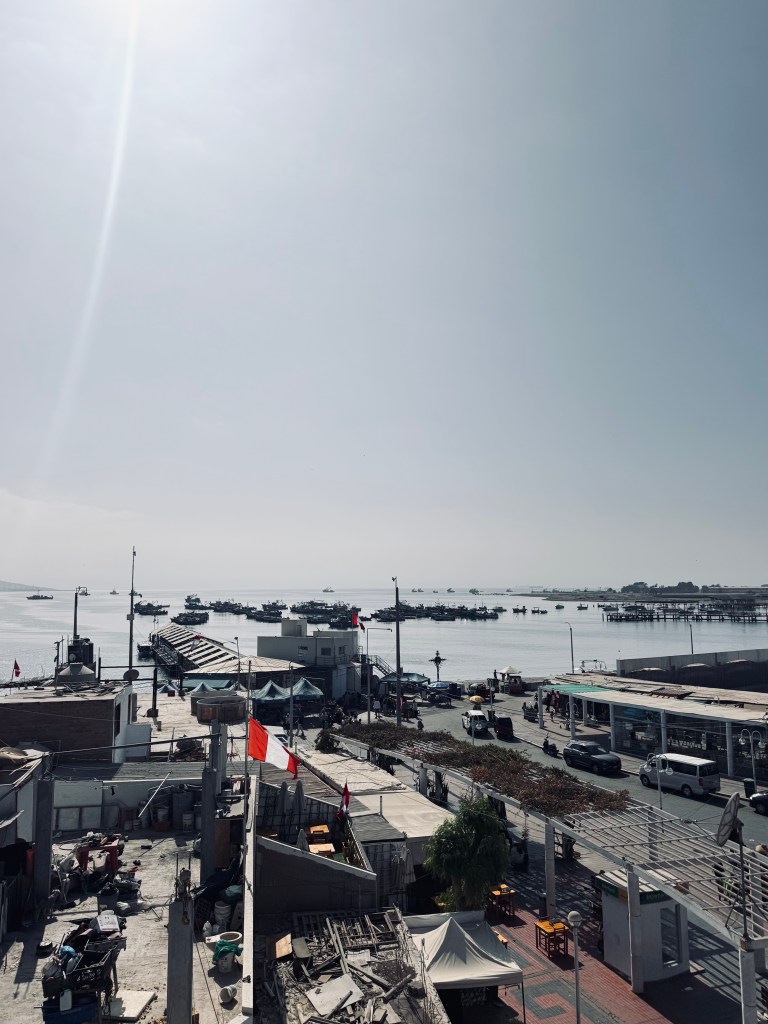
Back on dry land, grab lunch at one of the seaside restaurants along the malecón. Fresh ceviche is the star here – zesty, refreshing, and perfect after a salty ocean breeze. Pair it with a pisco sour (you’re in Peru, after all!) or a cold Inca Kola if you’re pacing yourself for more adventures.
Kayaking at Sunset
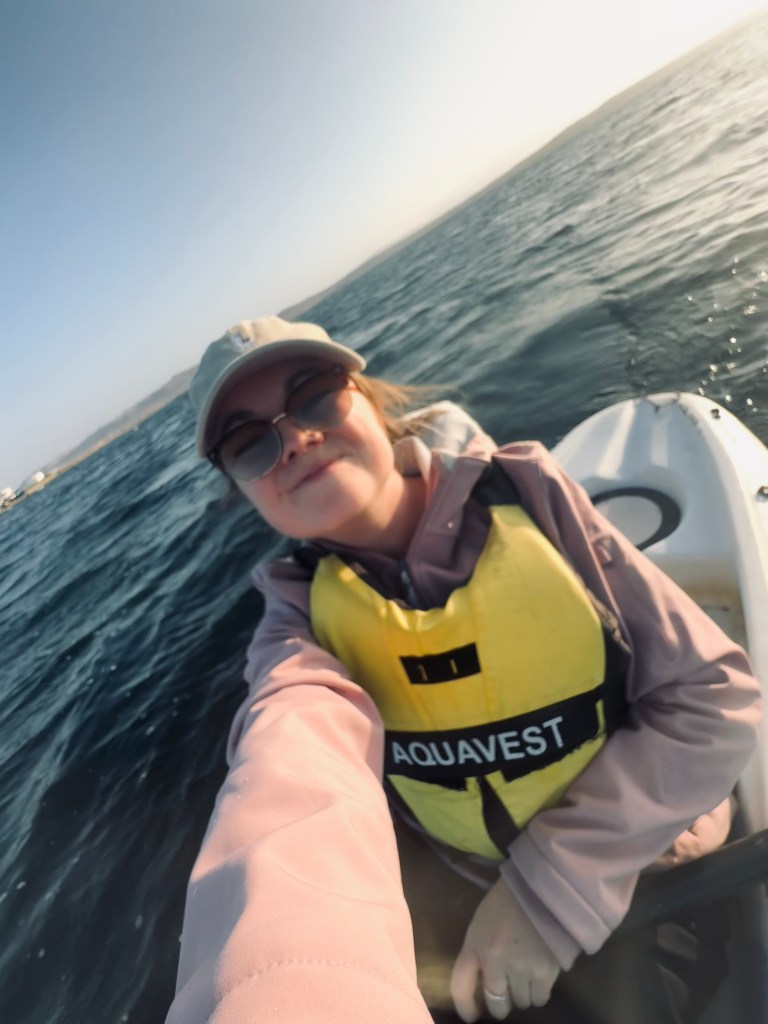
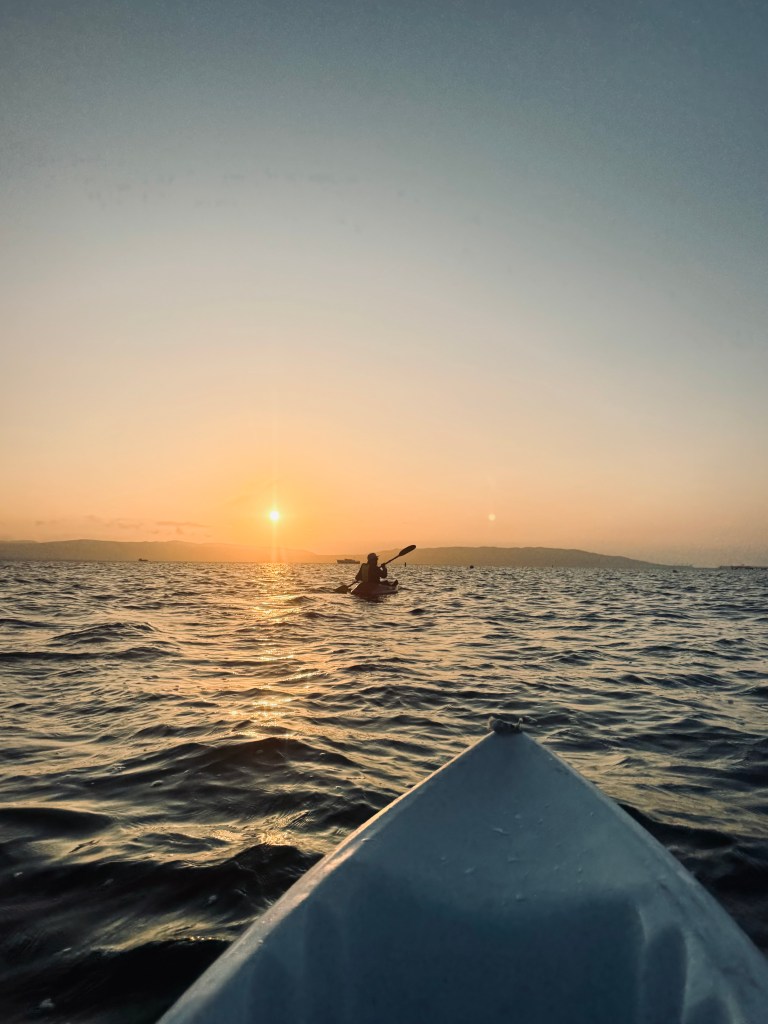
In the late afternoon, it’s time to hit the water again – this time in a kayak. Paddling out at sunset is such a peaceful experience (especially if you end up like me and are the only one on the tour haha!), with the sky turning shades of gold and pink over the Paracas Bay.
It’s a beautiful way to end the day, but if you’re a wildlife lover, I’d actually recommend the sunrise kayaking tour instead. Not only do you get calmer conditions, but it’s your best chance to spot the wild flamingos that feed in the shallows at dawn. Either way, gliding across the bay is a memory you’ll keep long after you’ve left Paracas.
Day 5: Paracas → Huacachina
Paracas National Reserve
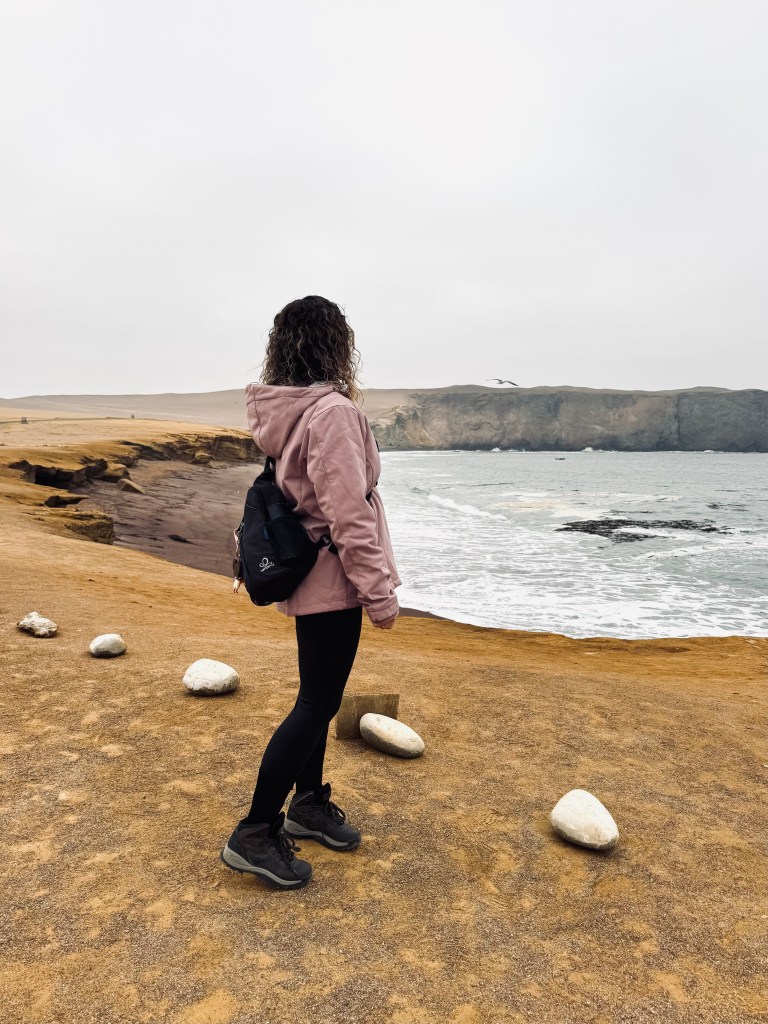
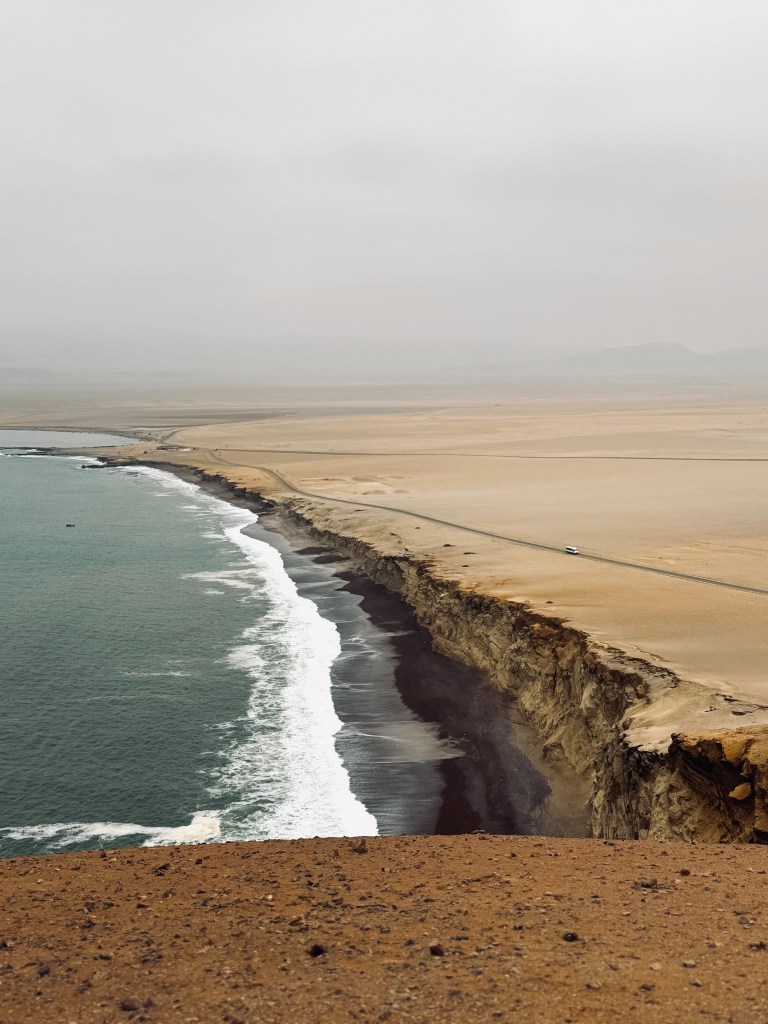
Start your day with a visit to the Paracas National Reserve (this is included in the Peru Hop itinerary), a stark yet stunning desert-meets-ocean landscape that feels otherworldly. The reserve is home to sweeping red-sand beaches, dramatic cliffs, and endless desert views that stretch into the horizon. It’s a peaceful spot to explore before the busier day ahead, and you’ll get a sense of just how diverse Peru’s landscapes really are. Whether you walk along Playa Roja (the striking red beach) or simply take in the views from the lookouts, it’s the perfect way to spend your last morning in Paracas.
Pisco Sour Tasting + Lunch
From there, the bus will depart to Huacachina. On the way, you’ll stop at a traditional winery in Ica for a pisco sour tasting and group lunch – a fun and social experience (and a great way to make new travel friends).
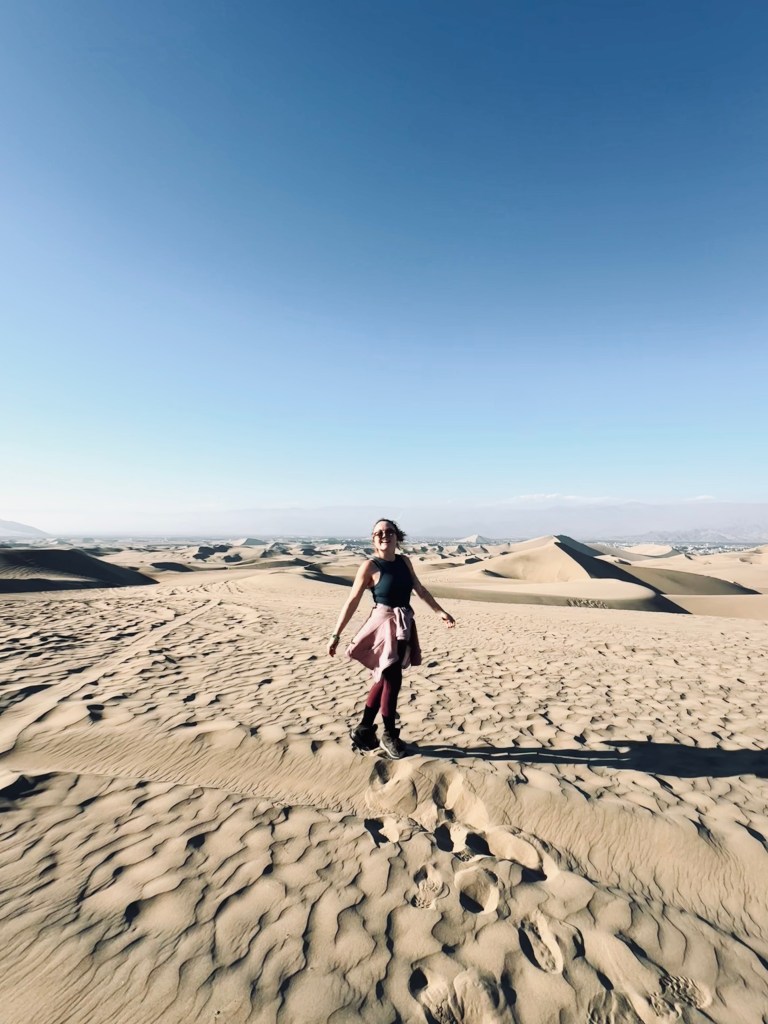
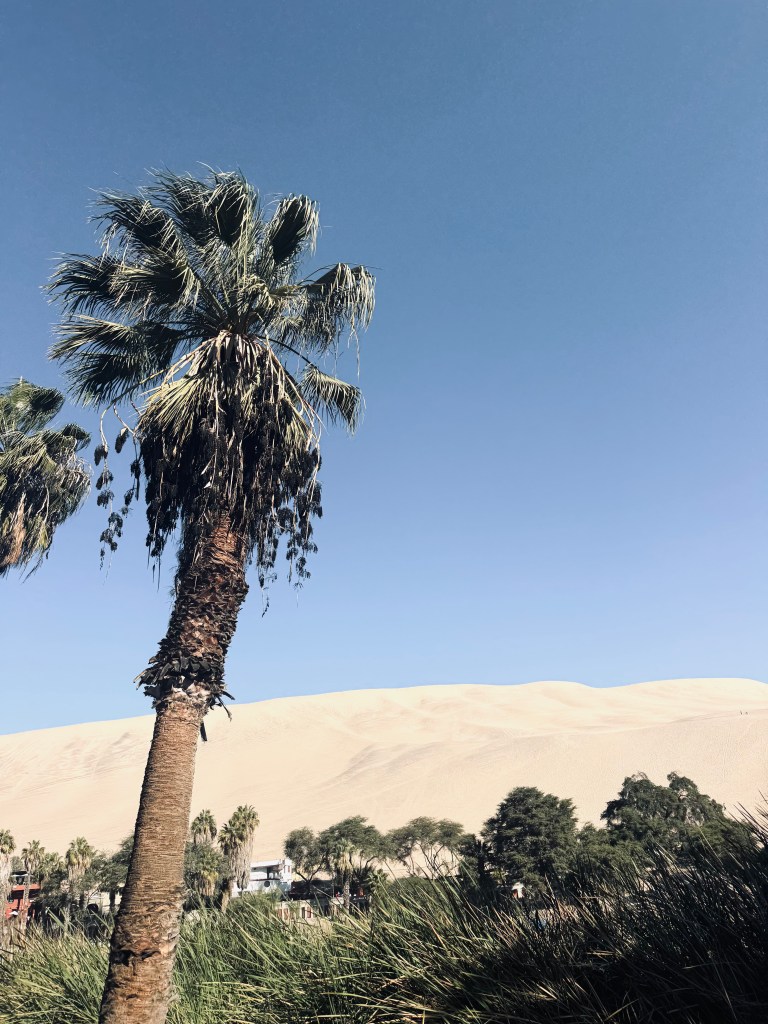
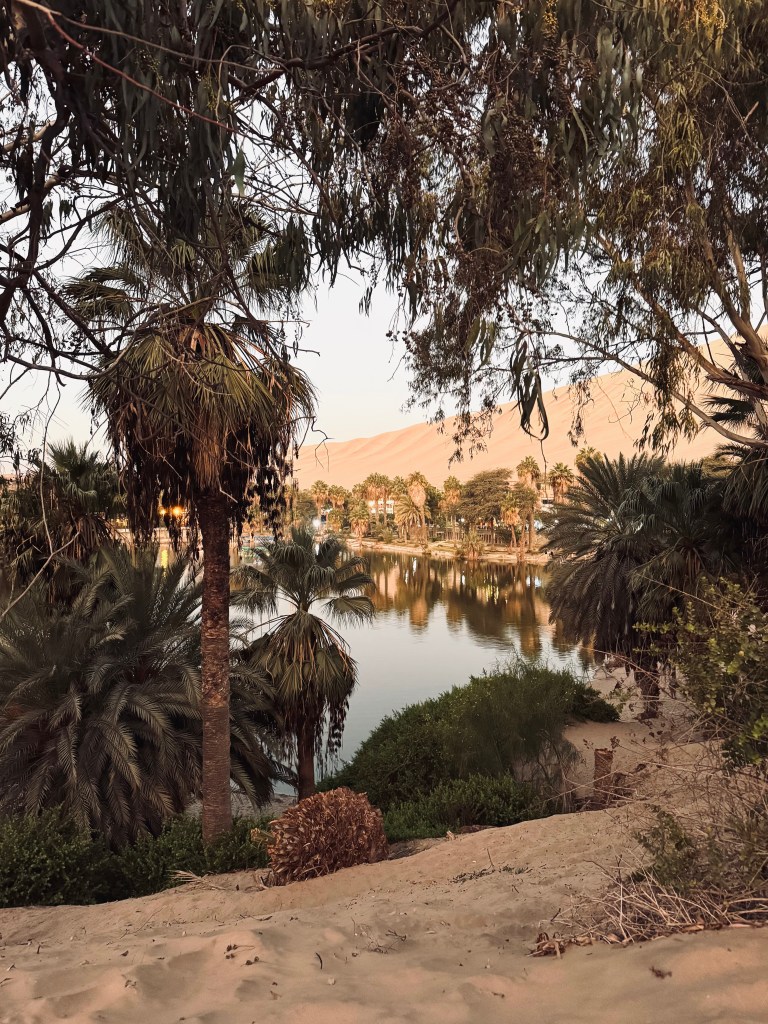
Dune Buggy & Sandboarding in Huacachina
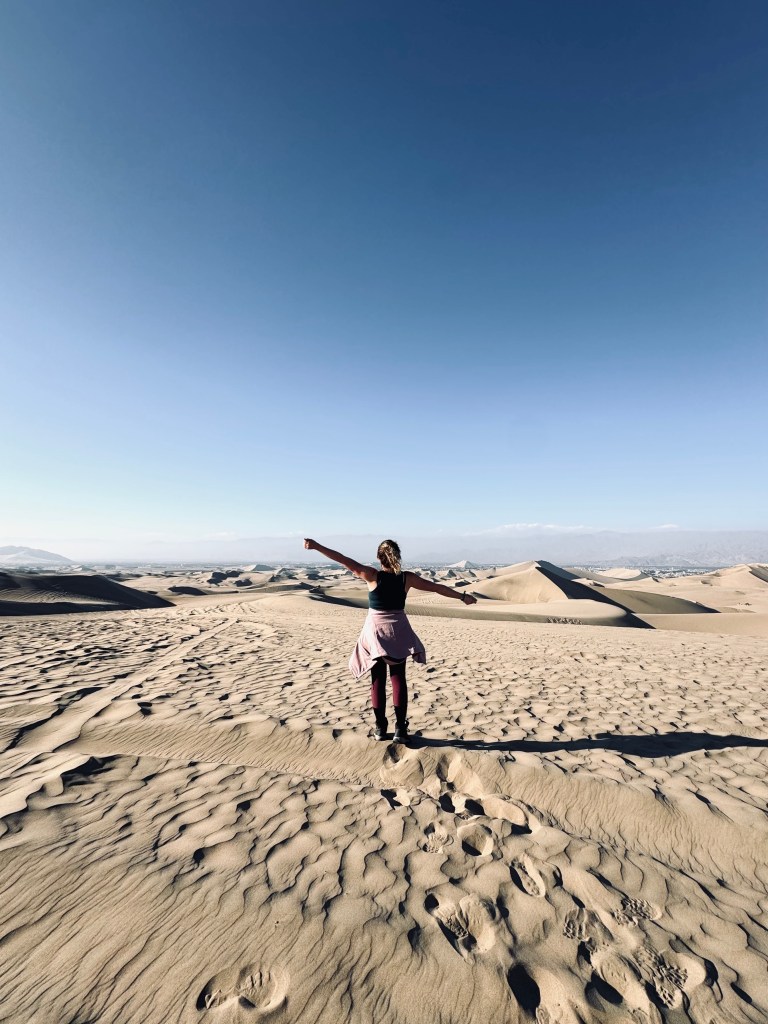
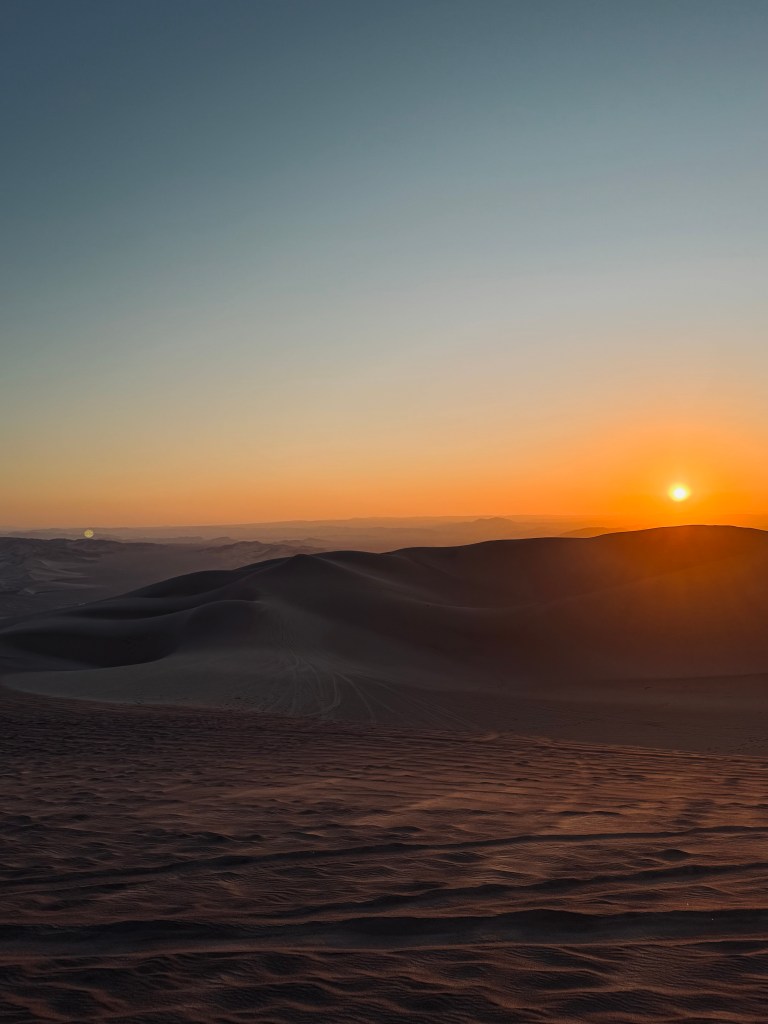
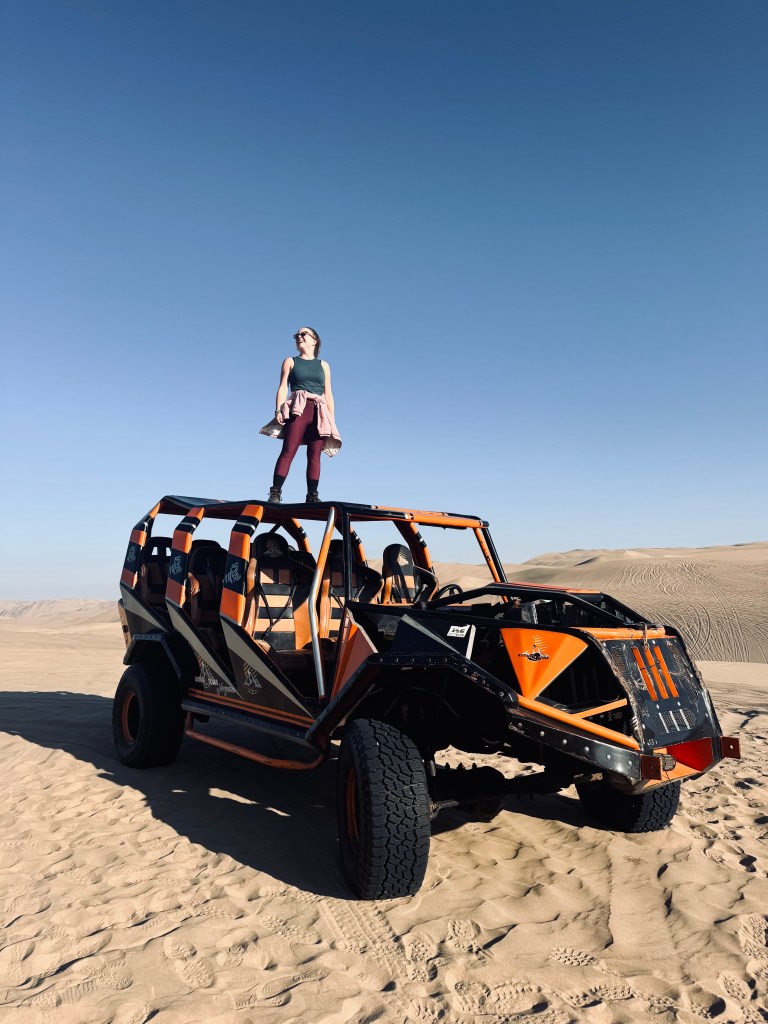
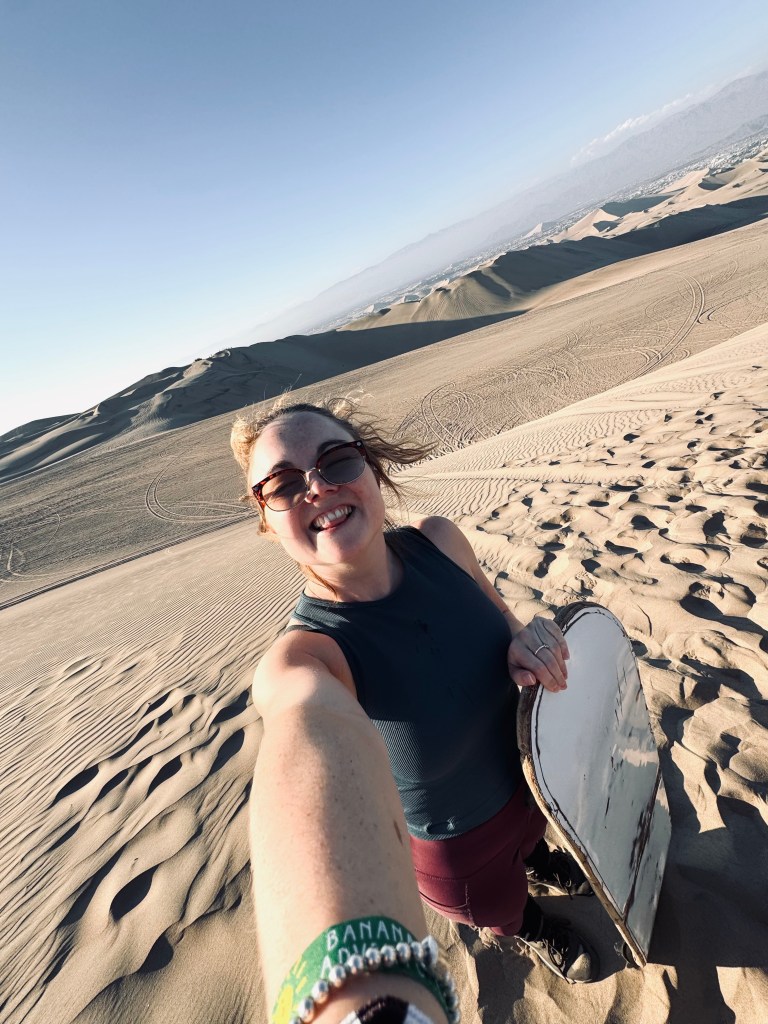
Once you arrive in Huacachina, it’s time to dive straight into adventure with a dune buggy and sandboarding tour. While the steep dune drops may feel terrifying at first, the rush is unbeatable – and watching the sun sink into the desert horizon was one of the most epic sunsets of my trip.
Where to Stay in Huacachina
Accommodation Recommendations:
Luxury: Senoma Hotel
Mid-Range: Hotel Las Flores
Budget: Viajero Huacachina Hostel
Day 6: Huacachina → Nazca → Arequipa
Today is all about seeing more of Peru’s incredible landscapes while making your way toward the southern city of Arequipa. Start the day with the Peru Hop bus from Huacachina to Nazca, a journey that takes you through desert vistas and small towns along the Pan-American Highway.
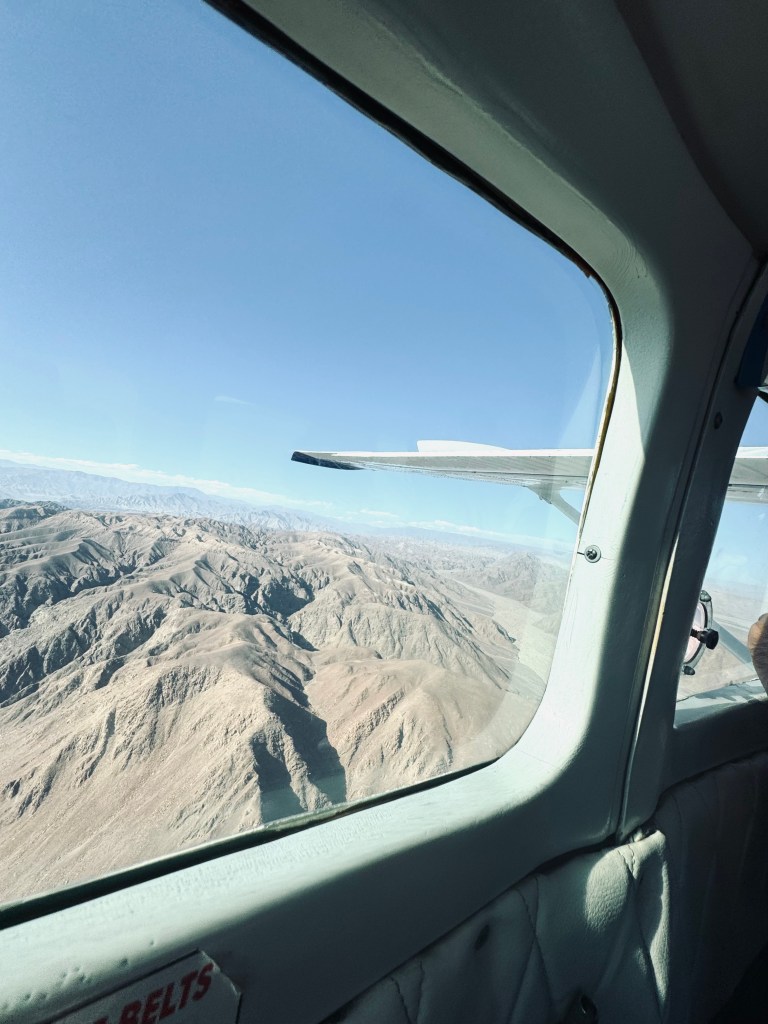
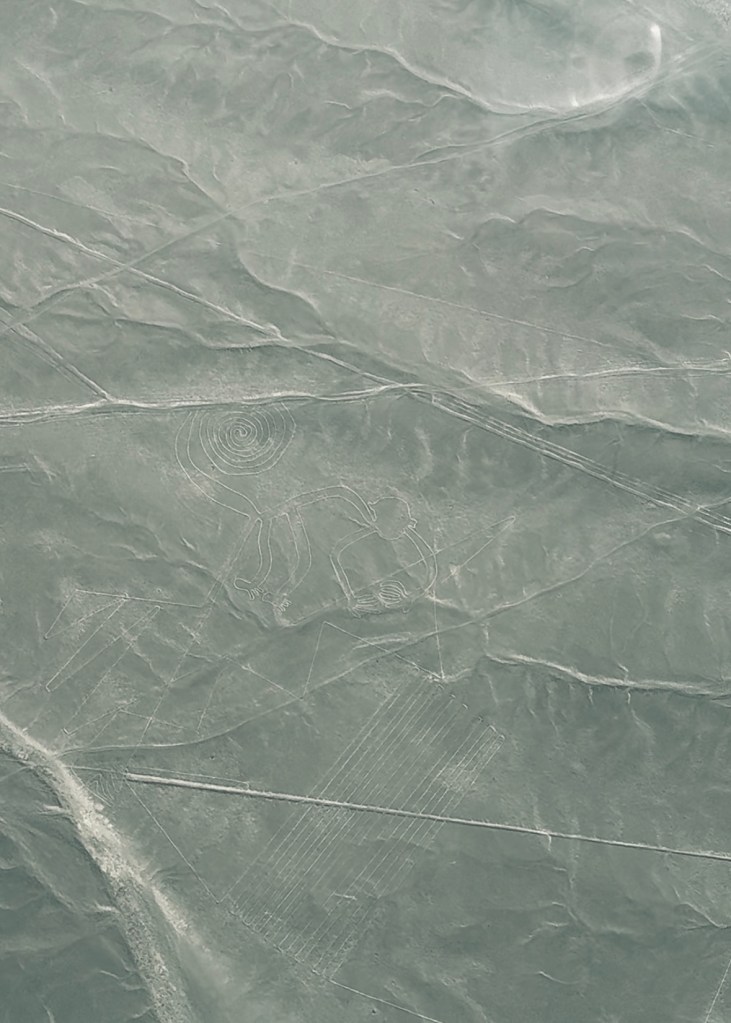
Once you arrive in Nazca, there’s a quick stop at the Nazca Lines observation tower. From here, you can see some of the famous geoglyphs carved into the desert floor – including the iconic “lizard”. While it’s cool from the tower, I’d definitely recommend taking a Nazca Lines flight if your budget and timing allow. Seeing these mysterious giant figures from the air is one of those “when in Peru” moments that you won’t want to miss.
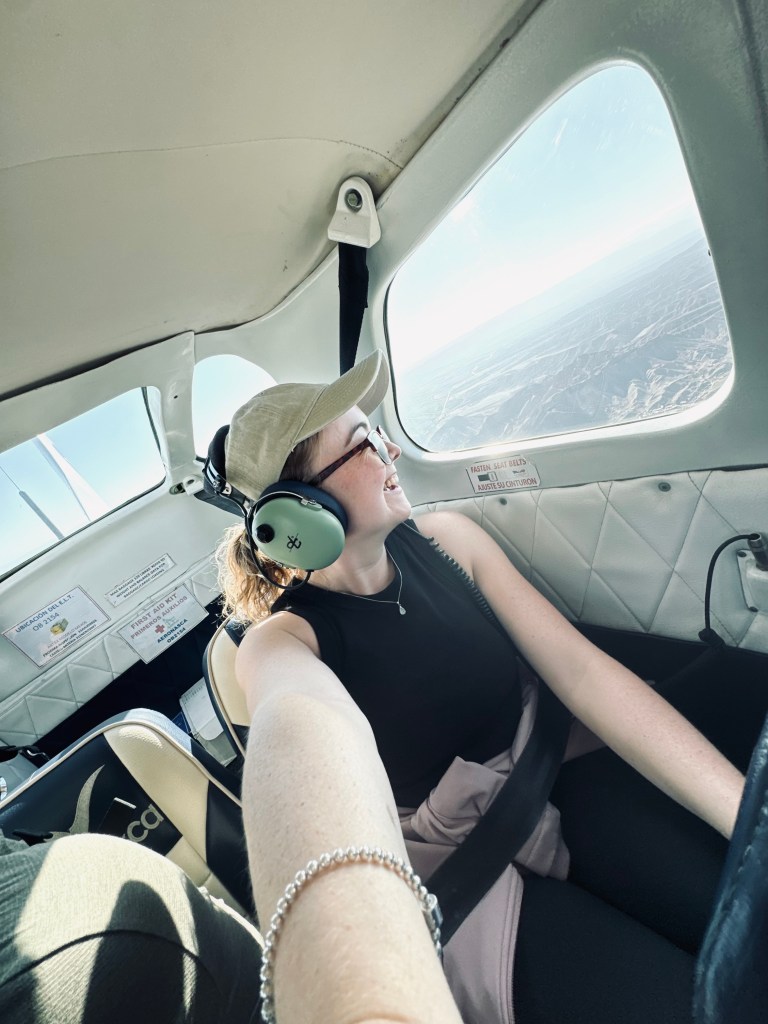
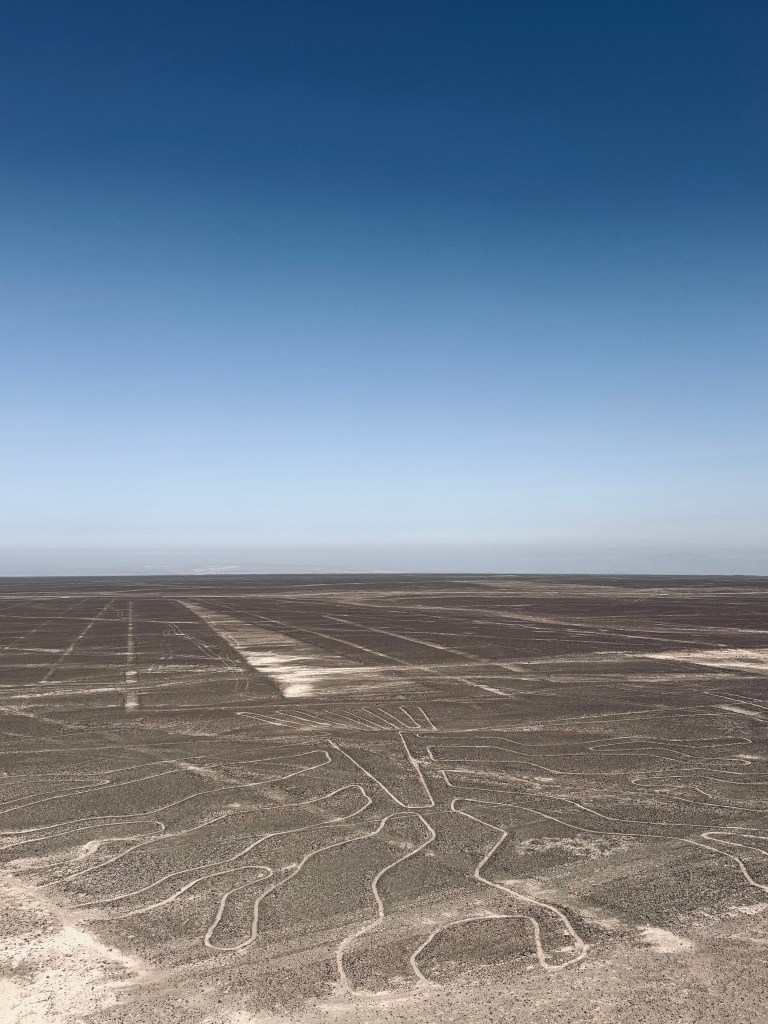
After marveling at the Nazca Lines, it’s time to settle in for the next leg of your journey: the long overnight bus ride to Arequipa. Peru Hop makes this easy, but prepare yourself for about 12 hours on the road, winding through desert and highland landscapes. You’ll arrive in Arequipa around 5:00 am, just in time to catch the sunrise and start exploring the “White City.”
While the bus ride is long, the busses are very comfortable, and having this stretch done overnight means you’ll wake up ready to dive into Arequipa without wasting a daytime transit. Would I do an overnight bus again? Probably not as I had a terrible sleep… but this is one of the best ways to avoid altitude sickness as travelling by bus means you are gradually gaining altitude, allowing you body to adjust better than by quick transition by flying. So… pros and cons.
Day 7: Arequipa
After a long overnight ride, you’ll roll into Arequipa around 5am – a little bleary-eyed but excited to be in Peru’s famous “White City”. If your hotel allows early check-in, go for it (there’s nothing better than sneaking in a nap and hot shower after a night bus!). But if not, don’t worry – you can usually leave your bags and head out to enjoy the calm, sleepy streets before the city really wakes up.
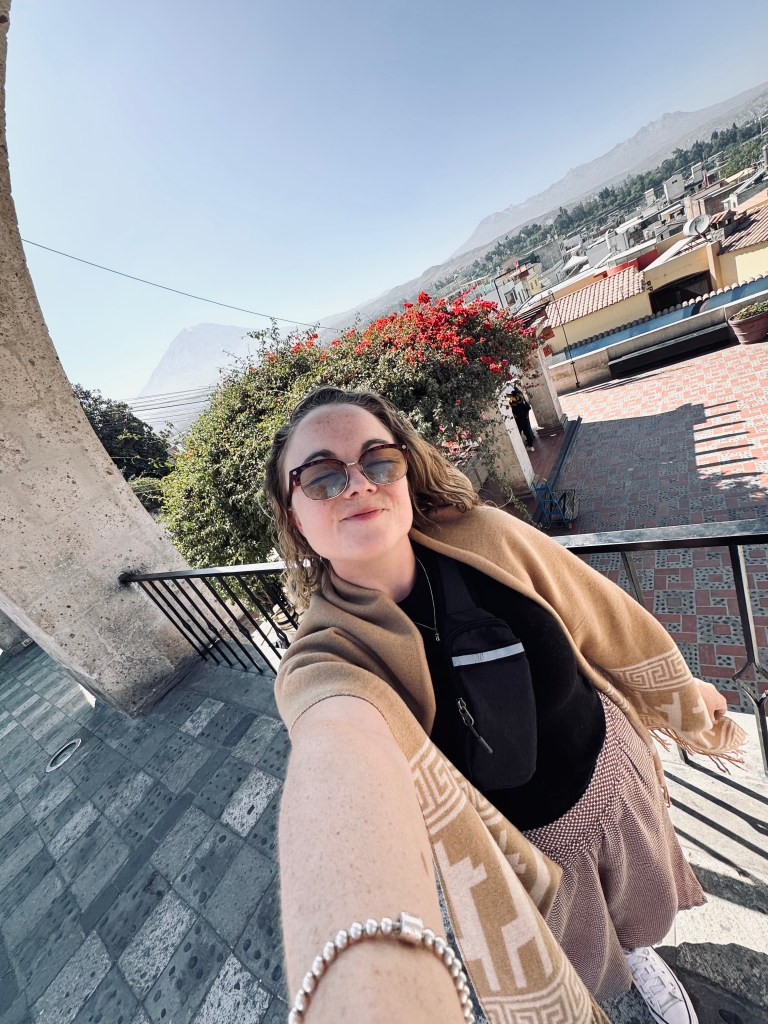
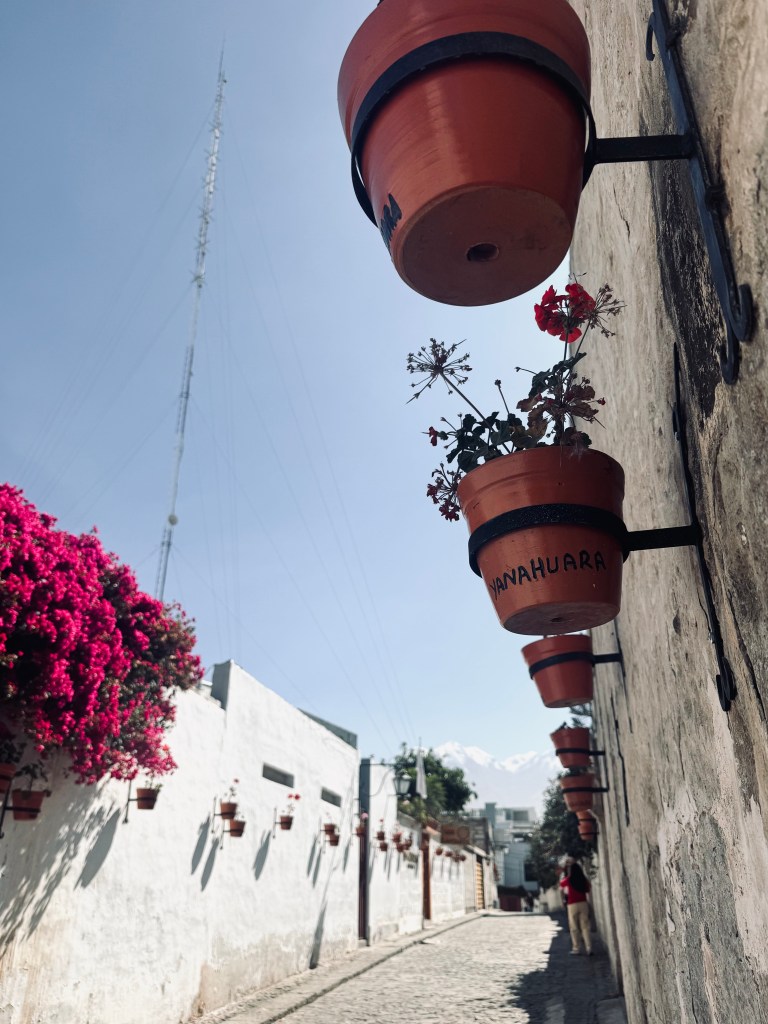
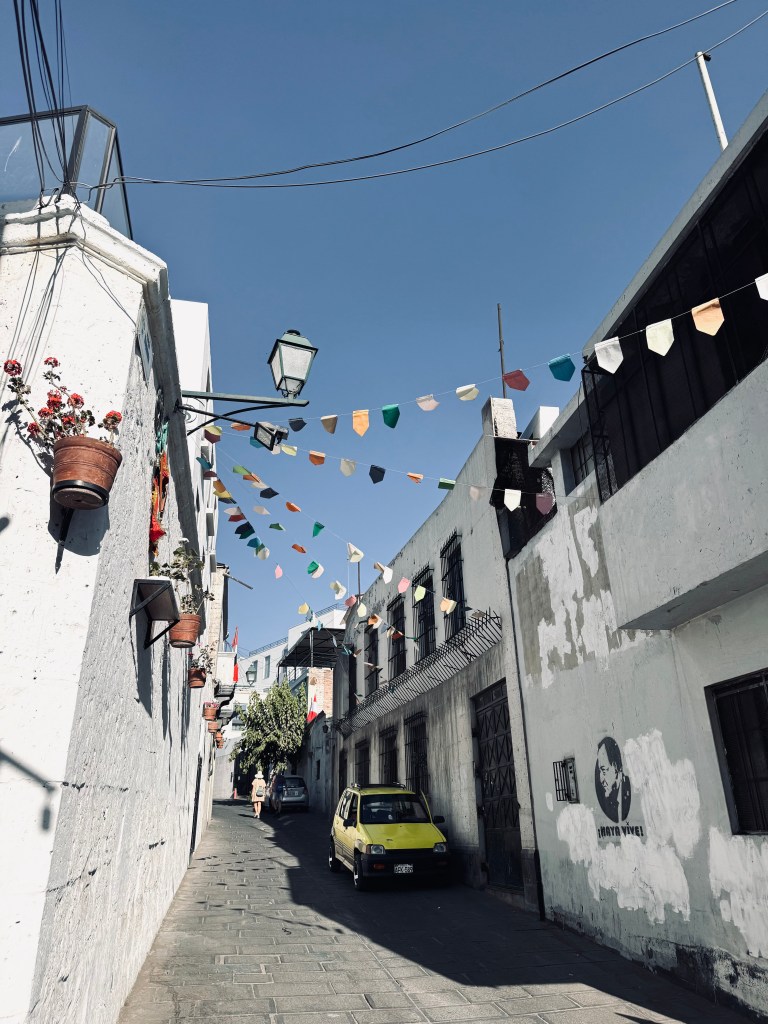
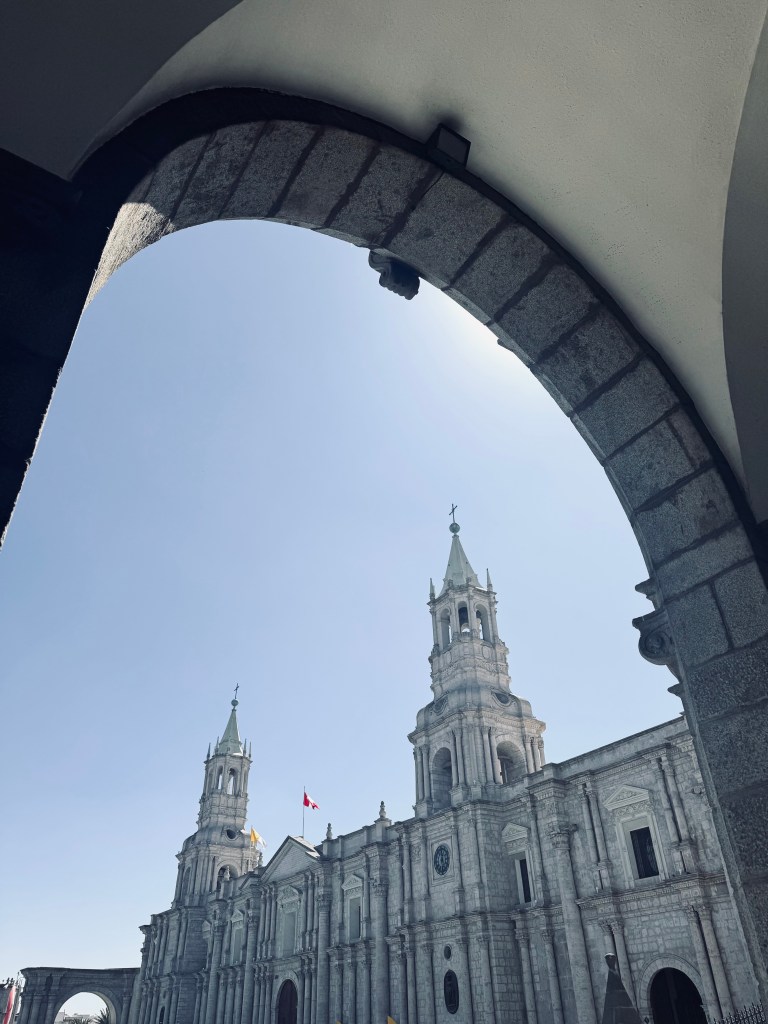
One of the best ways to kick off your acclimatising day is with a quiet stroll through the historic district. The colonial architecture here is stunning – think grand plazas, white volcanic stone buildings, and hidden courtyards. I made my way up to the Yanahuara Lookout, which turned out to be one of my favorite moments of the trip. Watching the sunrise paint Mt. Misti volcano in golden light was pure magic.

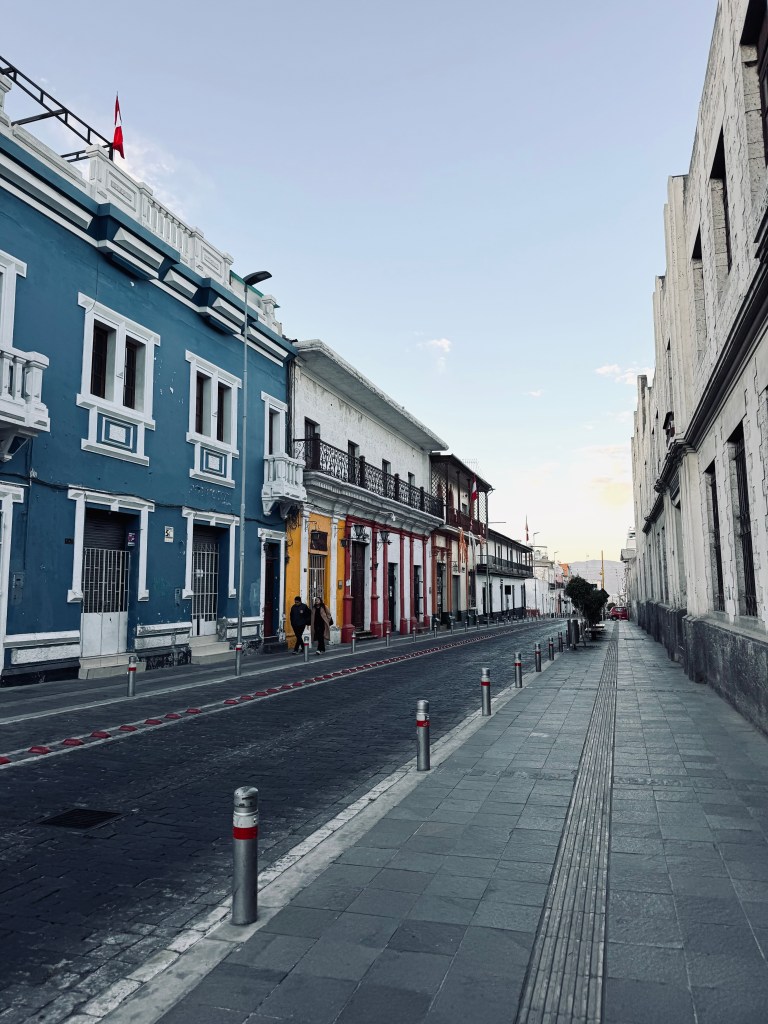
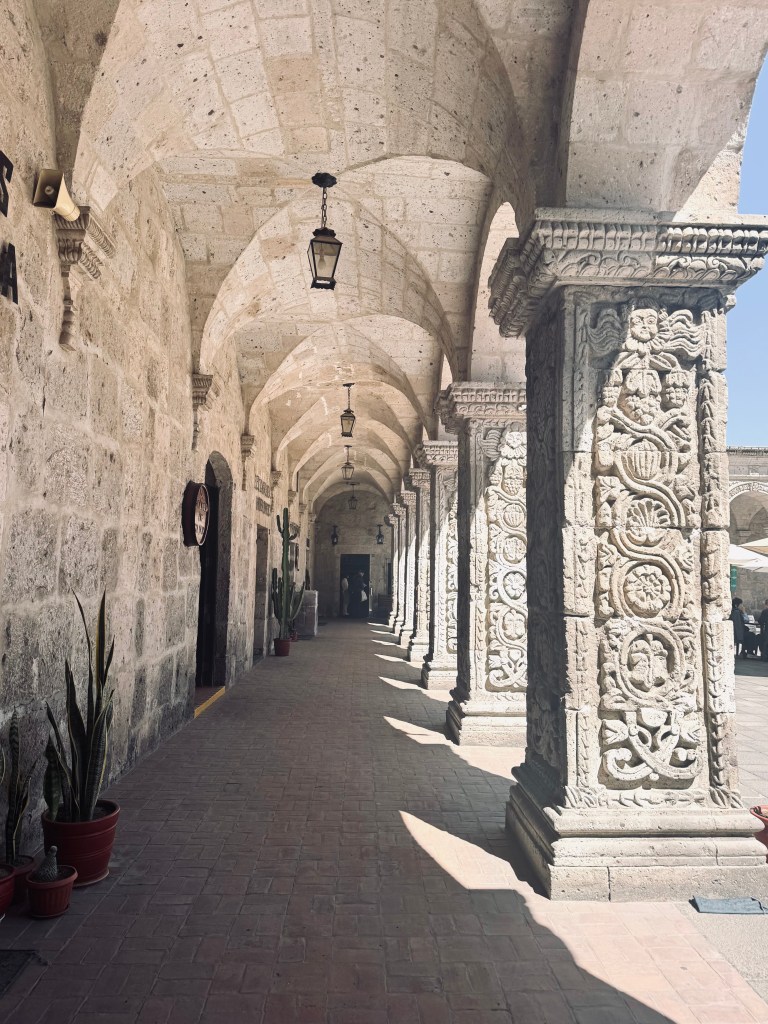

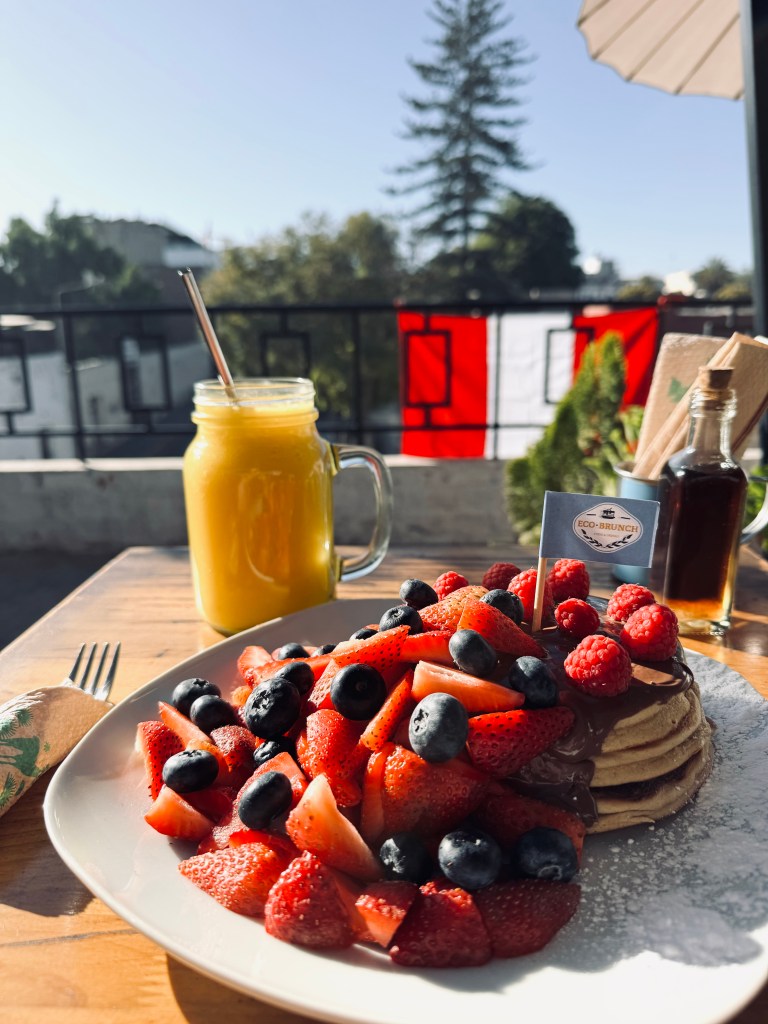
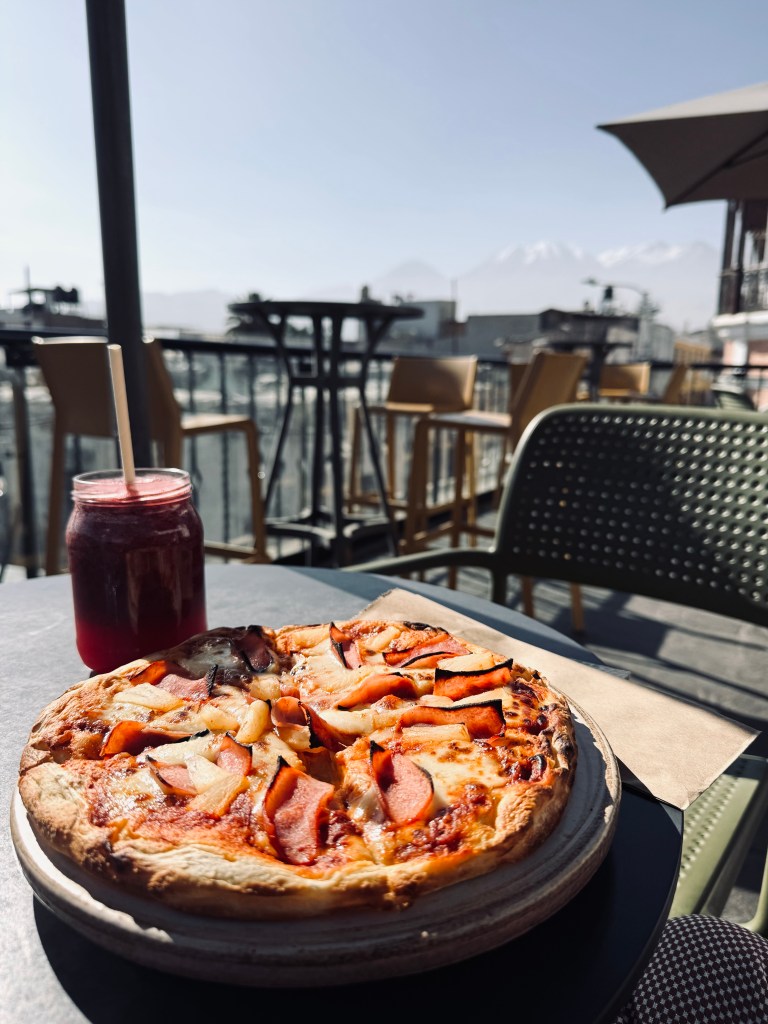
By then, I was definitely ready for food, and I cannot recommend Eco Brunch enough. Their pancakes are next-level – fluffy, huge, and absolutely worth the hype. After fueling up, I finally checked into my hotel and dedicated the rest of the day to taking it slow. Arequipa sits at 2,300m, so it’s important to take it slow for a few days before heading to Colca Canyon or Cusco which are at higher altitudes.
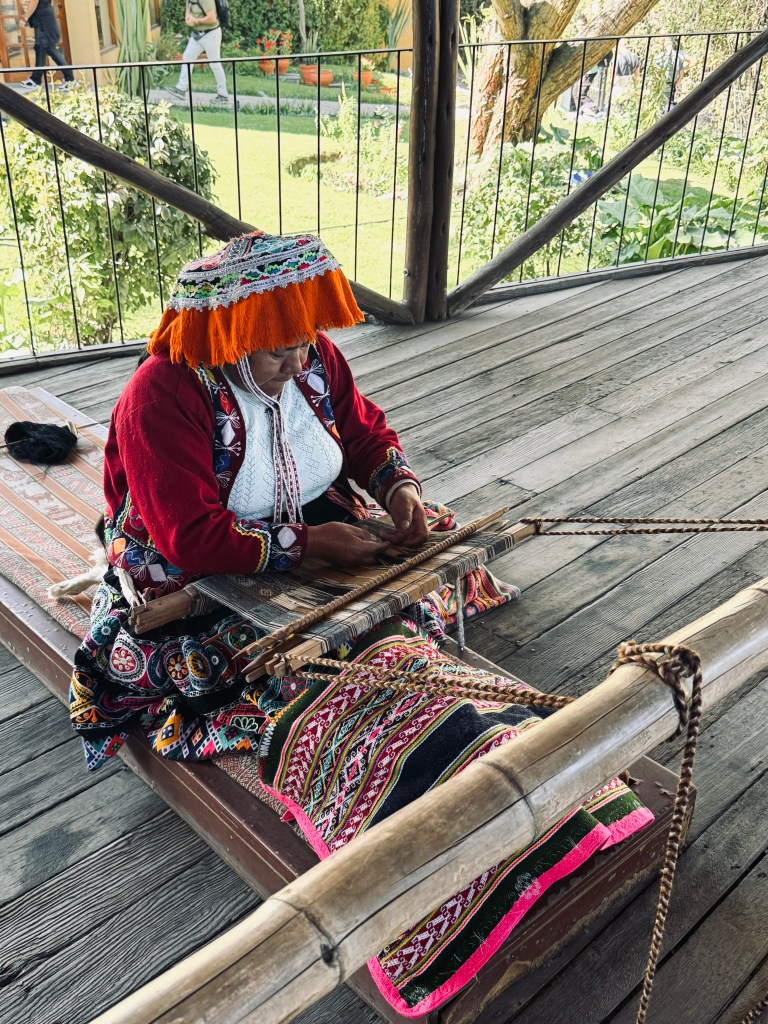
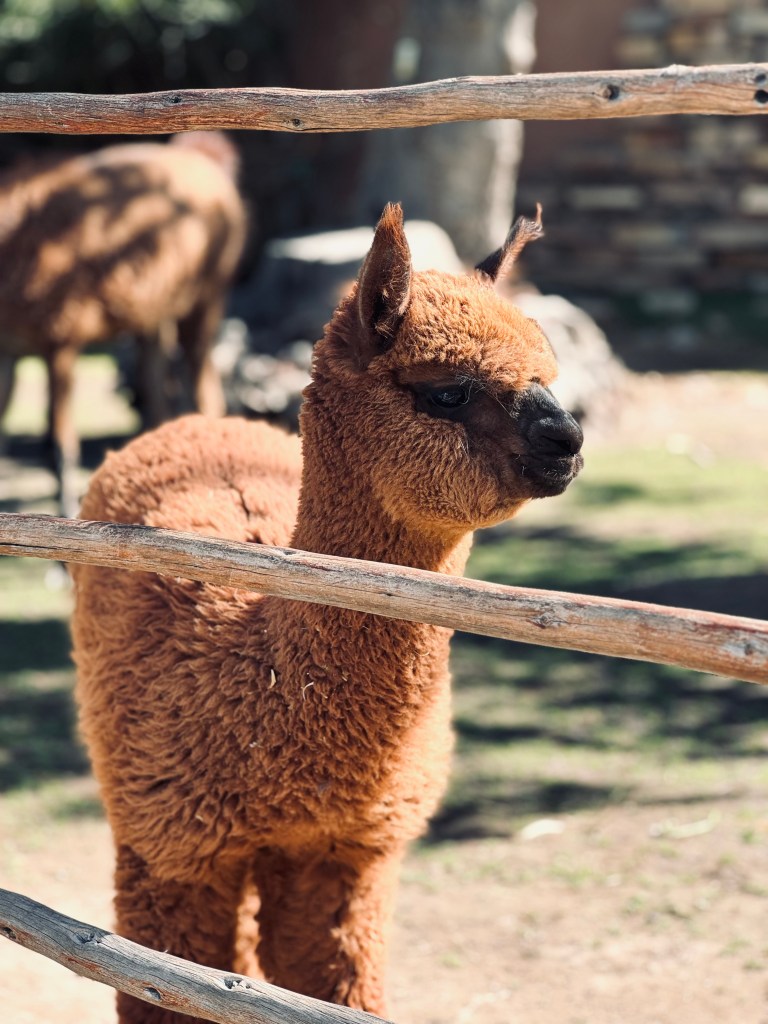
I spent the afternoon wandering at a leisurely pace, sipping coffee in sunny courtyards, popping into Mundo Alpaca to say hi to some alpacas and learn about the production process of alpaca wool and then enjoying dinner on one of the rooftop terraces overlooking the Plaza de Armas before calling it an early night.
Where to Stay in Arequipa
Accommodation Recommendations:
Luxury: Katari Hotel at Plaza de Armas
Mid-Range: Plaza Central
Budget: Viajero Arequipa Hostel
Day 8: Arequipa – Ruta Del Sillar Day Trip
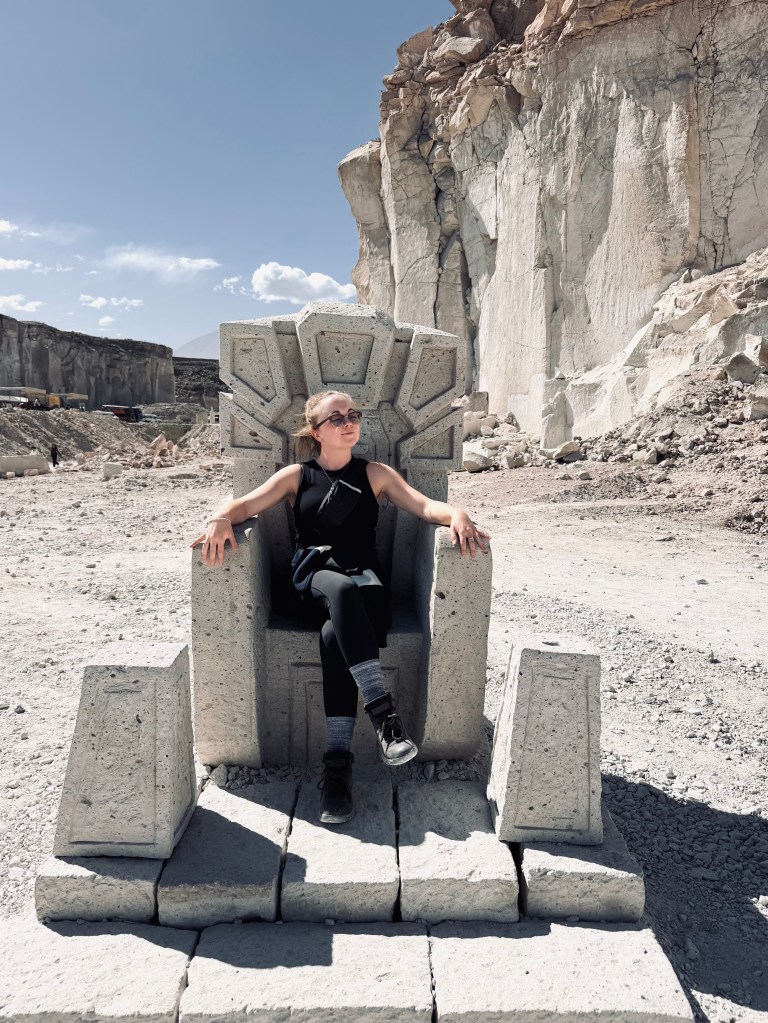
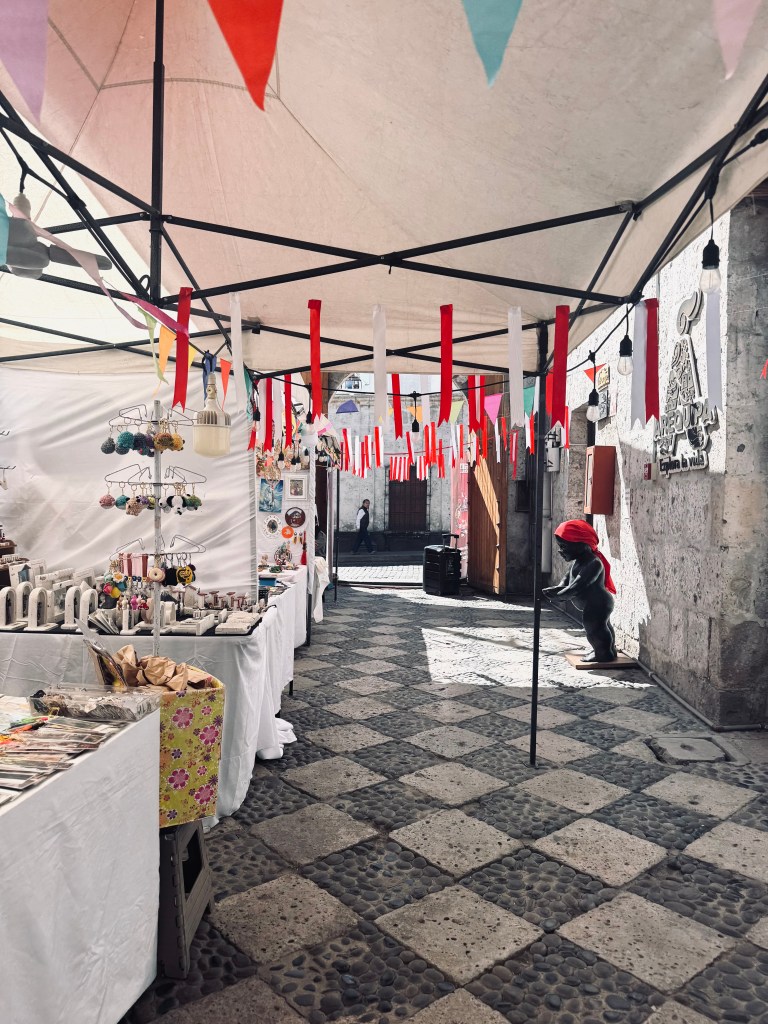
While acclimatizing in Arequipa before tackling Colca Canyon, I opted for a half-day tour to Ruta del Sillar, the famous white volcanic stone quarries that gave Arequipa its nickname, La Ciudad Blanca (The White City). Walking through the dramatic landscapes of the sillar quarries was fascinating, especially seeing the intricate carvings etched into the stone by local artisans. The tour also included a stop at Culebrillas Canyon, a narrow volcanic gorge where you can spot ancient petroglyphs and enjoy stunning natural scenery just outside the city.
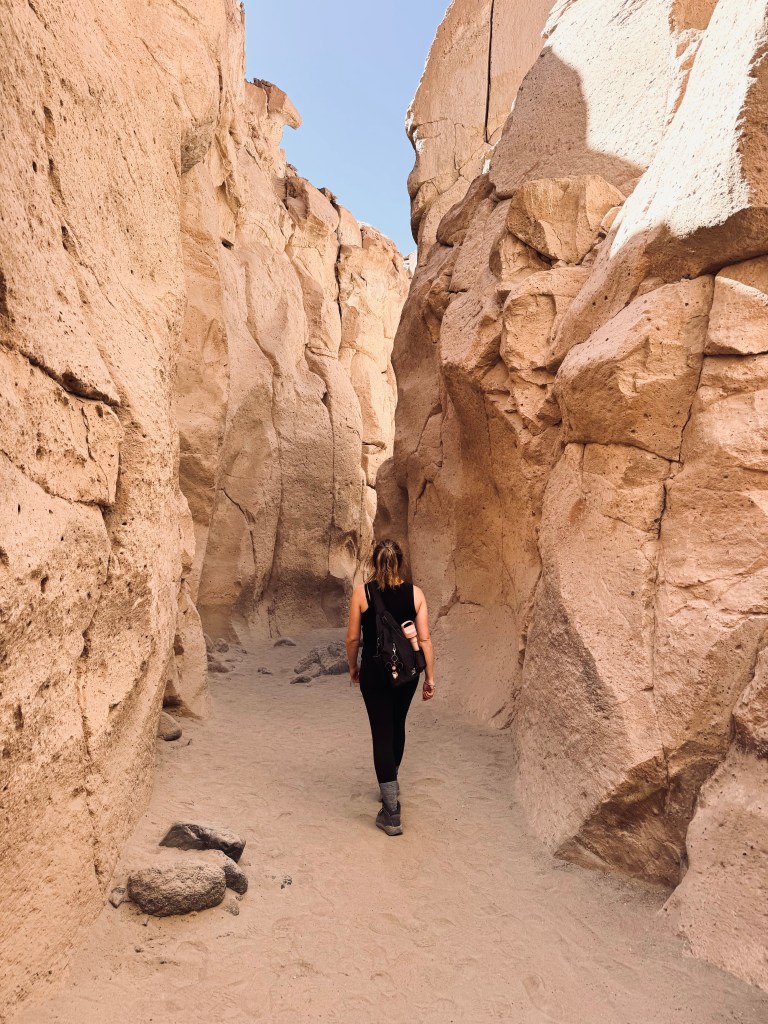

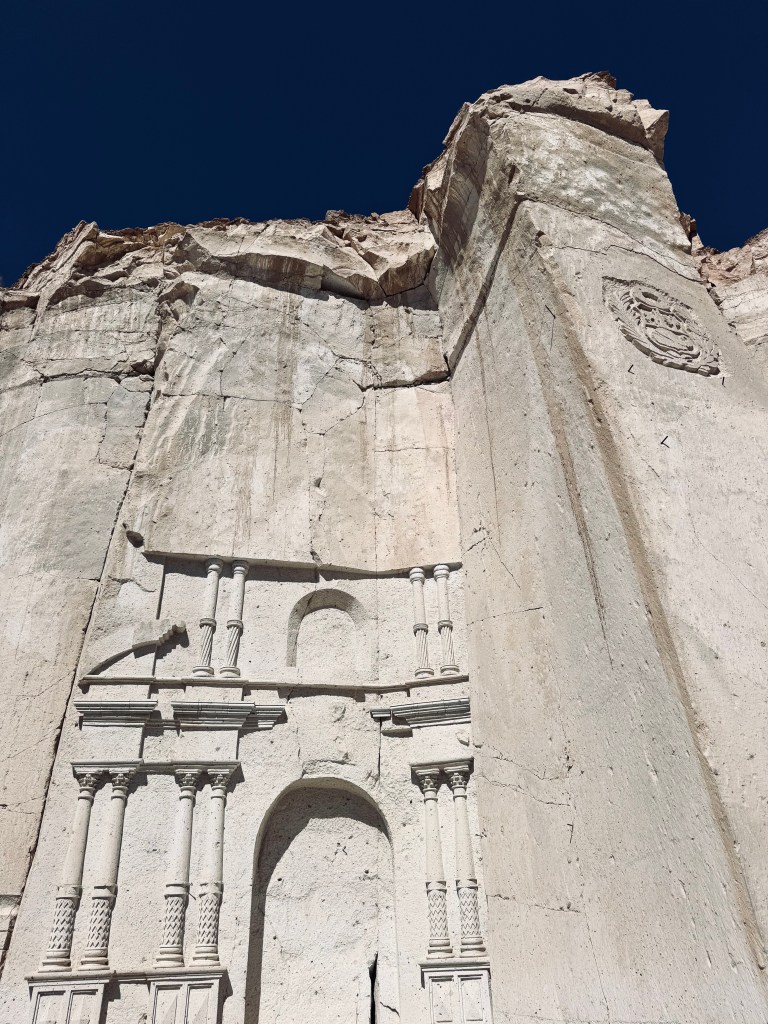
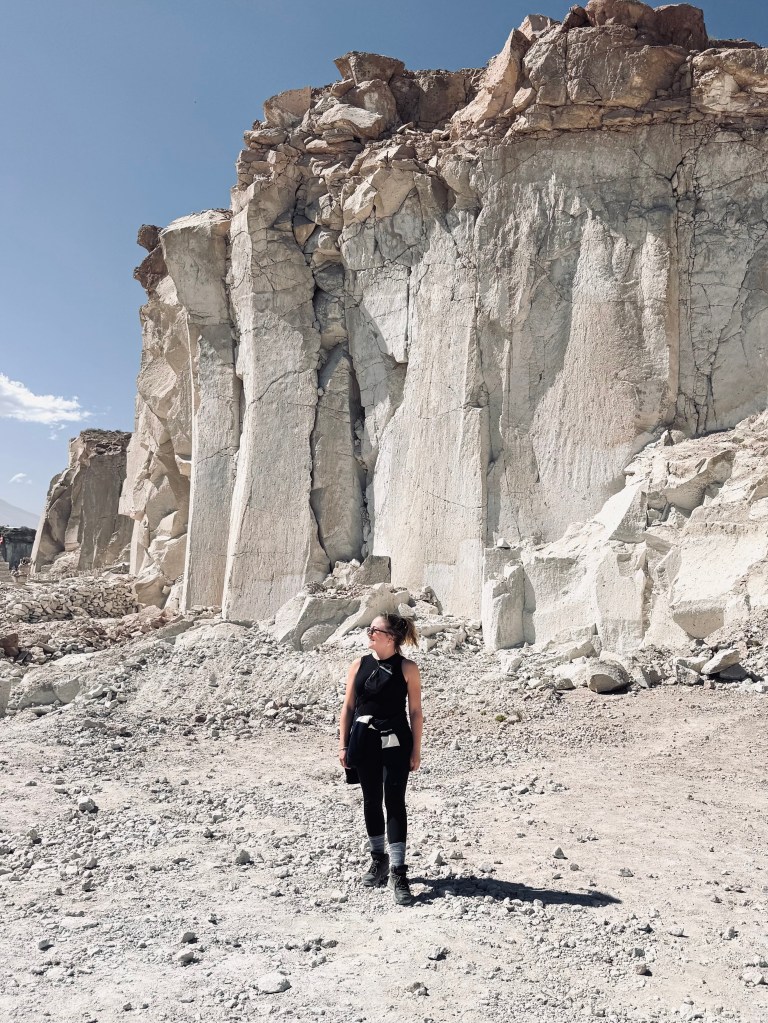
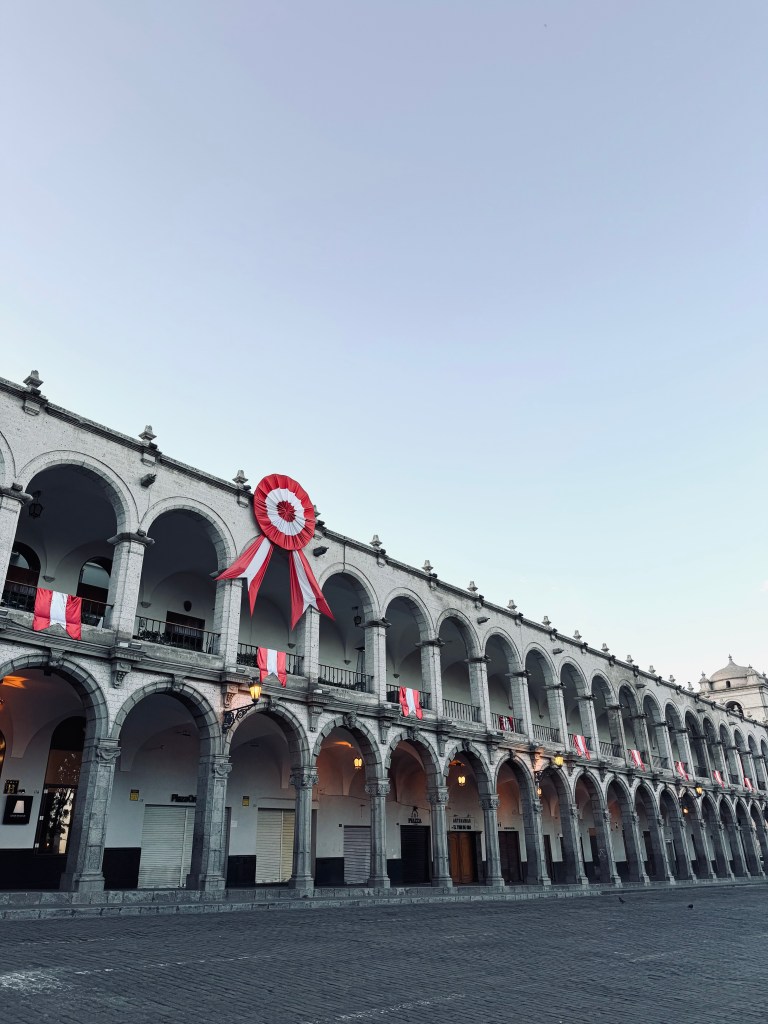
Back in Arequipa, I spent the afternoon wandering through the lively San Camilo Market – a great spot to try local snacks and fresh juices – before returning to the Plaza de Armas. With its colonial architecture and sweeping views of El Misti volcano, the plaza is especially beautiful at sunset and the perfect place to unwind before dinner.
Day 9: Colca Canyon
If you’re traveling through southern Peru, chances are you’ve heard whispers (or shouts) about the Colca Canyon – one of the deepest canyons in the world. It’s famous for its soaring Andean condors, breathtaking landscapes, and traditional highland villages. After visiting the Colca Canyon on my Peru trip, I can confirm: it’s all of that… and so much more.
While day trips from Arequipa are popular, I highly recommend booking an overnight tour if your itinerary allows. Spending the night in the canyon area gives you more time to soak up the scenery, unwind in hot springs, and really experience the magic without the “rush back to the bus” feeling. Honestly, if I could do it all over again, I’d slow it down even more – opting for the 2 or 3-day Colca Canyon Trek.
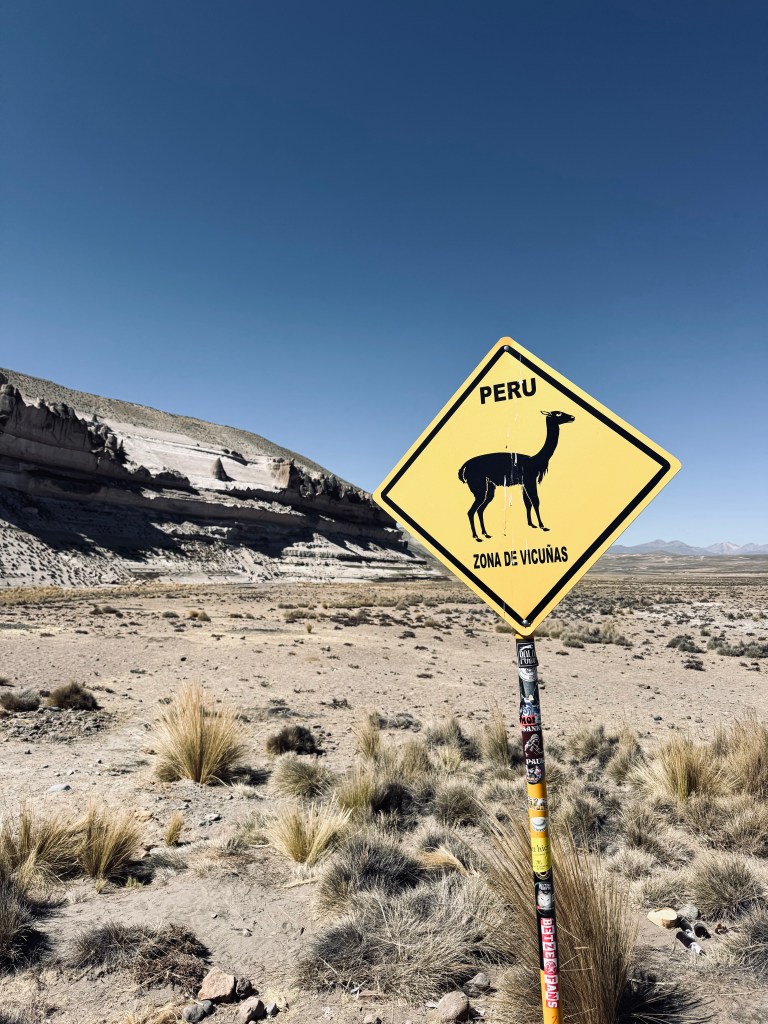
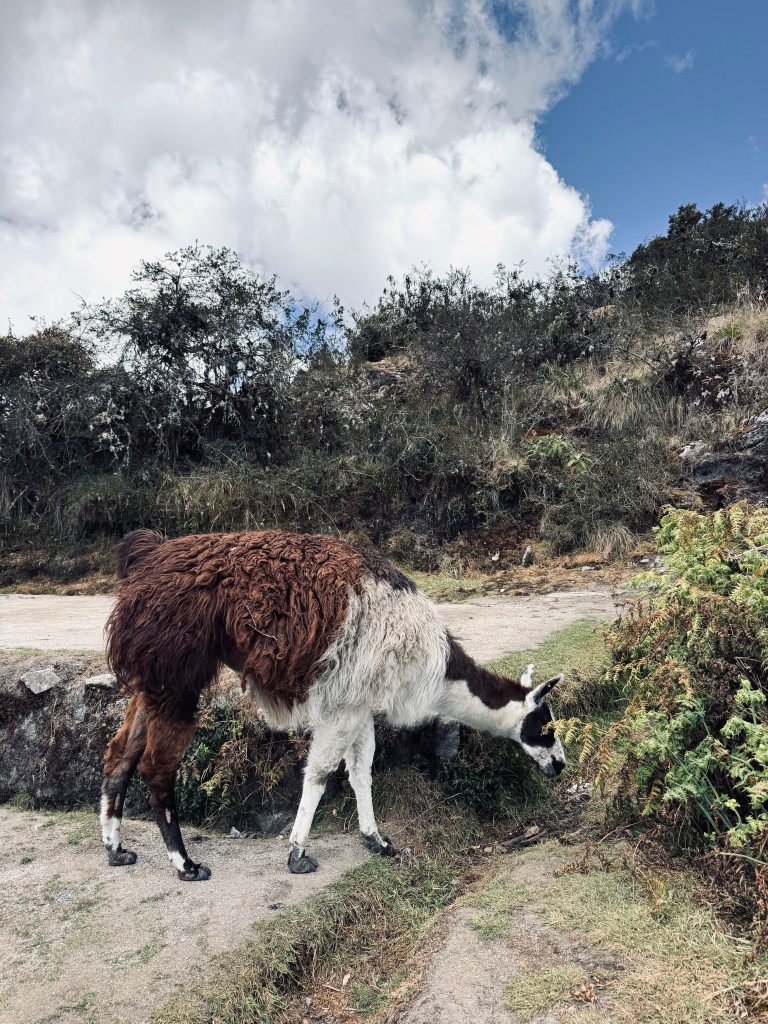
Your adventure kicks off early in the morning as you leave Arequipa behind. The landscapes shift dramatically – from dusty plains to rolling hills where vicuñas, llamas, and alpacas graze across the high-altitude puna grasslands.
Check out my Colca Canyon Packing Guide here!
Pampa Cañahuas National Reserve
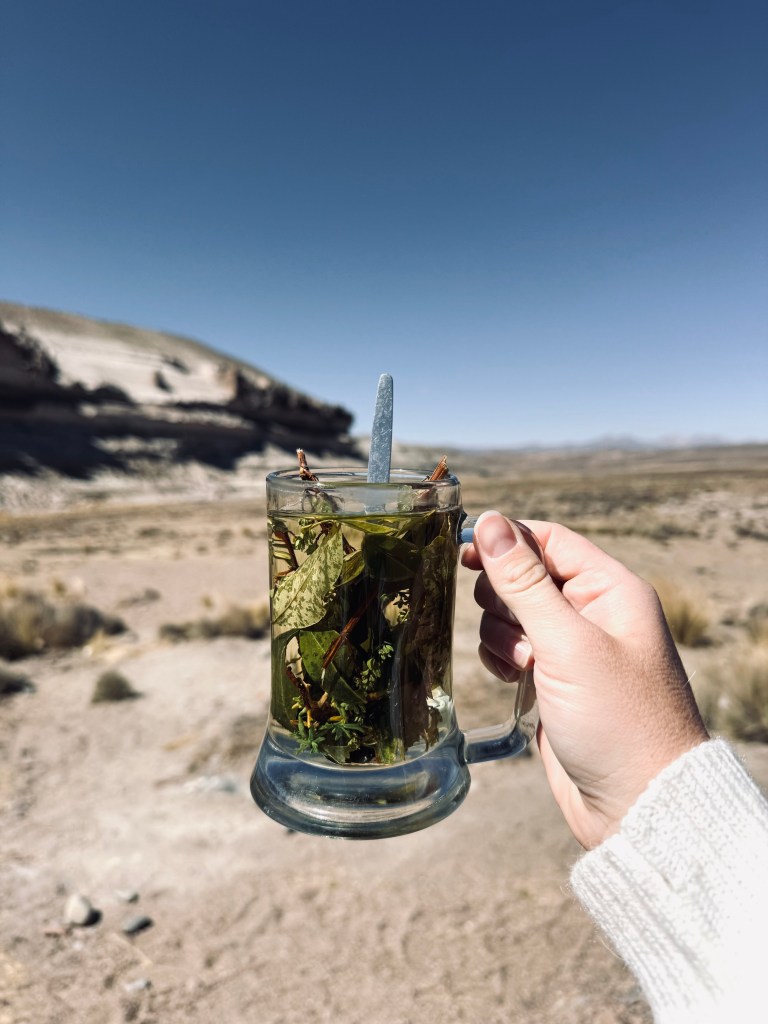
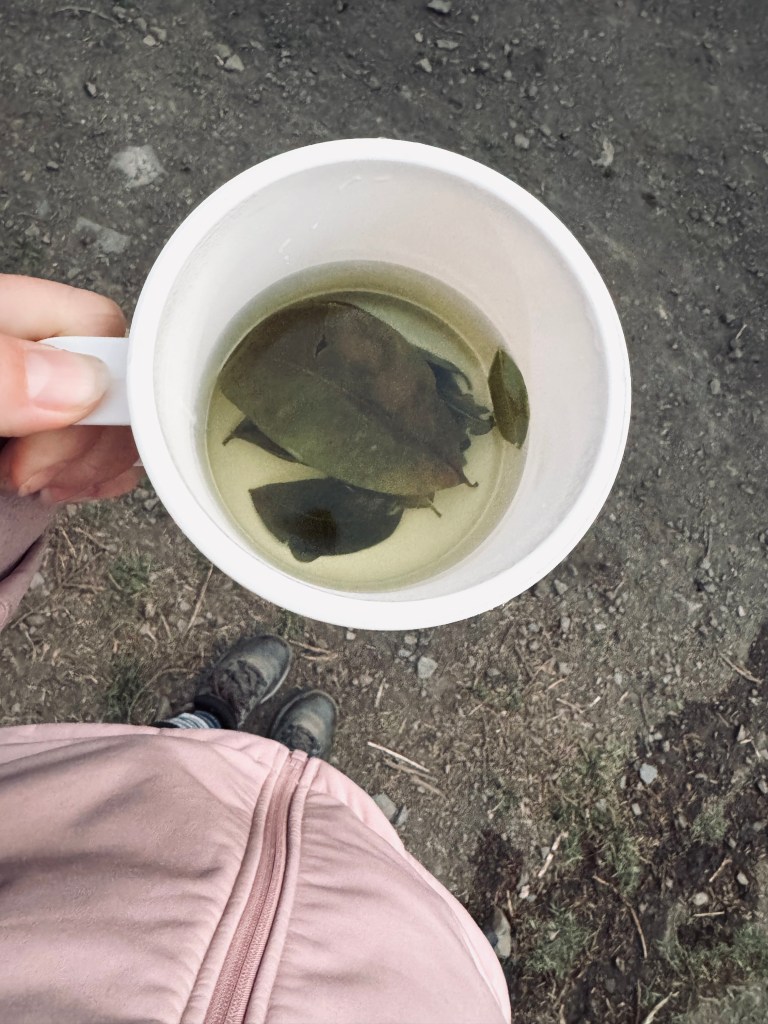
A stunning wildlife reserve where you can spot wild vicuñas against a backdrop of snow-capped volcanoes. Most tours stop here for a quick break with coca tea (or “Inca tea”) to help with the altitude.
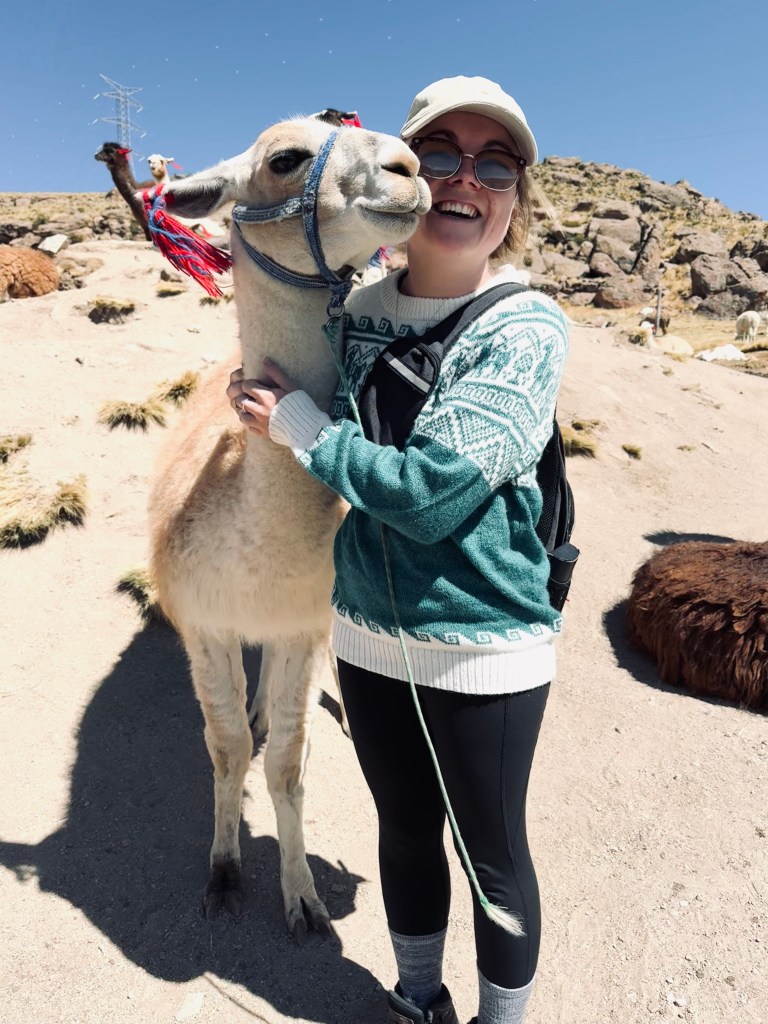
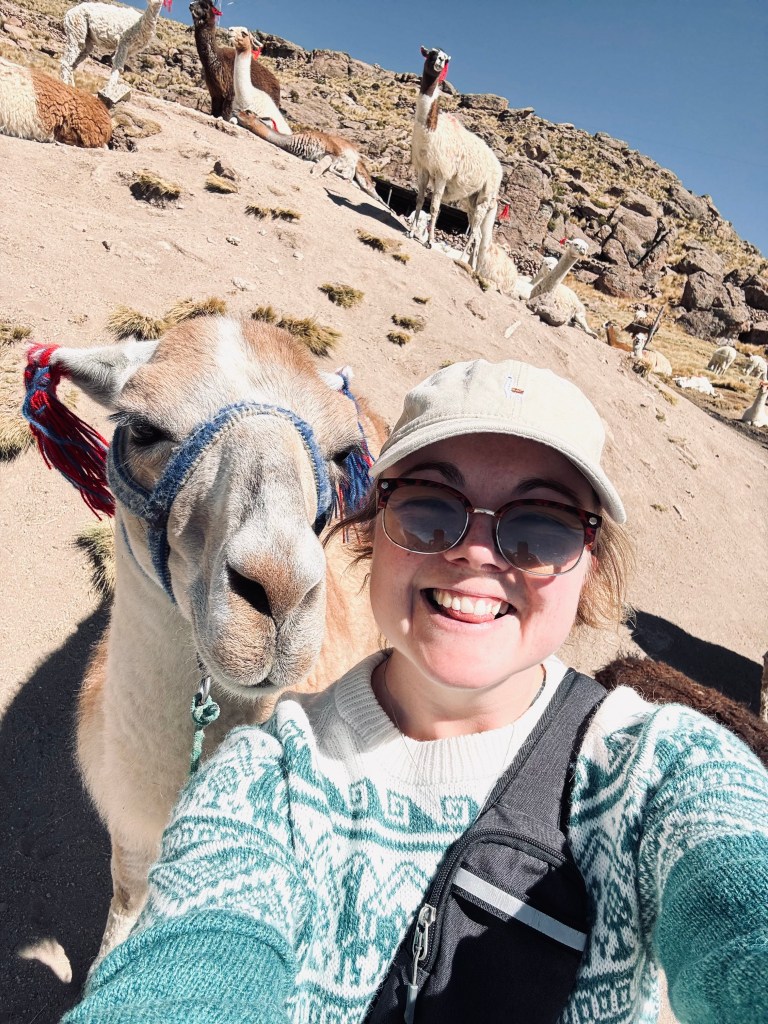
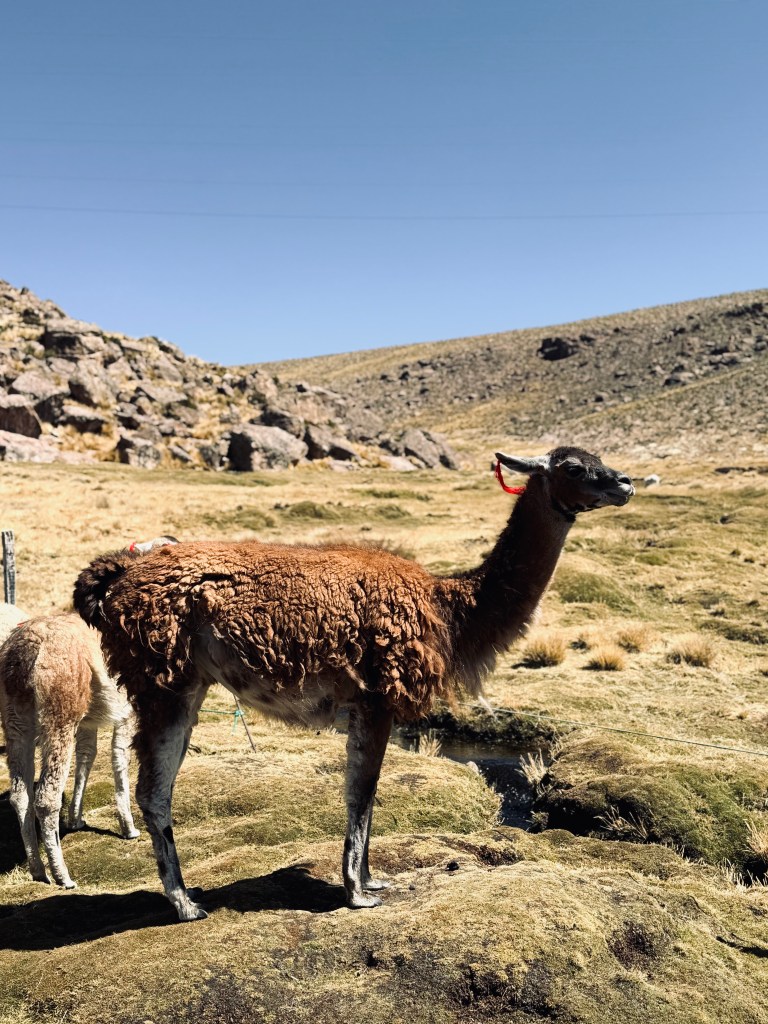
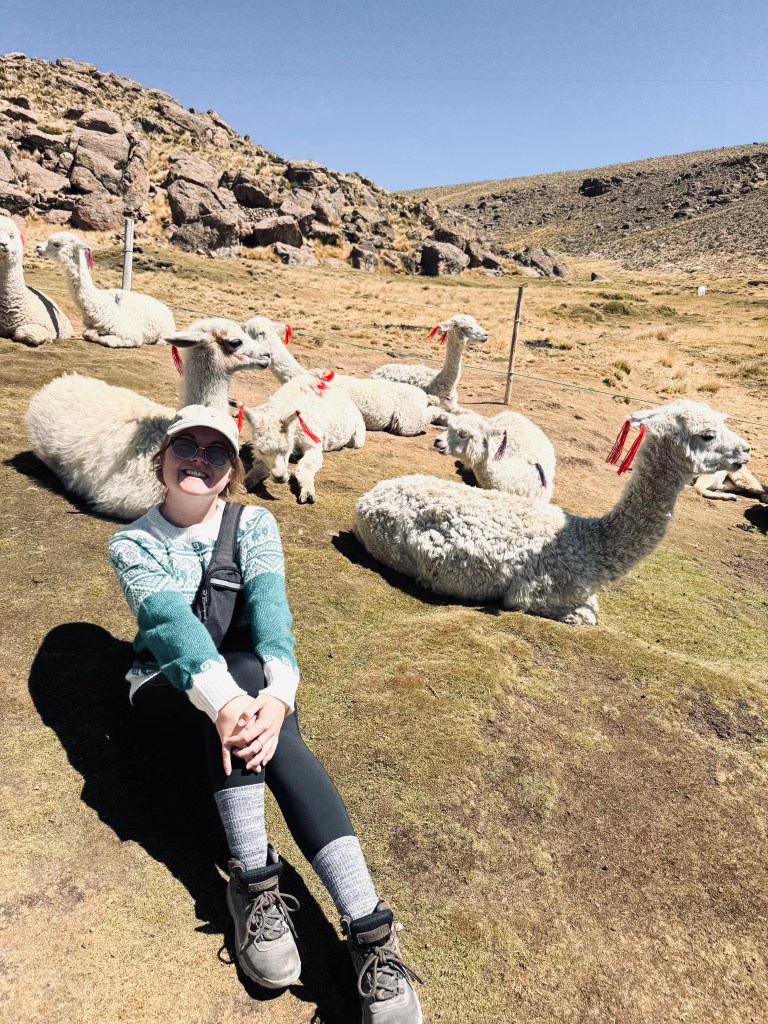
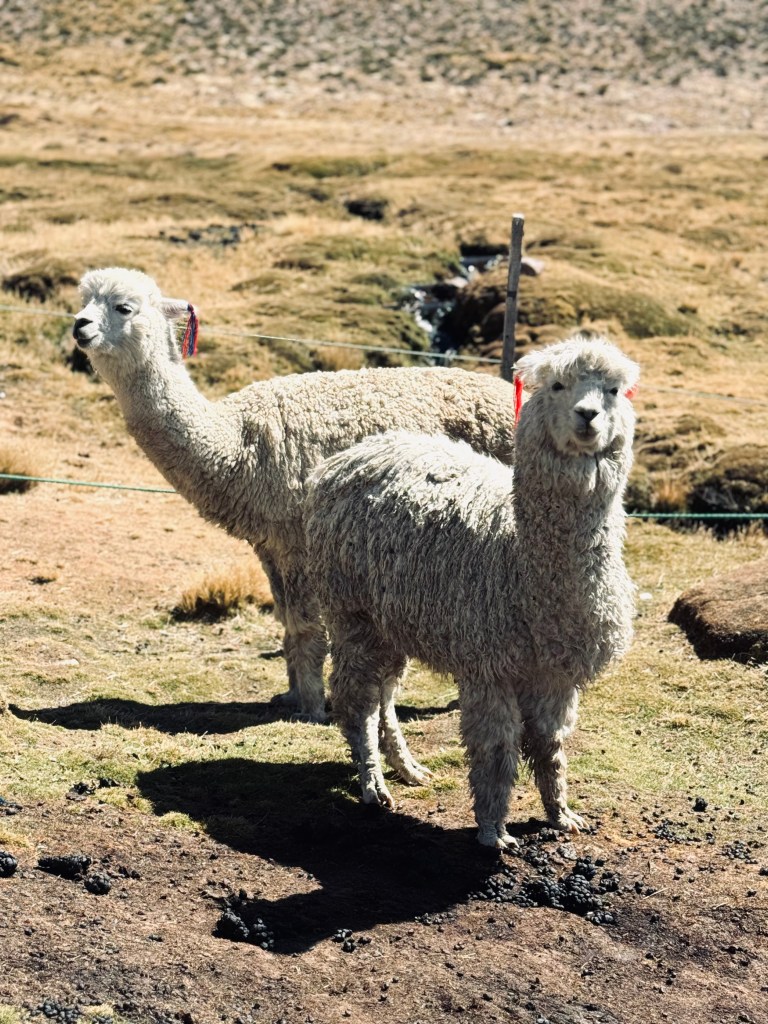
Llama Farm Stop
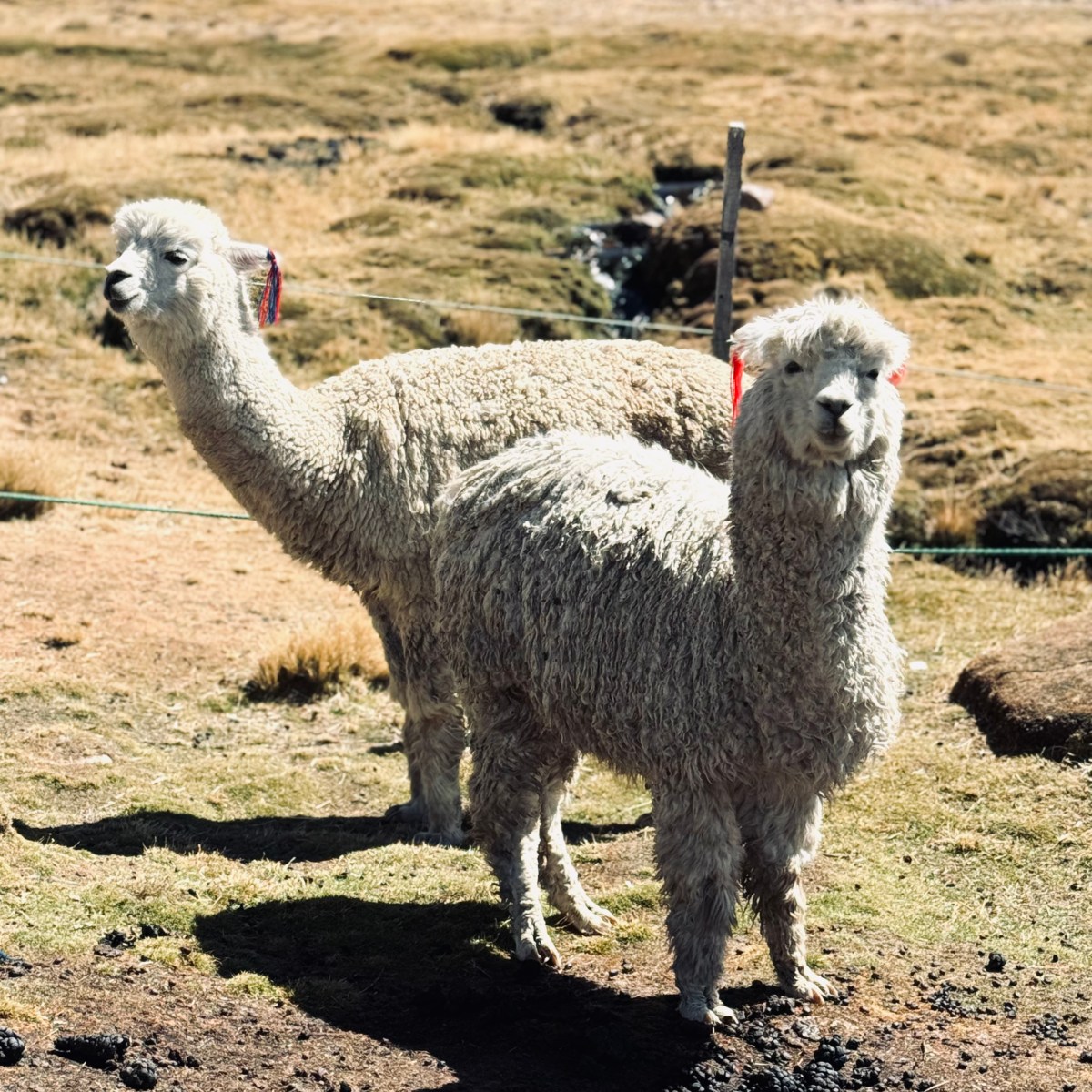
A chance to see llamas up close — and yes, snap that all-important llama selfie. Local farmers bring their herds together here for visitors, and while it’s a bit touristy, it’s still a fun experience.
Patapampa Pass
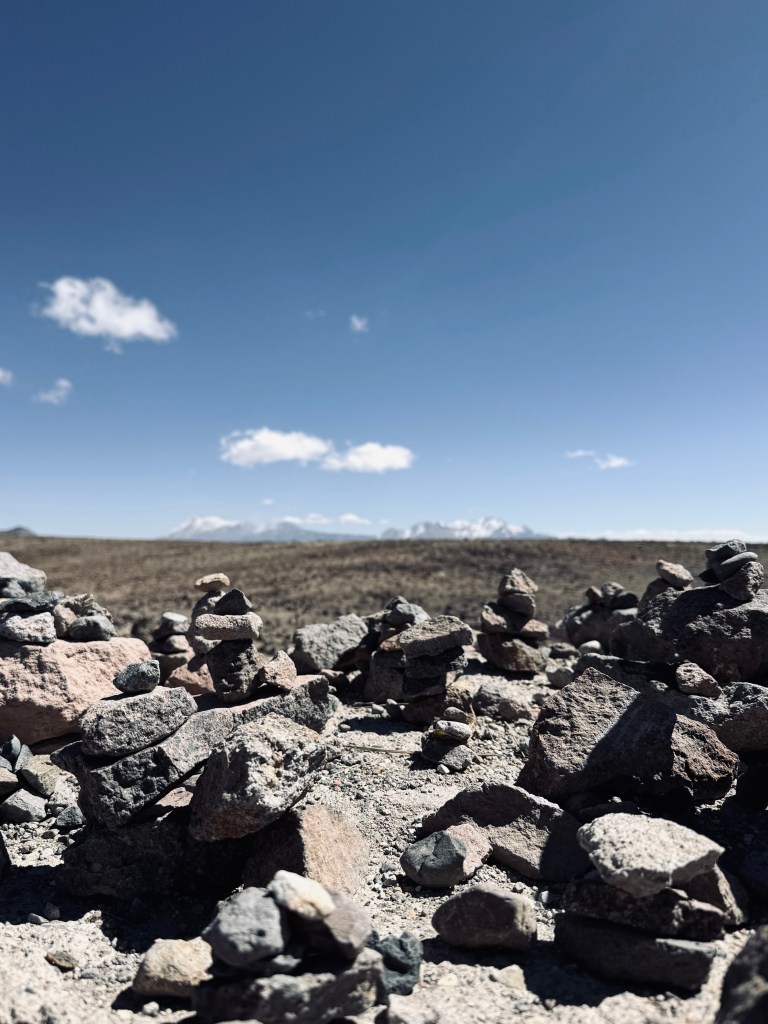
At a dizzying 4,910m (16,108 ft), this high mountain pass offers jaw-dropping views of Misti, Ampato, and Chachani volcanoes. Word of warning: take the altitude seriously. I thought I was acclimatized… but ended up fainting here (oops 🙈). Don’t be like me — chew those coca leaves!
Chivay + Hot Springs
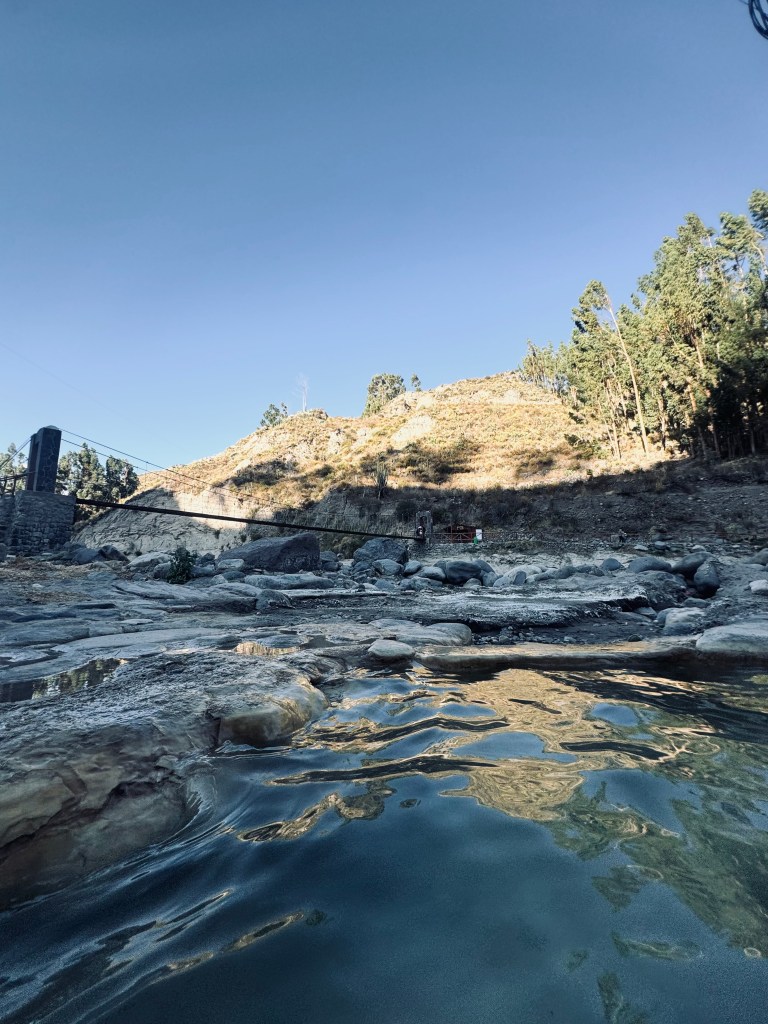
By midday, you’ll roll into Chivay, the gateway to Colca Canyon. After lunch, you can unwind in the La Calera hot springs or browse the local market before sitting down to a hearty Andean dinner. Most tours include an overnight stay here or in the nearby town of Yanque.
Where to Stay in Colca Canyon
Some tours include accommodation, but if you’re booking independently or have the option to choose, here are a few great places to stay:
Accommodation Recommendations:
Luxury: Colca Lodge Spa & Hot Springs – Gorgeous riverside lodge with private thermal baths.
Mid-Range: Casa Andina Standard Colca – Cozy, reliable, and right in the heart of the valley.
Budget: Colca Canyon Hotel by PERU HTL – Great value for money, simple but comfortable.
Day 10: Colca Canyon
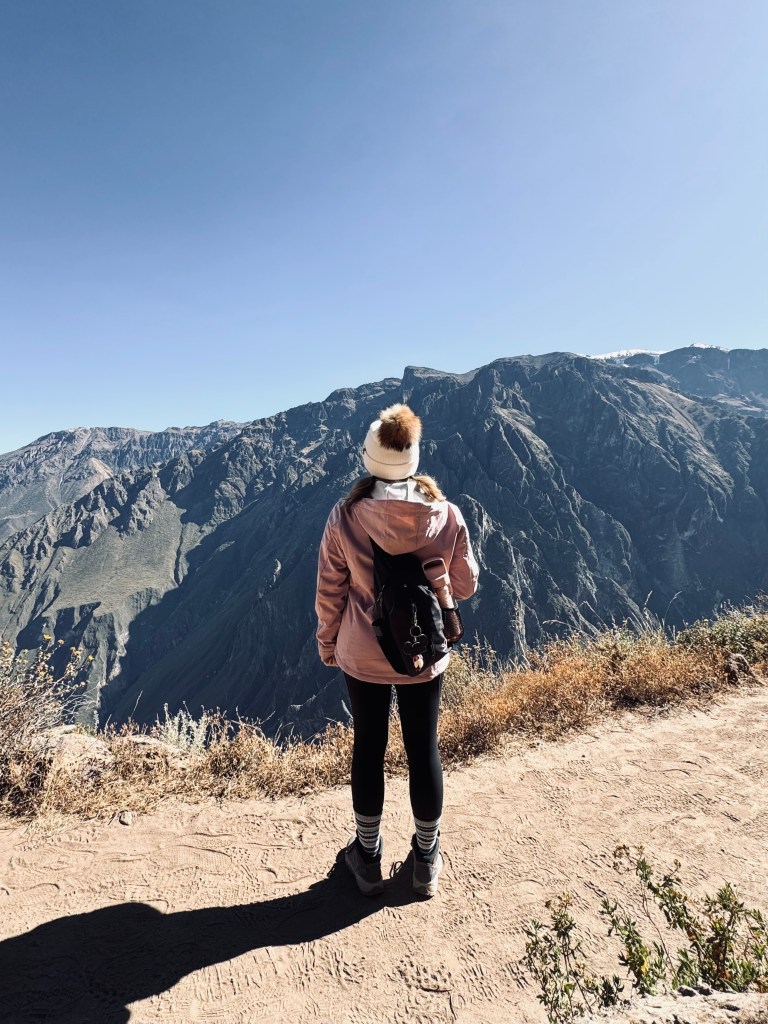
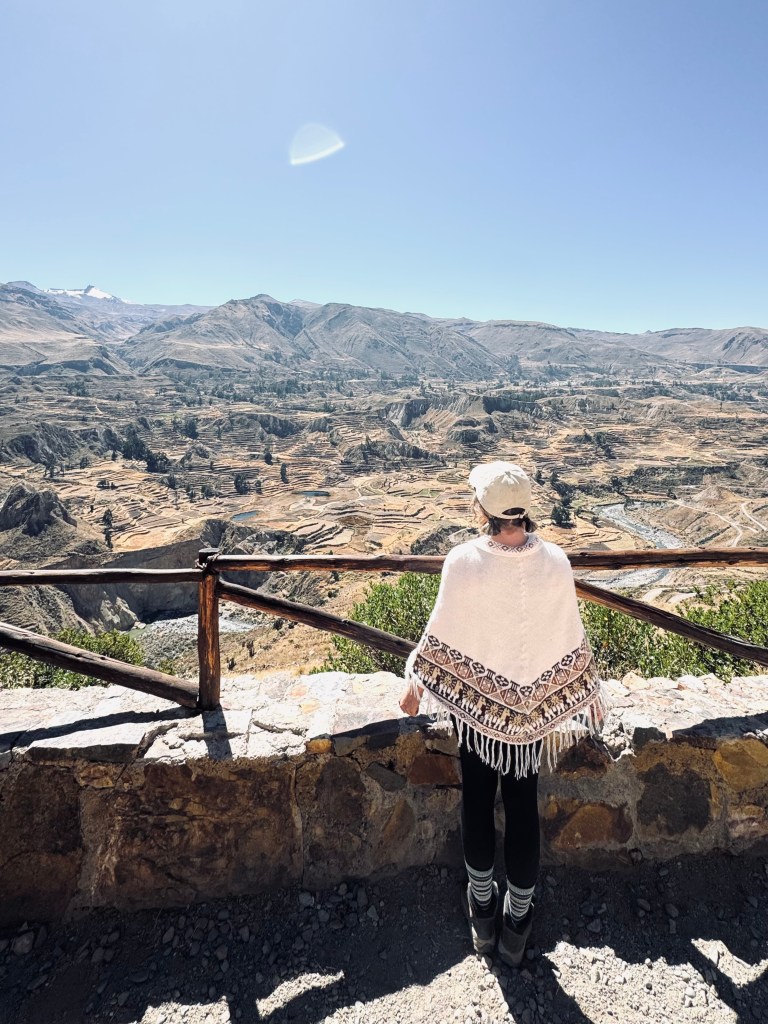
Rhis is the moment you’ve been waiting for! Your guide will take you to Mirador Cruz del Cóndor, the most famous viewpoint for condor spotting. Watching these enormous birds spread their wings and glide effortlessly above the canyon is nothing short of magical. They ride the morning thermal currents with such grace that it’s easy to see why the Andean condor is considered sacred in Peruvian culture. If you’re up for it, you can also take a short guided hike (about 40 minutes) along the canyon rim to reach another stunning lookout.
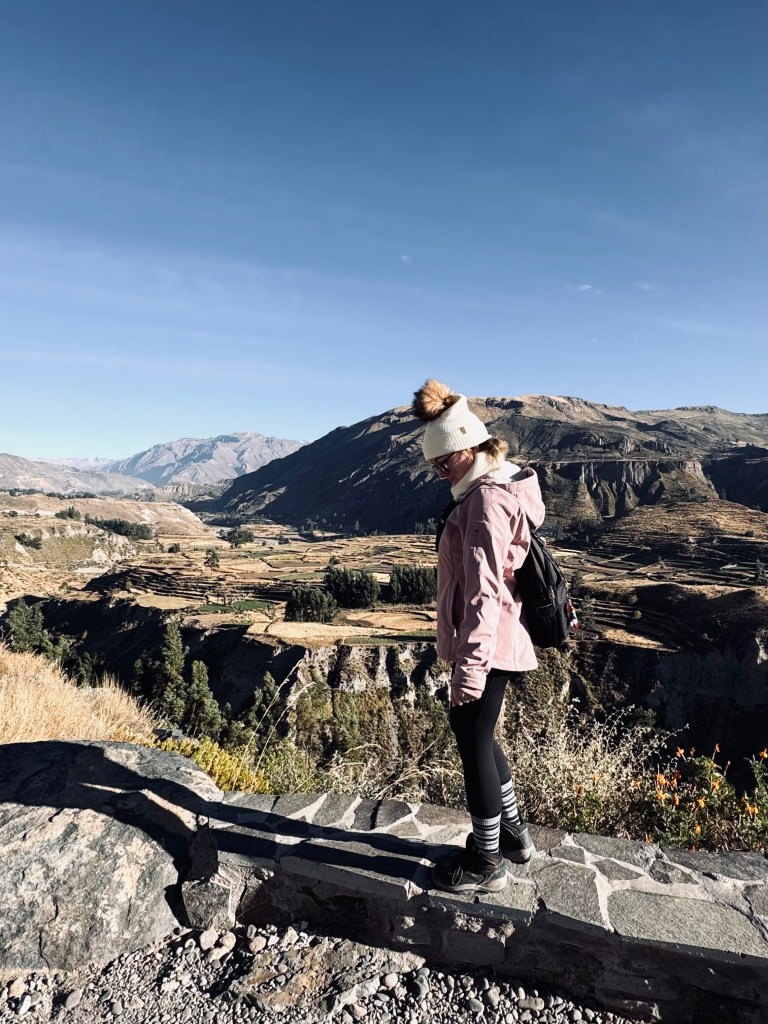
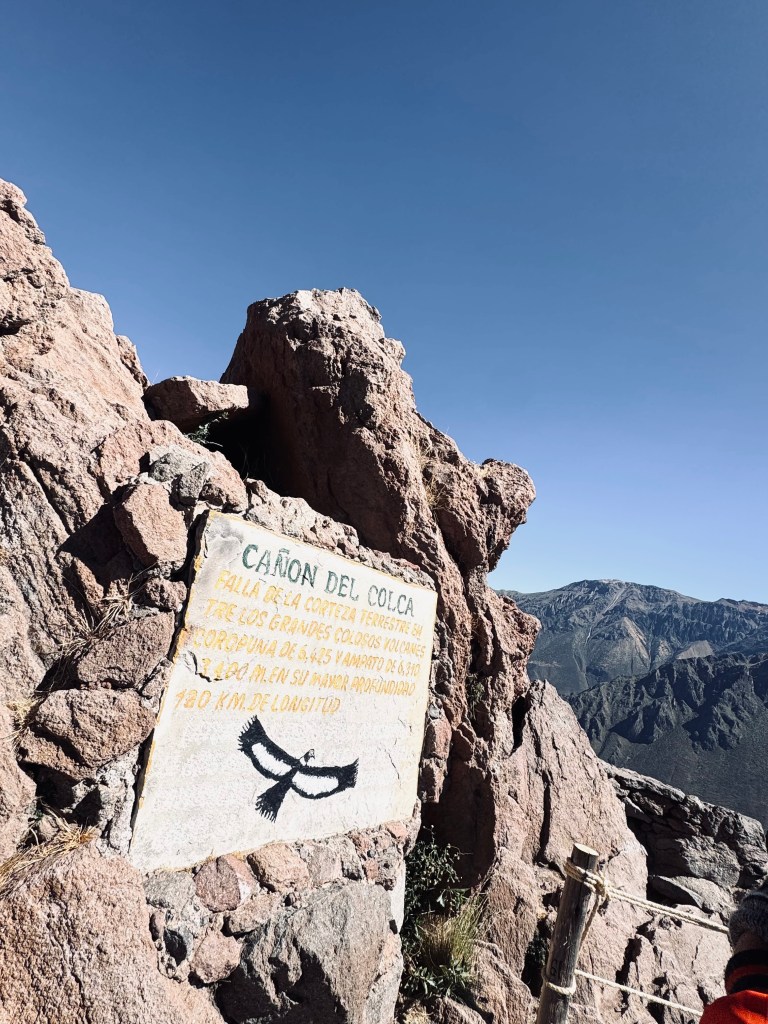
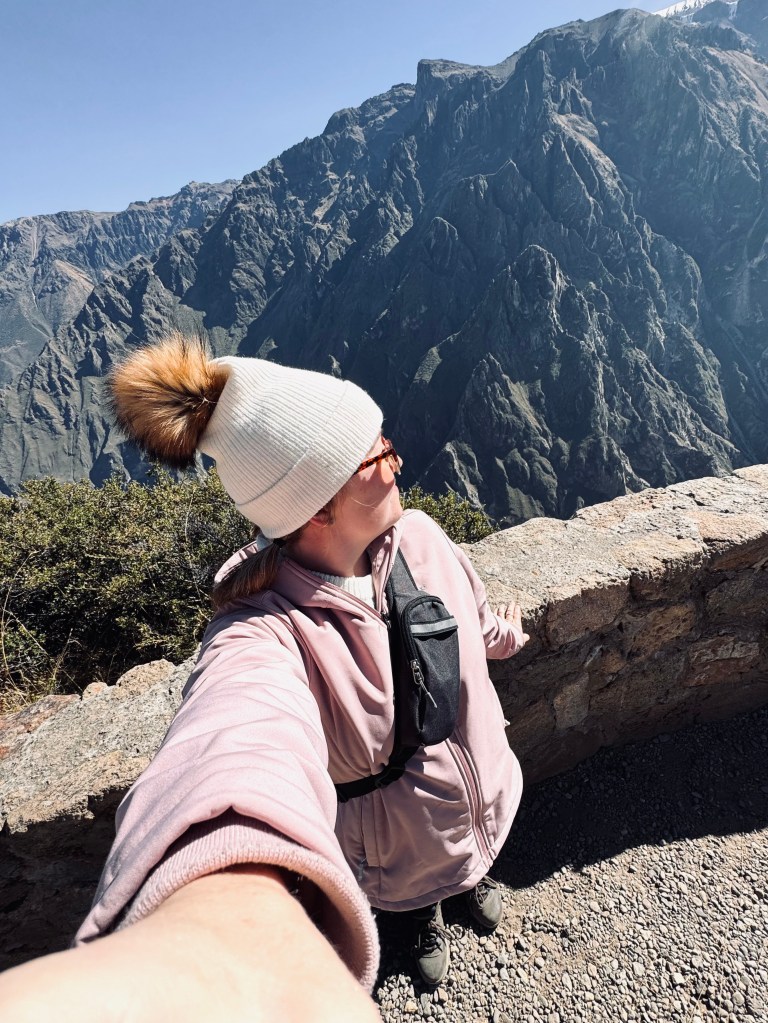
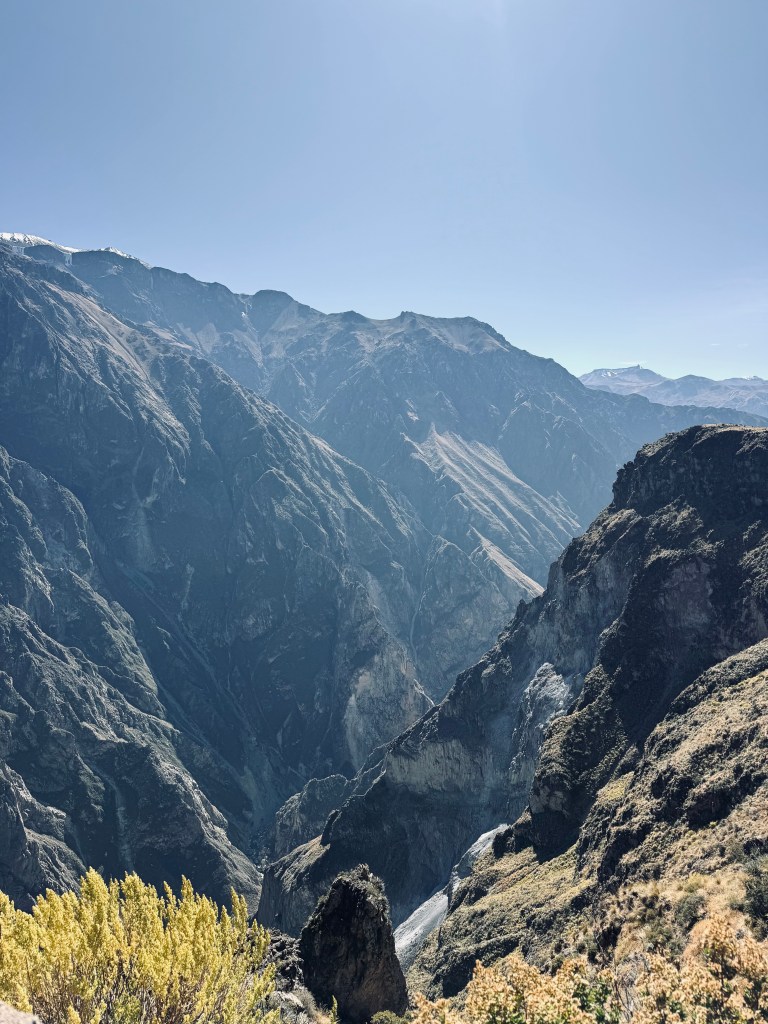
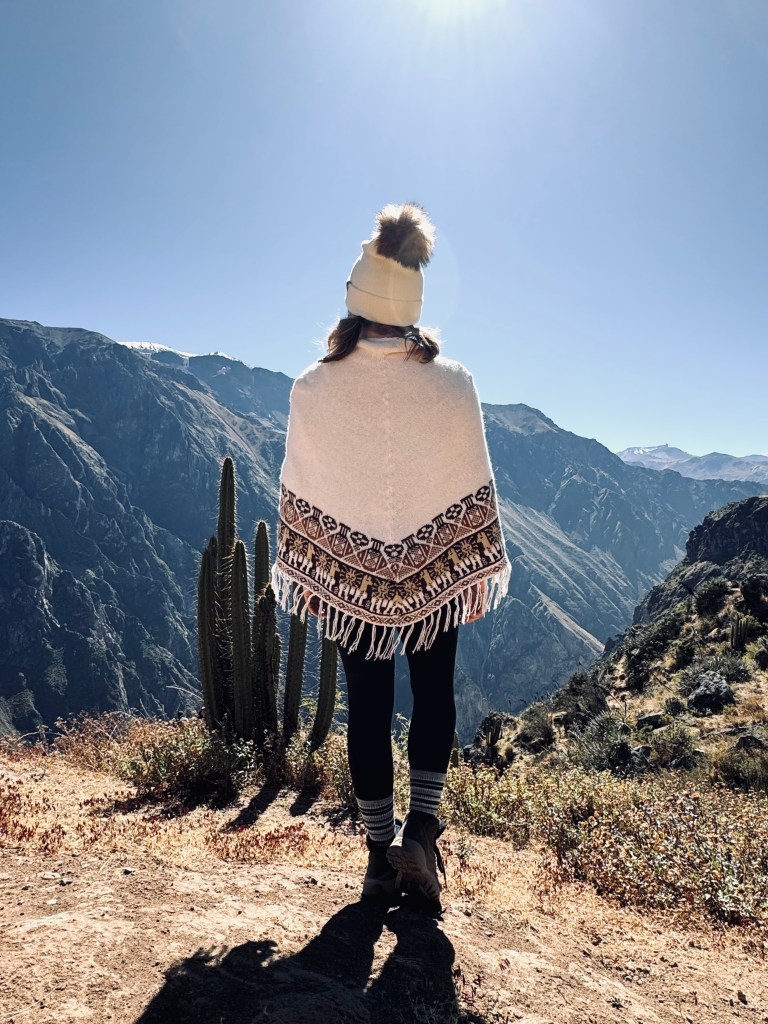
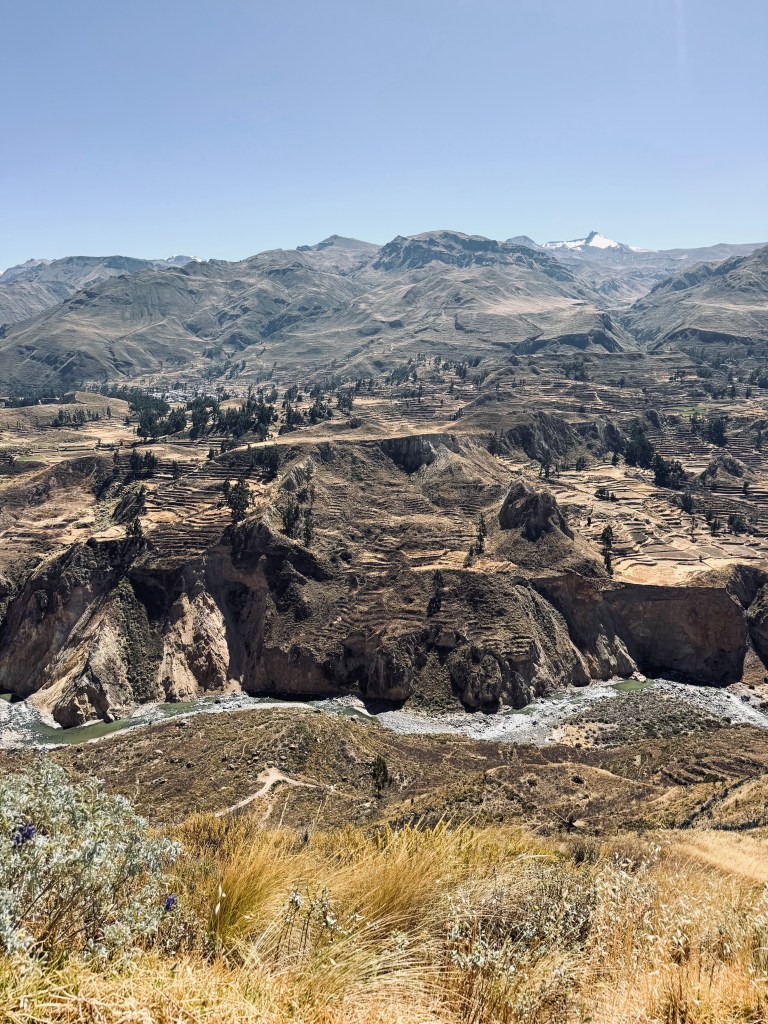
On the return journey, the adventure doesn’t stop. You’ll make several scenic stops, from quiet viewpoints with breathtaking canyon panoramas to charming villages like Maca and Yanque, where locals sell handicrafts and traditional textiles. Along the way, the landscape is a patchwork of ancient terraces – still farmed today – that seem to stretch endlessly into the horizon. By late afternoon, you’ll roll back into Arequipa, exhausted but glowing with the satisfaction of experiencing one of Peru’s greatest natural wonders.
Day 11: Arequipa → Cusco
Today is a travel day – a long but scenic 12-hour Peru Hop bus journey from Arequipa to Cusco. The route takes you through high-altitude landscapes, with snow-dusted peaks and rolling plains where llamas and alpacas graze. To break up the trip, the bus makes a couple of well-timed stops, including a lookout point over a beautiful lake and a stop for a hearty buffet lunch (perfect for stretching your legs).
I happened to make this journey on Peru’s Independence Day, so the bus was decorated with little Peruvian flags, and the festive spirit carried through the whole ride. By the time we rolled into Cusco in the evening, the streets were alive with celebrations – music, dancing, and plenty of patriotic pride. It was the perfect welcome to the historic heart of the Andes.
Where to Stay in Cusco
Accommodation Recommendations:
Luxury: Saska Boutique Hotel
Mid-Range: Hotel Amerinka
Budget: Golden Inca Hotel
Day 12: Cusco
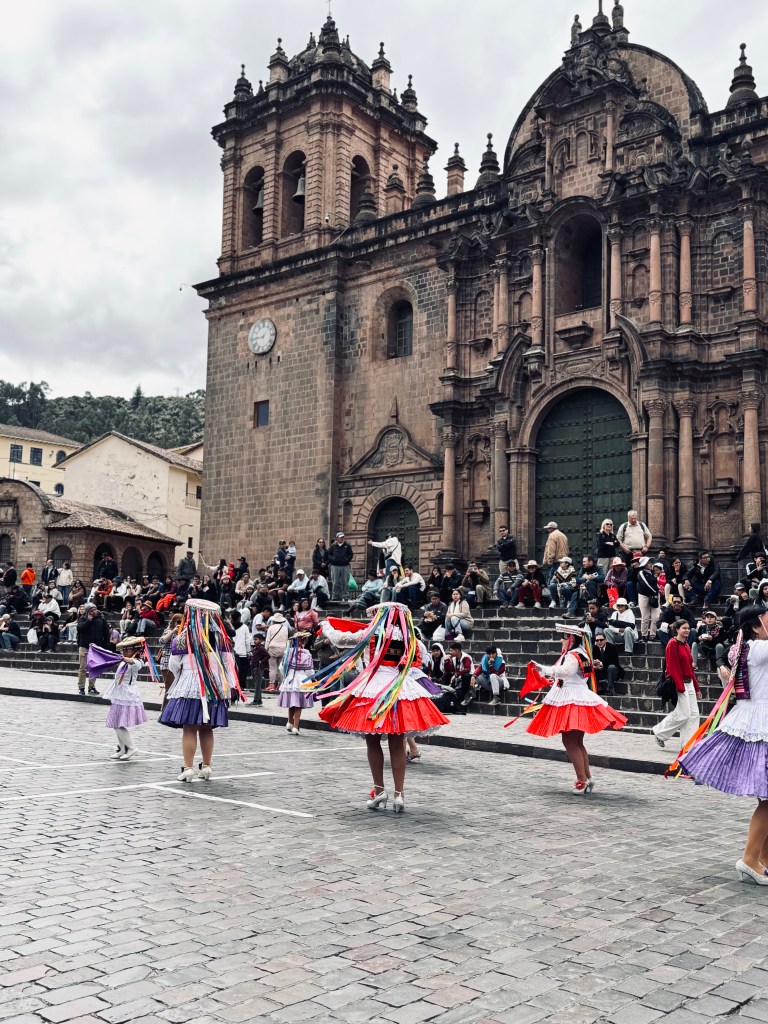
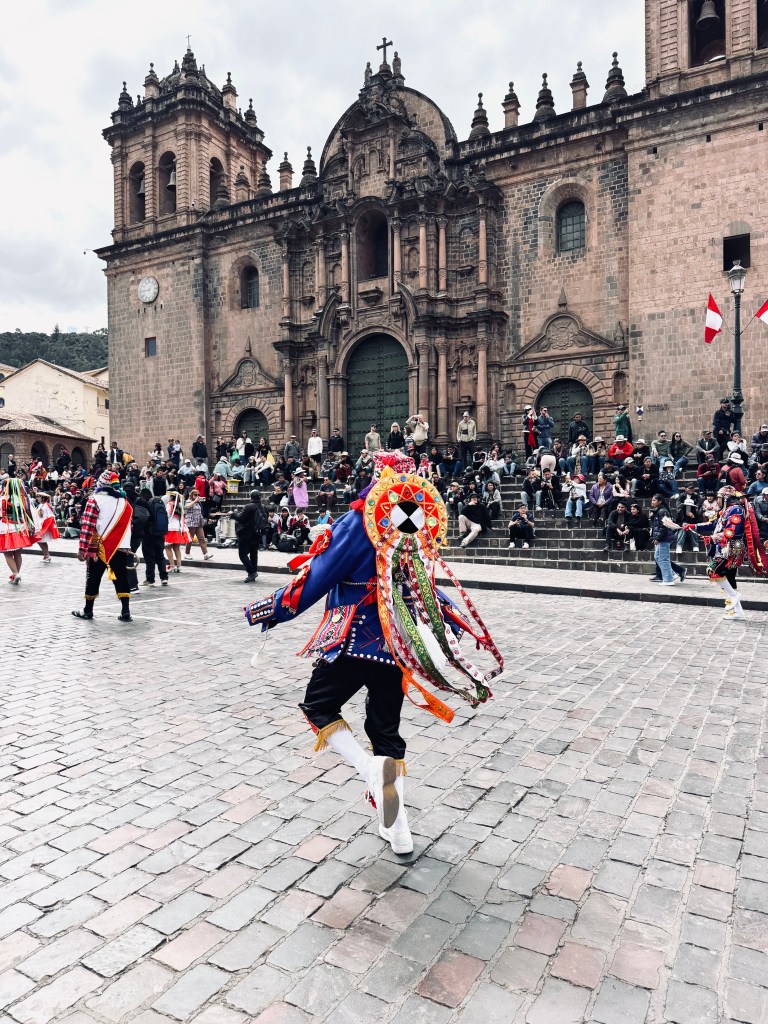
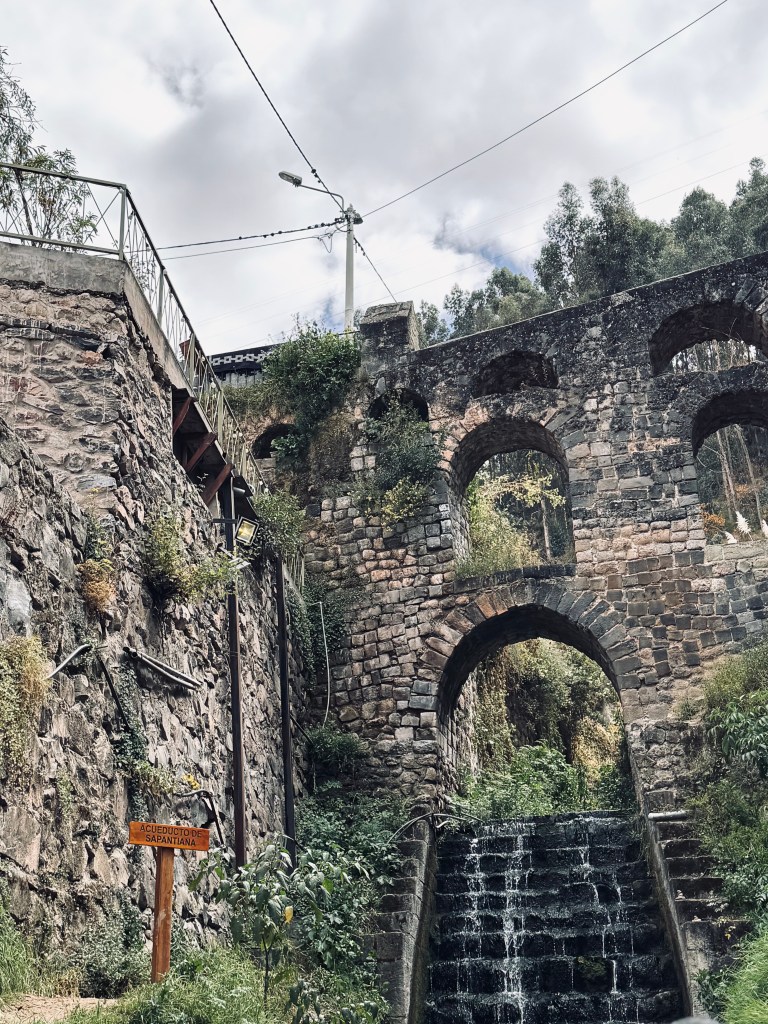
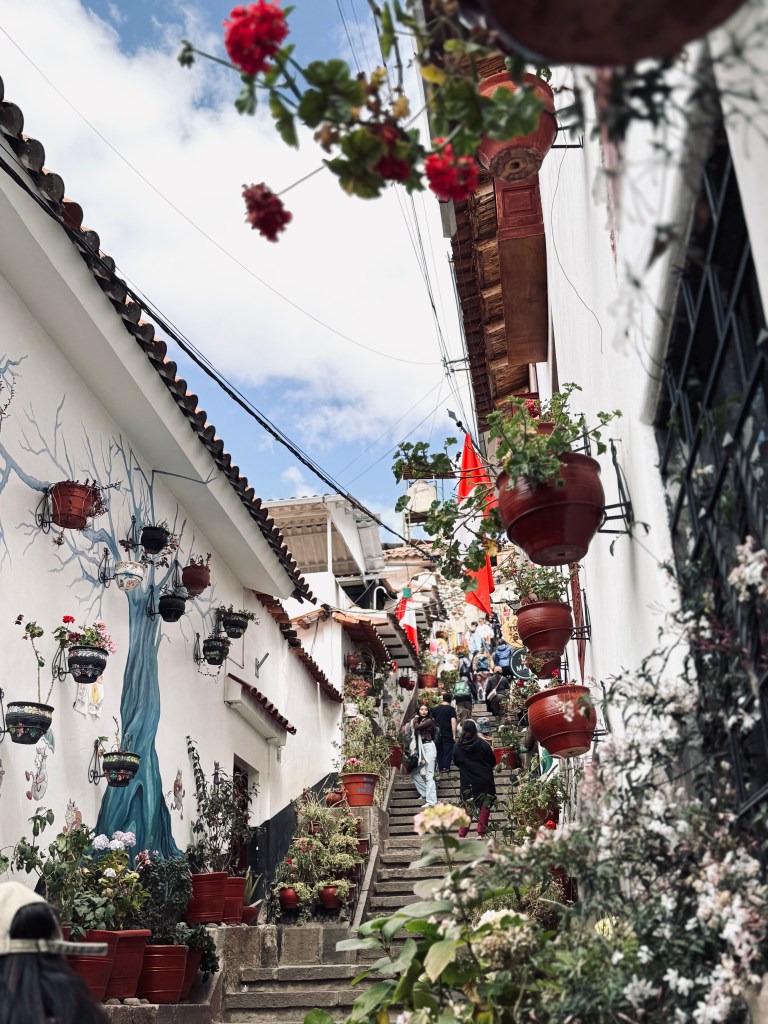
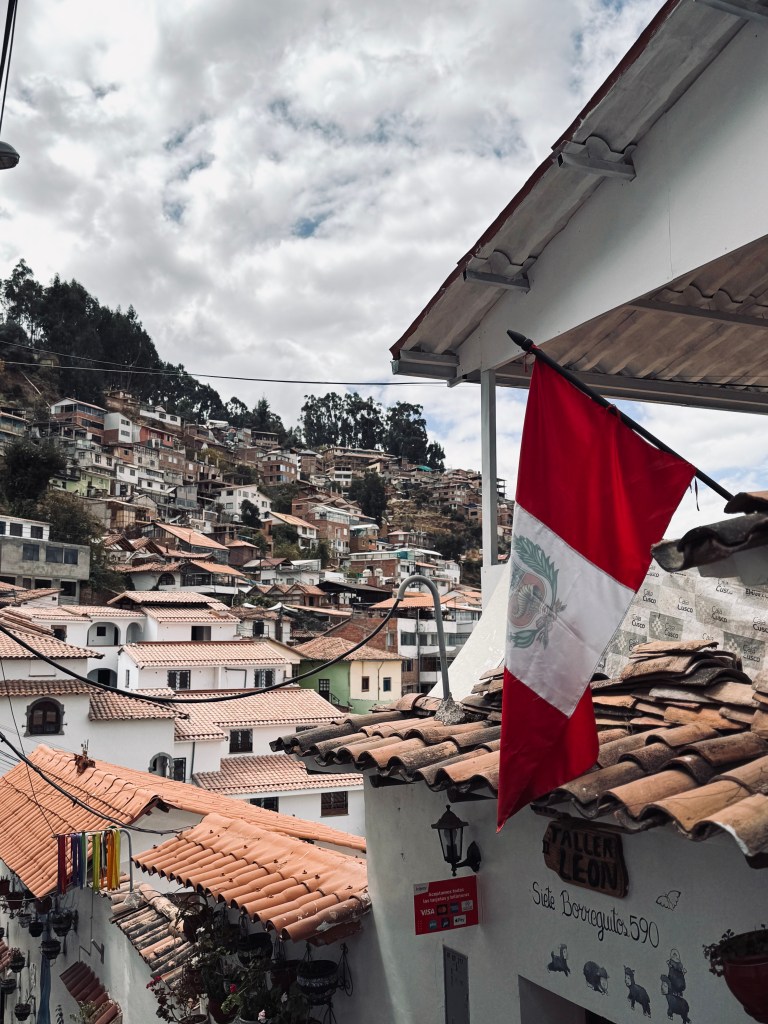
After the long ride yesterday, today is all about acclimatising in Cusco – and what a place to do it! Start by wandering the historic centre, where colonial architecture and Inca stonework sit side by side. The Plaza de Armas is the heart of the city, buzzing with locals, travelers, and plenty of festive energy (I was lucky to catch Independence Day parades, complete with marching bands and dancers in traditional dress).
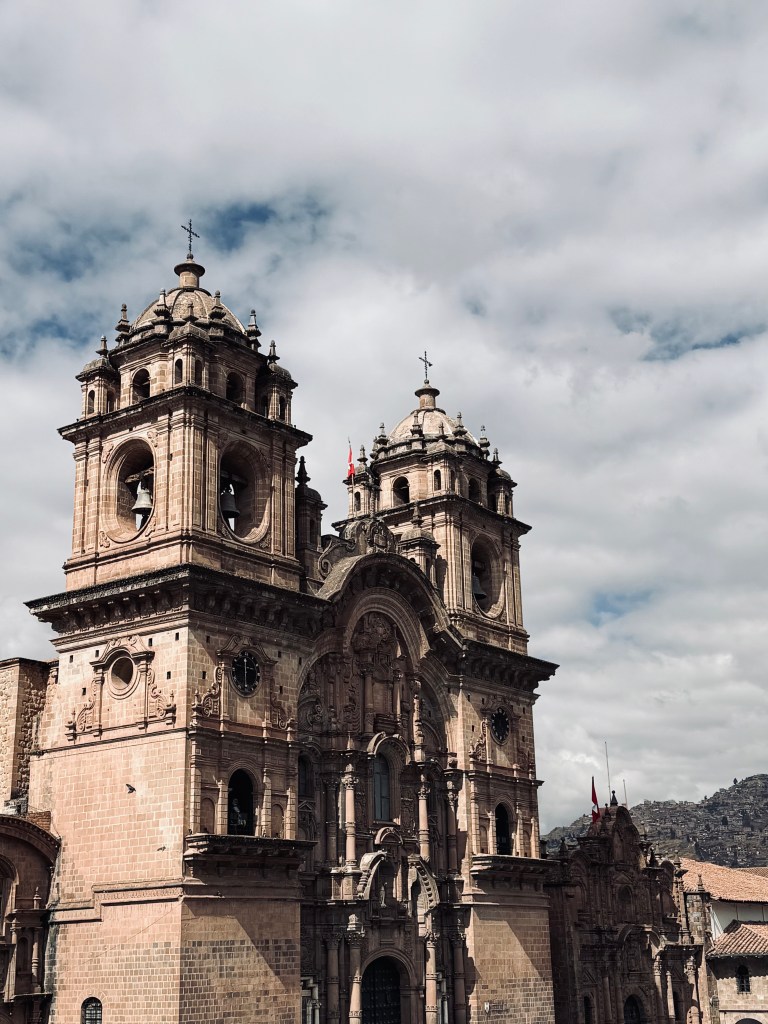
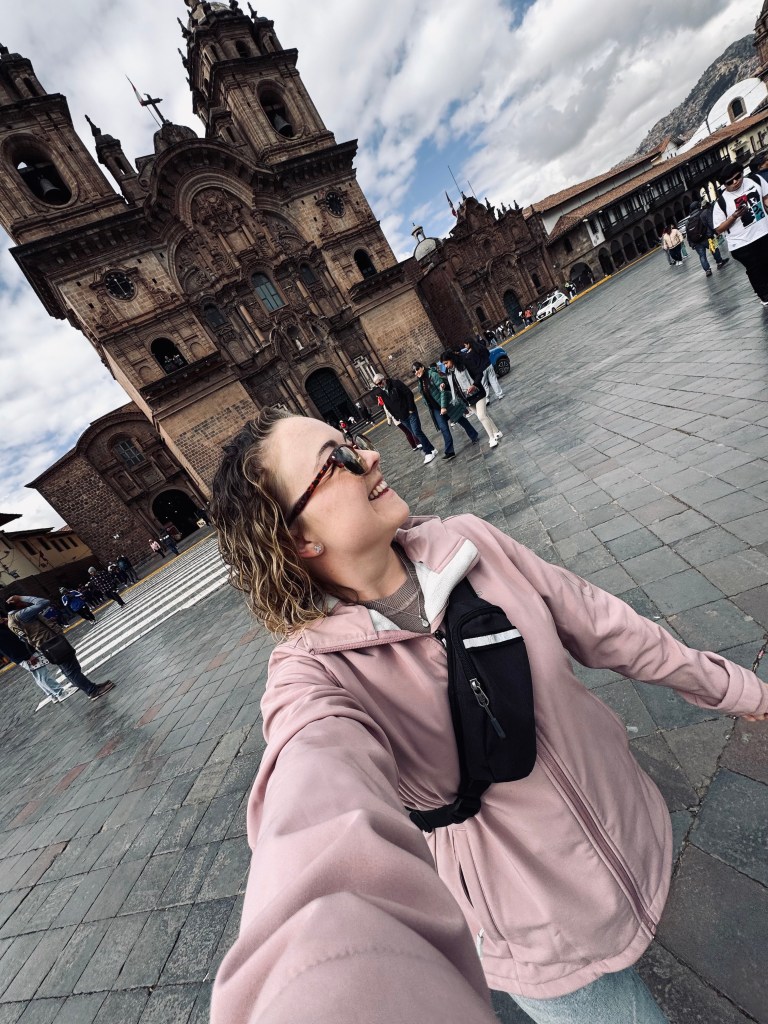
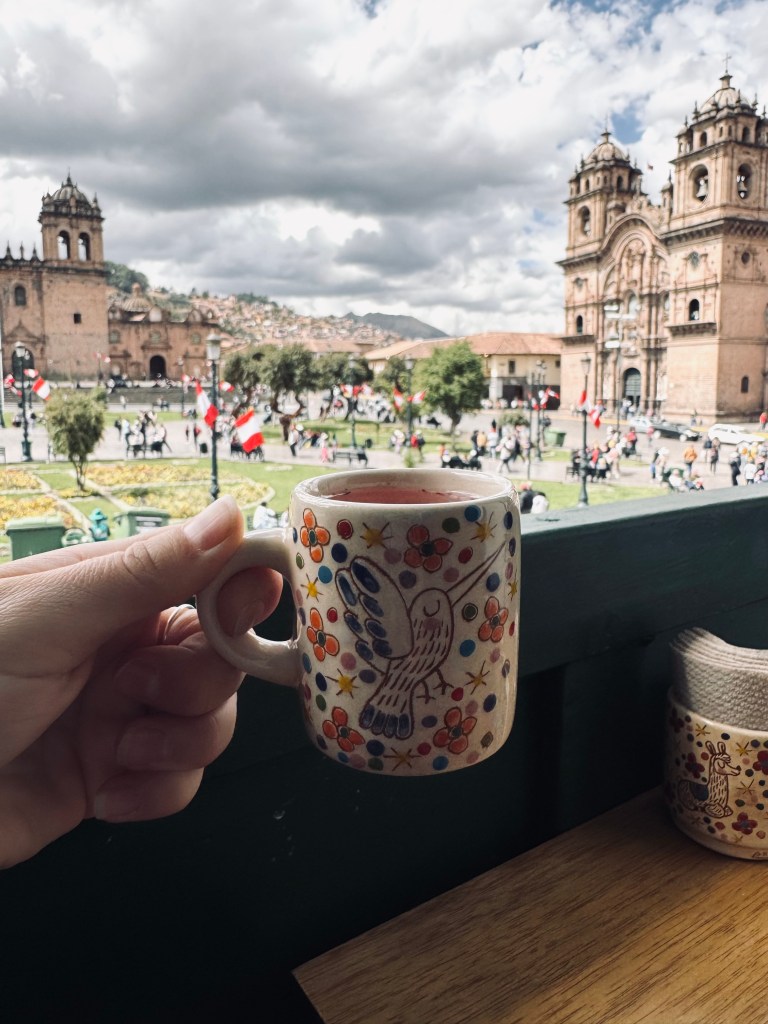
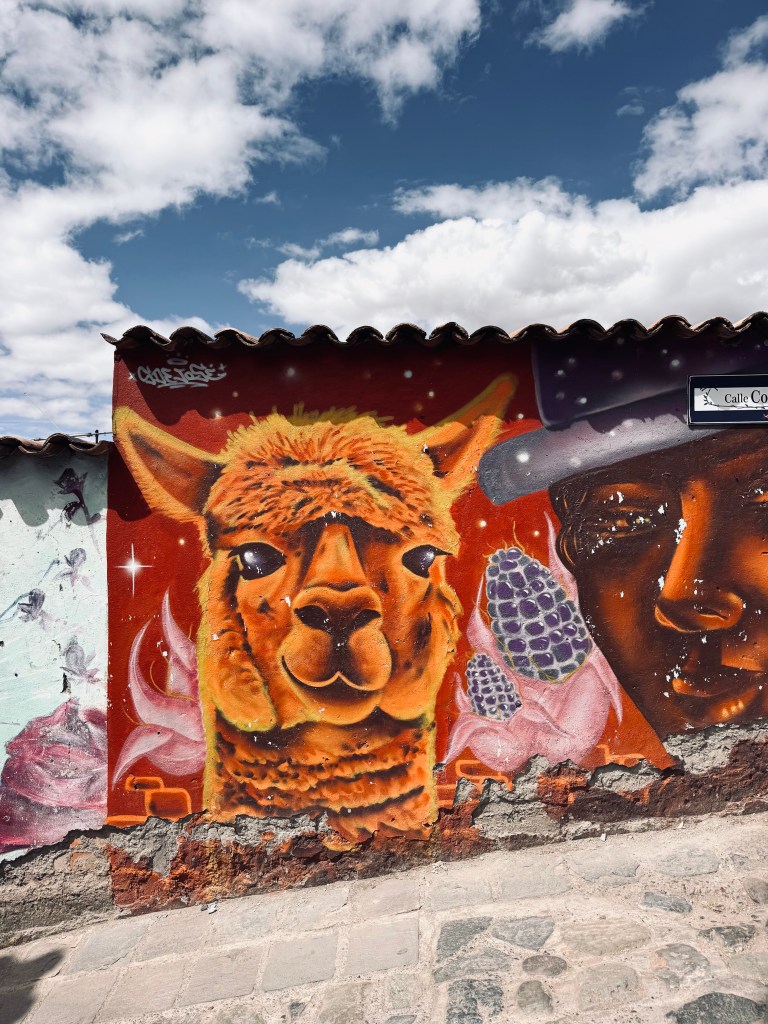
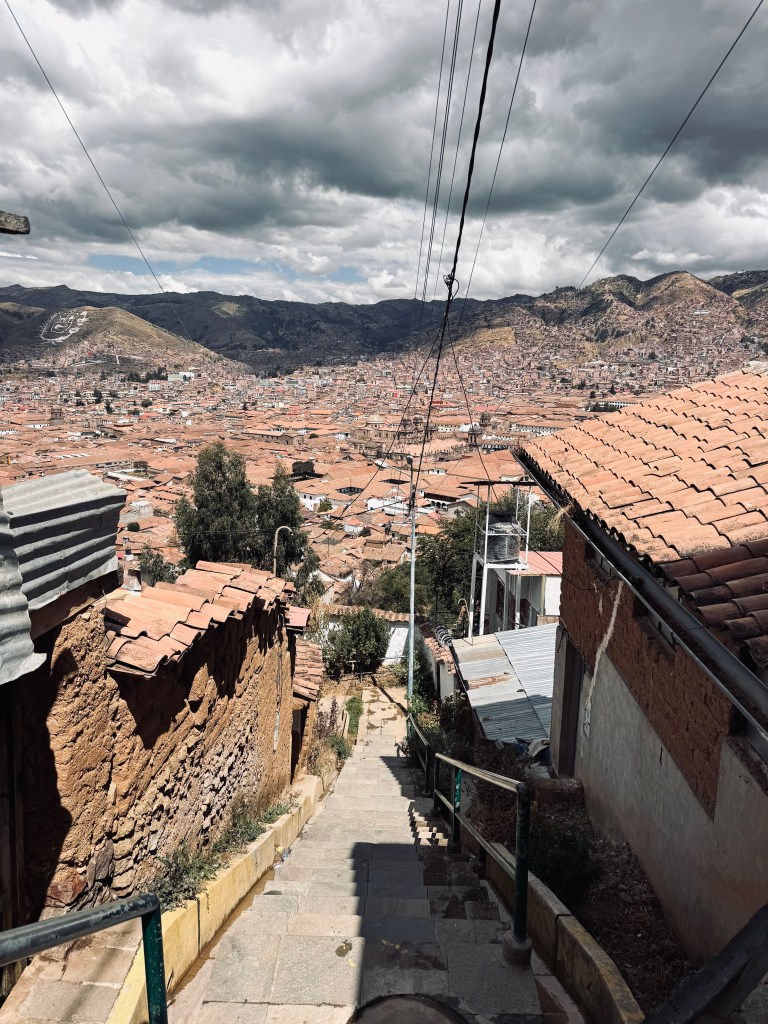
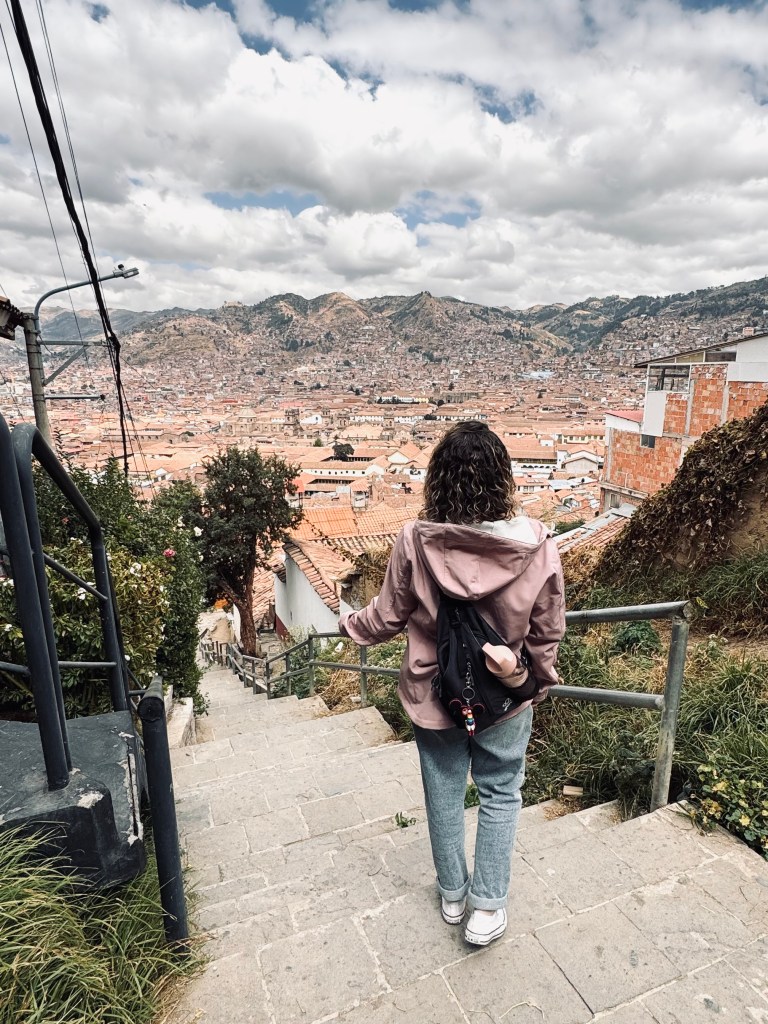
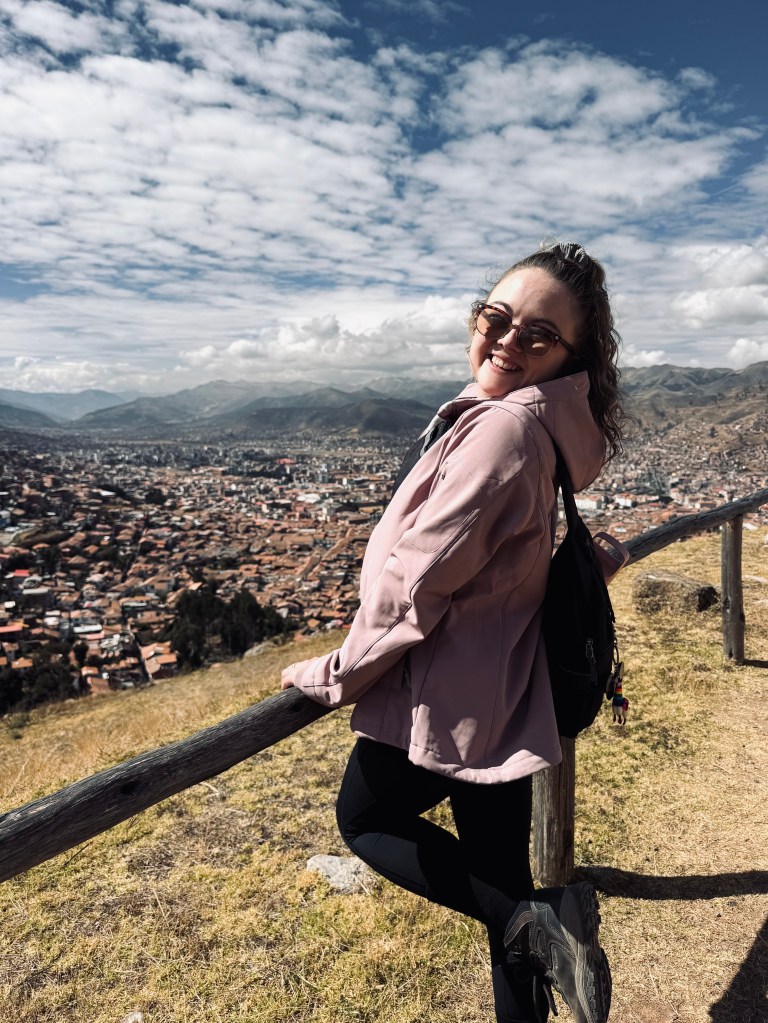
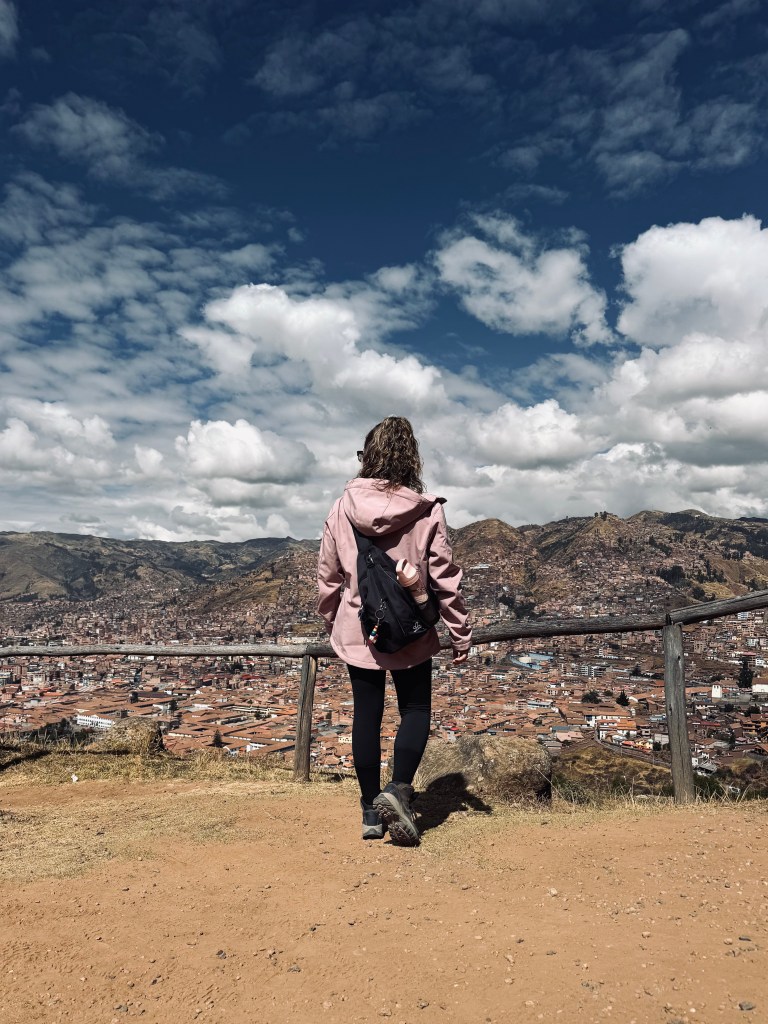
From there, make your way up to the San Blas neighborhood, a bohemian quarter filled with cobblestone streets, artisan shops, and cozy cafés – perfect for a slower pace while adjusting to the altitude. If you’ve got the energy, climb a little higher to a city lookout point for sweeping views over the red rooftops of Cusco, with the Andes rising dramatically in the distance.
💡 Altitude tip: Go slow, stay hydrated, and sip some coca tea (a local remedy you’ll find everywhere). Eating lighter meals and avoiding alcohol on your first day also helps your body adjust.
Day 13: Cusco
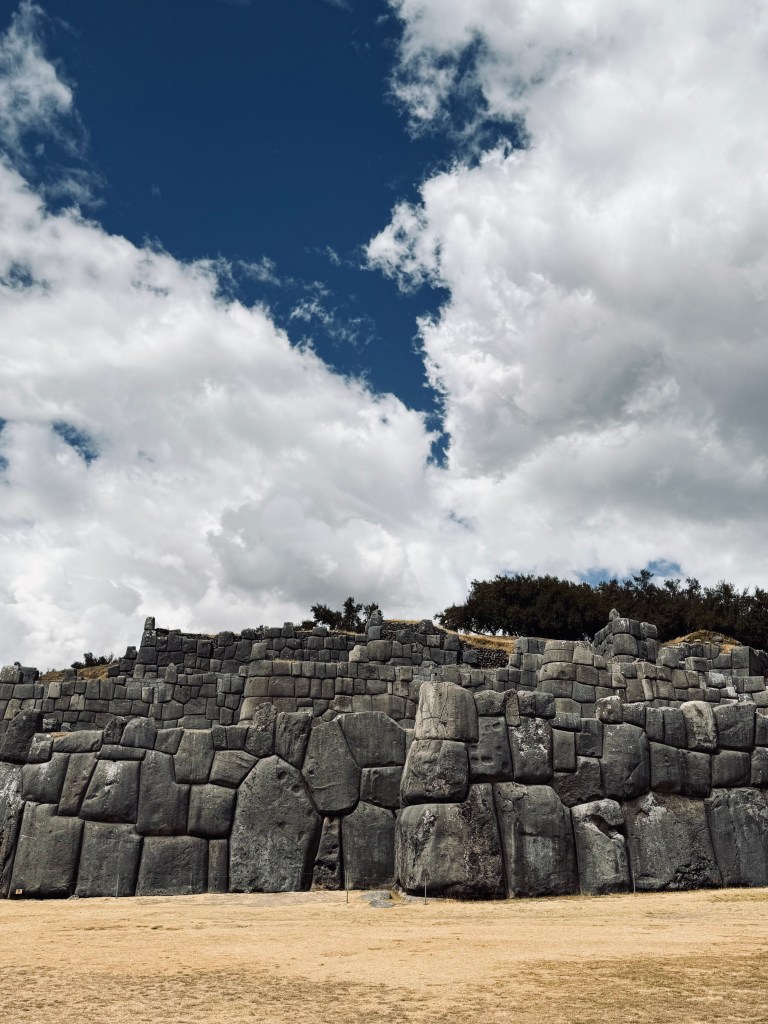
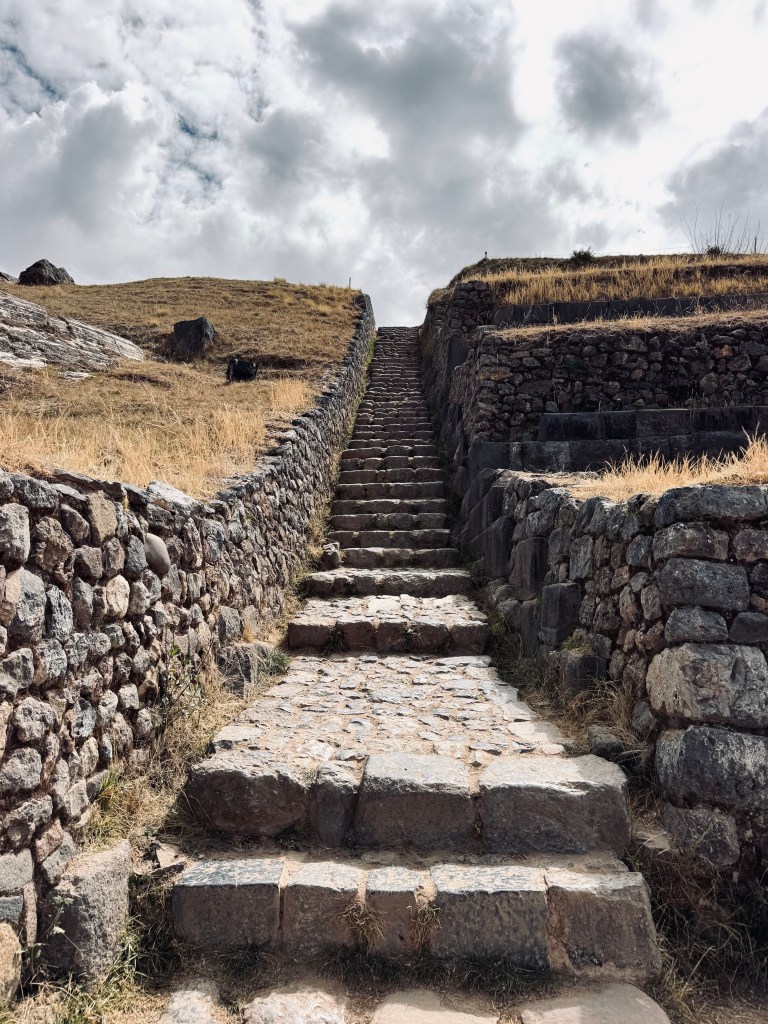
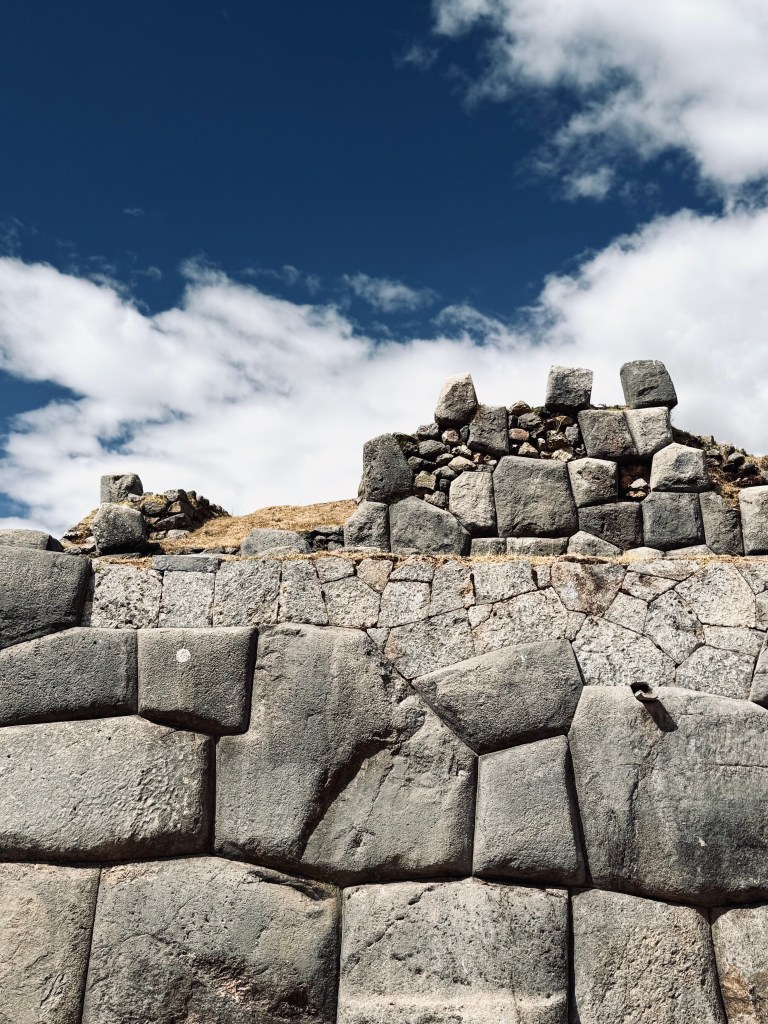
With another day to acclimatise before heading deeper into the Sacred Valley, I started the morning with a hike up to the Sacsayhuamán ruins (included in the Tourist Ticket). Not only is this an incredible archaeological site, but it also offers one of the best lookout points over Cusco – the sprawling city surrounded by mountains is a view worth the climb. The ruins themselves are fascinating, with their massive stone walls showcasing the genius of Inca engineering.
In the afternoon, slow things down with a visit to the San Pedro Market, Cusco’s bustling hub of local life. Wander the aisles filled with colorful textiles, tropical fruit juices, handmade crafts, and the occasional quirky stall (yes, you might even find alpaca-shaped bread here!). It’s the perfect spot to pick up souvenirs or simply soak in the bustling atmosphere.
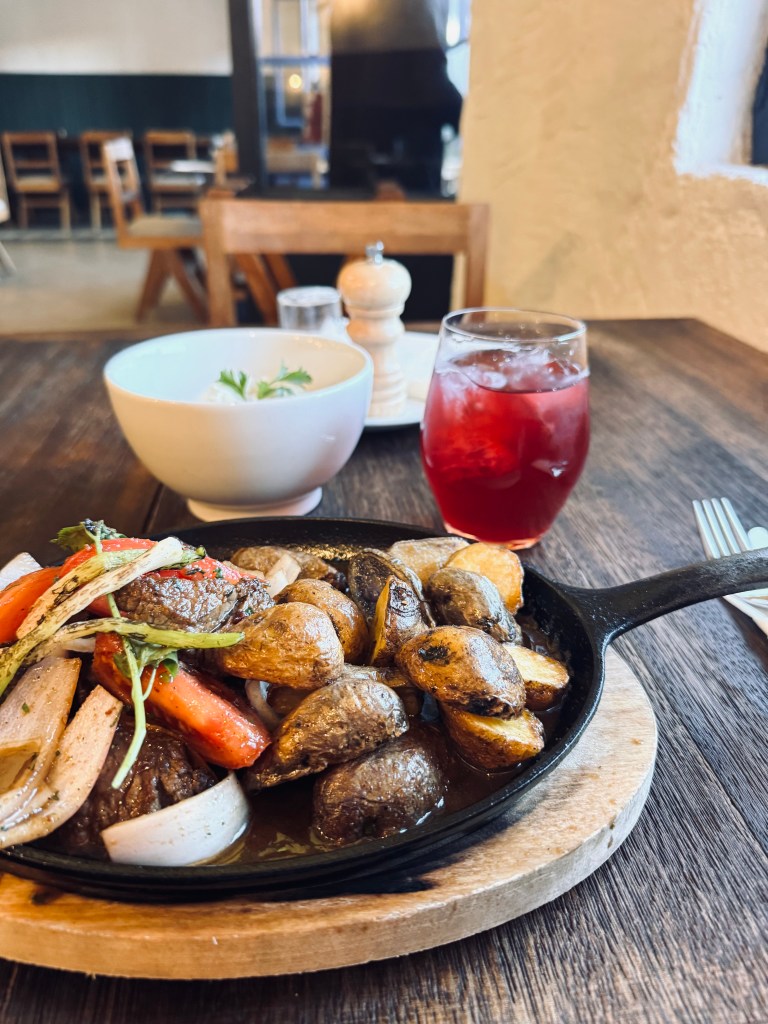
For dinner, treat yourself to a traditional Peruvian meal. Don’t miss out on trying chicha morada, a refreshing purple corn juice that’s both sweet and slightly spiced – it quickly became one of my favorites on my Peru trip! Pair it with local dishes like lomo saltado, quinoa soup, or an alpaca steak if you’re feeling adventurous.
Day 14: Cusco – Sacred Valley
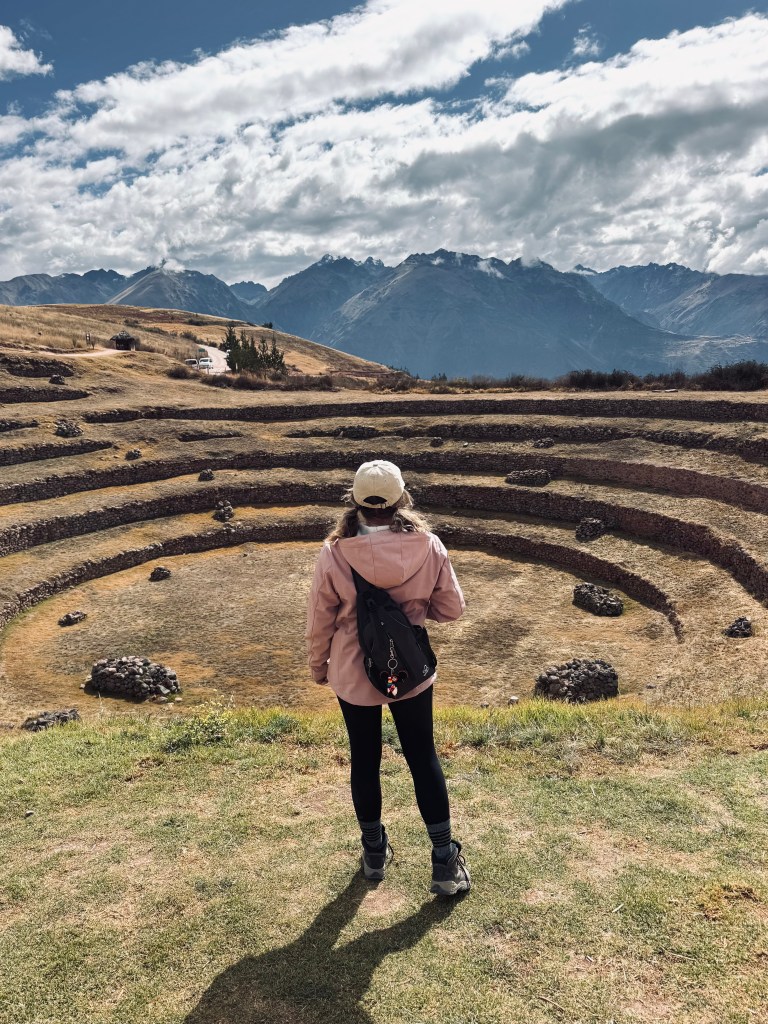
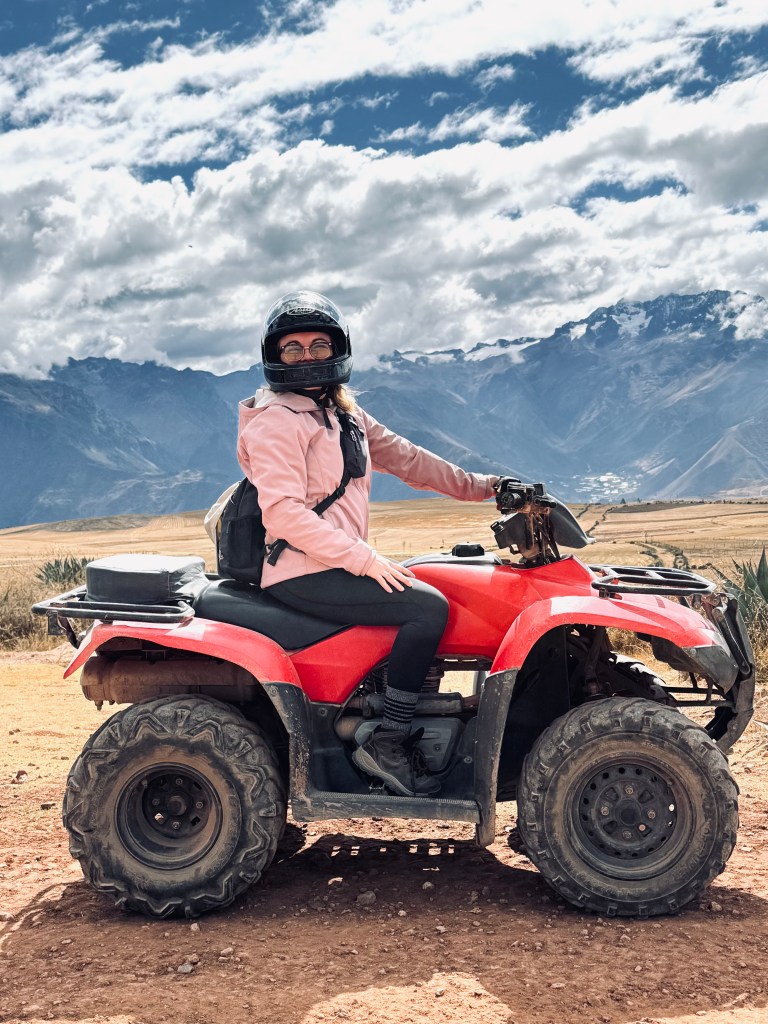
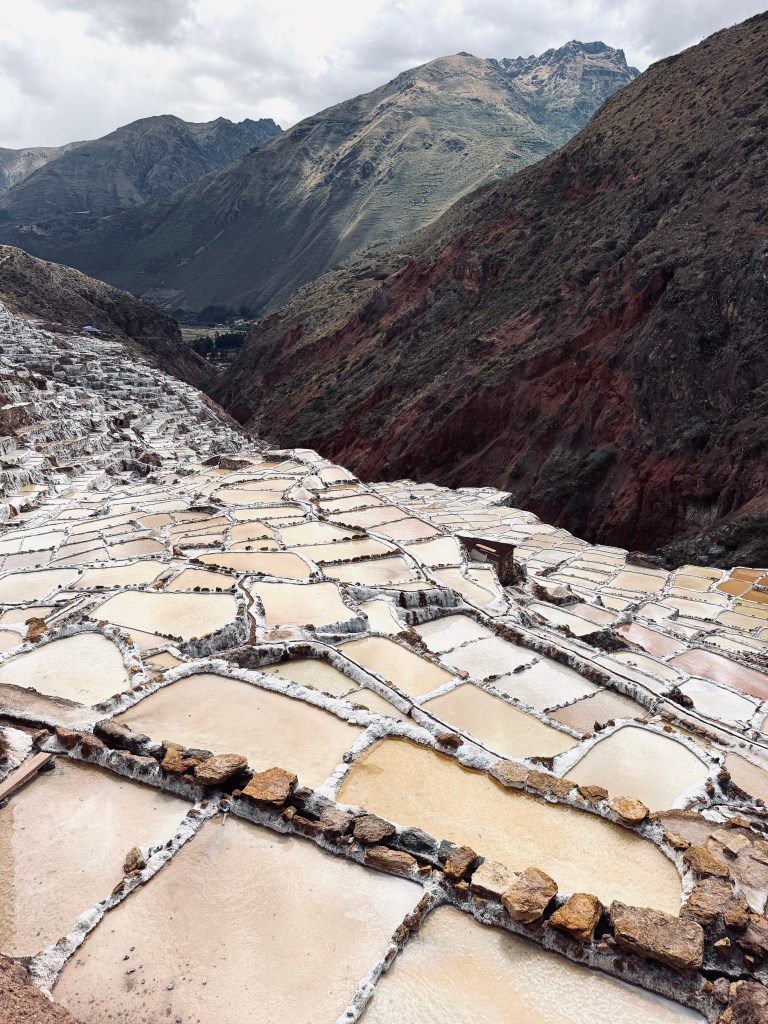
The day started with a half-day tour of the Sacred Valley, and I opted for something a little different – an ATV adventure to Moray and the Maras Salt Mines. It was such a fun and exhilarating way to explore these iconic sites. Moray, with its circular agricultural terraces, feels like stepping into a giant green amphitheater, while the dazzling salt ponds of Maras glisten against the mountainside – a surreal sight that looks straight out of a painting.

The afternoon was all about preparing for the Inca Trail. At 4pm, I headed to my trekking company’s office for the pre-trek briefing. Here, the guides gave us a detailed run-through of what to expect on the trail, daily itineraries, and some final tips for managing the altitude and the trek itself. We were also provided with our duffle bags, which would be carried by the porters, leaving us only to hike with our day packs.
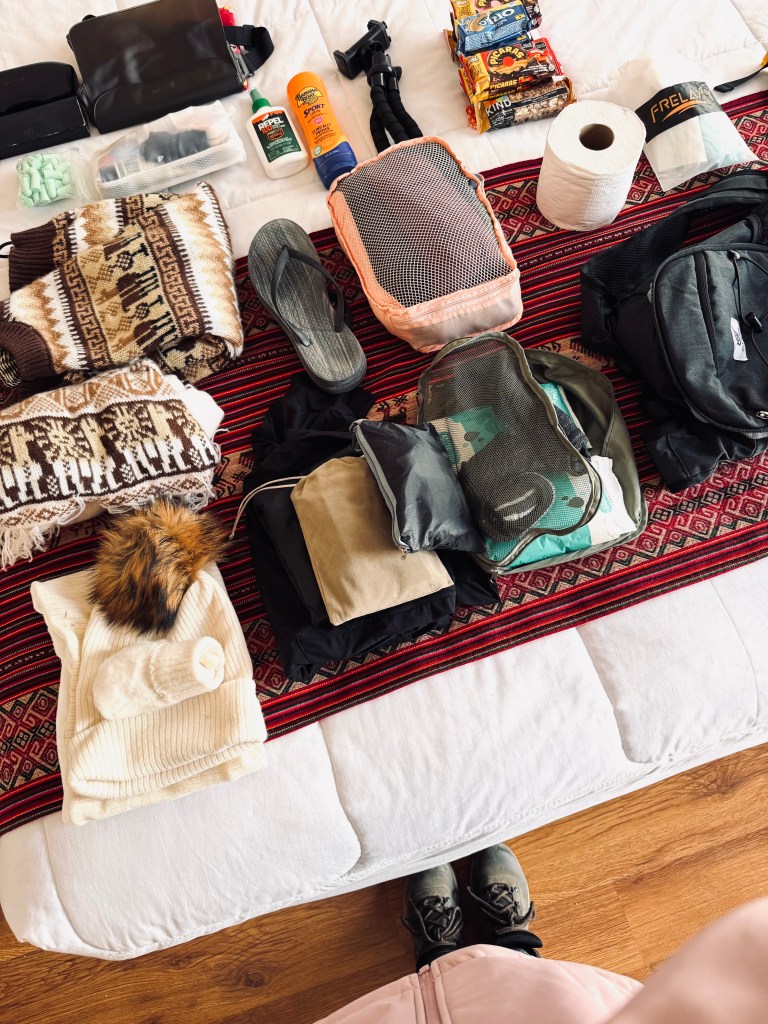
Back at the hotel, I carefully packed everything – from warm layers and rain gear to snacks and my trusty water bottle – making sure my duffle was within the weight limit (only 2kg for personal items as I had hired a sleeping bag and an air mattress which I would definitely recommend). Then I set aside my day pack with essentials like sunscreen, camera, rain poncho, and a bit of coca candy for the climbs – check out my full packing list here! With everything ready to go, I had an early night, excited (and a little nervous!) for the main event of the trip: the Inca Trail.
Check out my Inca Trail Trekking Journal post here!
👉 Traveler tip: If you’re about to tackle the Inca Trail, this is the perfect day to do some last-minute prep. Stock up on snacks at San Pedro Market, rent trekking poles if you haven’t already (they’re lifesavers on the descents), and double-check that you’ve got your passport handy – you’ll need it at the checkpoint to enter the trail. A pack of good blister plasters doesn’t hurt either, just in case!
Day 15: Inca Trail (Day One)
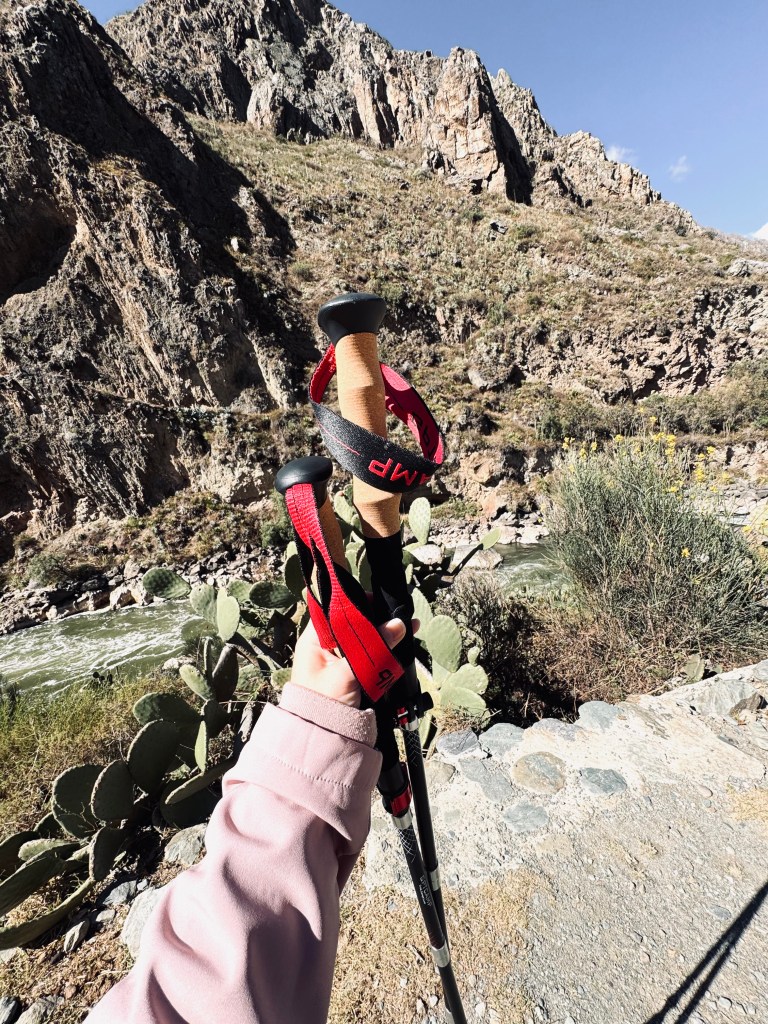
The trek began with a 5am start in Cusco, followed by a drive to Km 82, the official starting point of the Inca Trail. While our incredible porters got the gear ready, we grabbed our hiking poles and passed the first checkpoint, buzzing with excitement.
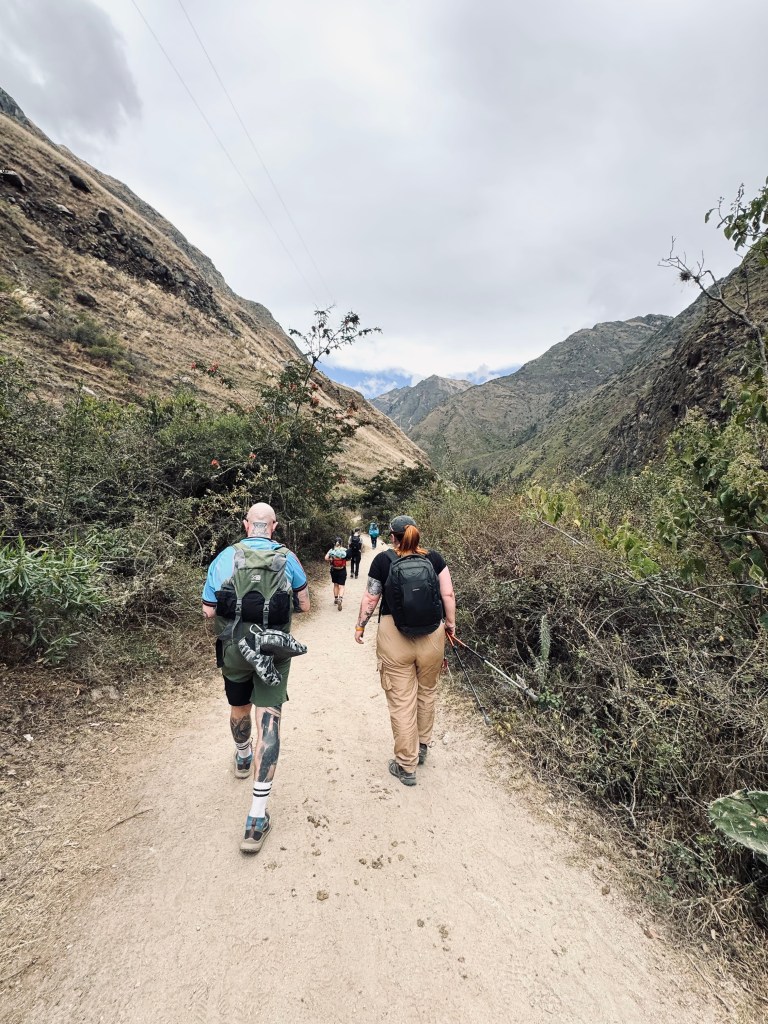
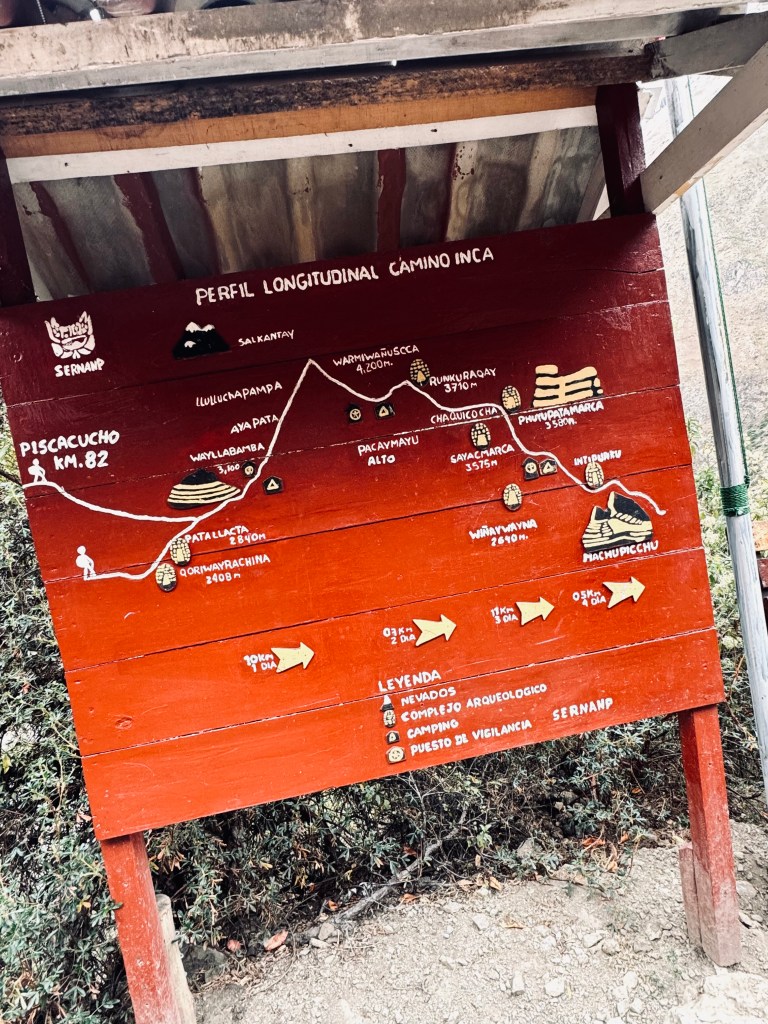
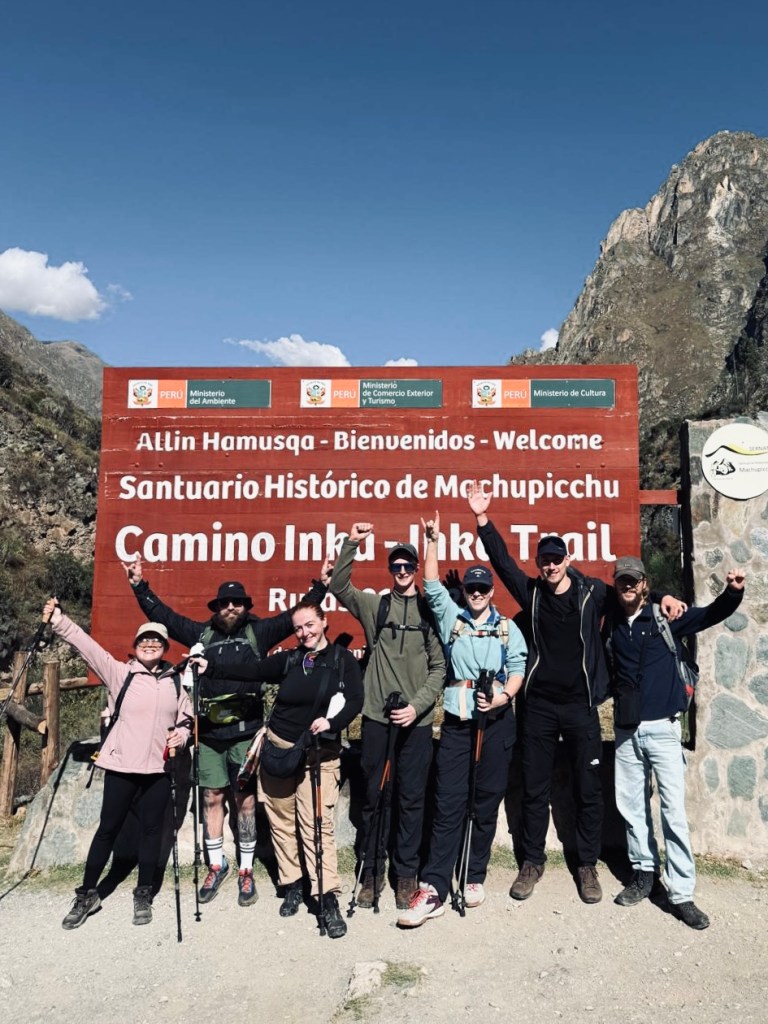
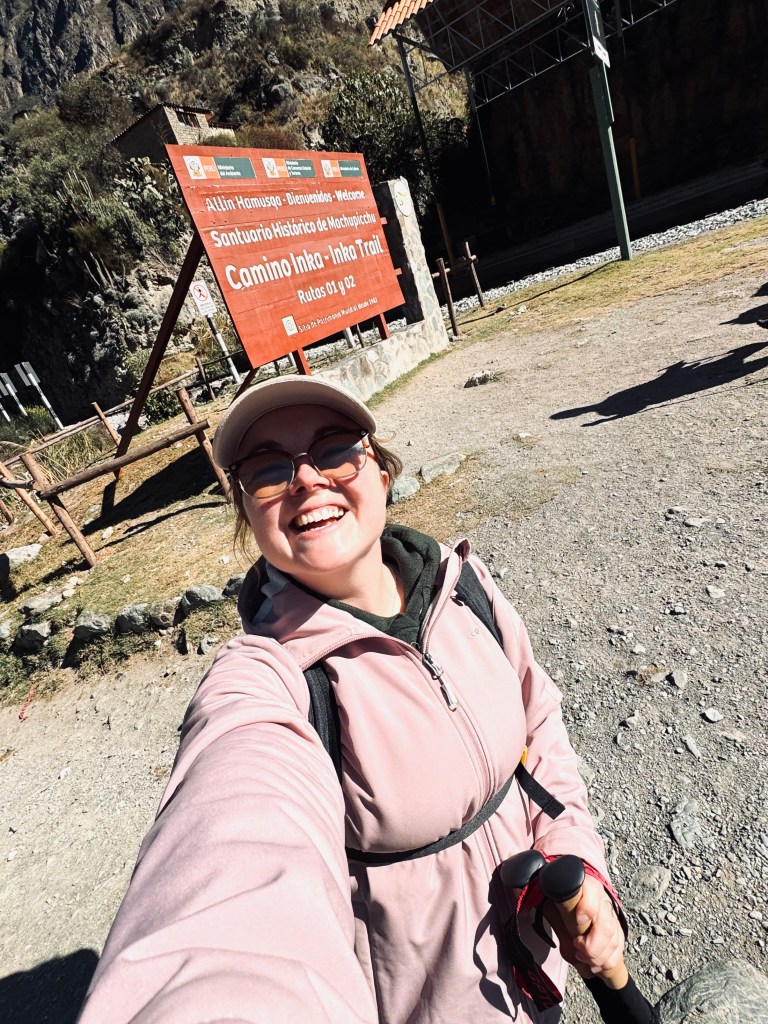
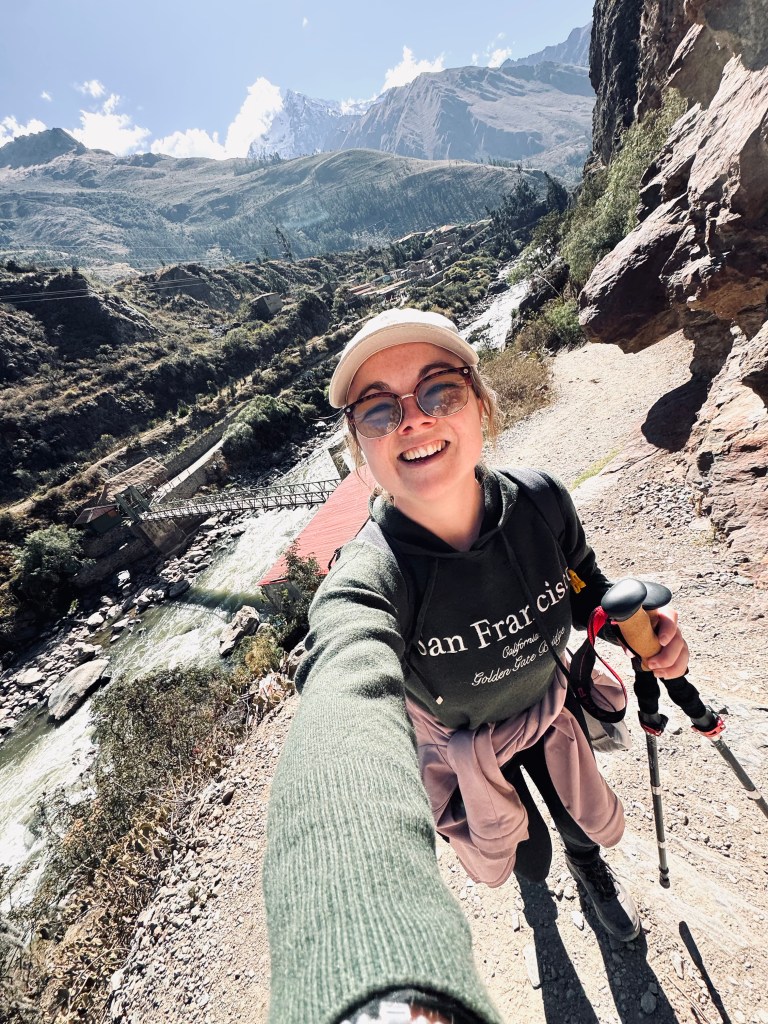
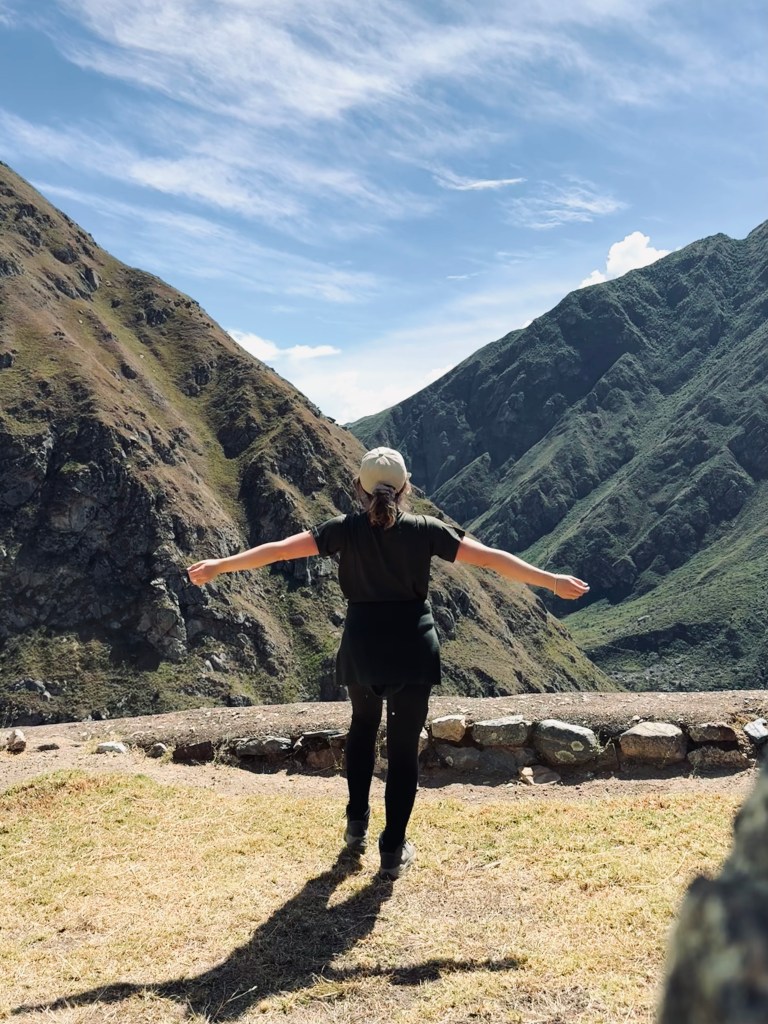
Day 1 covered about 12 km of hiking (roughly 27,000 steps for my little legs!), and while it was a steady incline, it was more of a “warm-up day” compared to what was to come. The views were unreal – sweeping mountain panoramas, ancient terraces, and plenty of snack breaks to soak it all in.
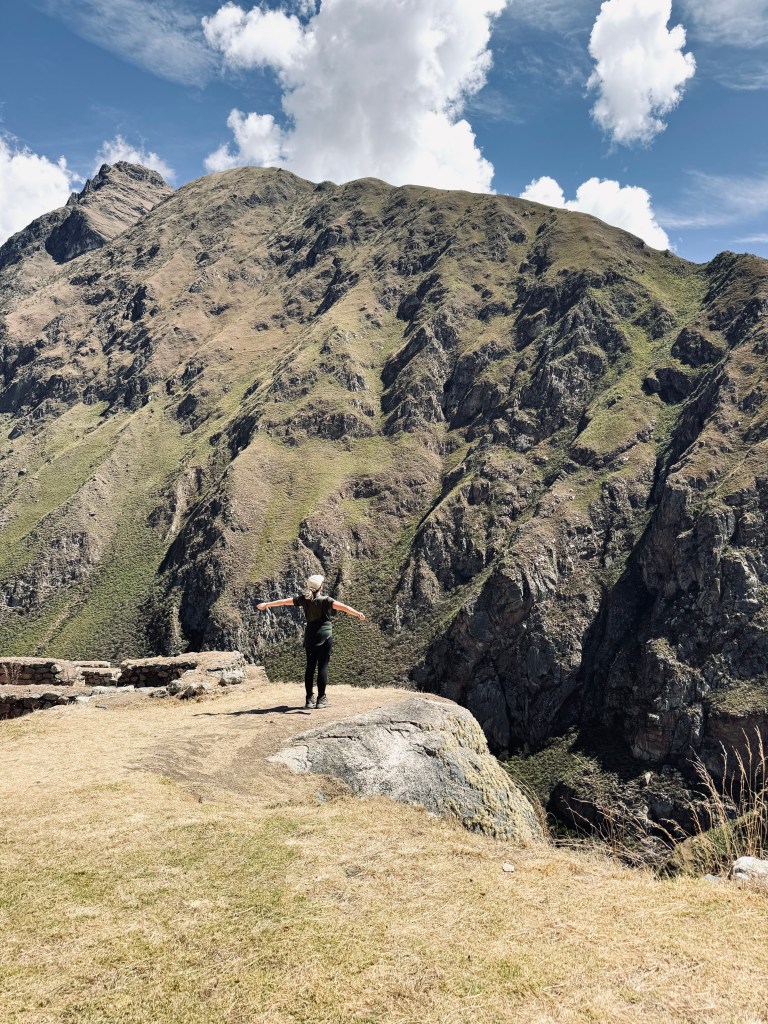
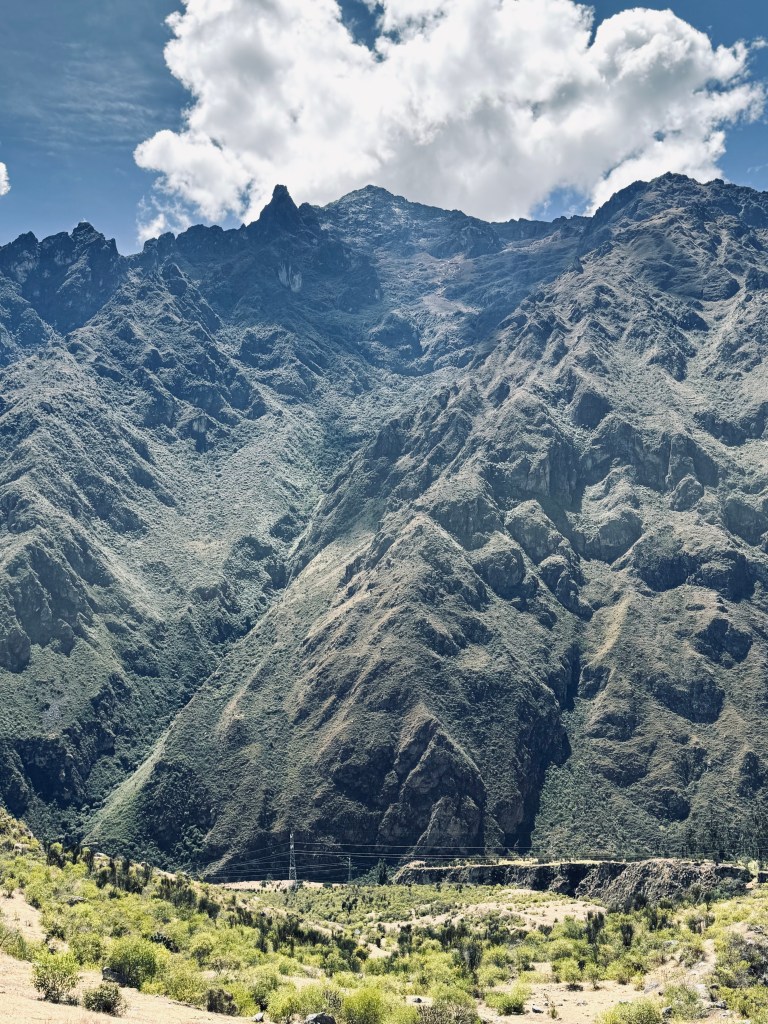
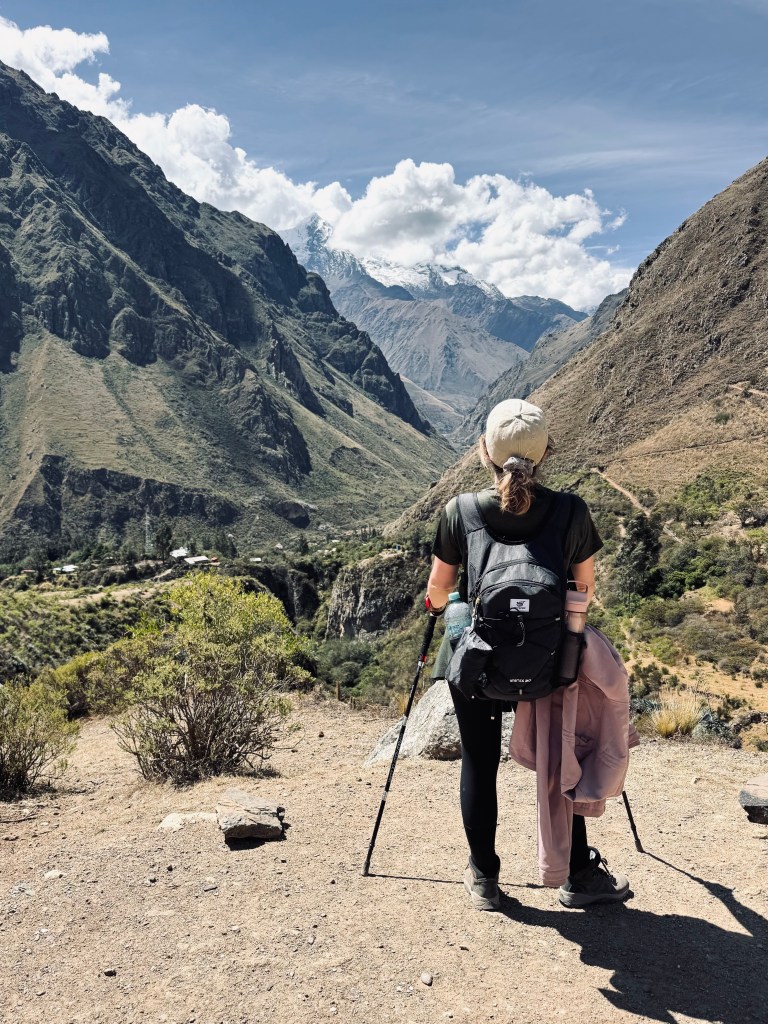
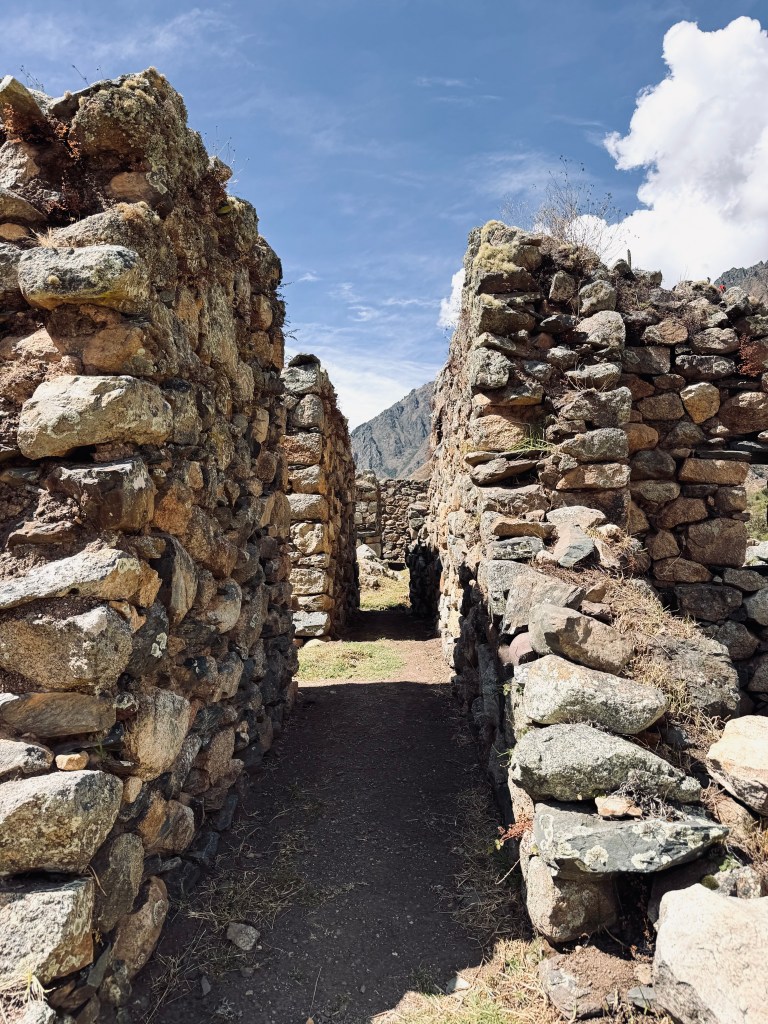
✨ Highlights of Day 1:
- Meeting my amazing trekking group (two Swiss, two Irish, and three Aussies including me 🫶).
- Exploring our first Incan archaeological site along the way.
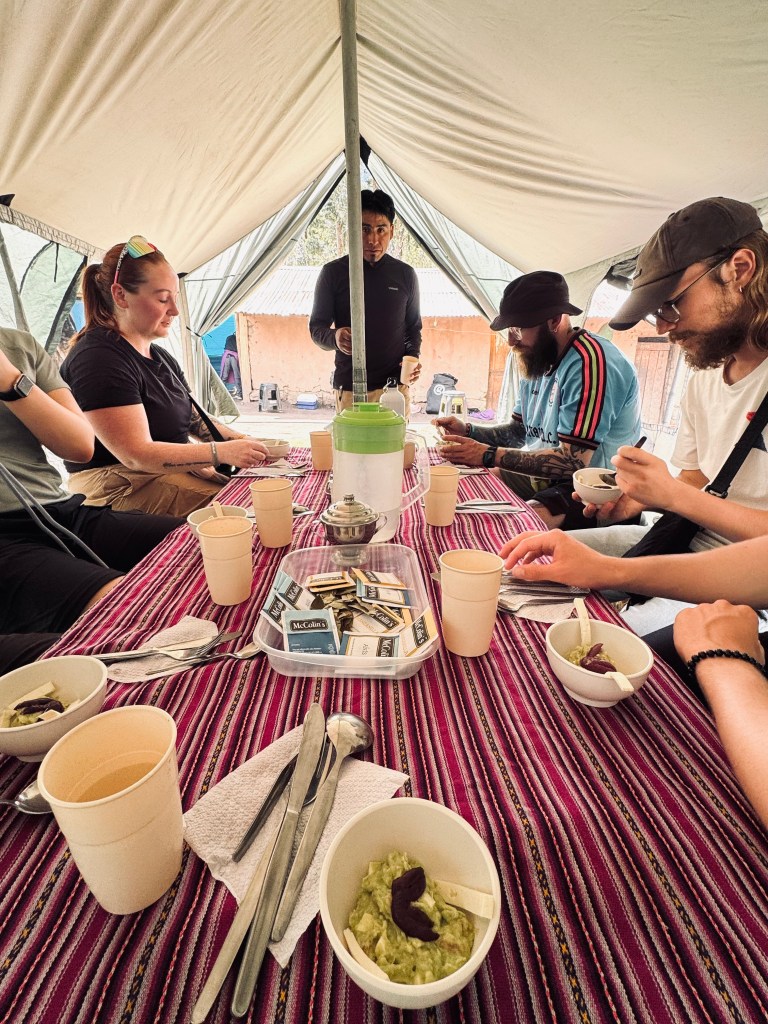
- Being completely spoiled with a three-course lunch in the Andes including guacamole?? (how our chef carried fresh eggs, veggies, and even baking supplies blew my mind!).
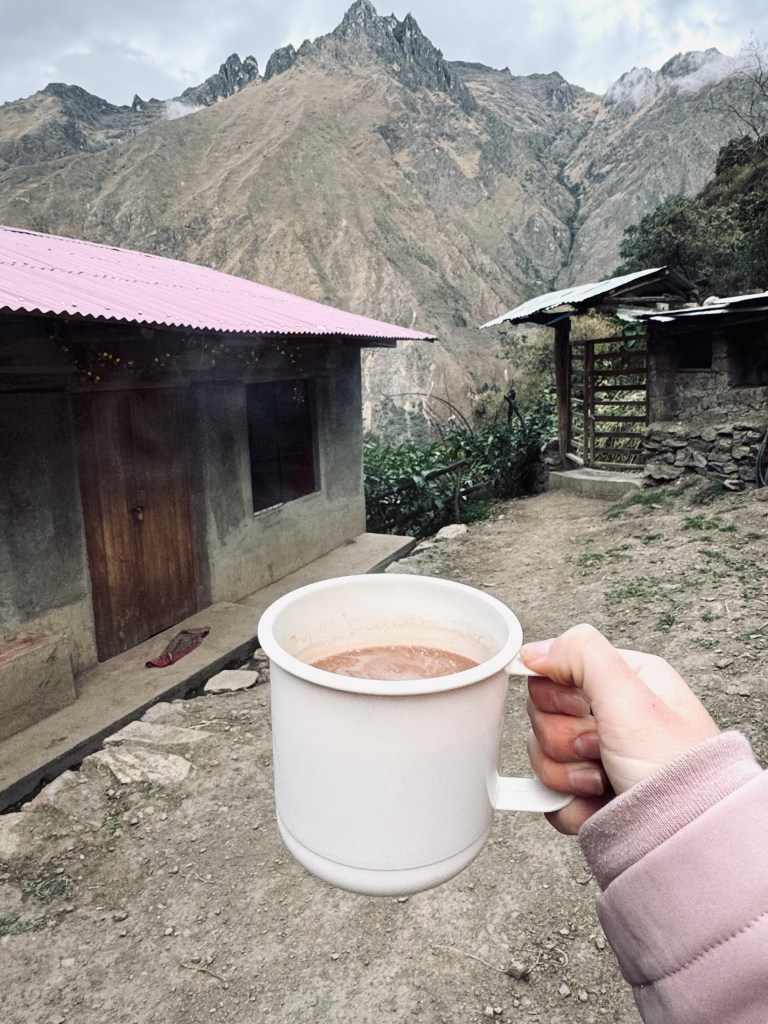
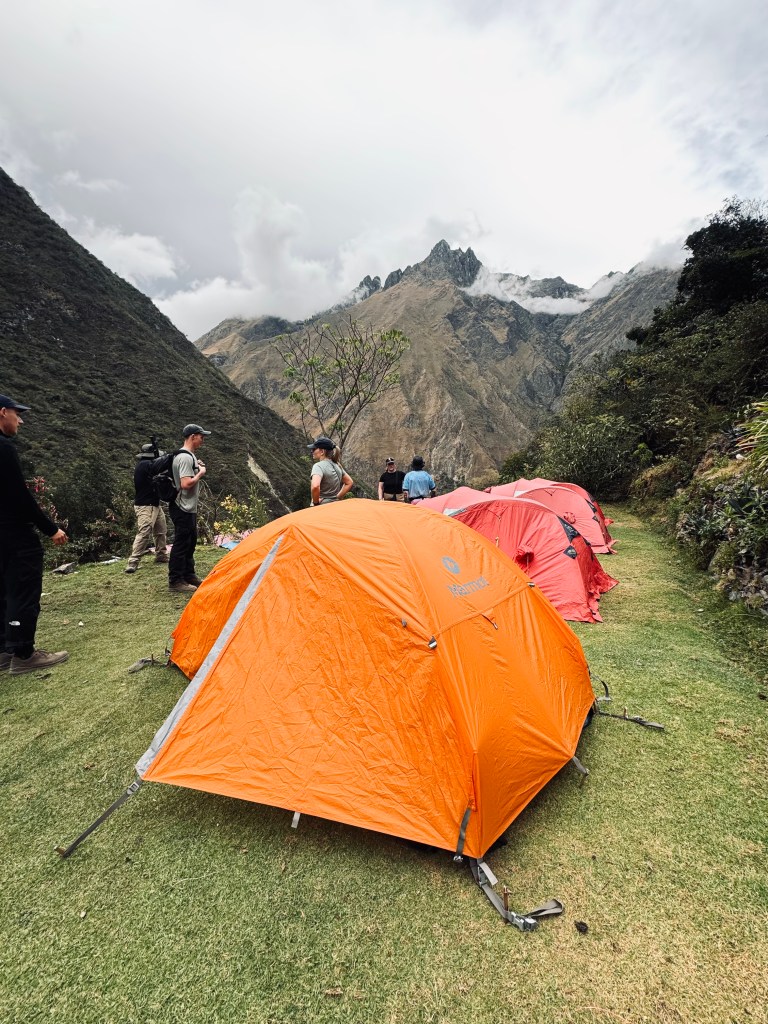
- Arriving at camp to applause from our porters — tents set up, hot water ready to wash up, and even “tea time” with hot chocolate and biscuits before dinner.
We went to bed early with a 5am wake-up call ahead, buzzing with excitement for the journey to come.
💡 Tips for Day 1 of the Inca Trail:
- Enjoy the meals! The trekking chefs pull off absolute miracles, creating three course meals up in the Andes – it’s one of the best parts of the experience.
- Don’t underestimate this “warm-up day” – the altitude can still make it feel tougher than expected, so pace yourself and drink plenty of water.
- Hiking poles are a lifesaver, especially on uneven terrain
- Pack electrolytes for rehydrating and coca leaves to help with altitude.
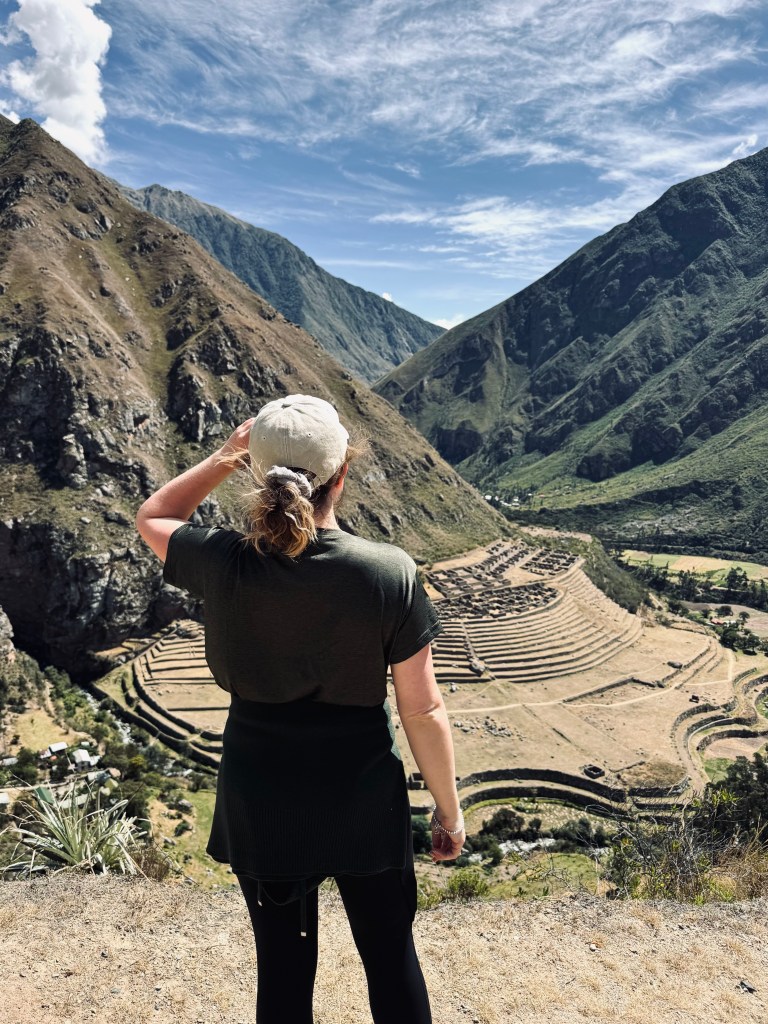
Day 16: Inca Trail (Day Two)
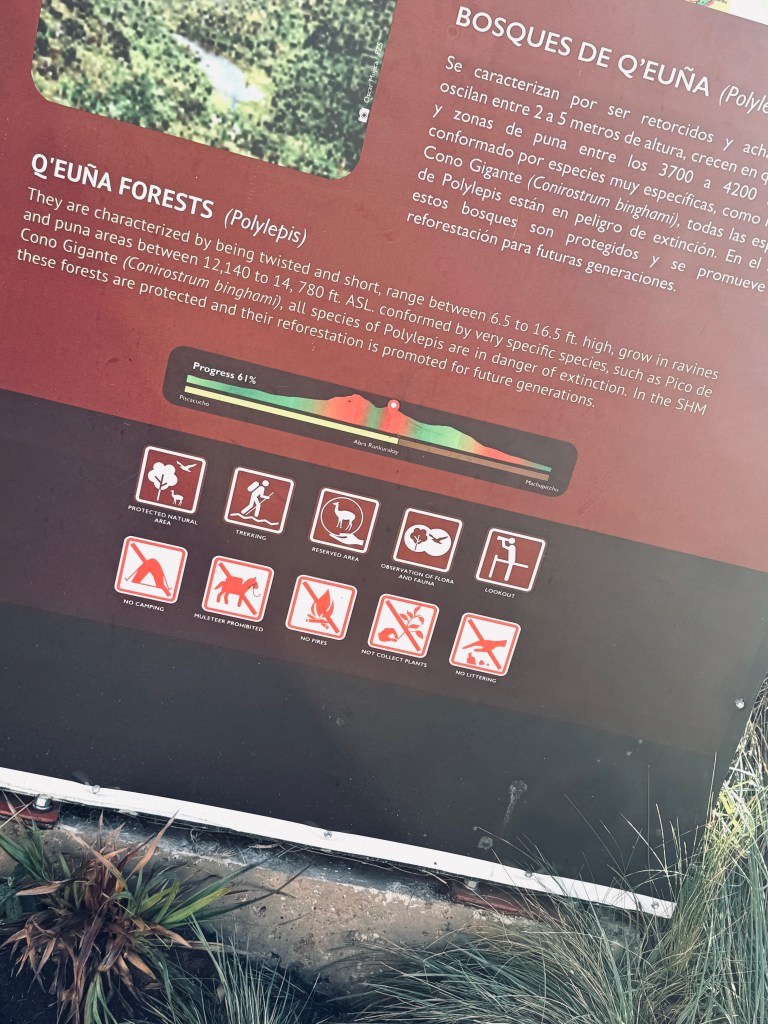
This was the big one. The hardest day of the trek. Our mission? To climb to Dead Woman’s Pass (4,215m / 13,828 ft) the highest point of the Inca Trail.
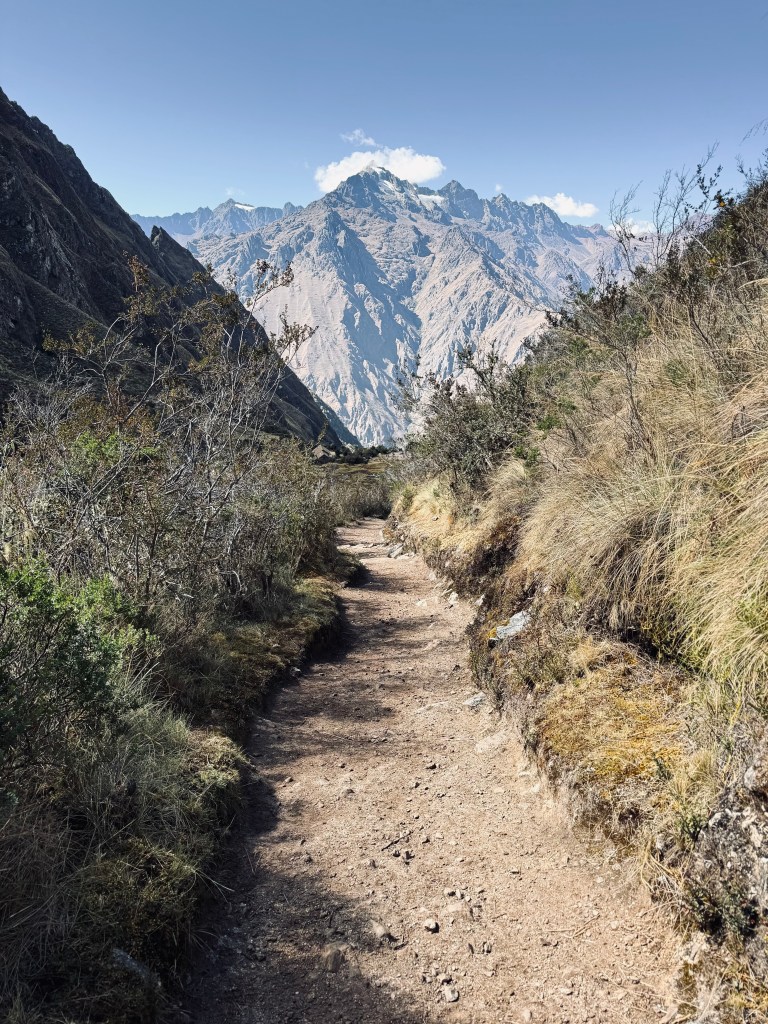
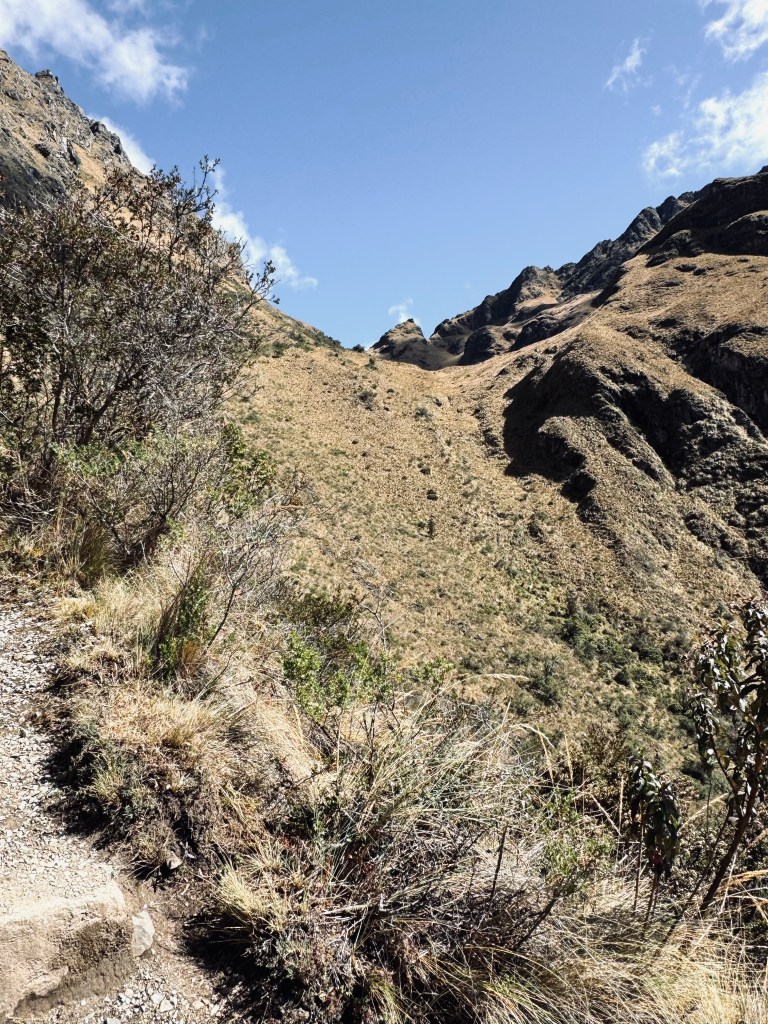
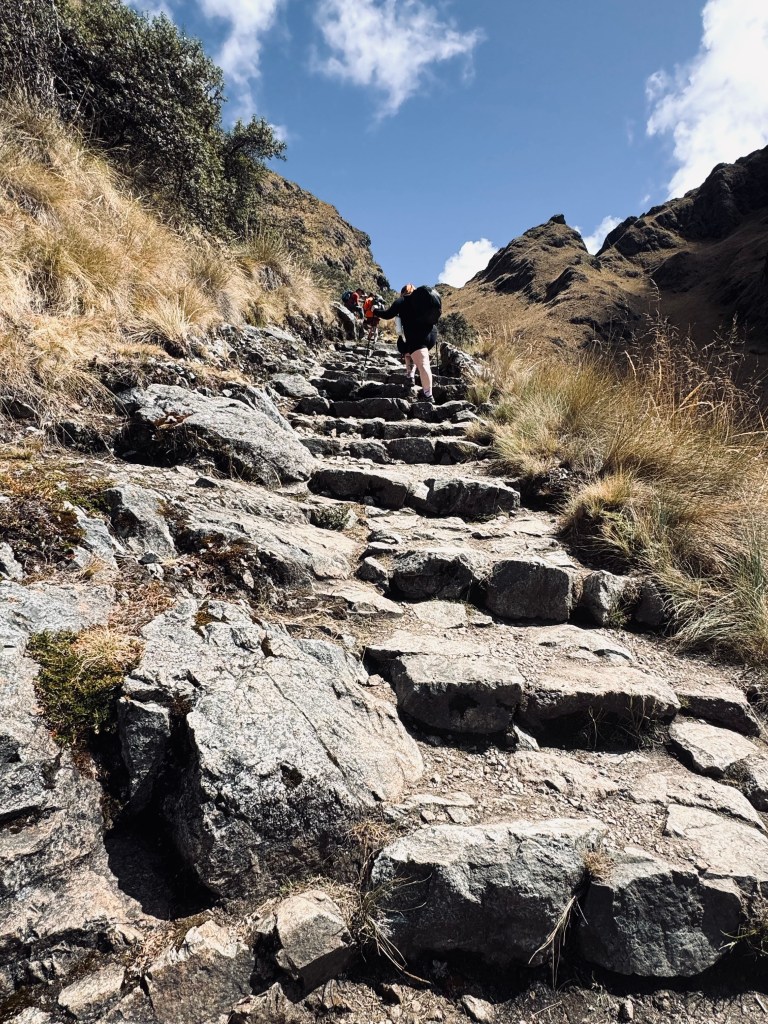
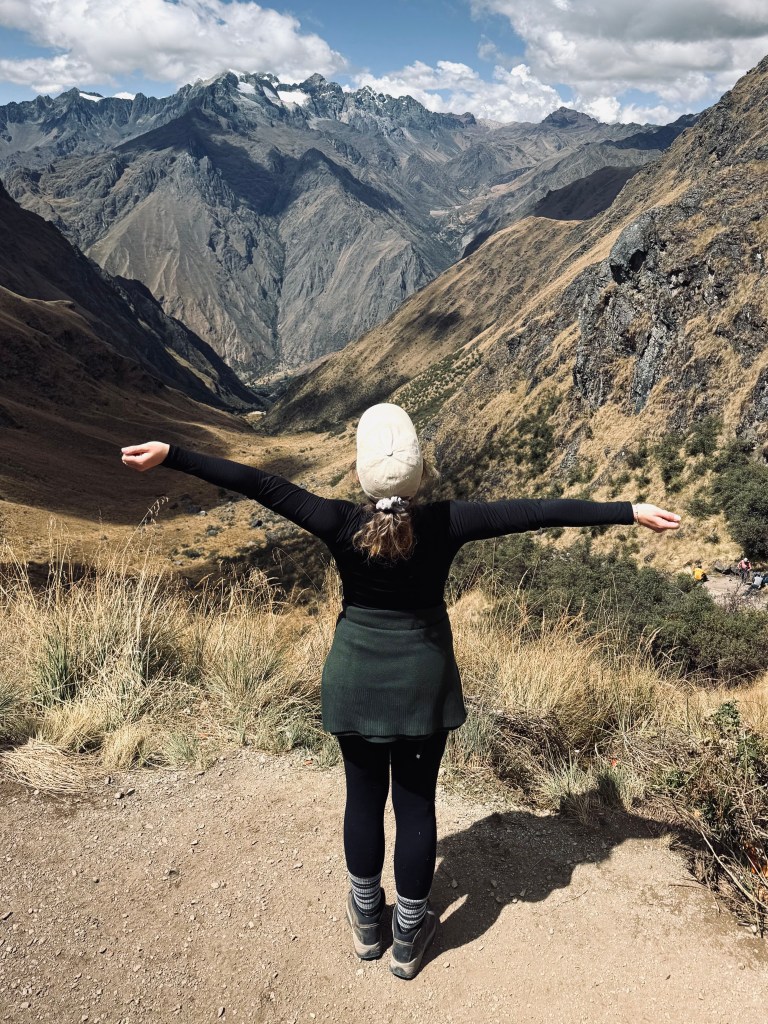
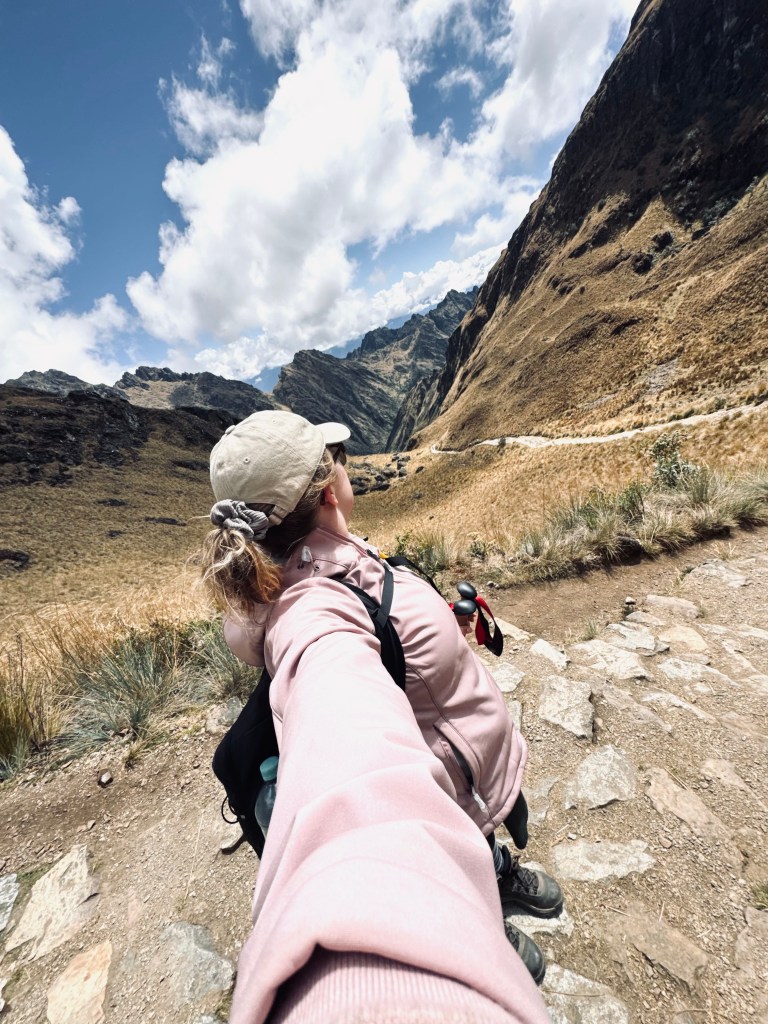
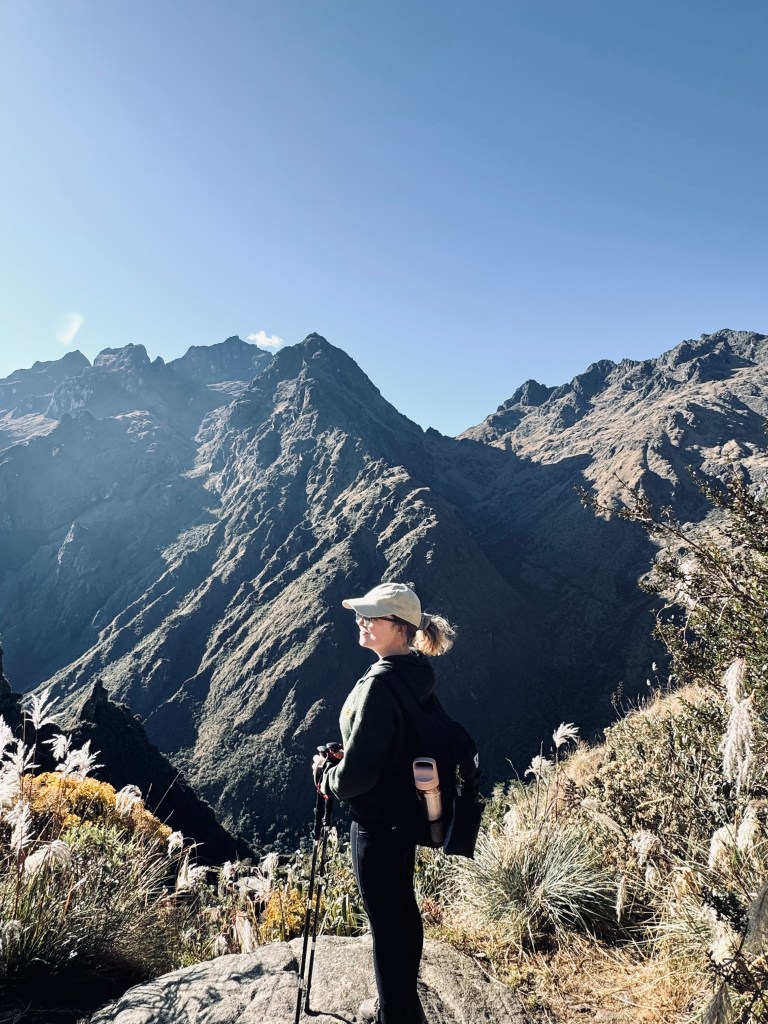
The ascent was brutal: 8 km of stone steps straight up. The altitude made it even harder — we were stopping every 10 minutes just to catch our breath 😅. But the views kept us going. And when I finally reached the top, I completely broke down in tears 🥲. It wasn’t just about the mountain – it was about proving to myself that I could do hard things, both physically and emotionally.
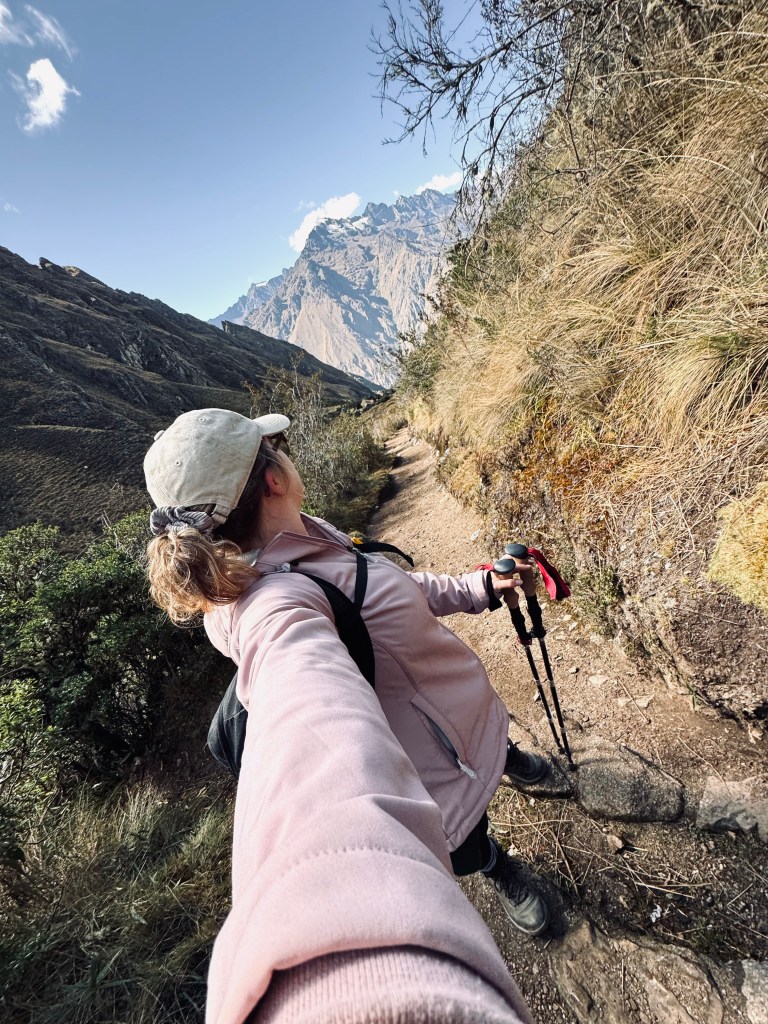
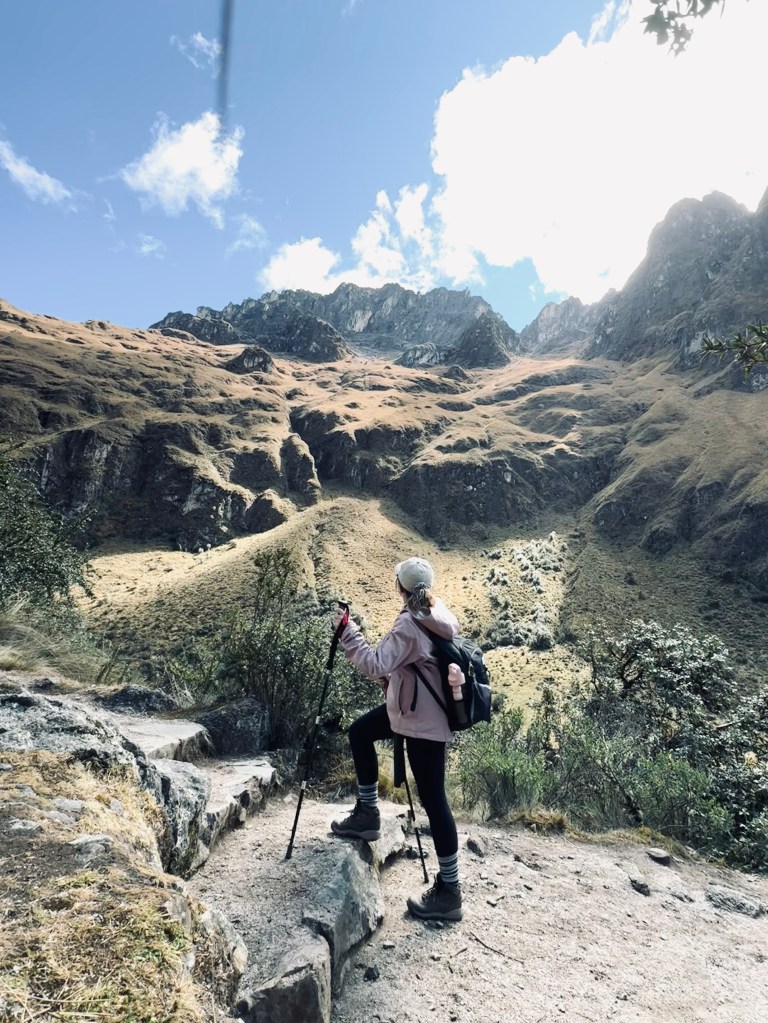
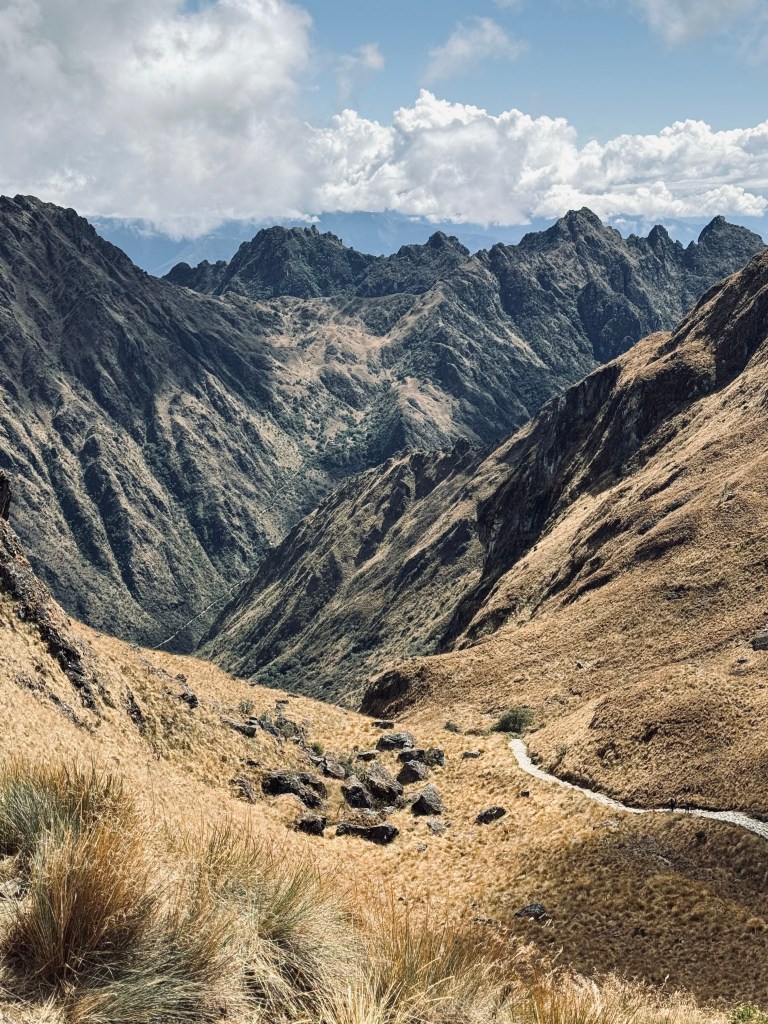
After celebrating at the summit, it was another 8 km of steep downhill steps into the next valley (my knees were not impressed haha). But the scenery? Unreal. Cloud forests, ancient paths, and the knowledge that most of the stones we were walking on were original Inca construction.
✨ Highlights of Day 2:
- Reaching the summit of Dead Woman’s Pass 🥹
- That first glimpse back over the valleys we’d crossed.
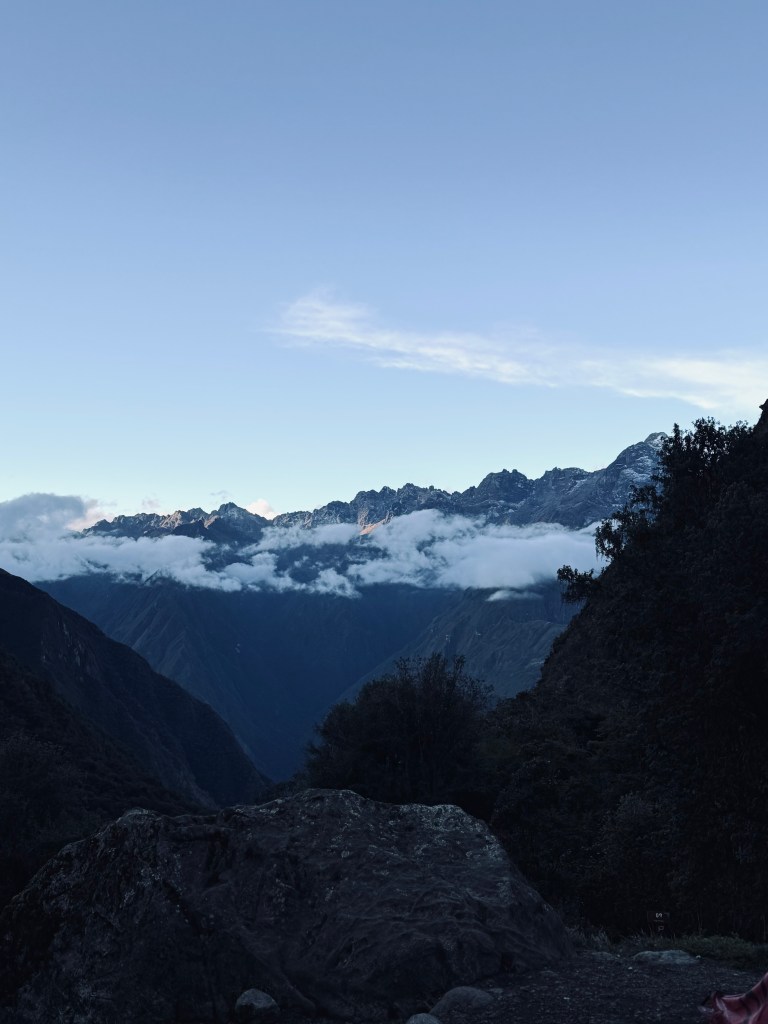
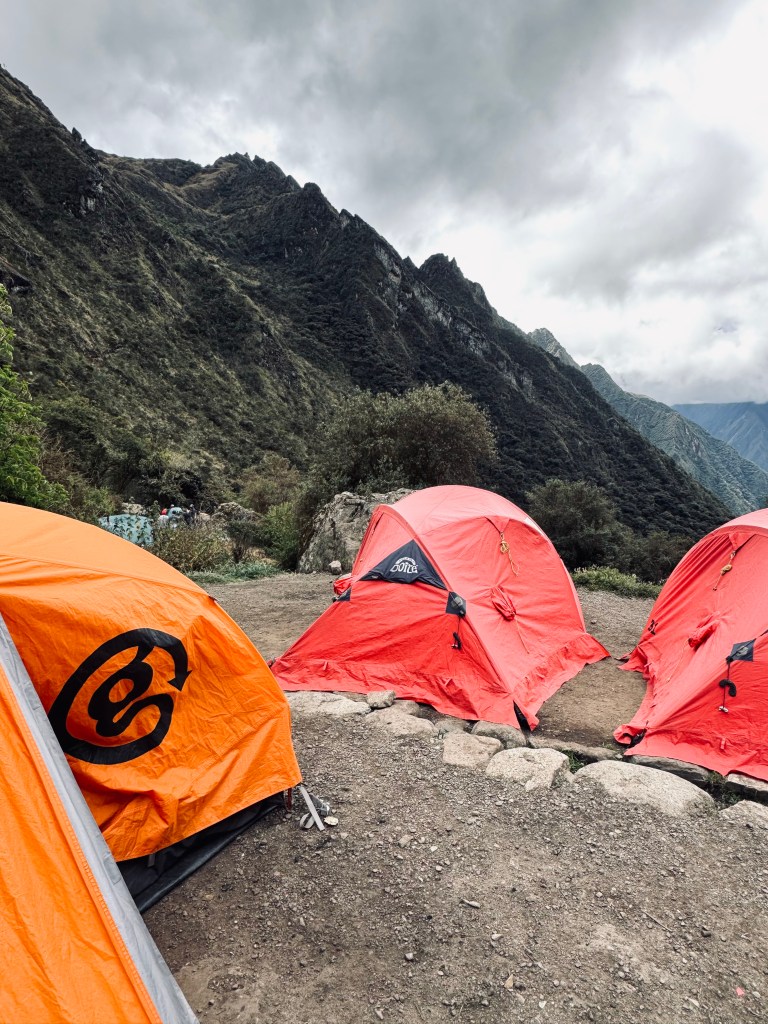
- Arriving at camp early, with time to nap, eat, and enjoy the view from one of the most beautiful campsites ever.
💡 Advice for Day 2 of the Inca Trail
- Take it slow: The altitude makes everything harder, so pace yourself. Break the climb into small sections – I found “10 steps, breathe, repeat” worked best.
- Walking poles are lifesavers: They take the pressure off your knees on the steep downhill.
- Layer up: You’ll go from sweating on the climb to freezing at the top, so pack gloves and a warm layer in your daypack.
- Snacks = motivation: Energy gels, chocolate, or coca leaves gave me the little boosts I needed to keep moving.
- Mental game matters: Dead Woman’s Pass is tough, but remind yourself that everyone else is struggling too. The sense of achievement at the top makes every step worth it.
Day 17: Inca Trail (Day Three)
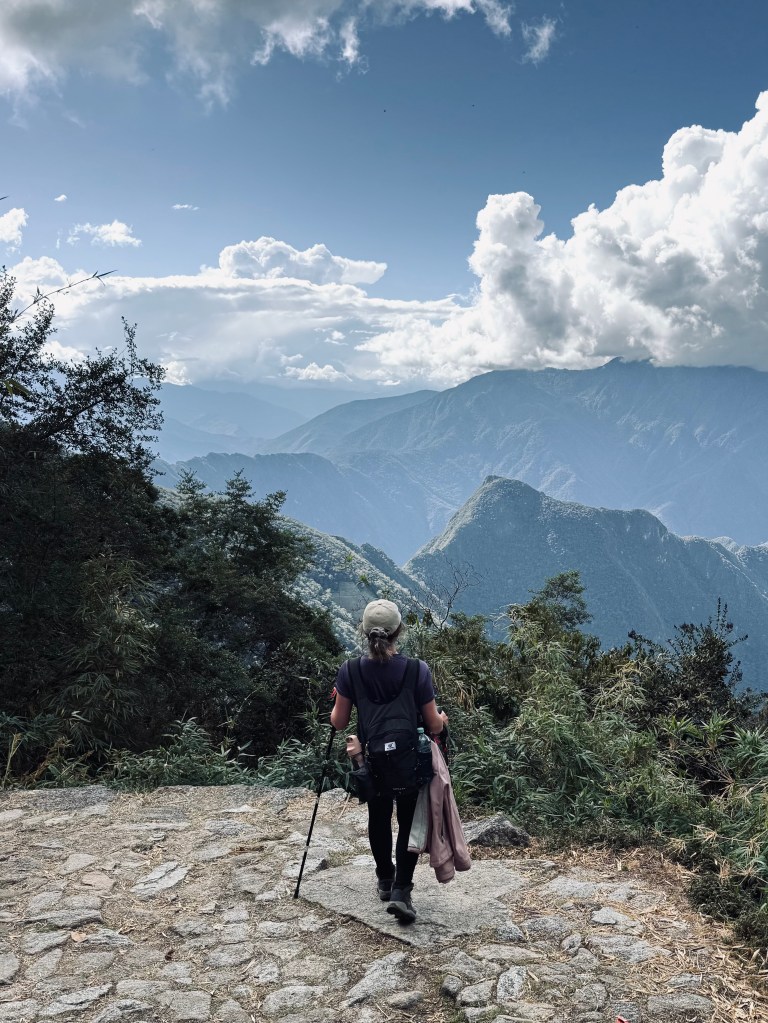
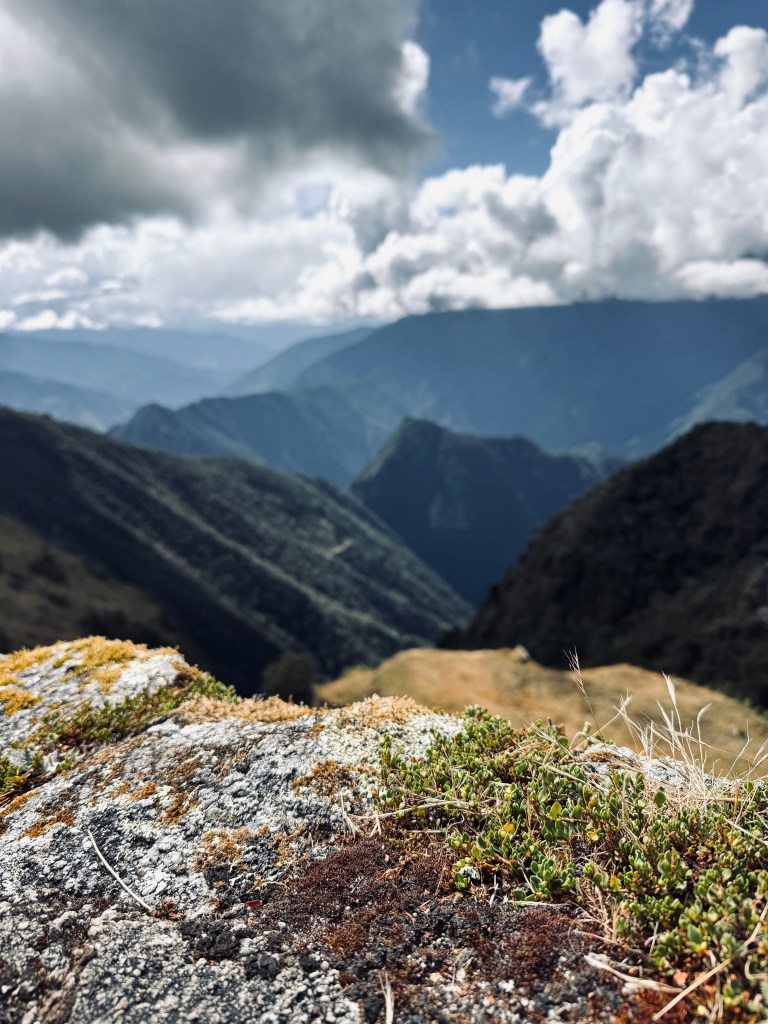
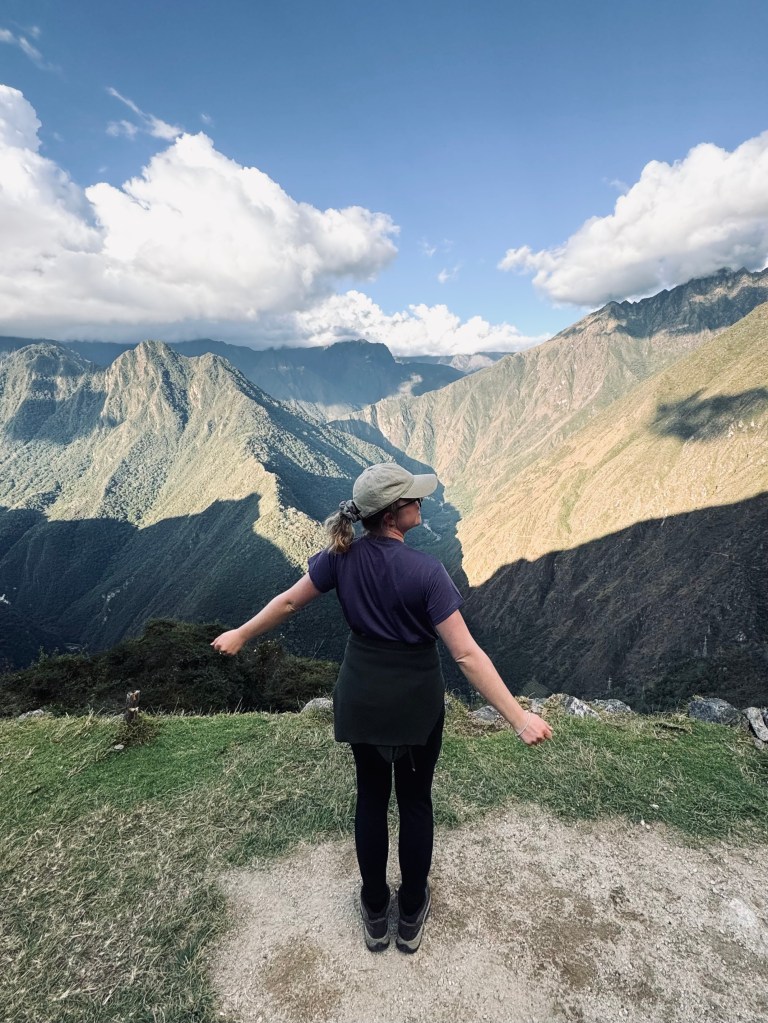
Day 3 was the longest day of the trek: 16 km (over 30,000 steps #blisters 😅). Most of it was steep downhill, which was rough on the knees, but the scenery changed dramatically. Gone were the dry mountain passes – instead we entered lush cloud forest, with green mountains stretching endlessly in every direction.
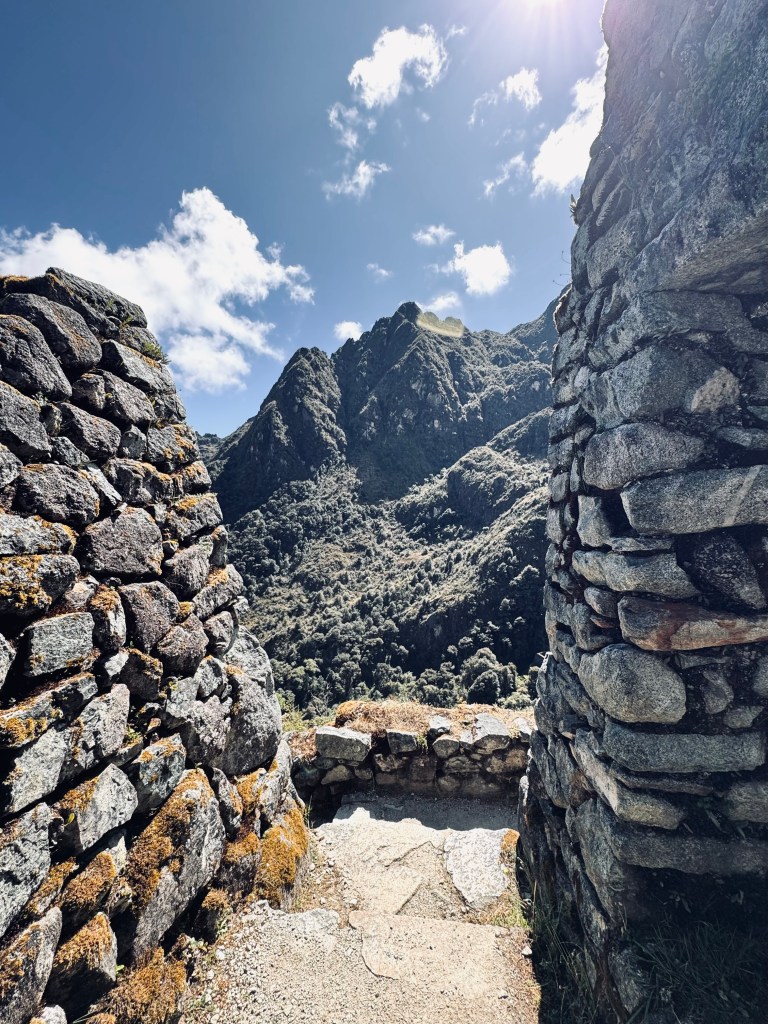
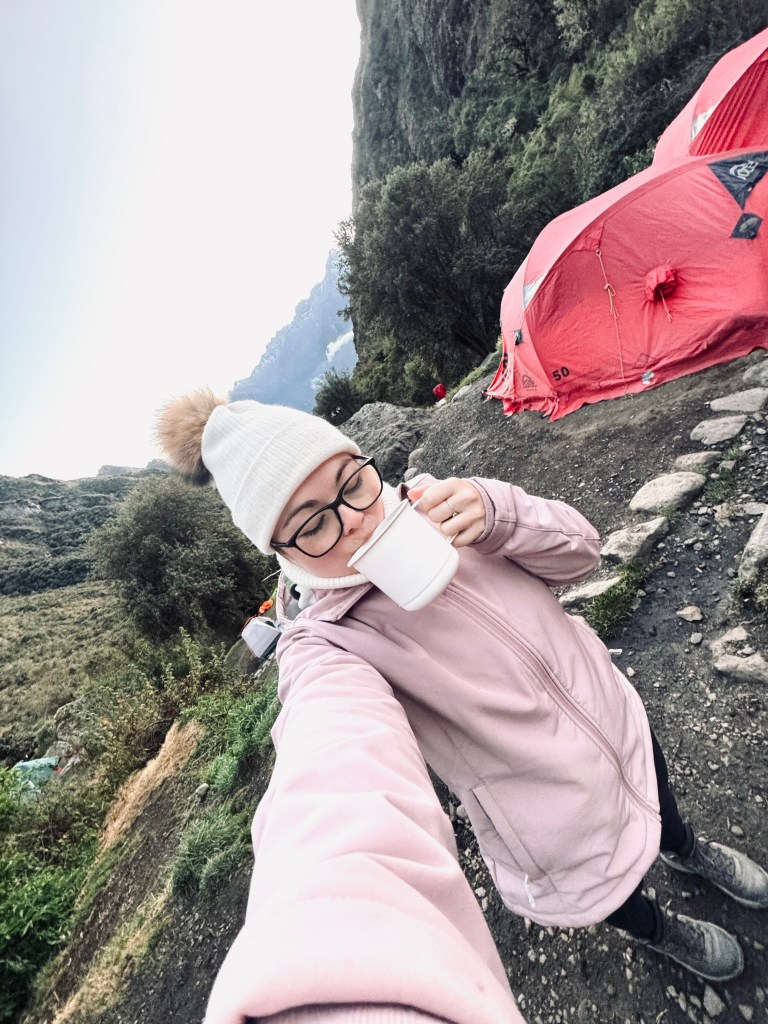
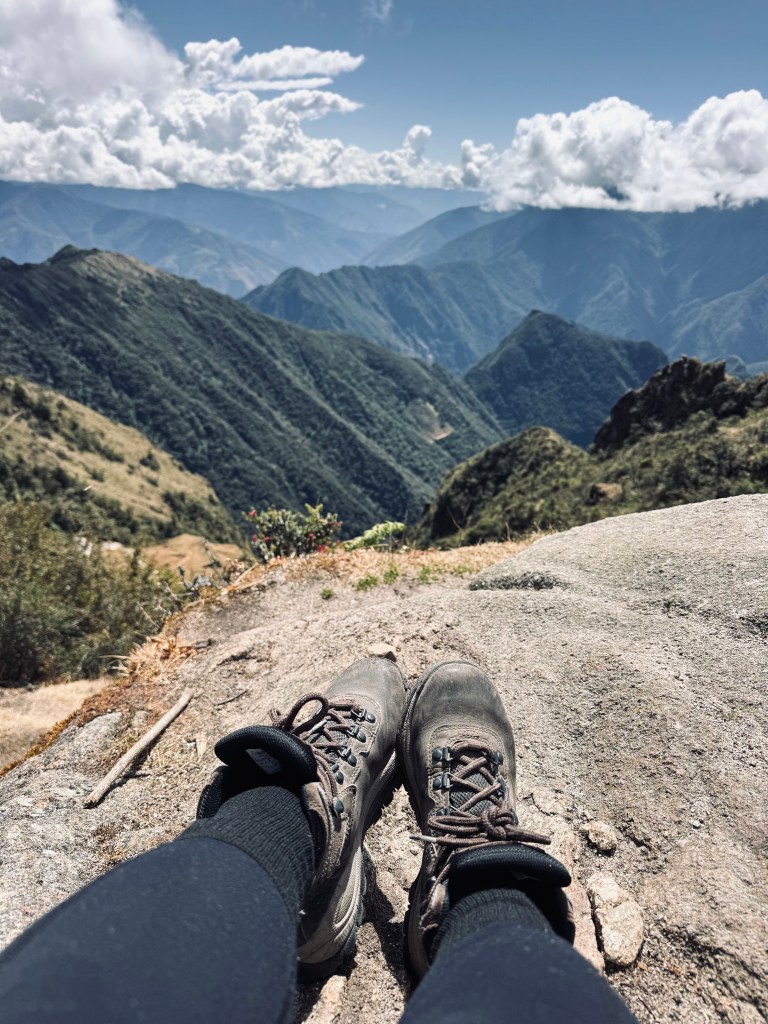
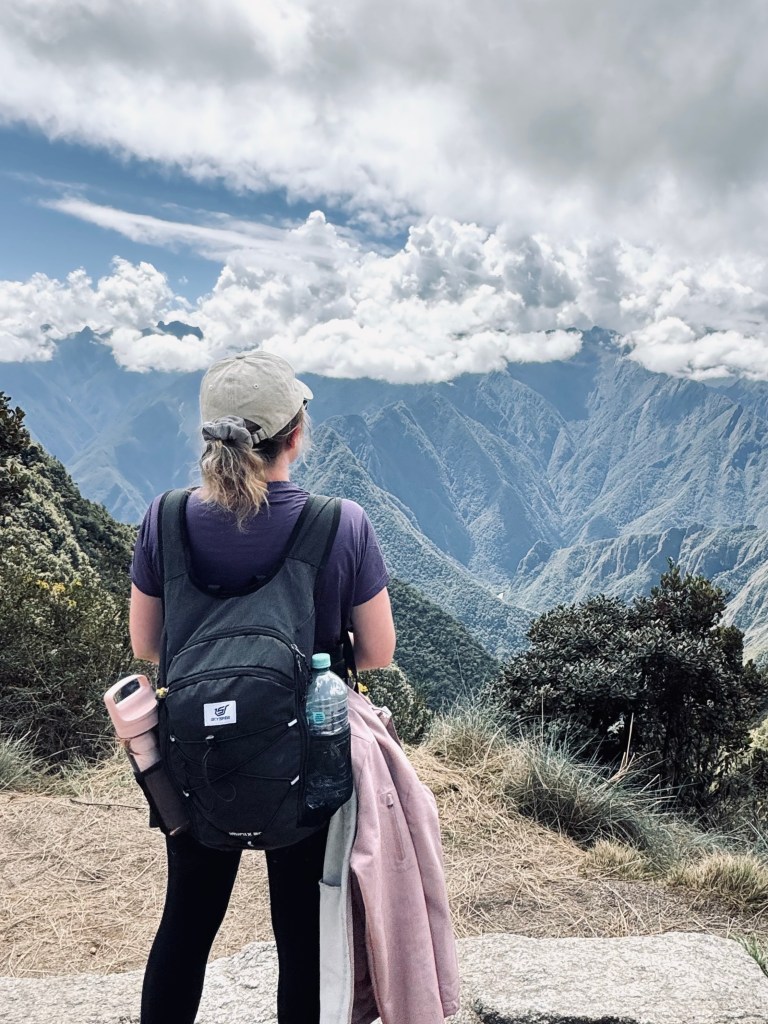
The suspense was building, too. Toward the end of the day, we got our first glimpse of Machu Picchu mountain (though we got no spoilers of the city itself yet!).
✨ Highlights of Day 3:
- Exploring more fascinating Inca ruins along the way.
- An insane lunch spread of Peruvian dishes whipped up by our trekking chef.
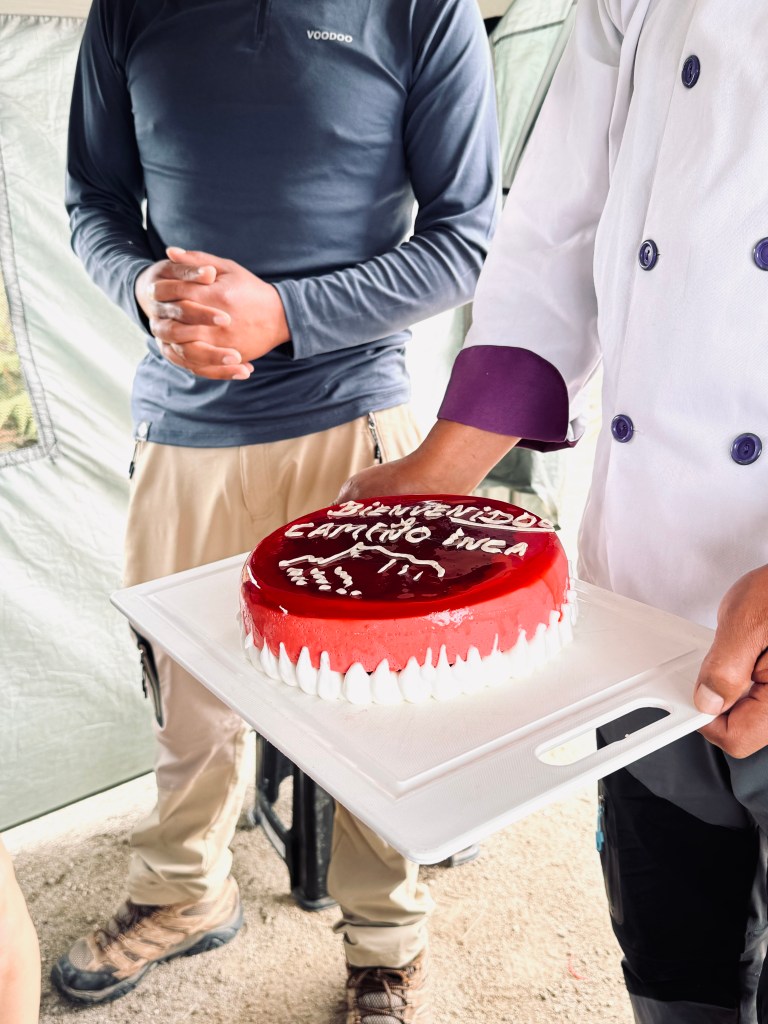
- The BIGGEST surprise – he baked us a full marble cake with jelly and icing… in the middle of the Andes?! 🤯
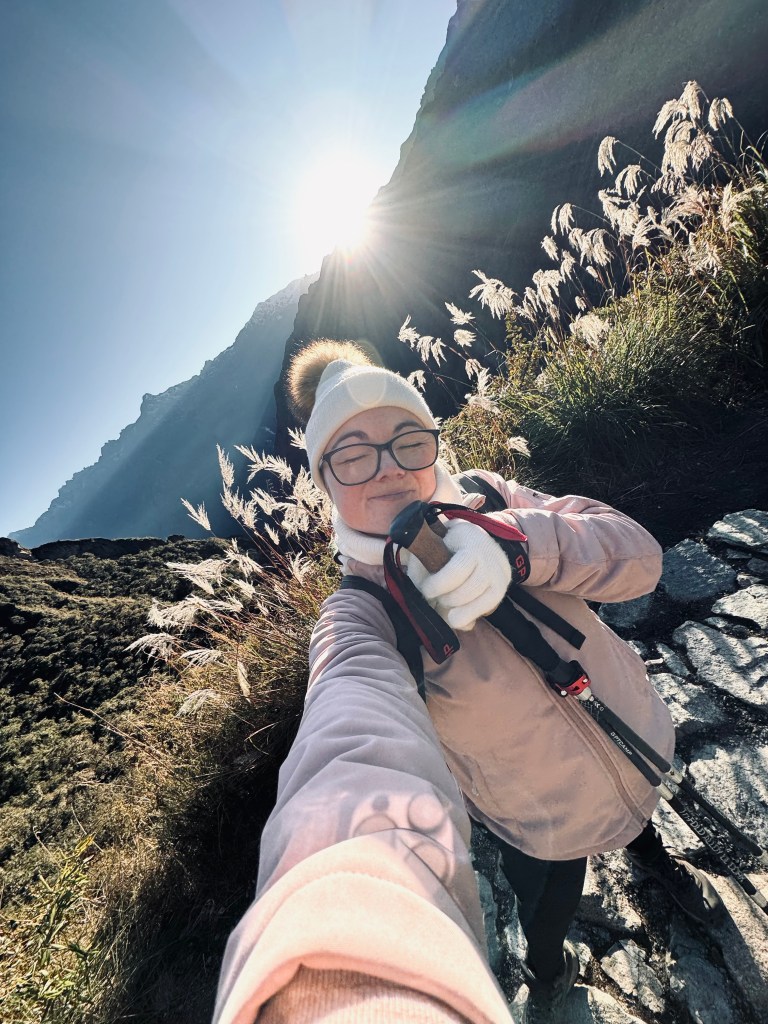
- Camping one last night under the stars, knowing Machu Picchu was just hours away.
💡 Advice for Day 3 of the Inca Trail
- Protect your knees: Steep downhill sections are brutal; trekking poles and mindful pacing are essential.
- Blister care: This is the day most people feel it (I certainly did!) Pack bandages and tape just in case.
- Hydrate & snack often: The cloud forest is humid and cooler, but you still burn a ton of calories.
- Layers are key: You’ll go from sunny clearings to misty forests, so be ready to adjust.
- Mental motivation: Remember, this is the last night on the trail before Machu Picchu. Keep your energy up and enjoy the incredible scenery – you’re almost there!
Day 18: Inca Trail (Day Four) – Machu Picchu
The final day started with a 3:30am wake-up call. The energy at camp was electric – this was it! After waiting at the last checkpoint, we hiked the final stretch of the trail, including the infamous “Monkey Stairs” (they’re basically vertical).
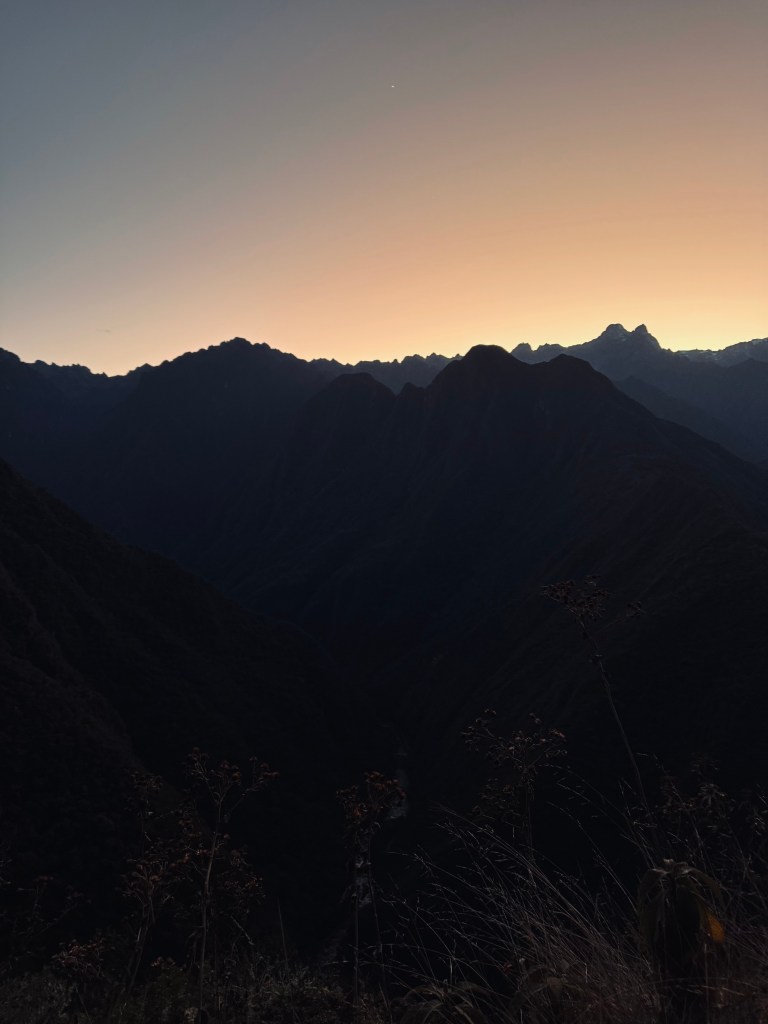
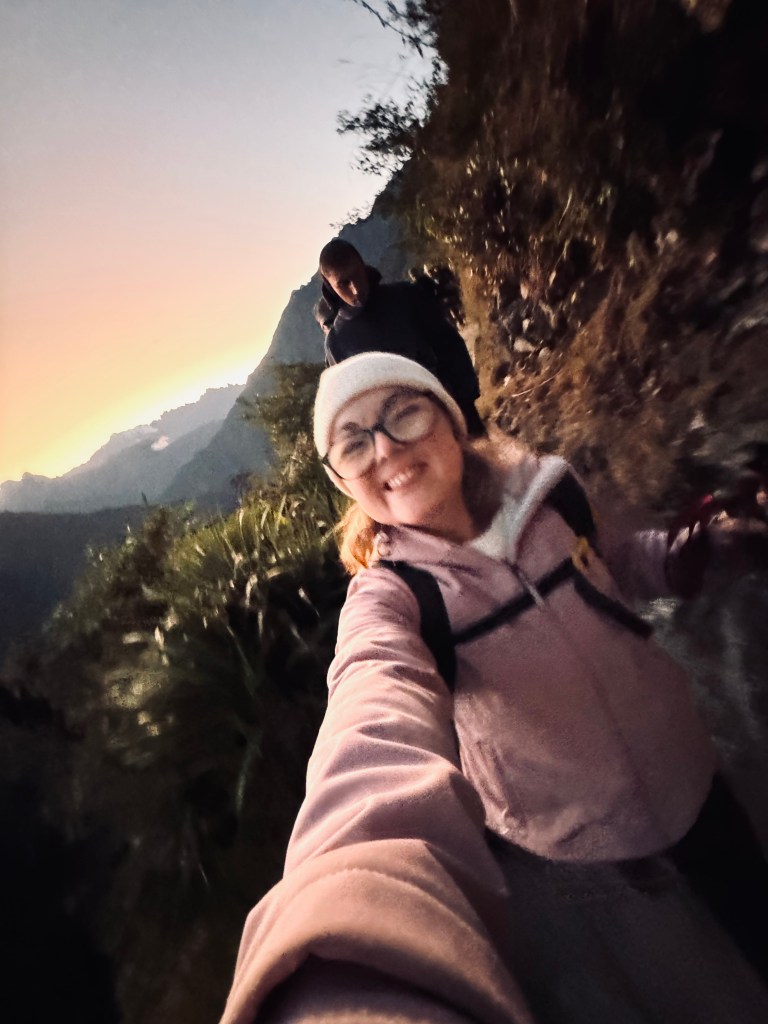
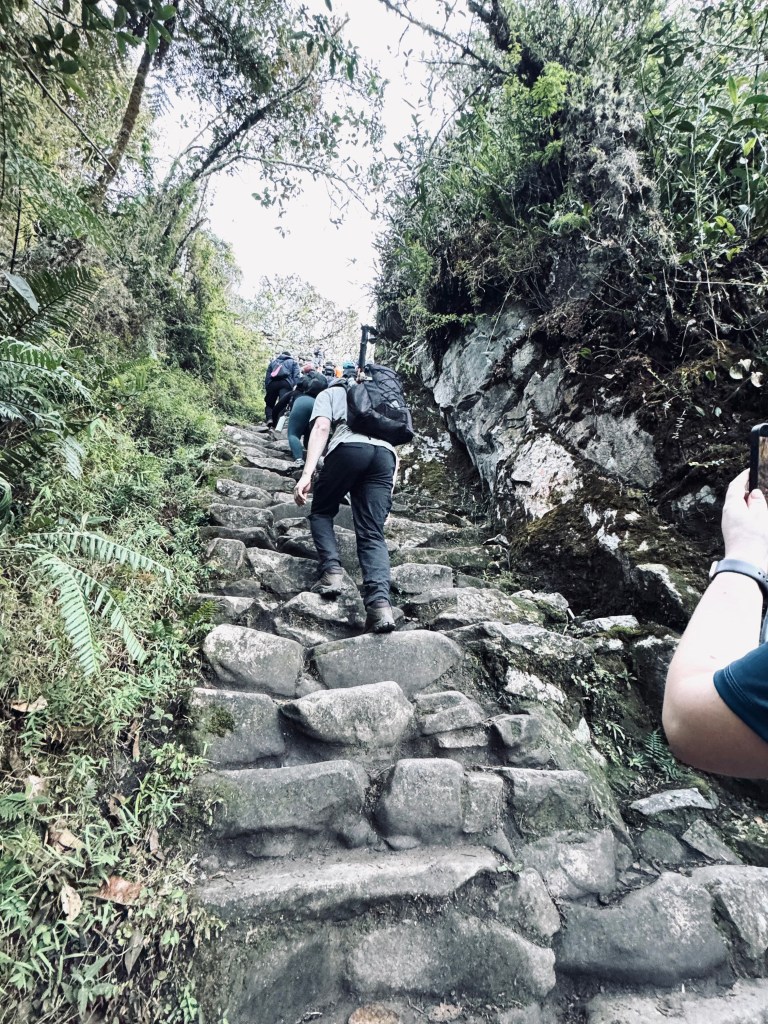
And then… we reached the Sun Gate.
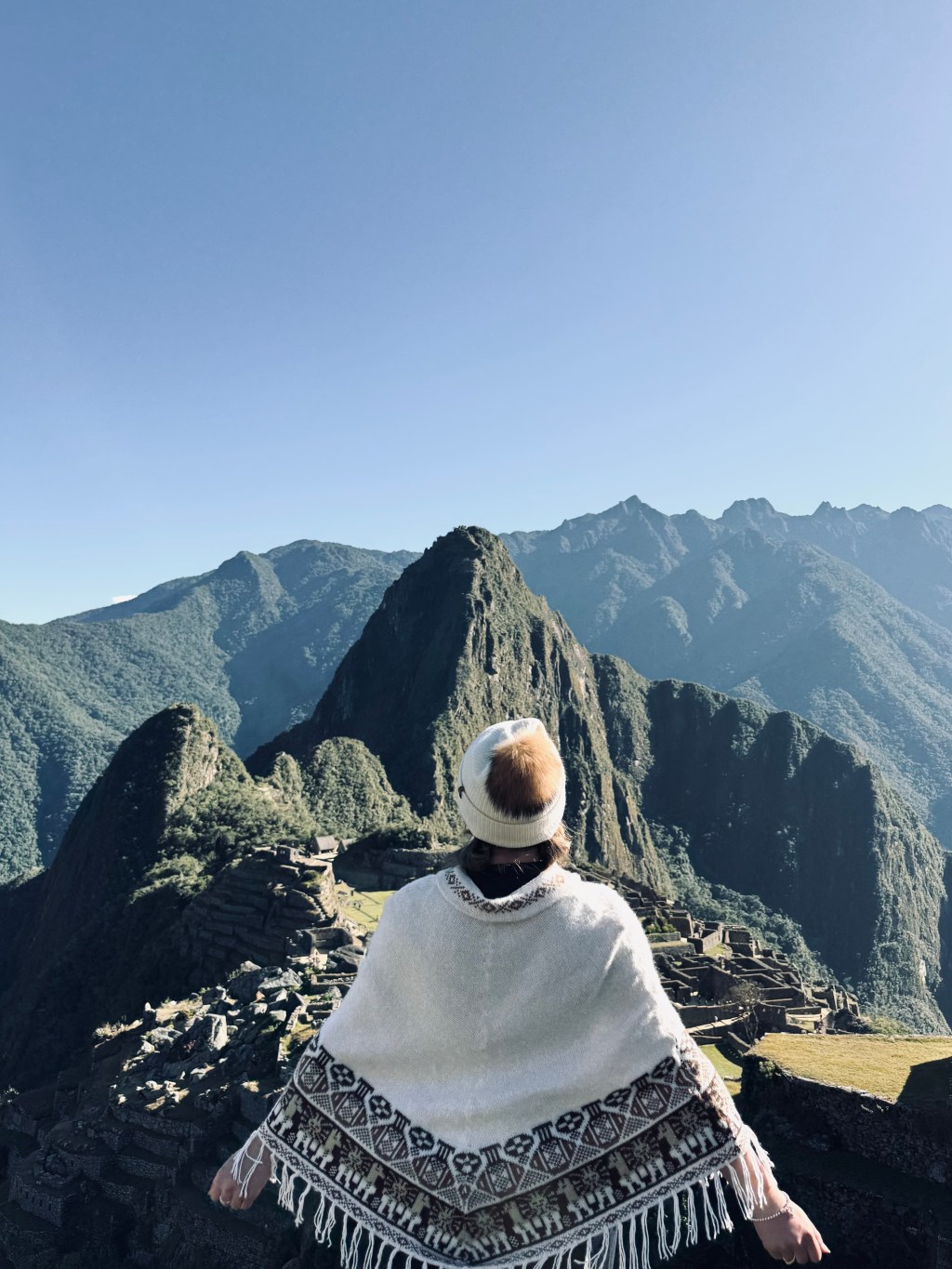
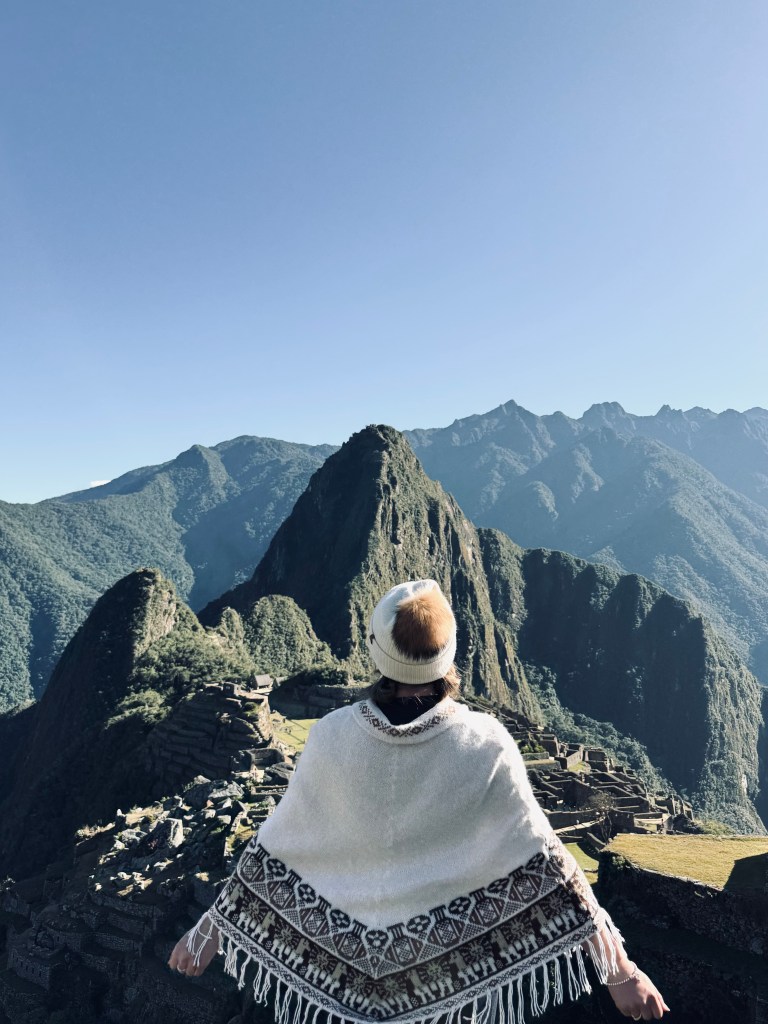
That first glimpse of Machu Picchu in the golden morning light is something I’ll never forget. Watching the sun rise over the city, with not a single cloud in sight, felt like pure magic. ✨
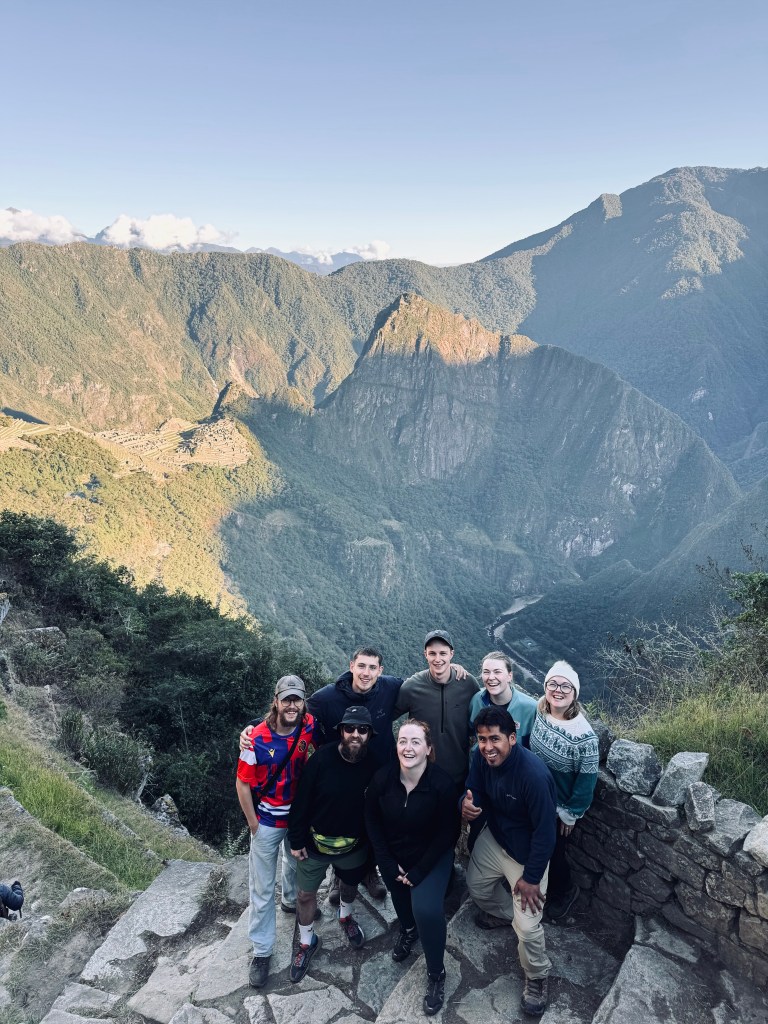
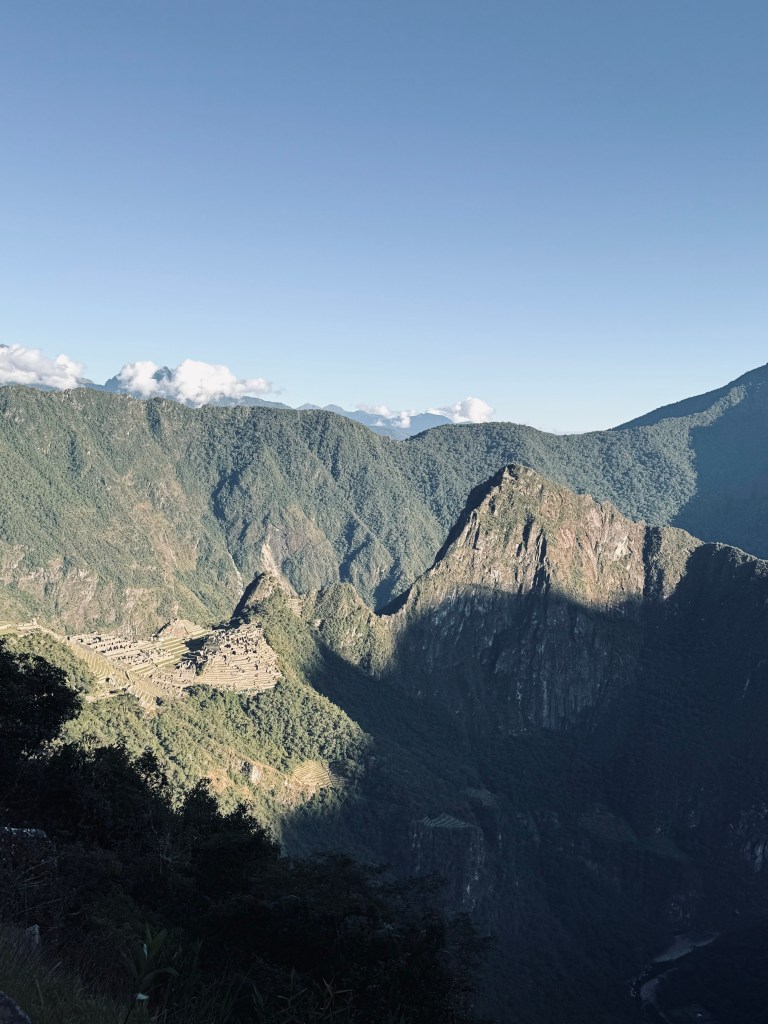
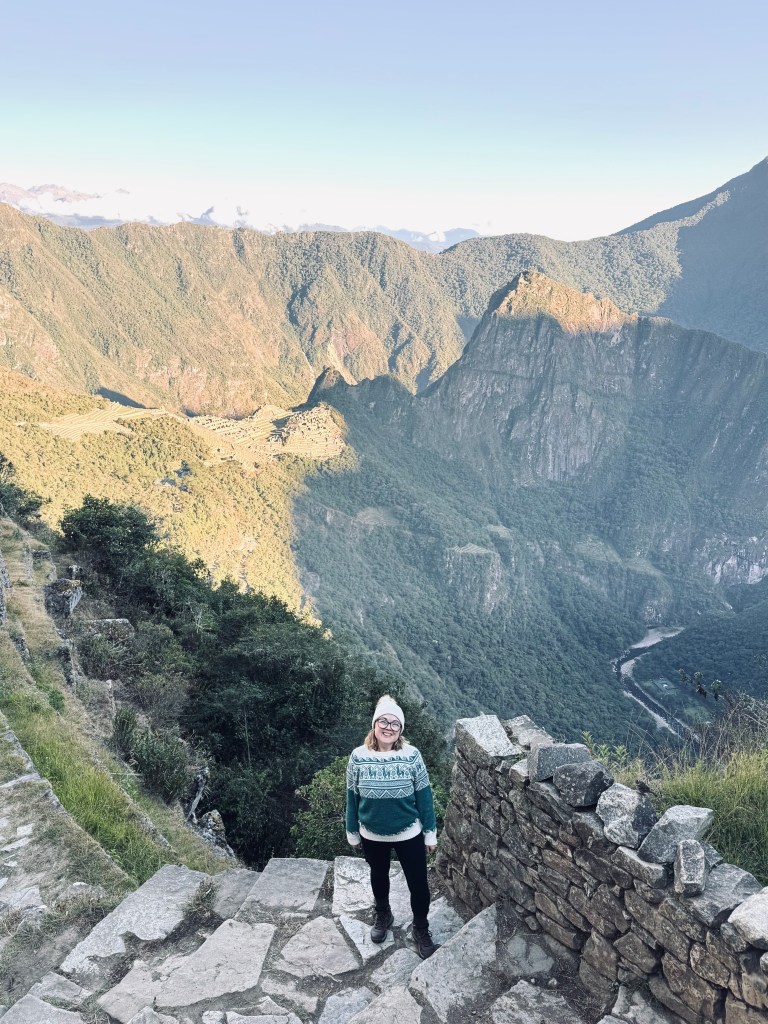
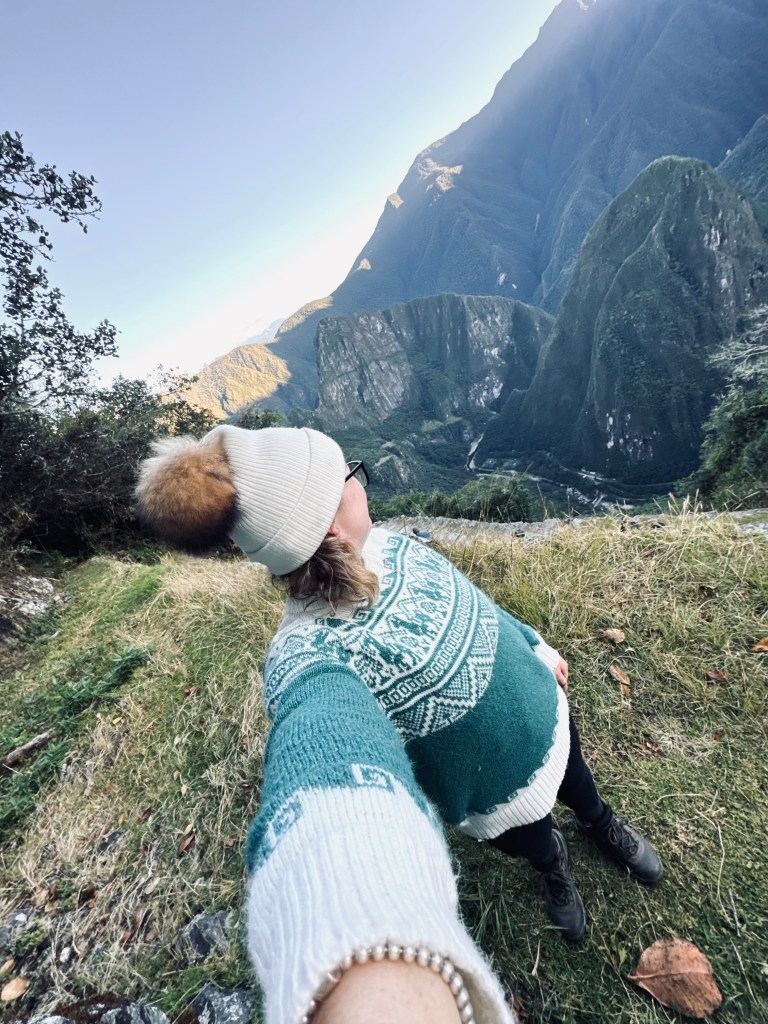
We then descended into the citadel itself, arriving at the iconic viewpoint you’ve seen in every photo — except this time, it was real. I was looking at a Wonder of the World. My heart could barely handle it. 🥹
Afterward, our guide gave us a full tour of Machu Picchu, which was the perfect way to end the journey. The only weird part? After four days in the wild, suddenly being surrounded by so many people again 😂.
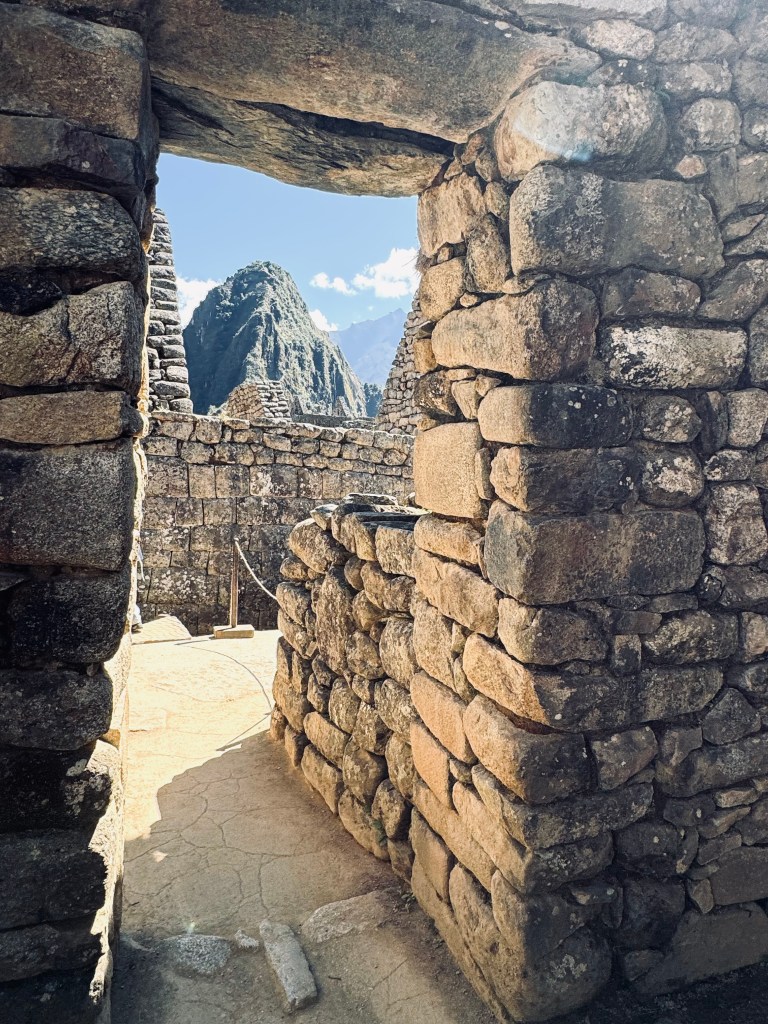
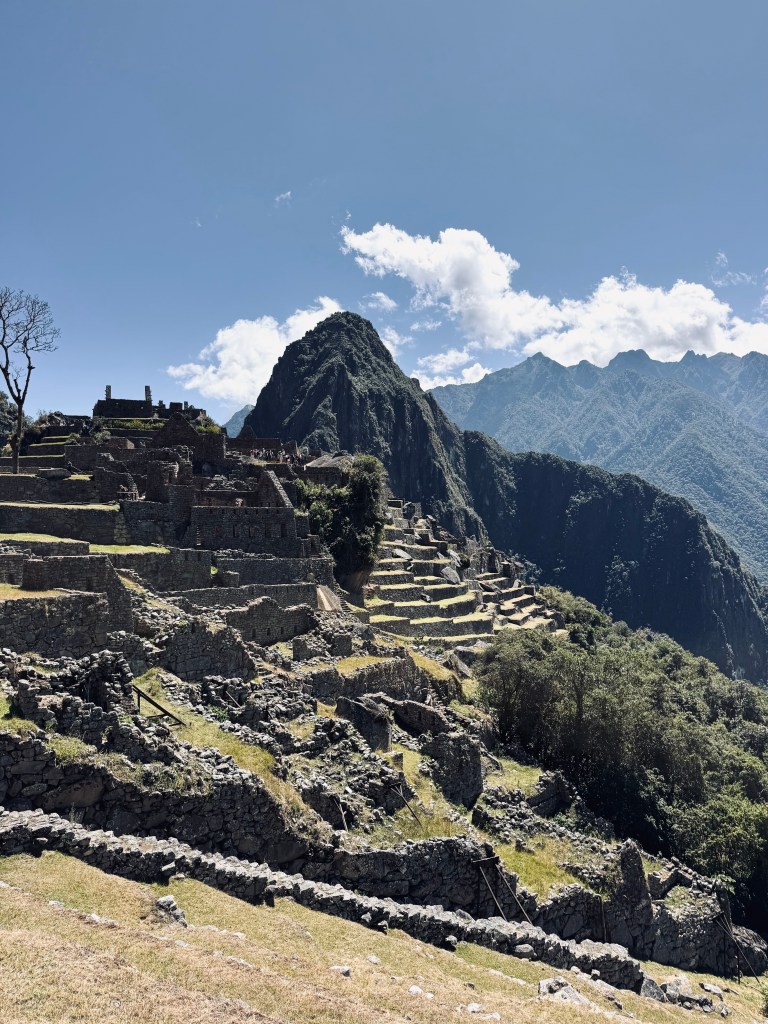
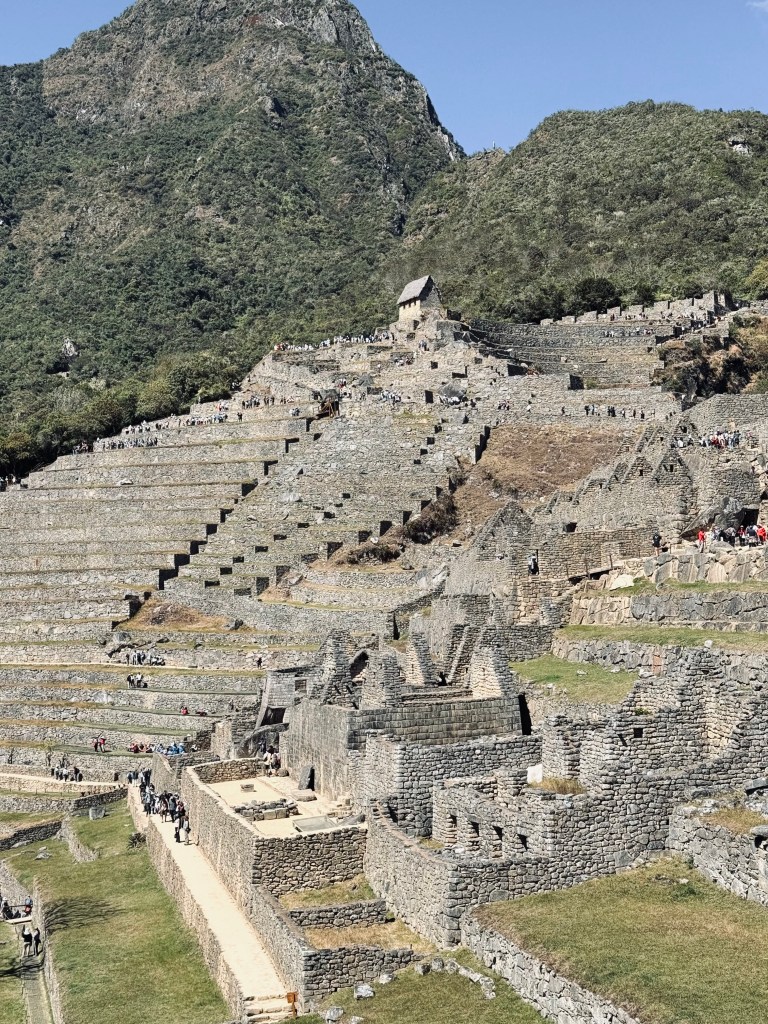
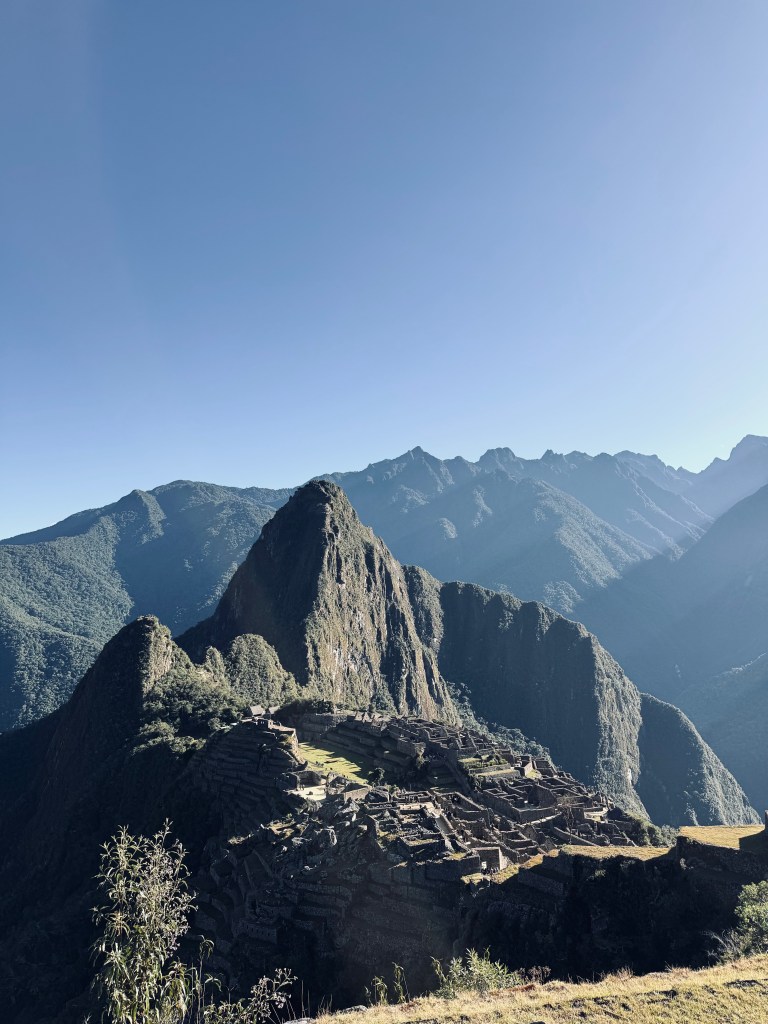
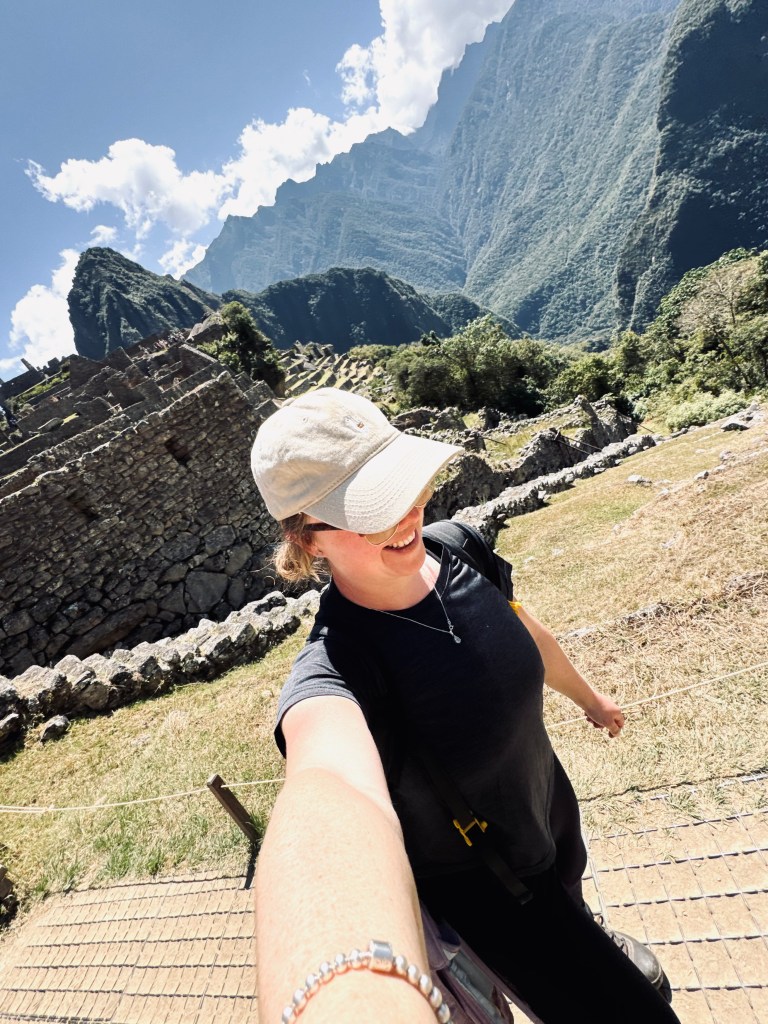
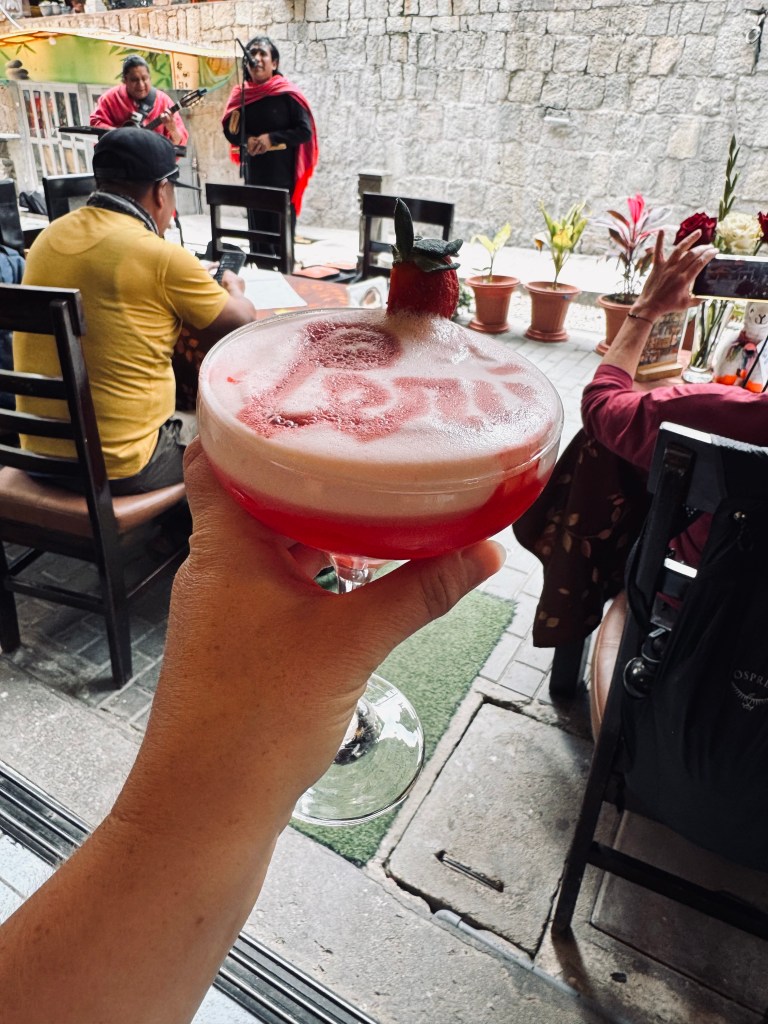
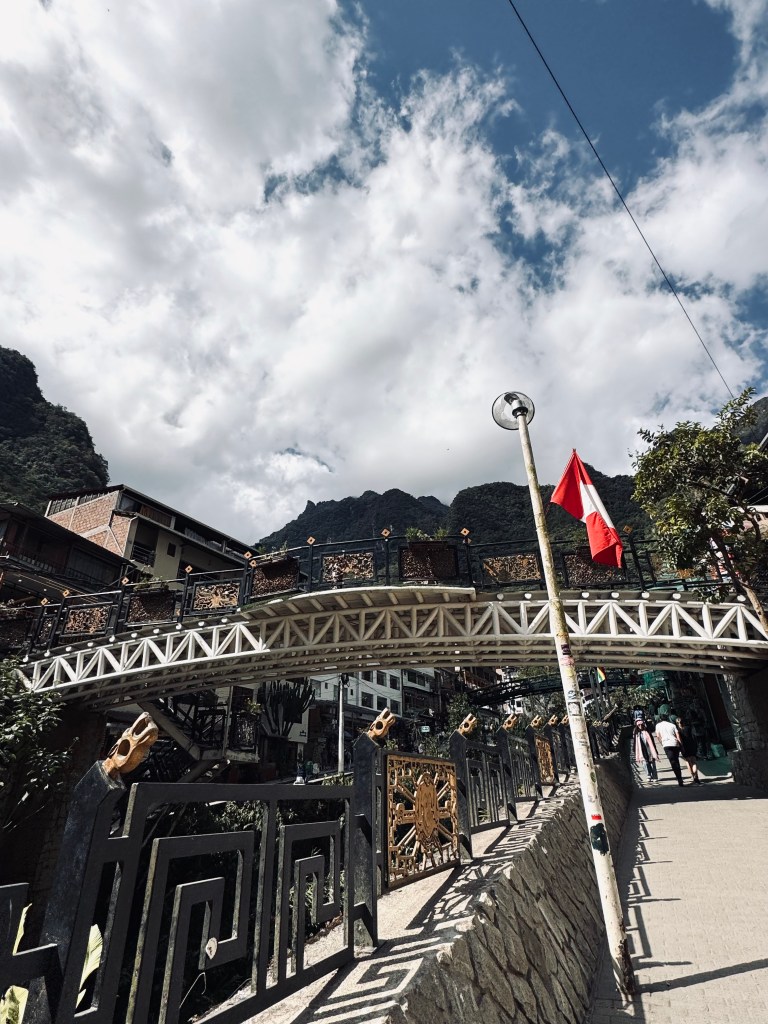
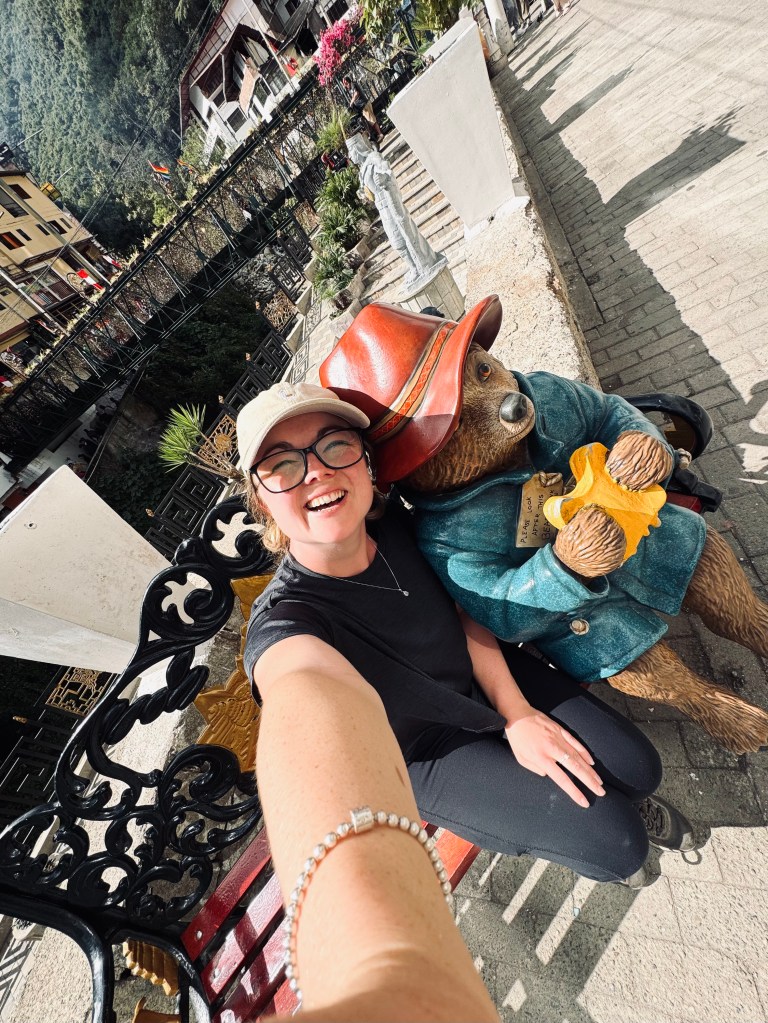
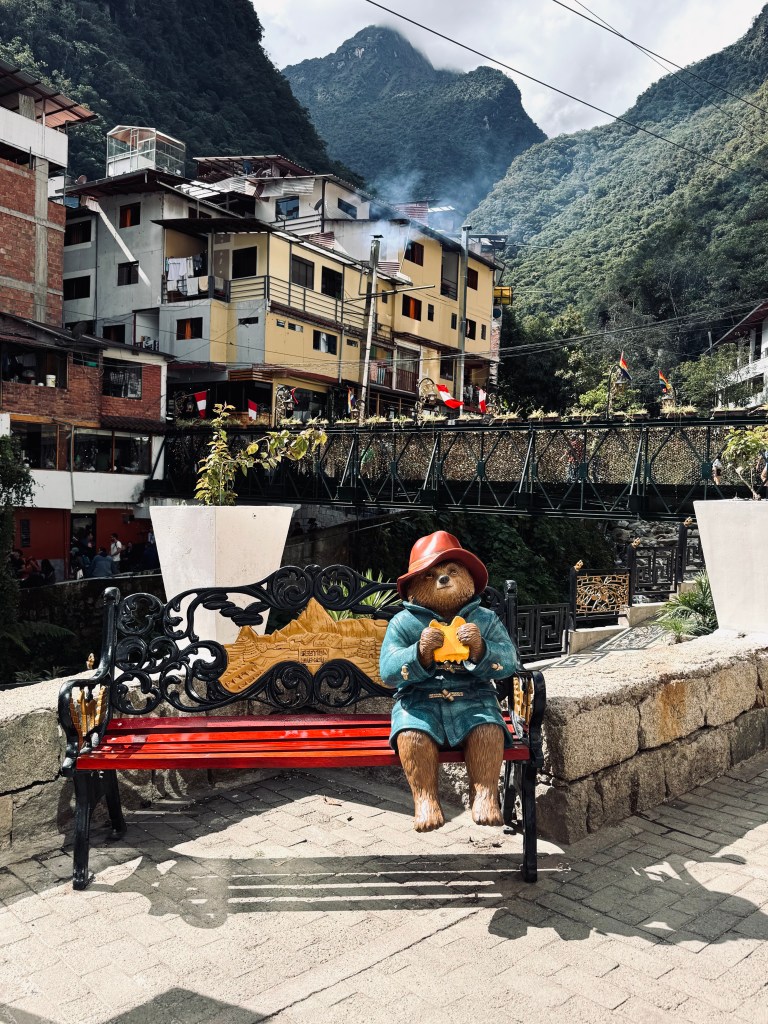
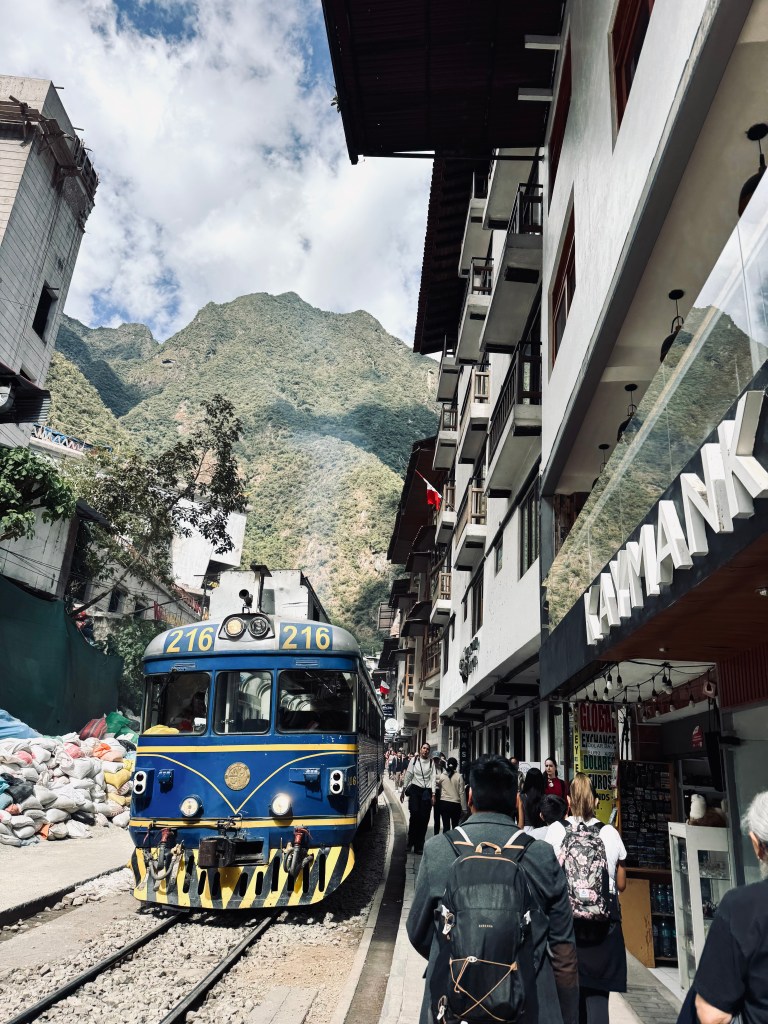
After the tour, we headed to Aguas Calientes for a well-earned celebration lunch with the trekking team. It was the perfect way to relive highlights, laugh about the challenges, and bond over four unforgettable days. I even spotted the famous Paddington in Peru statue, and picked up a few Machu Picchu souvenirs before hopping on the train and shuttle bus back to Cusco – a bittersweet end to the adventure.
💡 Tips for Day 4: Machu Picchu & Arrival
- Be ready to wake up early: The sunrise is worth it. Even if it means a 3:30am start, the view at the Sun Gate is unforgettable.
- Bring layers: Early morning is cold, but it warms quickly once the sun rises.
- Camera ready: This is the day for epic photos – don’t miss the Sun Gate and classic Machu Picchu viewpoints.
- Pack snacks & water: You’ll be hiking before breakfast, so small snacks help keep energy up.
- Go at your own pace: After days on the trail, it’s tempting to rush, but take your time and enjoy every corner of the citadel.
Day 19: Cusco
After four incredible days on the Inca Trail and an unforgettable sunrise at Machu Picchu, Day 19 in Cusco was all about taking it easy. My legs were sore, my backpack was empty, and my body was craving rest. A rest day is extremely important after this trek if your itinerary can allow for one – I didn’t realise just how wiped out I would be.
I spent the morning lounging at a cozy café, sipping a matcha and journaling about the trek. The afternoon was perfect for a mani-pedi and a massage – much deserved!
For dinner, I opted for something hearty but not too heavy – a reminder that your stomach might still be adjusting after days of trekking at altitude. I treated myself to a slow, relaxed evening, letting the memories of the Inca Trail sink in and feeling grateful for the adventure I had just completed.
Day 20: Cusco – Humantay Lake
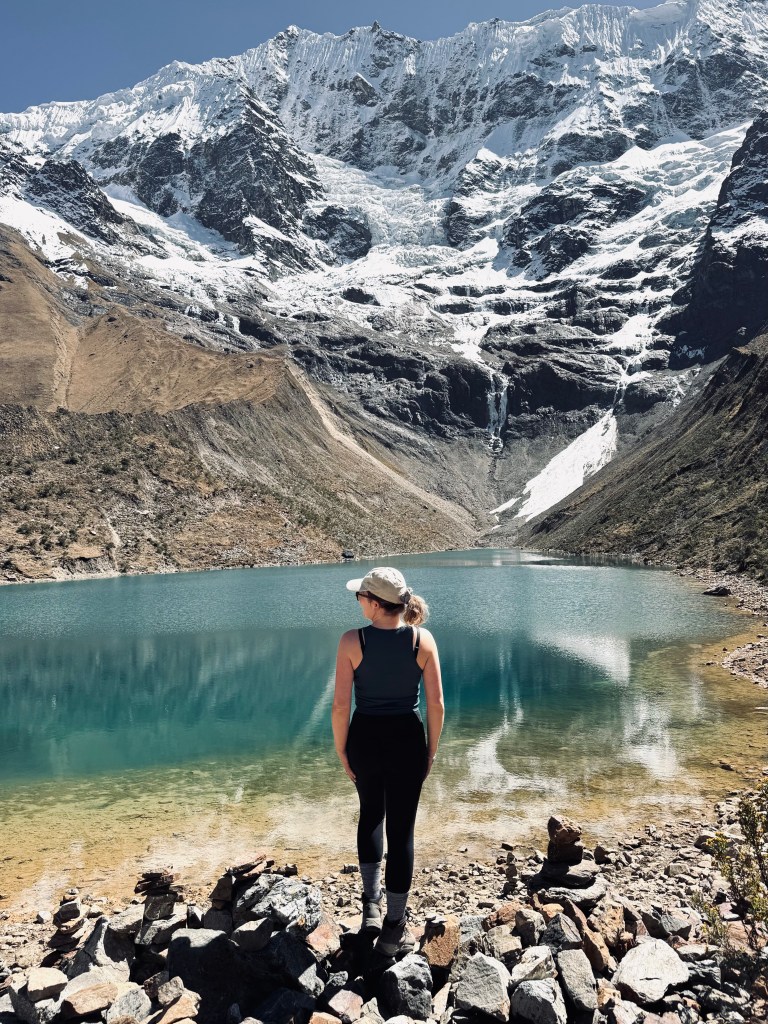
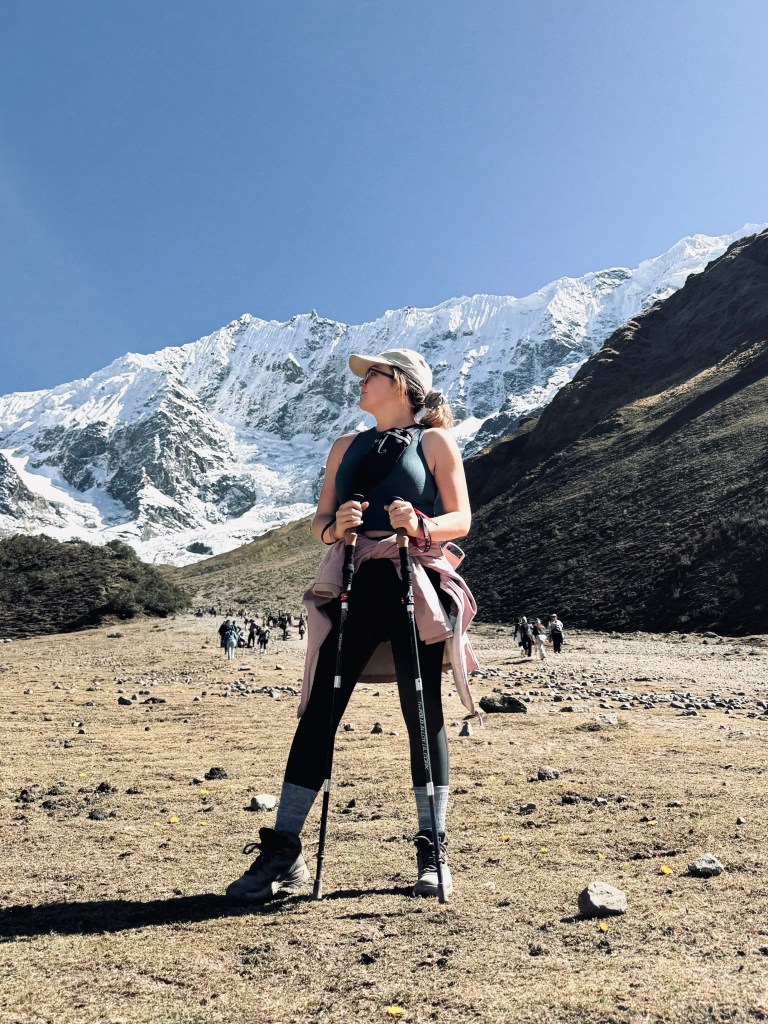
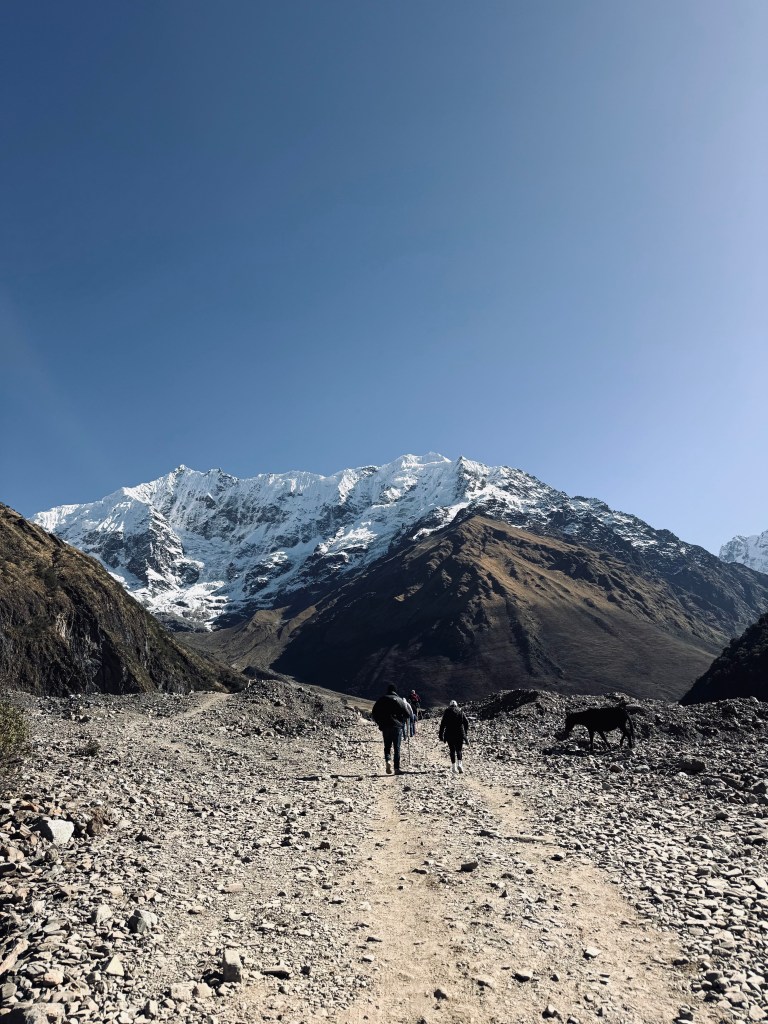
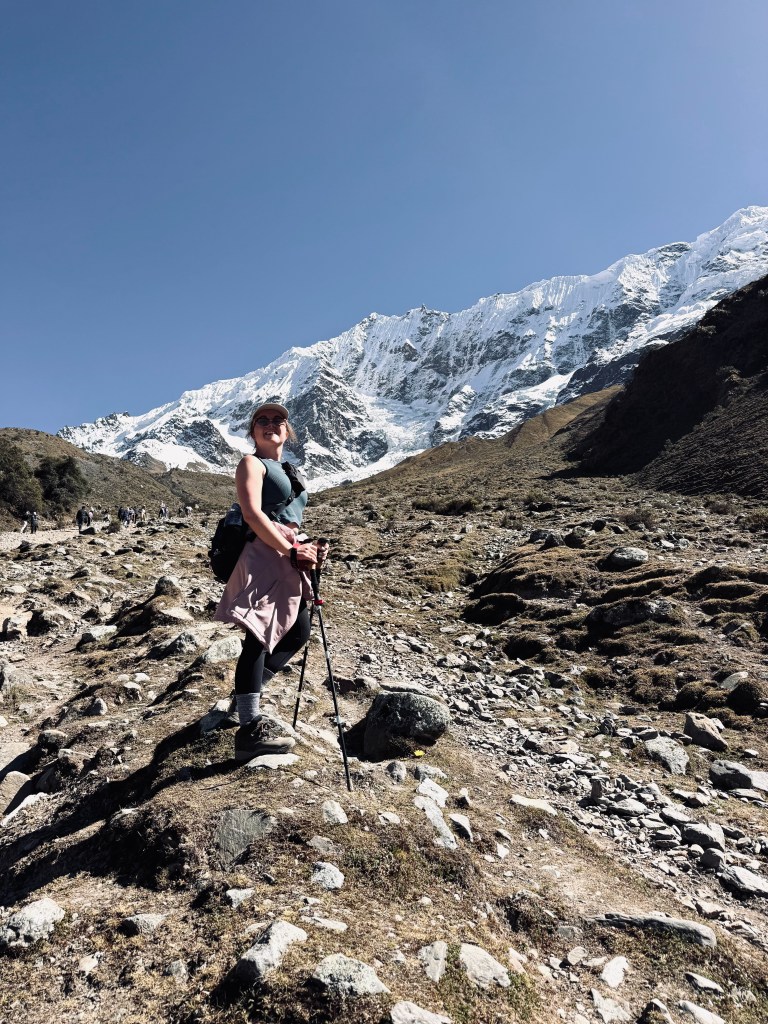
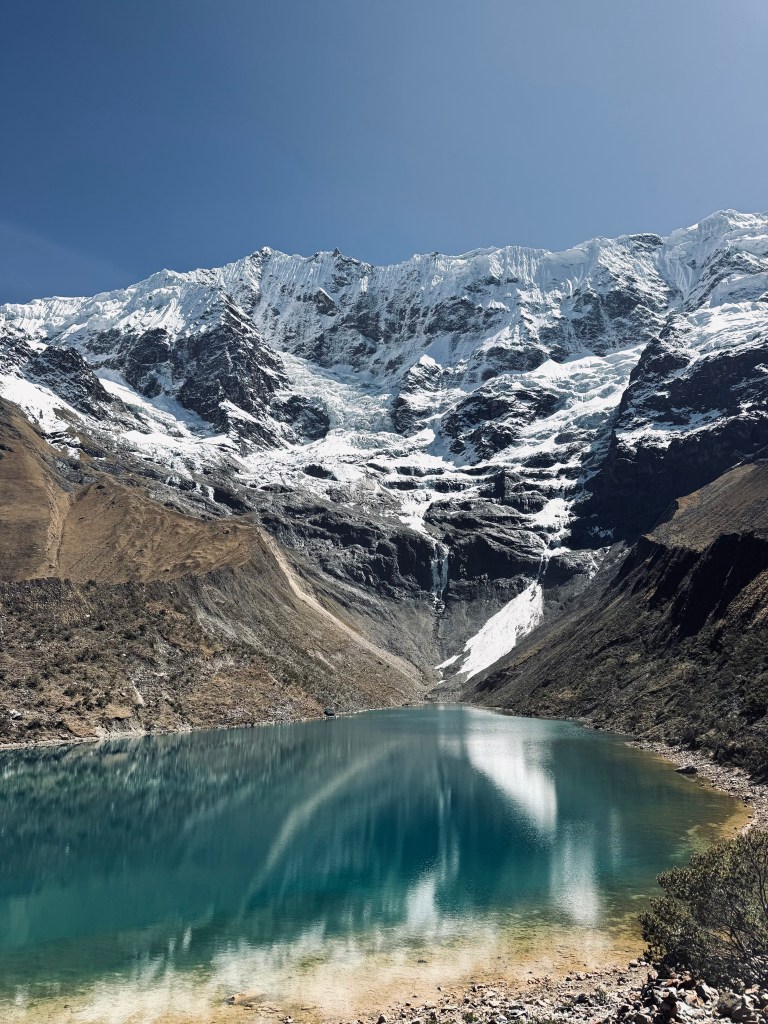
Day 20 was all about a breathtaking day trip to Humantay Lake – one of the most stunning natural spots in the Andes. We left early in the morning, winding through the Sacred Valley as the sun slowly illuminated the mountains. The drive alone was gorgeous, with snow-capped peaks appearing in the distance like something out of a postcard.
Once we reached Soraypampa, the trailhead, it was time to lace up our boots for the hike. The trail is about 1.5–2 hours uphill, and at 4,200 meters (13,780 ft), the altitude makes it a challenge – so pace yourself and take breaks often. But trust me, the turquoise lake at the top, reflecting the towering Humantay Mountain, makes every step worth it.
💡 Tips for Humantay Lake Day Trip
- Acclimatise first: Spend a few days in Cusco before attempting the hike to avoid altitude sickness.
- Bring layers: Mornings can be cold, but the sun at the lake is strong. A hat, gloves, and a windbreaker are lifesavers.
- Hydrate & snack: Bring water and small snacks for the hike — energy is key at high altitude.
- Walking sticks help: If you have trekking poles, bring them. They make both the ascent and descent much easier.
- Sun protection: Sunglasses, sunscreen, and lip balm are essential at 4,200 meters.
Day 21: Cusco – Rainbow Mountain
Day 21 is dedicated to the final adventure of the trip – a day trip to the famous Rainbow Mountain (Vinicunca), one of Peru’s most colorful and iconic landscapes.
Unfortunately, I wasn’t feeling 100% that day and had to cancel the trip, but it’s officially first on my list for my next Peru adventure! From everything I’ve heard and seen, the hike is challenging due to the altitude but incredibly rewarding, with a breathtaking panorama of vibrant mineral-rich mountains that you just can’t see anywhere else – just be sure to save this until the very end of your time in Cusco as this location has the highest altitude of anywhere you will visit near Cusco.
Day 22: Fly Home…
Three weeks exploring Peru is a journey you’ll never forget. From the coastal charm of Lima, the desert adventures of Paracas and Huacachina, to the majestic canyons of Arequipa and the highland treasures of Cusco and the Inca Trail, this itinerary hits all the highlights.
Peru is a country that blends history, culture, and epic natural beauty, making every day an adventure. By following this itinerary, you’ll have a mix of sightseeing, hiking, and relaxing moments, all while keeping altitude acclimatisation and logistics in mind.
Whether it’s your first visit or you’re returning for more, Peru promises a trip full of adventure, culture, and memories that will last a lifetime.
If You Have a Little Extra Time in Peru
If you have a few extra days or want to extend your adventure beyond this itinerary, consider adding:
- Puno and Lake Titicaca – perfect if you’re planning to continue into Bolivia, with floating islands and rich local culture.
- The Amazon River – explore Peru’s incredible rainforest and wildlife on a jungle adventure.
- Huaraz – for the most epic high-altitude hikes in the Cordillera Blanca mountains, ideal for trekking enthusiasts.
Disclaimer: This post contains affiliate links, which means I may earn a small commission if you purchase through these links – at no extra cost to you.
🦙 More Peru Posts
Check out these Peru blog posts:
Something went wrong. Please refresh the page and/or try again.


 Jess at Sea
Leave a comment