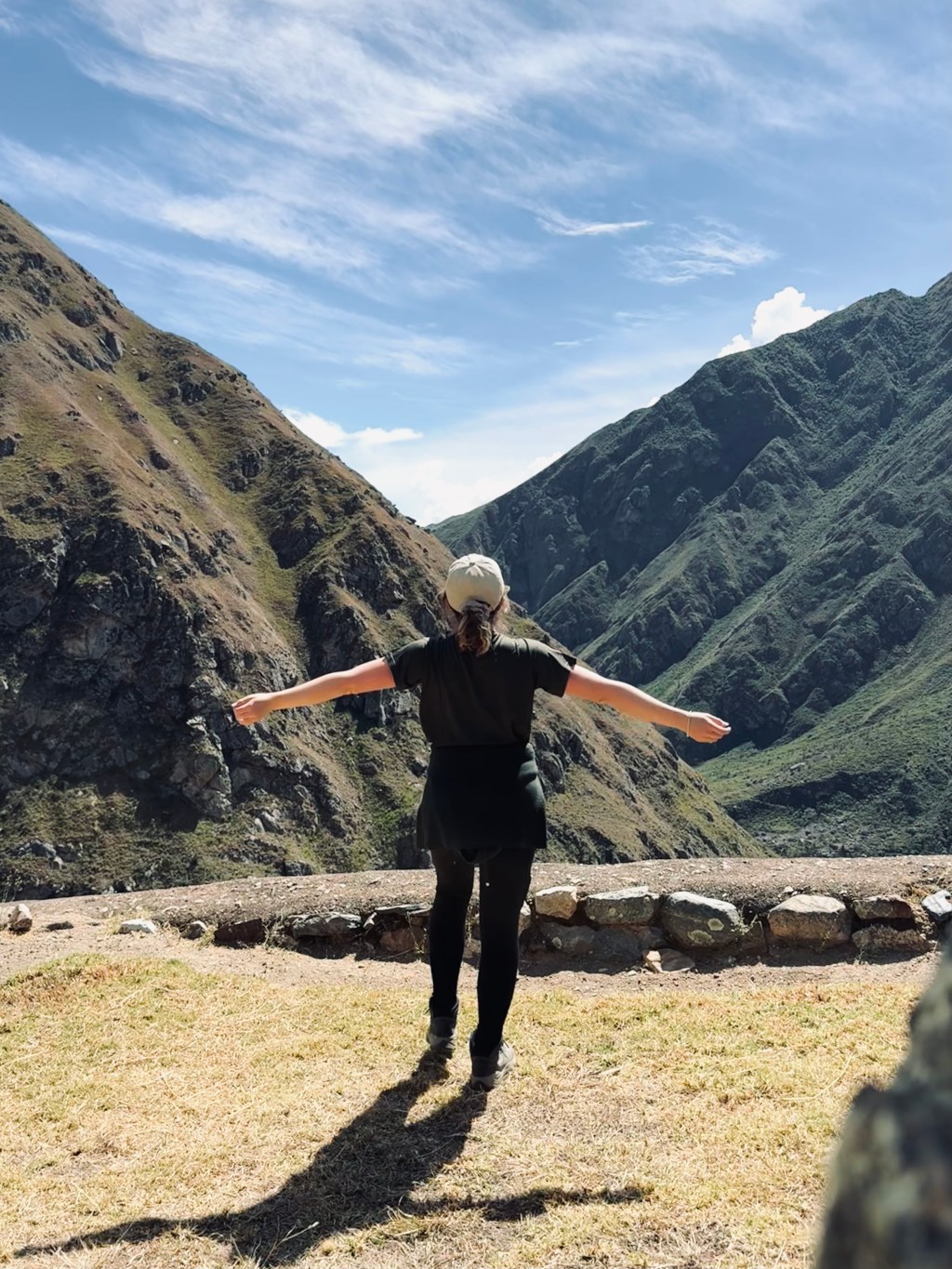
One of the first things many travelers notice when planning a trip to Peru is just how high some of its most famous destinations sit above sea level. Cusco, the gateway to Machu Picchu, is perched at 3,400 meters (11,150 ft), while Lake Titicaca is even higher at 3,800 meters (12,500 ft). With those kinds of elevations, altitude sickness – known locally as soroche – is something every traveler should prepare for.
The good news? With the right preparation, some smart planning, and a few insider tips, you can minimize your risk and focus on enjoying the Andes’ breathtaking landscapes, ancient ruins, and vibrant culture.
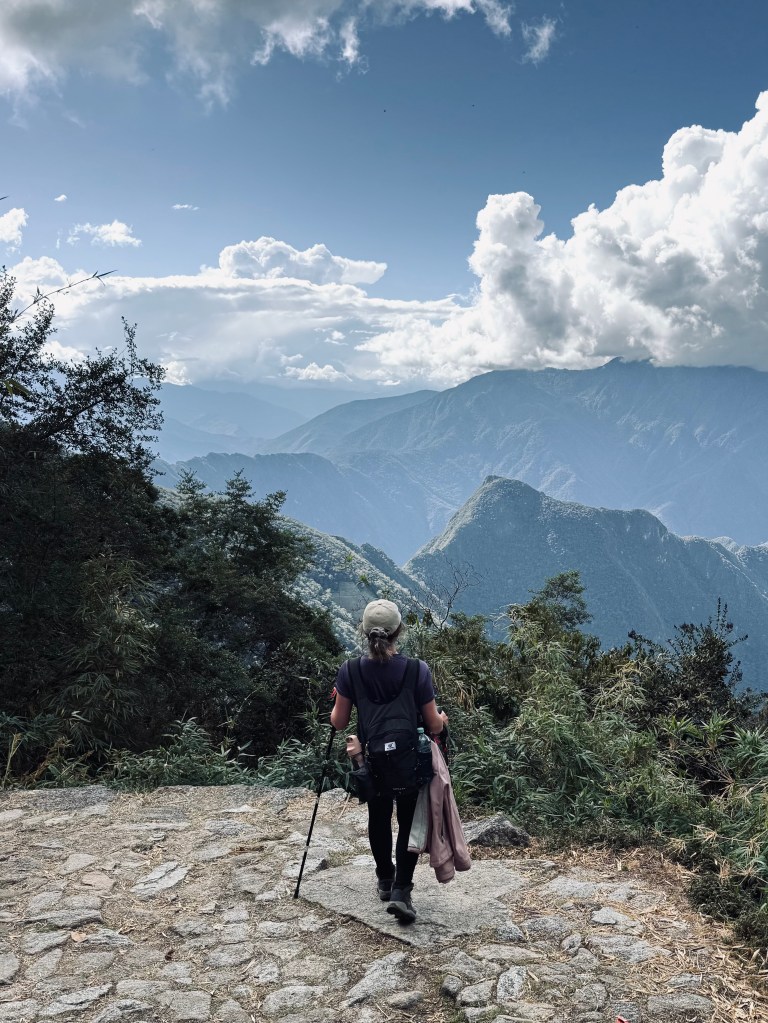
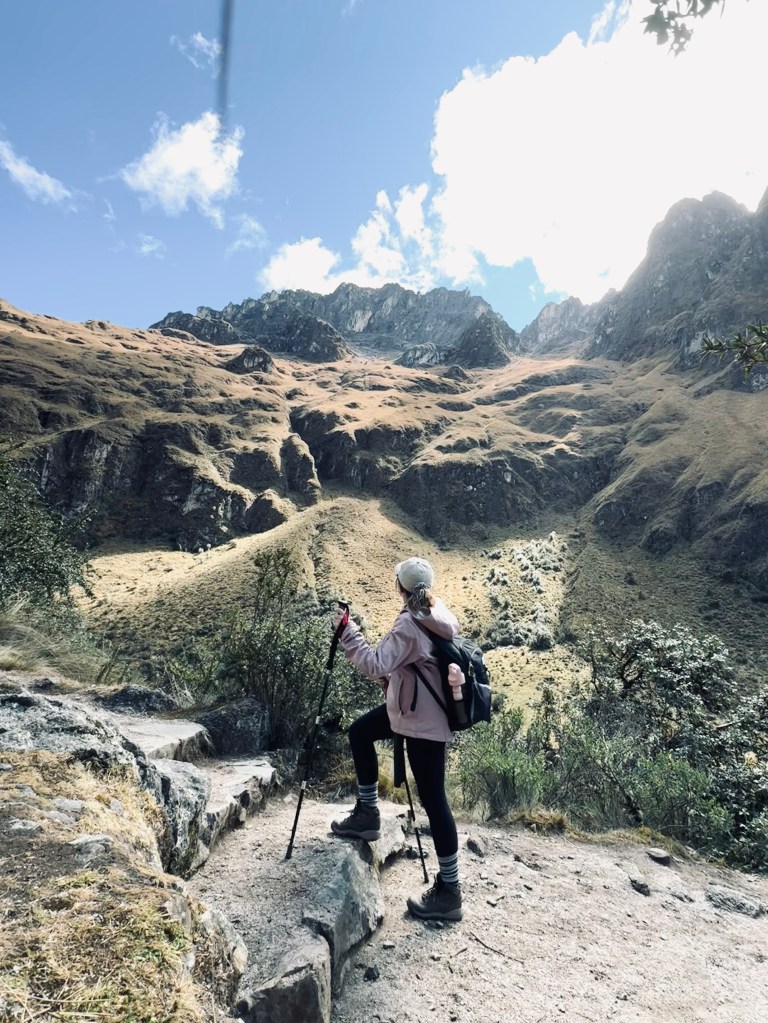
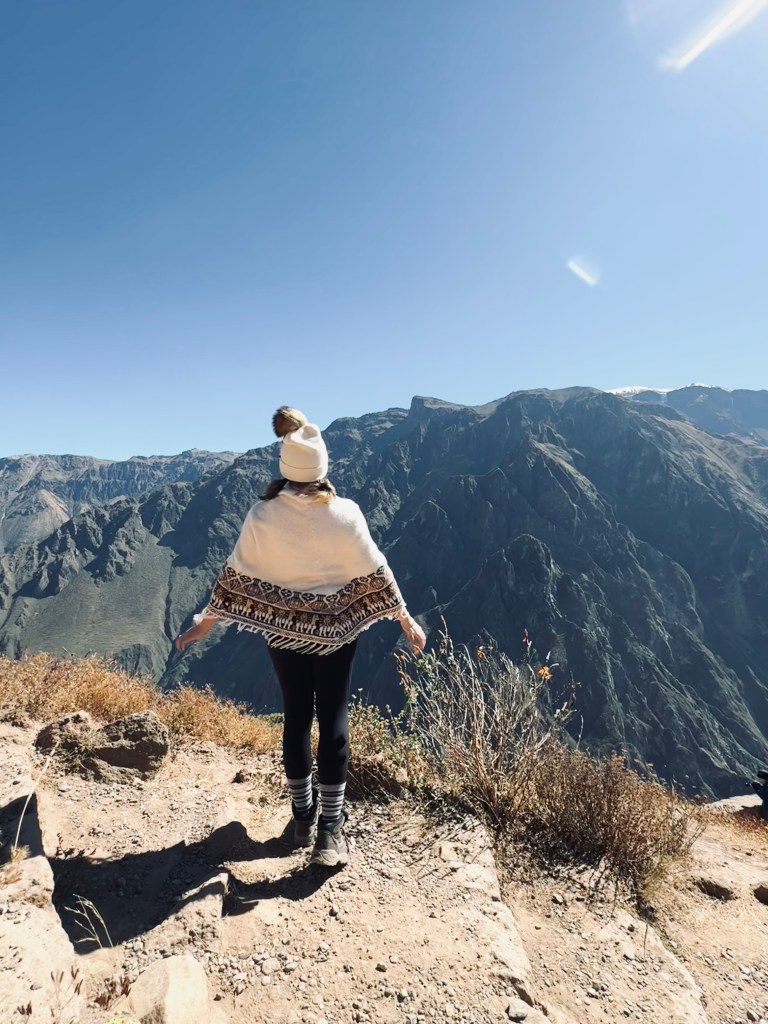
My Experience with Altitude Sickness in Peru
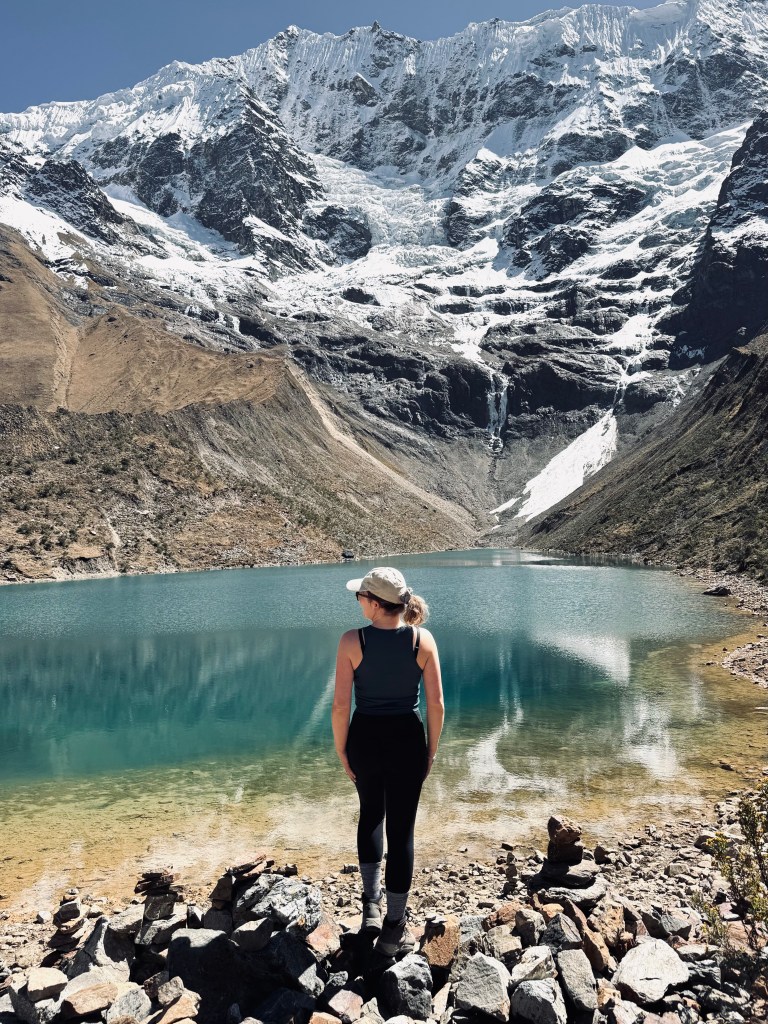
I thought I was ready. I’d done my research, packed plenty of water, even paced my itinerary carefully so I wouldn’t be shocked by Cusco’s altitude straight away. But despite all my careful planning, I still had a rough reminder of how powerful the Andes can be.
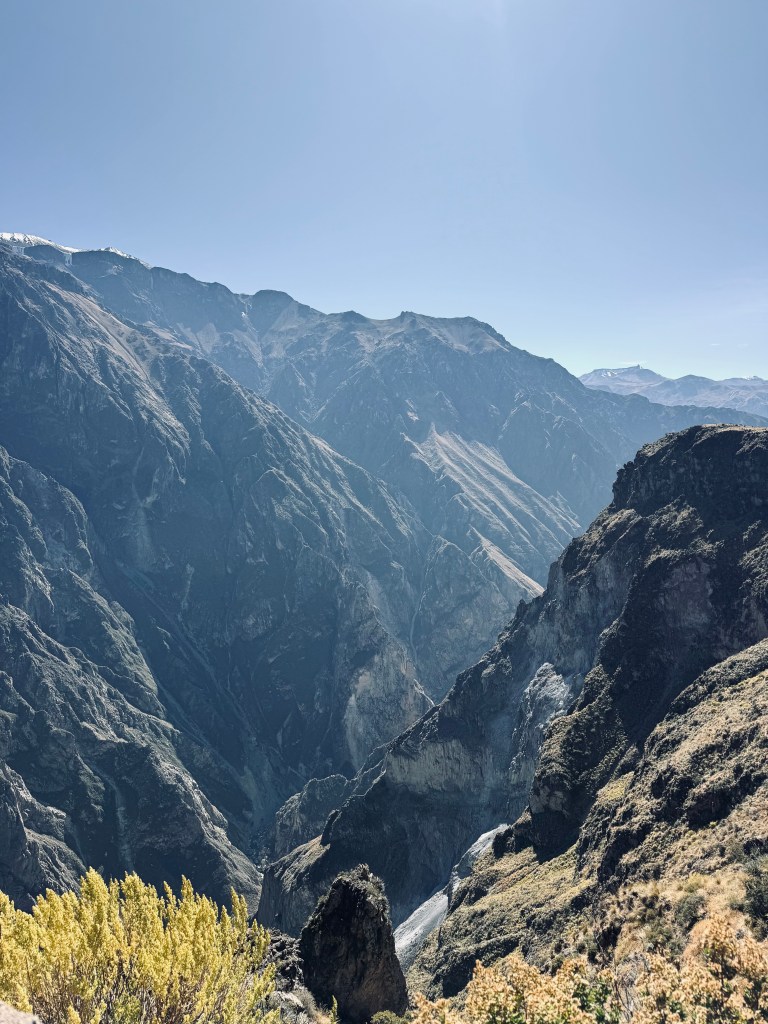
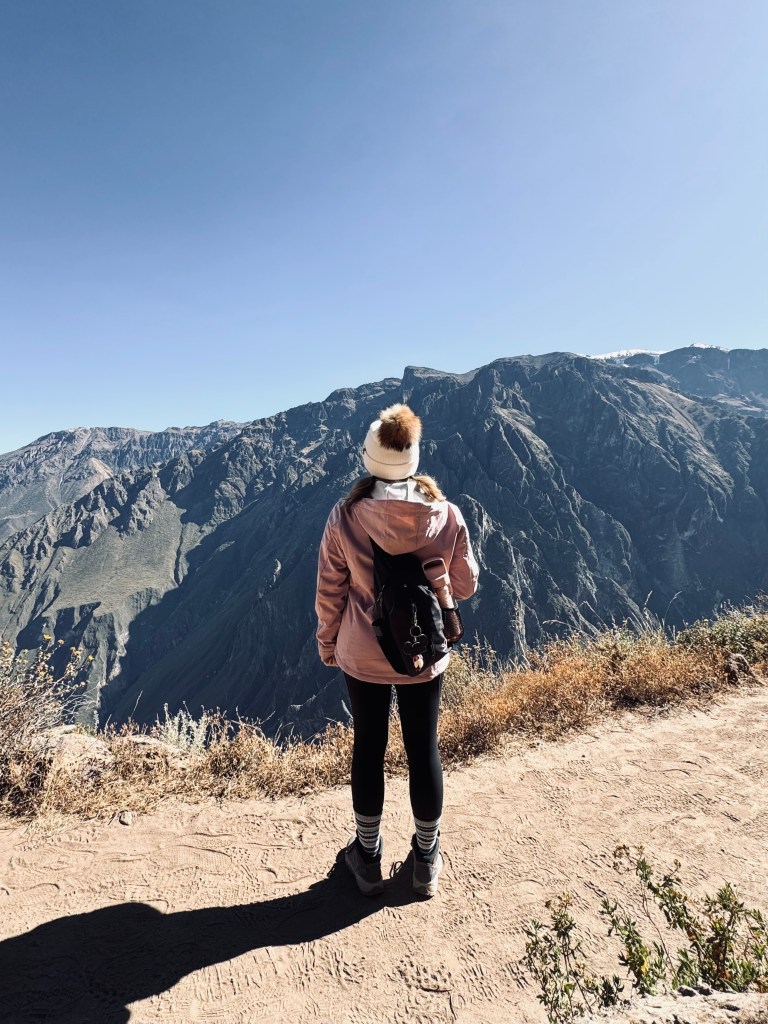
On my trip to Colca Canyon – which soars to altitudes of over 5,000 meters (16,400 ft) at some viewpoints – one at which I actually fainted. One moment I was taking in the sweeping views of one of the world’s deepest canyons, the next I was on the ground, dizzy, breathless, and completely humbled. It was a wake-up call that even when you think you’re prepared, altitude sickness can sneak up on you. Thankfully, after some rest, some local vendors spraying me with lemongrass oil, some coca tea, and lots of hydration, I recovered and learned just how important it is to listen to your body in Peru.
Planning an Itinerary to Minimize Altitude Sickness
One of the best ways to adjust is to gain altitude gradually. Instead of flying straight from sea level in Lima to Cusco’s dizzying heights, I planned my trip overland:
- Lima – Start at sea level and enjoy the coastal capital.
- Paracas – A relaxed stop at around 30m above sea level, great for visiting the Ballestas Islands and Paracas National Reserve.
- Huacachina – The desert oasis, still low altitude, perfect for sandboarding and dune buggy rides.
- Nazca – Famous for the mysterious Nazca Lines, also at lower altitude (520m).
- Arequipa – The “White City” at 2,335m, a great stepping stone for acclimatization before Cusco.
- Cusco – Finally arriving at 3,400m after already spending days adjusting.
This slower route made a huge difference in how my body coped with the altitude – though as my Colca Canyon story proves, you can never be too careful!
What is Altitude Sickness?
Altitude sickness happens when your body struggles to adjust to lower oxygen levels at higher elevations. Symptoms can range from mild to severe and may include:
- Headache
- Nausea
- Dizziness
- Fatigue
- Shortness of breath
- Trouble sleeping
Most people experience only mild symptoms, but it’s still important to take it seriously – especially if symptoms worsen.
Tips for Preventing and Managing Altitude Sickness
Here are some tried-and-true tips that helped me (and many other travelers) cope in the Andes:
1. Ascend Gradually if Possible
If your itinerary allows, avoid flying straight into Cusco. Travel overland if possible or be sure to allow at least two days of altitude adjustment in Cusco before doing any hikes.
2. Take It Easy on Arrival
The first 24–48 hours at altitude are the most critical. Walk slowly, avoid strenuous activity, and resist the temptation to squeeze in big hikes right away. I didn’t really believe it from my research but after arriving in Cusco and finding myself out of breath after walking up a small hill, I soon discovered altitude was a real thing.
3. Stay Hydrated
Drink plenty of water to help your body adapt. Skip excessive alcohol and caffeine, which can make dehydration worse.
4. Eat Light Meals
Stick to simple, carb-rich meals with fruits and vegetables. Heavy, greasy food can make nausea worse.
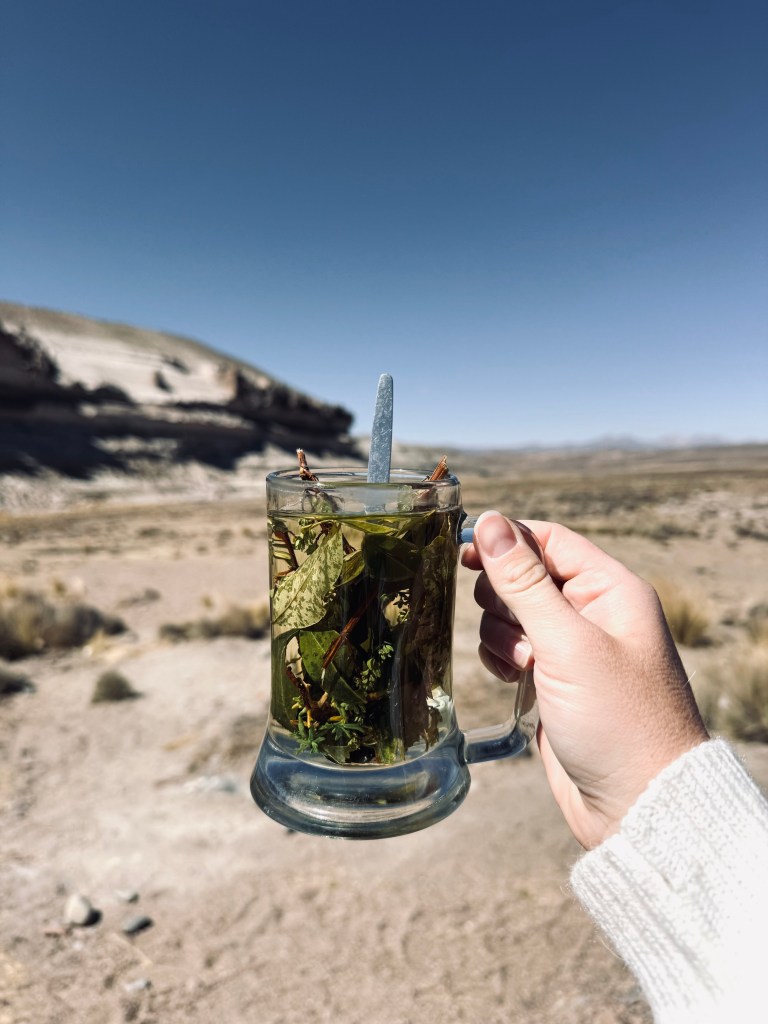
5. Try Coca Tea or Coca Leaves
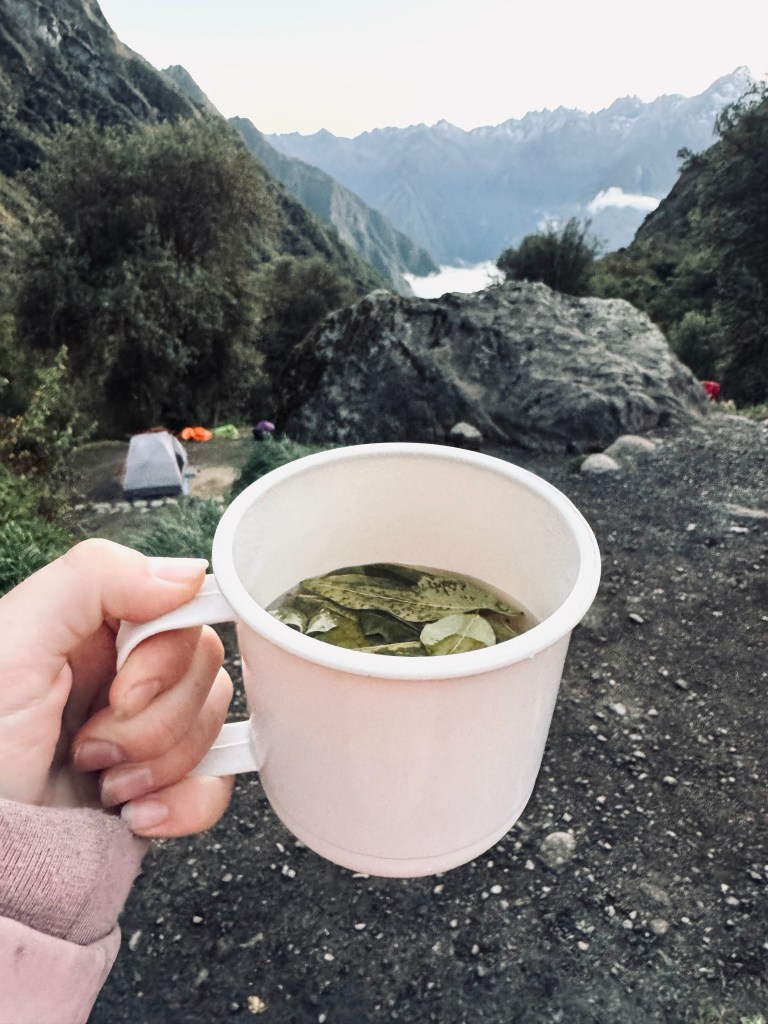
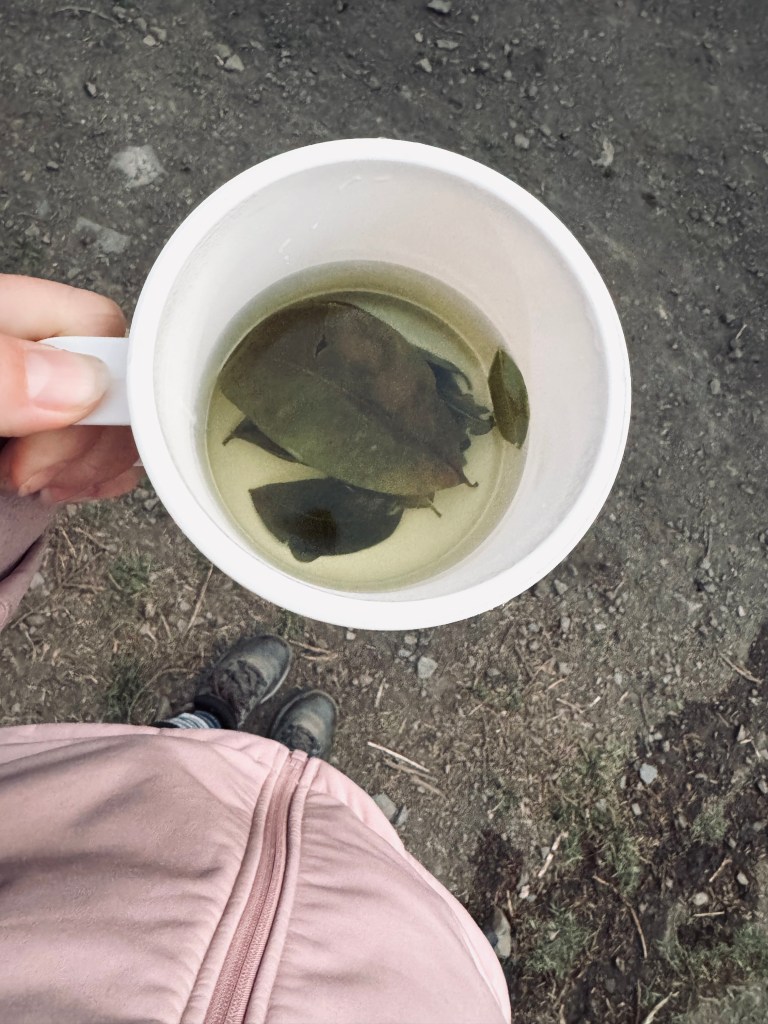
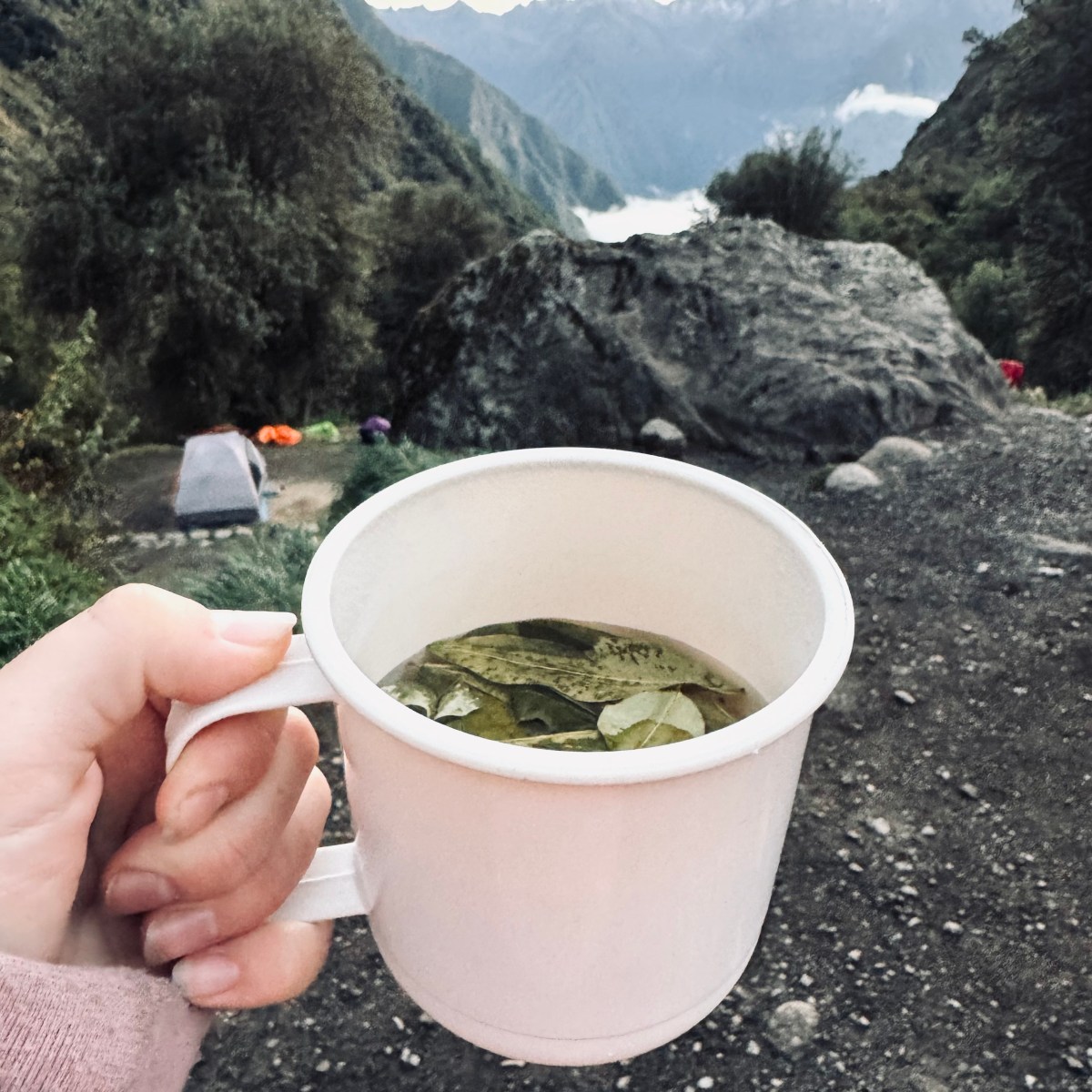
A traditional Andean remedy, coca tea (mate de coca) is widely available and often offered in hotels. While not a miracle cure, it can help ease mild discomfort. Coca leaves are apparently much more effective – you can “chew the leaves” by folding them and keeping them between your teeth and your cheek on one side of your mouth.
6. Consider Medication
If you’re prone to altitude issues, talk to your doctor before your trip. Acetazolamide (Diamox) is sometimes prescribed, and over-the-counter meds can help with headaches and nausea. Diamox can also be purchased from pharmacies in Cusco.
7. Get Enough Rest
Your body works harder at altitude, so fatigue is normal. Prioritize sleep and give yourself downtime.
8. Know When to Seek Help
If symptoms worsen – like extreme shortness of breath, chest pain, or confusion – descend immediately and get medical help. Many hotels in Cusco and Puno have oxygen available for guests.
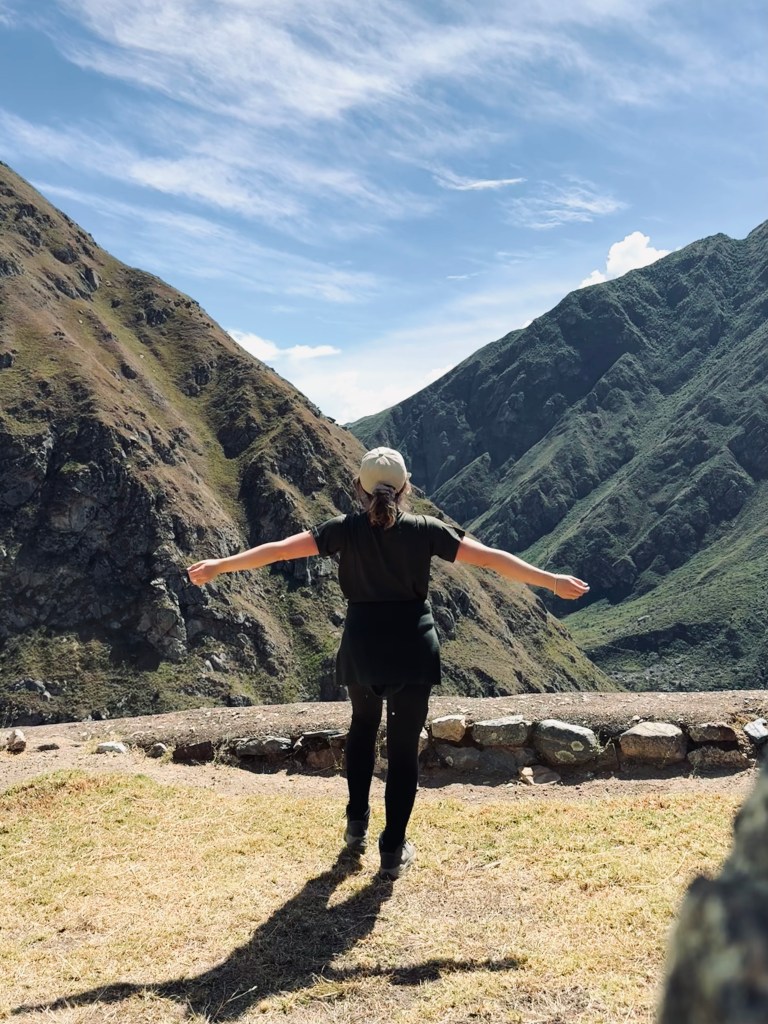
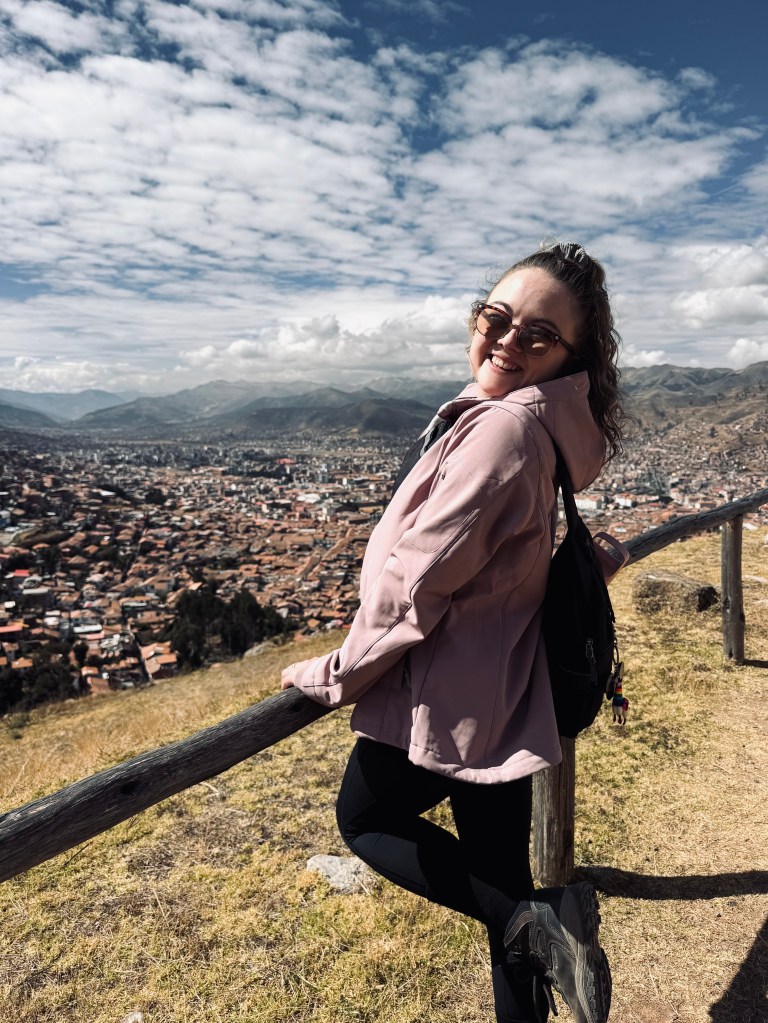
Altitude sickness is a real thing so it’s important to be prepared. With a smart itinerary, a slow pace, and a little Andean wisdom (hello, coca tea!), you’ll be in a much better position to enjoy everything Peru has to offer – from the lost city of Machu Picchu to the colorful streets of Cusco and the breathtaking landscapes of Lake Titicaca.
And remember: everyone’s body reacts differently. Don’t compare yourself to other travelers, and don’t be afraid to slow down. Trust me – fainting at 5,000 meters in Colca Canyon was not part of my plan, even though I thought I had researched and come prepared. My advice is to take it slow, take time to adjust and listen to your body.
Planning a trip to Peru? Check out my 3-Week Peru Itinerary here!
Peru Helpful Links
How to Get Around Peru
Getting around Peru can be an adventure in itself, but it’s very doable with a little planning. For longer distances, domestic flights are a huge time-saver, while comfortable long-distance buses connect most major cities and tourist routes.
One of the easiest and most popular options for first-time visitors is Peru Hop, a hop-on, hop-off bus service designed specifically for travellers. It connects destinations like Lima, Paracas, Huacachina, Arequipa, and Cusco, with flexible stops, local guides, and hotel pick-ups included making it a stress-free way to see the country.
For shorter trips or exploring at your own pace, taxis, uber, and car rentals round out the options nicely.
Peru SIM Card: Airalo eSIM
Staying connected in Peru is a must for maps, transport apps, bookings, and Googling lomo saltado near me” (trust me). I used Airalo, an eSIM app that lets you download a Peru data plan before you even land.
There’s no need to swap physical SIM cards or hunt down a store at the airport. Just activate your eSIM and you’re online the moment you arrive – easy, affordable, and super convenient.
👉 Get your Peru eSIM with Airalo here
Disclaimer: This post contains affiliate links, which means I may earn a small commission if you purchase through these links – at no extra cost to you.
🦙 More Peru Posts
Check out these Peru blog posts:
Something went wrong. Please refresh the page and/or try again.


 Jess at Sea
Leave a comment