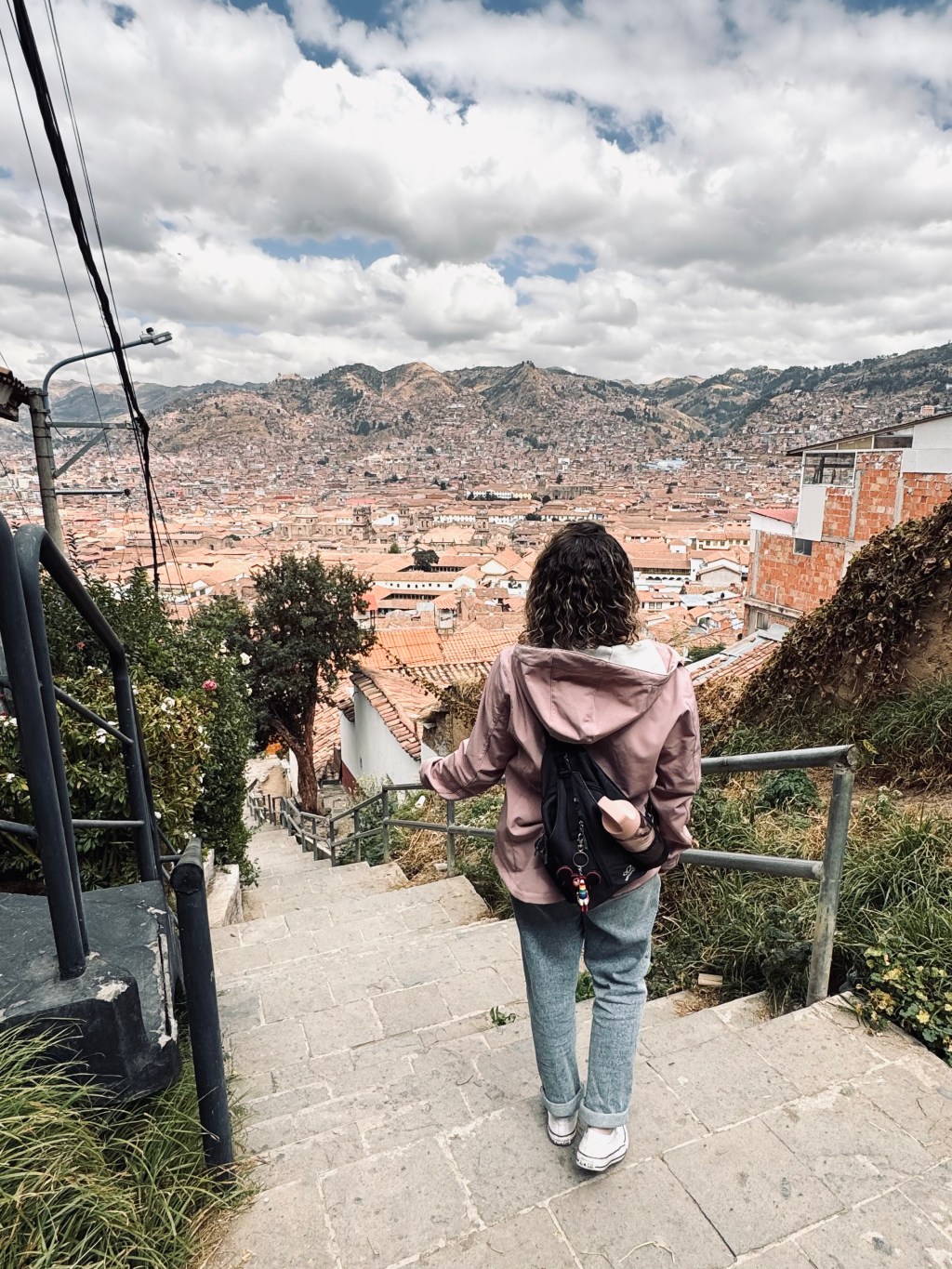
Cusco, Peru’s historic Inca capital, sits at 3,399 meters (11,152 feet) above sea level. That’s a big jump if you’re coming from lower altitudes, and even seasoned travelers can feel the effects. Mild altitude sickness – headaches, fatigue, shortness of breath – is common, so giving your body time to adjust is essential.
The good news? Acclimatising doesn’t mean doing nothing. Cusco is full of fascinating sights, cultural experiences, and low-intensity adventures that let you soak in the city while giving your body a break. Here’s a list of fun, safe, and low-effort things to do while adjusting to the altitude.
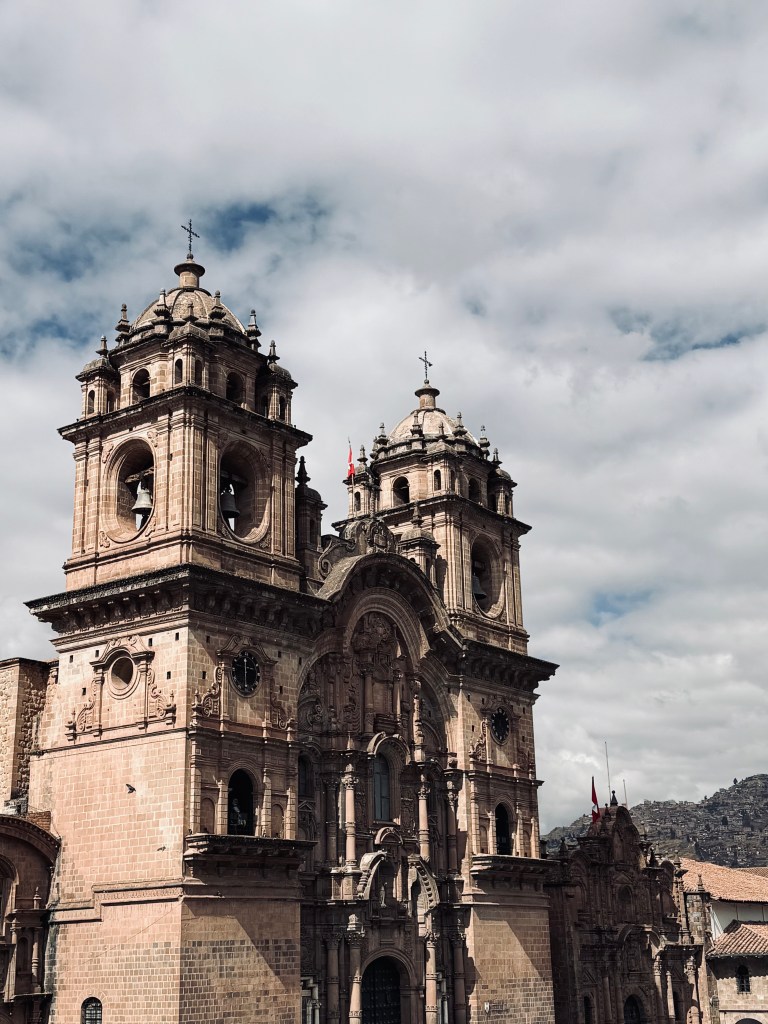
1. Take a Gentle Walk Around Plaza de Armas
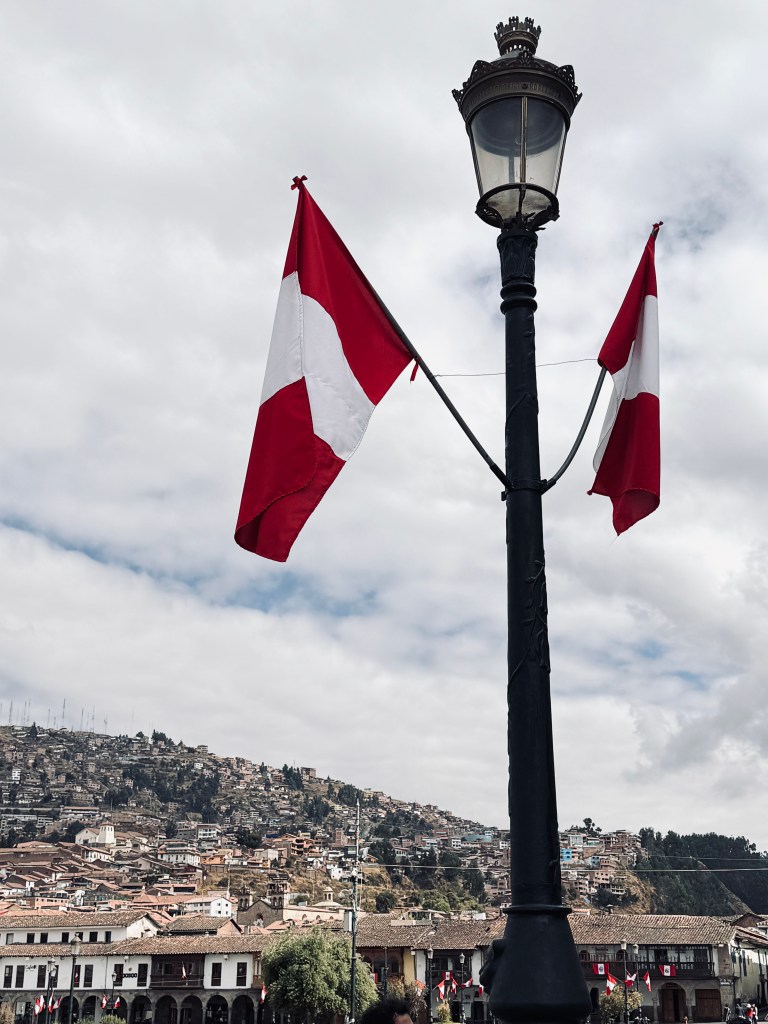
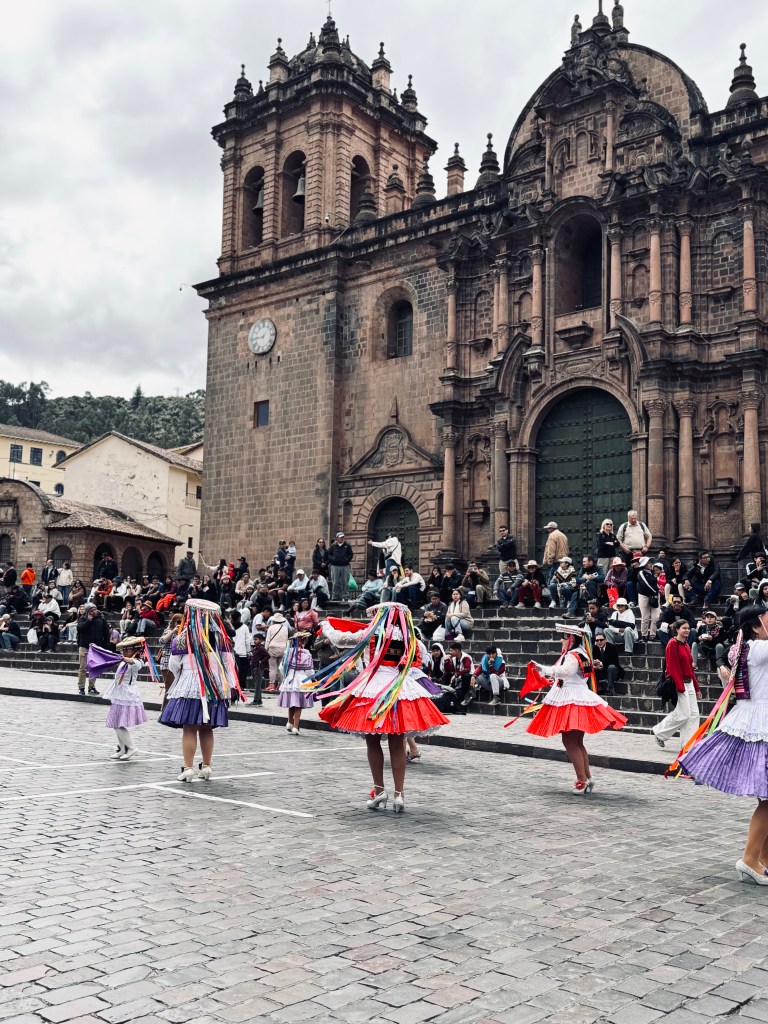
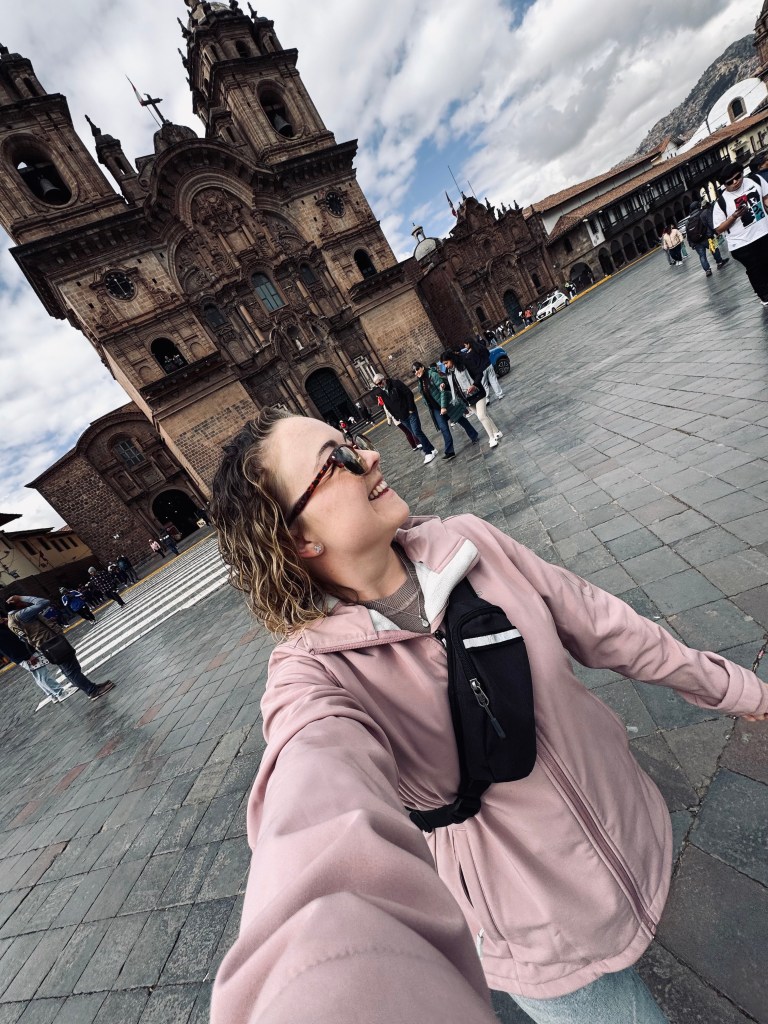
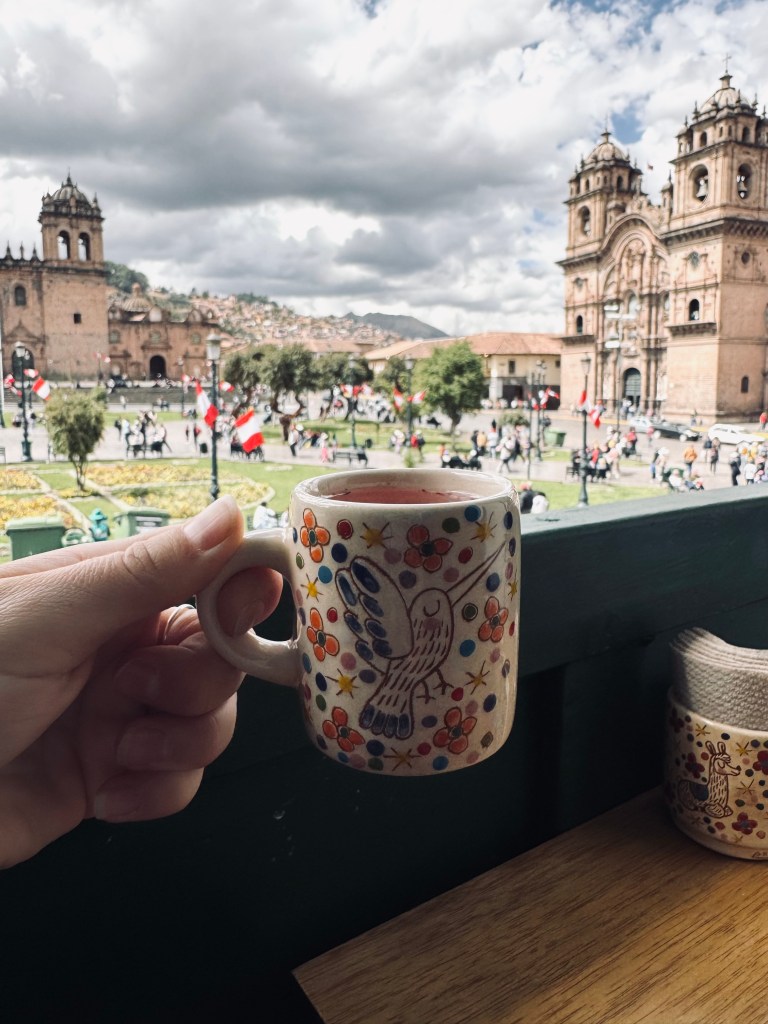
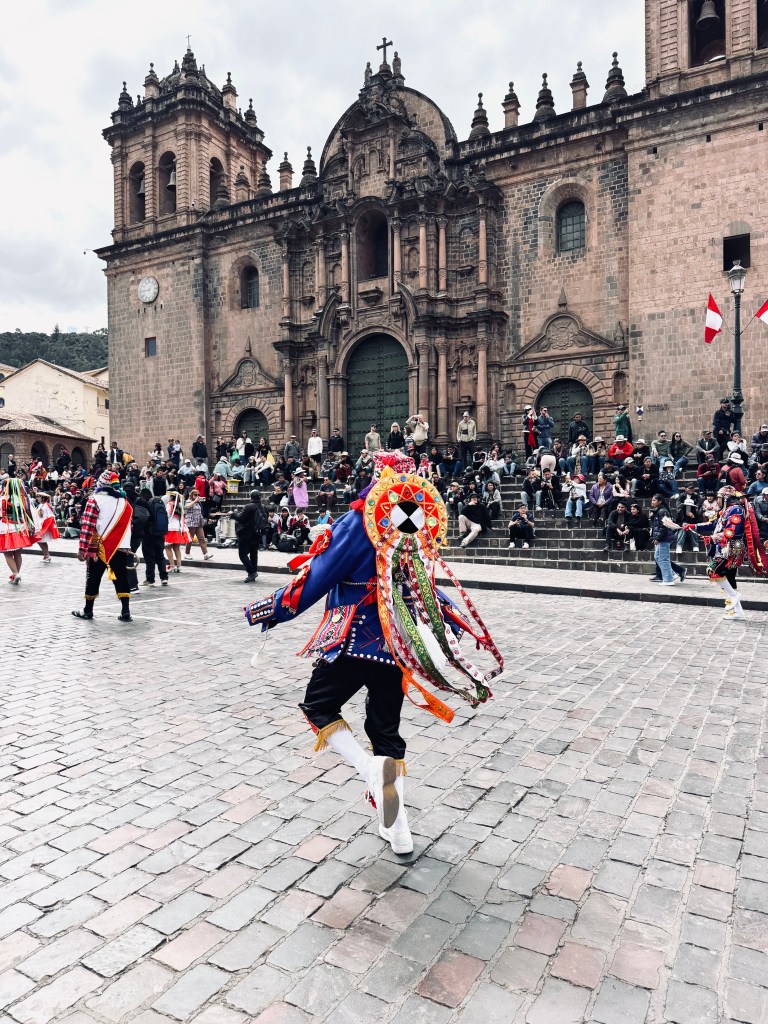
Cusco’s Plaza de Armas is the perfect starting point. The central square is vibrant, filled with colonial architecture, cafes, and artisans selling local crafts.
Tip: Walk slowly, take breaks on benches, and sip plenty of water to stay hydrated. It’s the perfect mix of sightseeing and rest.
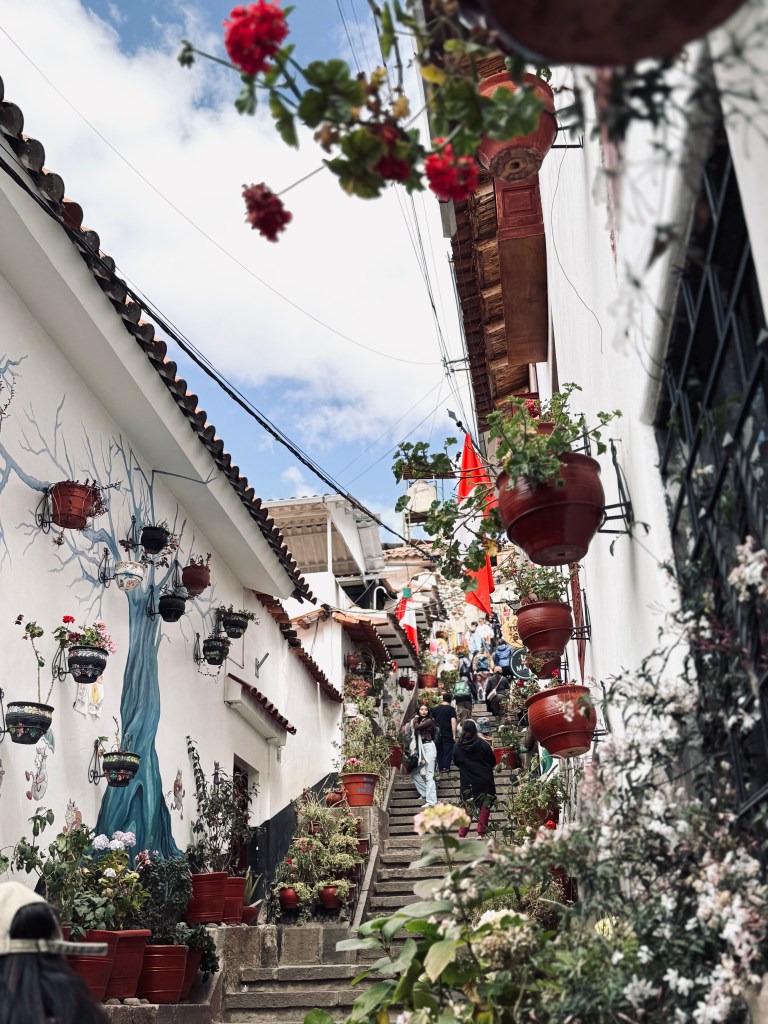
2. Explore San Blas Neighborhood at Your Own Pace
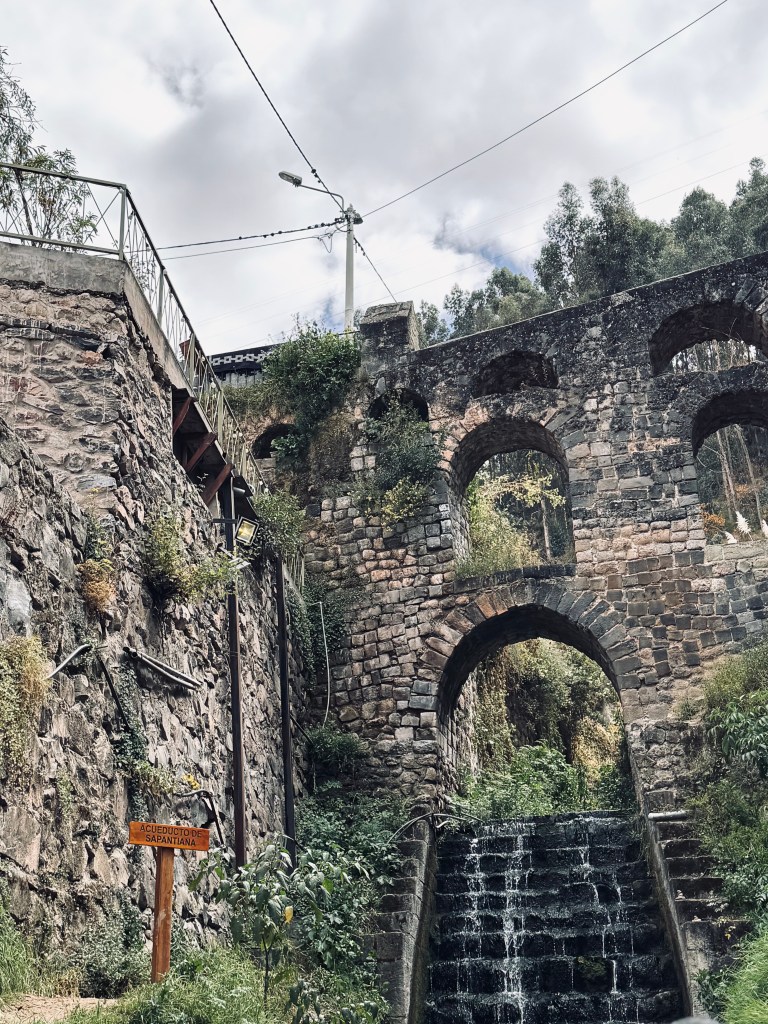
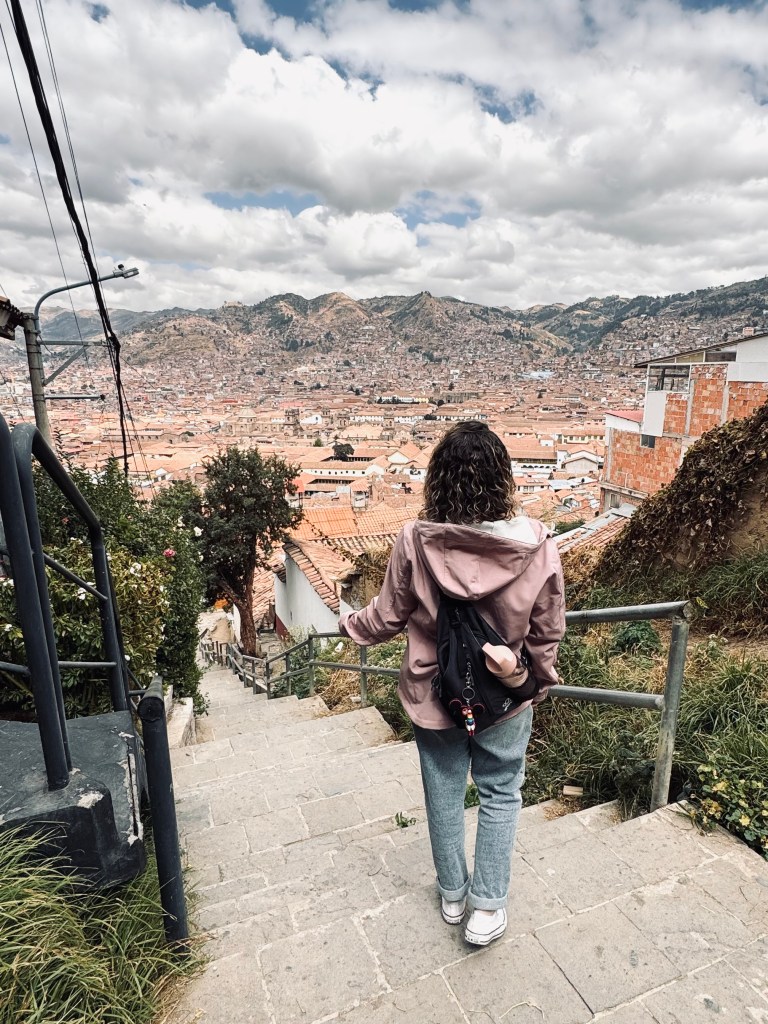
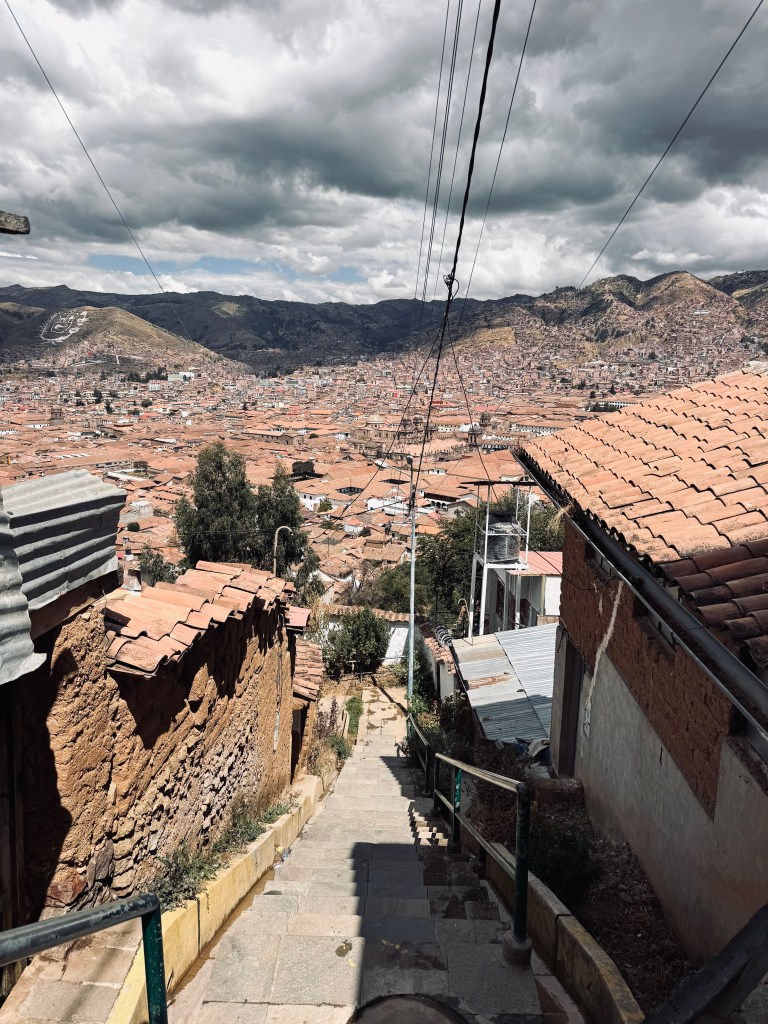
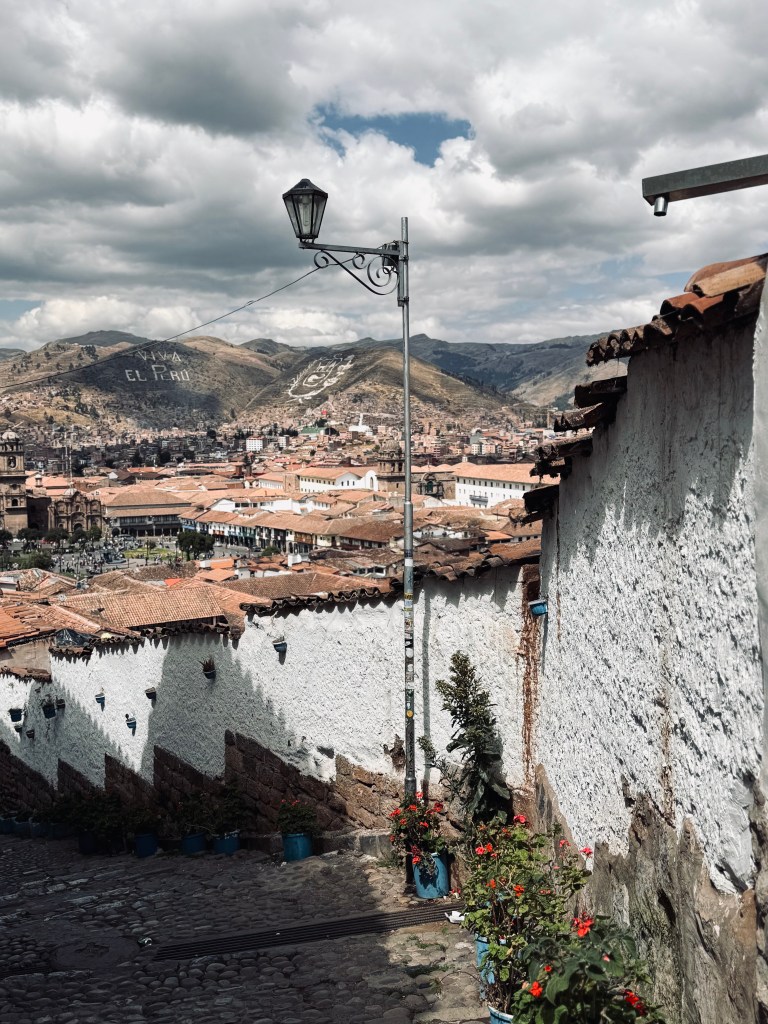
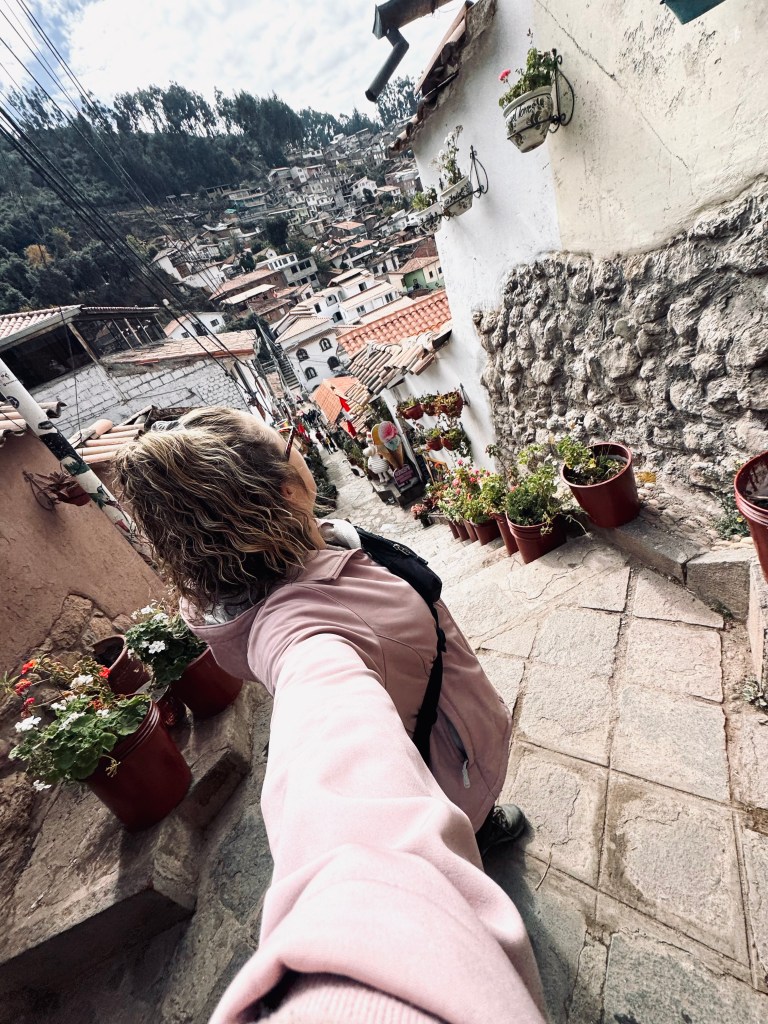
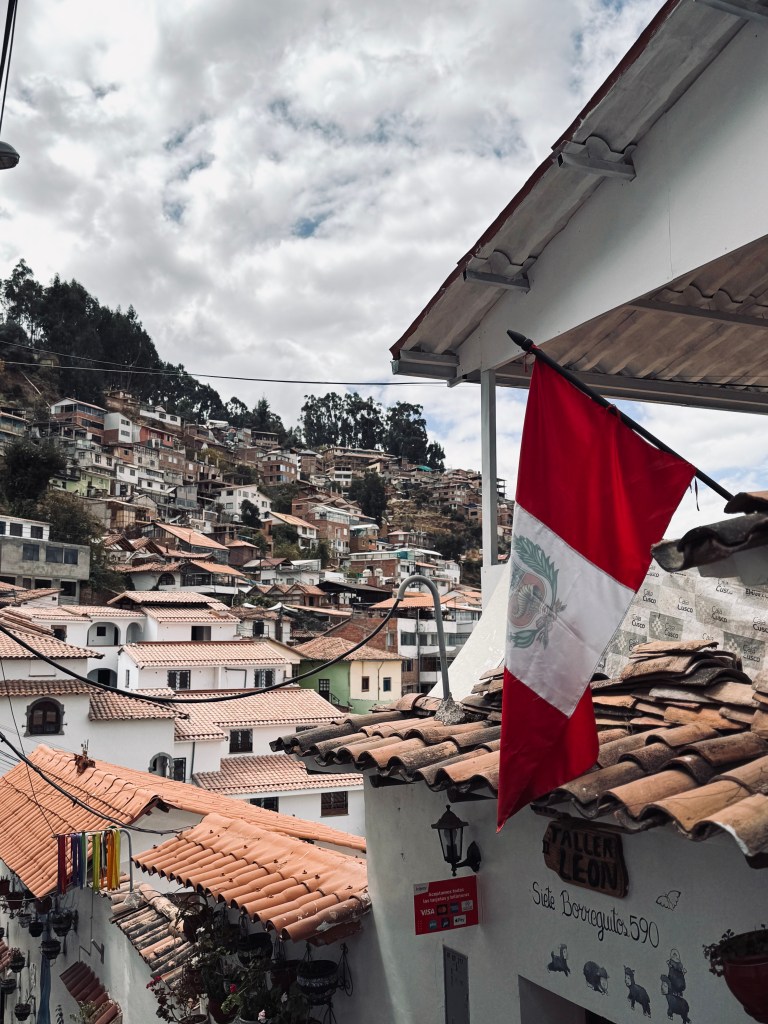
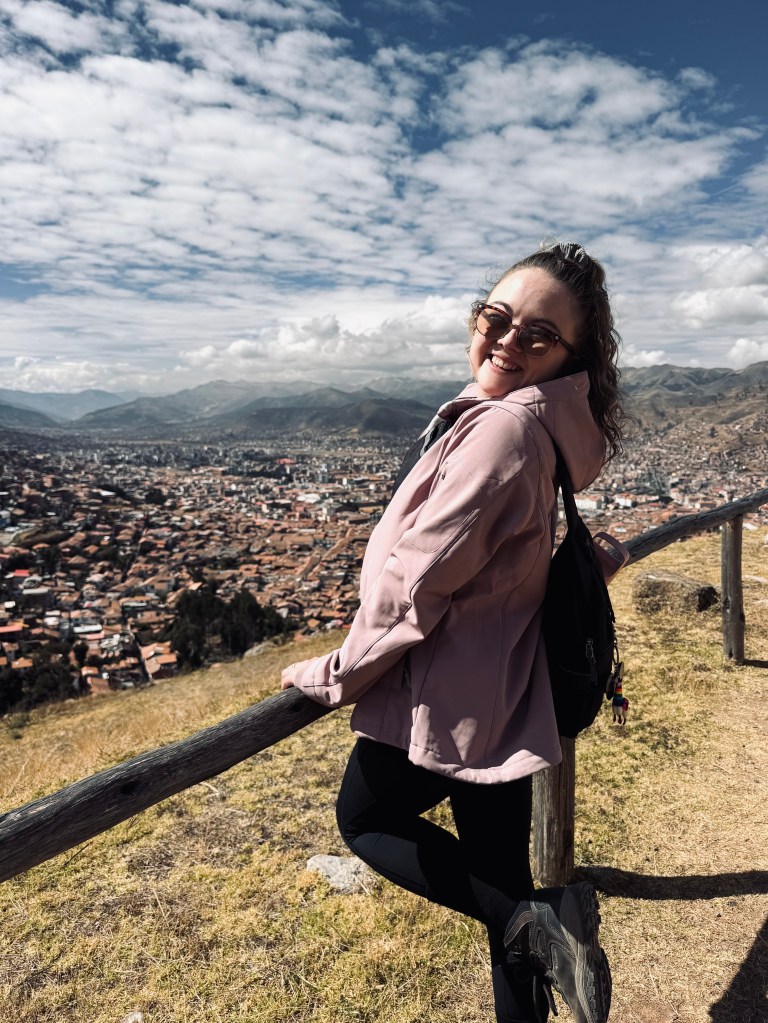
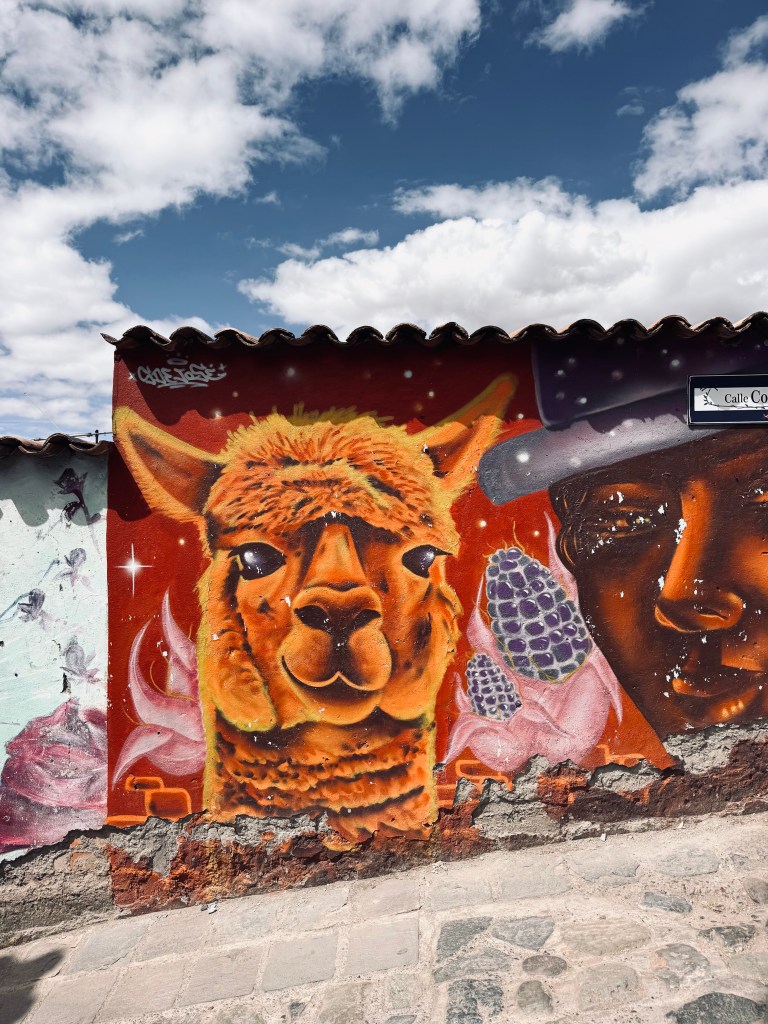
San Blas is Cusco’s charming artisan district, full of cobblestone streets, galleries, and craft shops (it’s adorable!). Meander slowly, pop into studios, pick up some souvenirs and admire the city views from the hills.
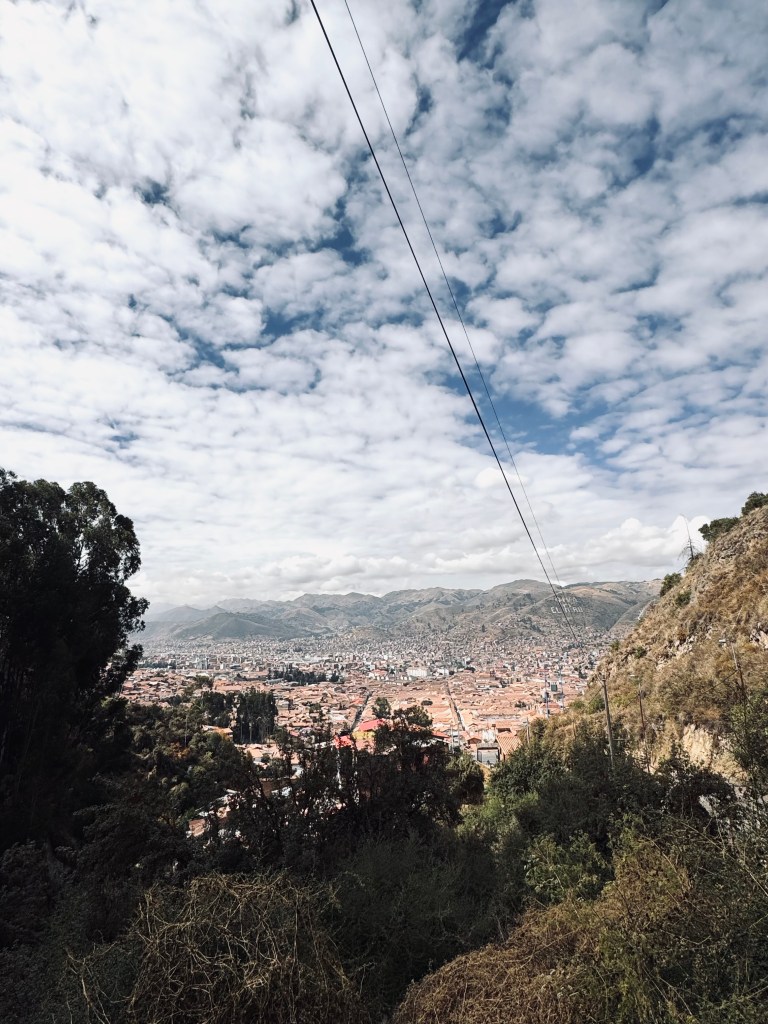
Tip: Avoid rushing or carrying heavy backpacks on your first day — the altitude can make even gentle hills tiring (it’s crazy but even walking up to the lookout points in this area was exhausting!)
3. Sip Coca Tea and Hydrate Constantly
Staying hydrated is key to adjusting to Cusco’s high altitude. Try local remedies like:
- Mate de coca (coca leaf tea) – traditionally used to help with altitude adjustment.
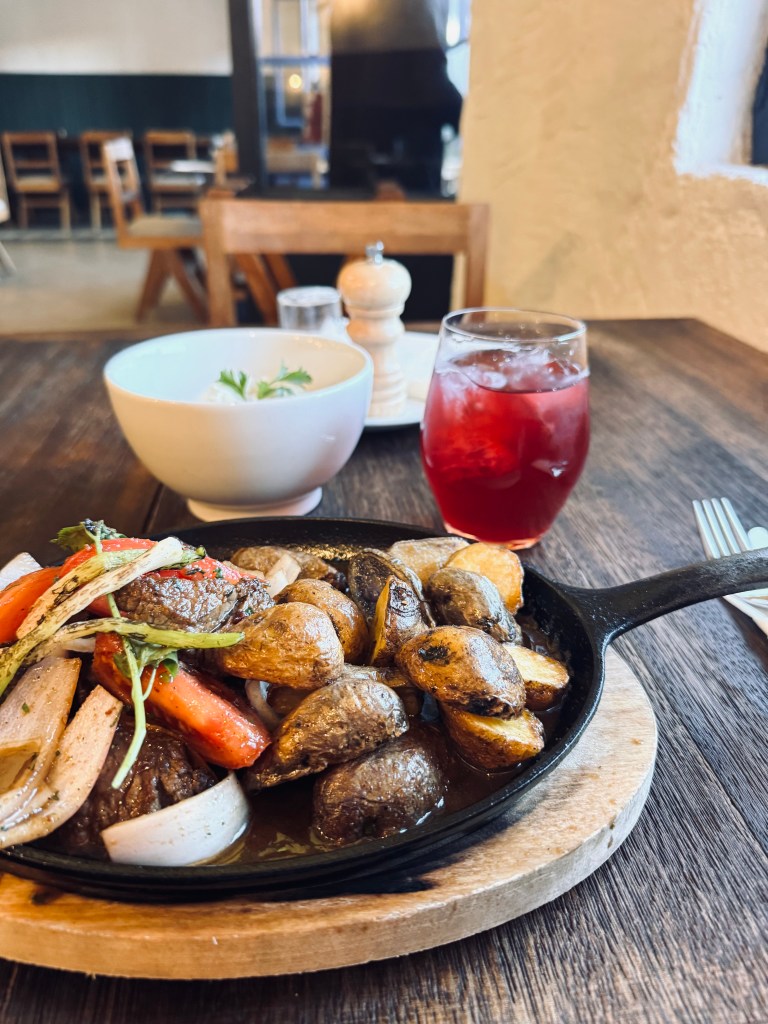
- Fresh fruit juices or smoothies – available at markets and cafés.
Avoid alcohol and heavy meals for the first day or two to prevent extra strain on your body.
4. Visit Museums and Cultural Sites
Cusco has plenty of low-intensity attractions that don’t require strenuous walking:
- Qorikancha (Temple of the Sun) – fascinating history and beautiful architecture.
- Museo Inka – learn about the Inca civilization in a calm, air-conditioned environment.
- Museo de Arte Precolombino – impressive collections without long walks.
These stops keep you engaged without overexertion.
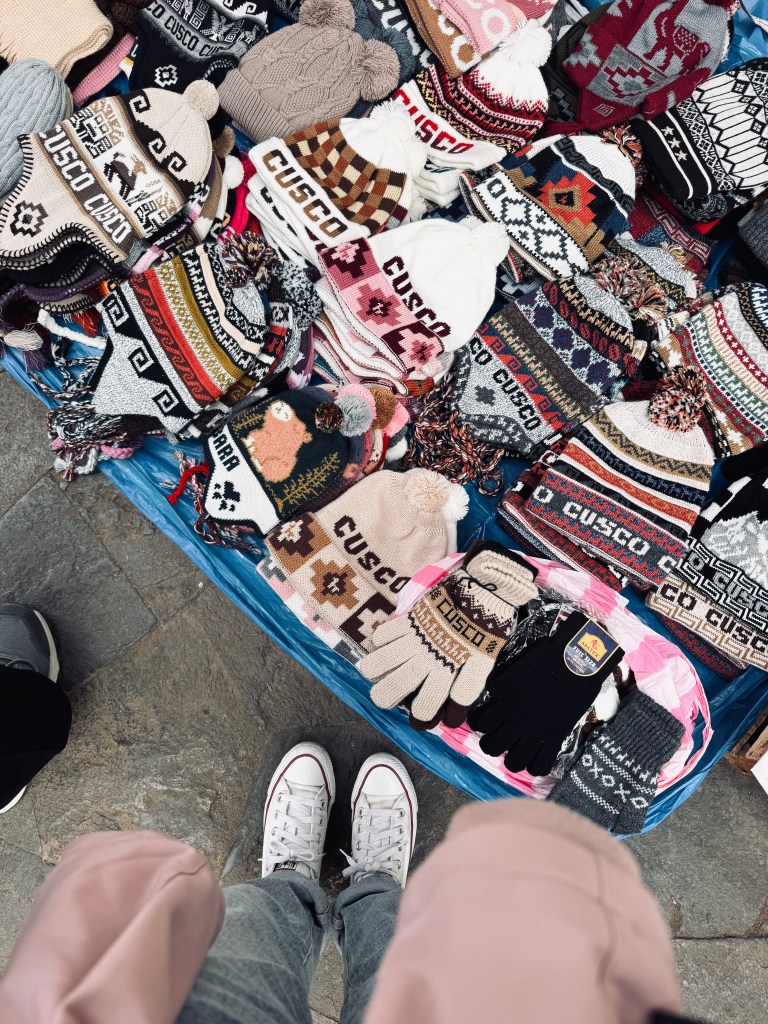
5. Visit the Markets
A fun and easy way to spend an acclimatisation day is wandering around the local markets! Cusco has some really big market plazas filled with souvenirs and great local food.
- San Pedro Market – sample local food, buy souvenirs, and explore the vibrant market.
- San Blas Market – located in the San Blas neighbourhood, this market is a little smaller than San Pedro, but with similar stalls.
6. Take Short, Easy Day Trips
If you feel up to it, on your second day try gentle excursions that don’t push your body too hard:
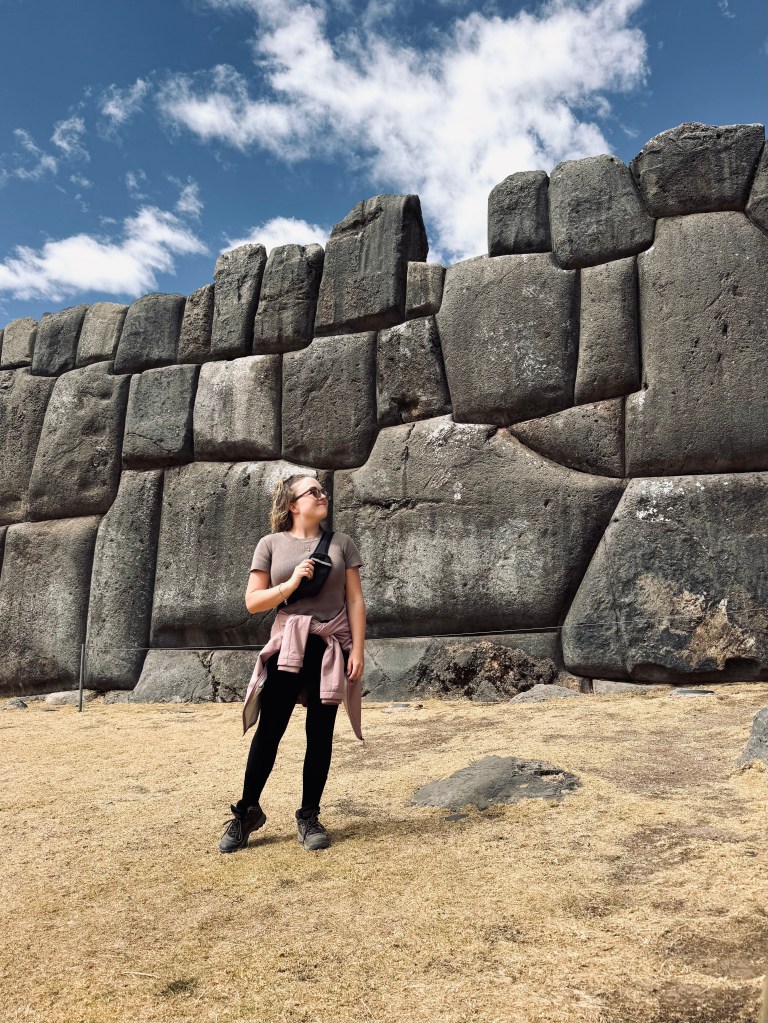
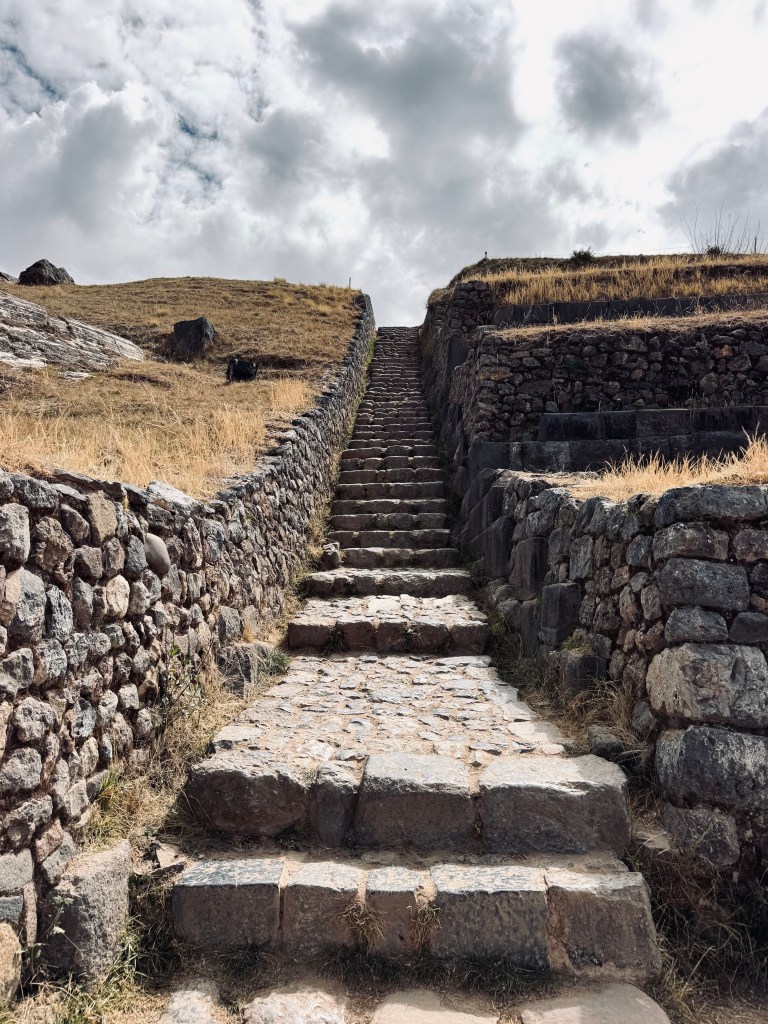
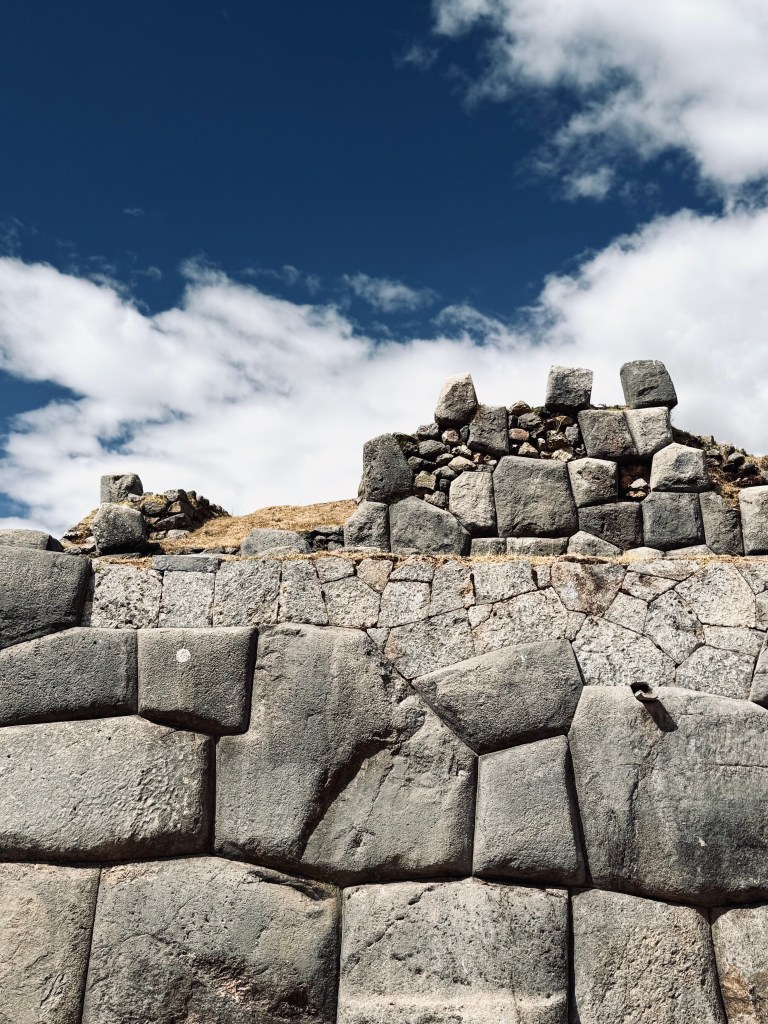
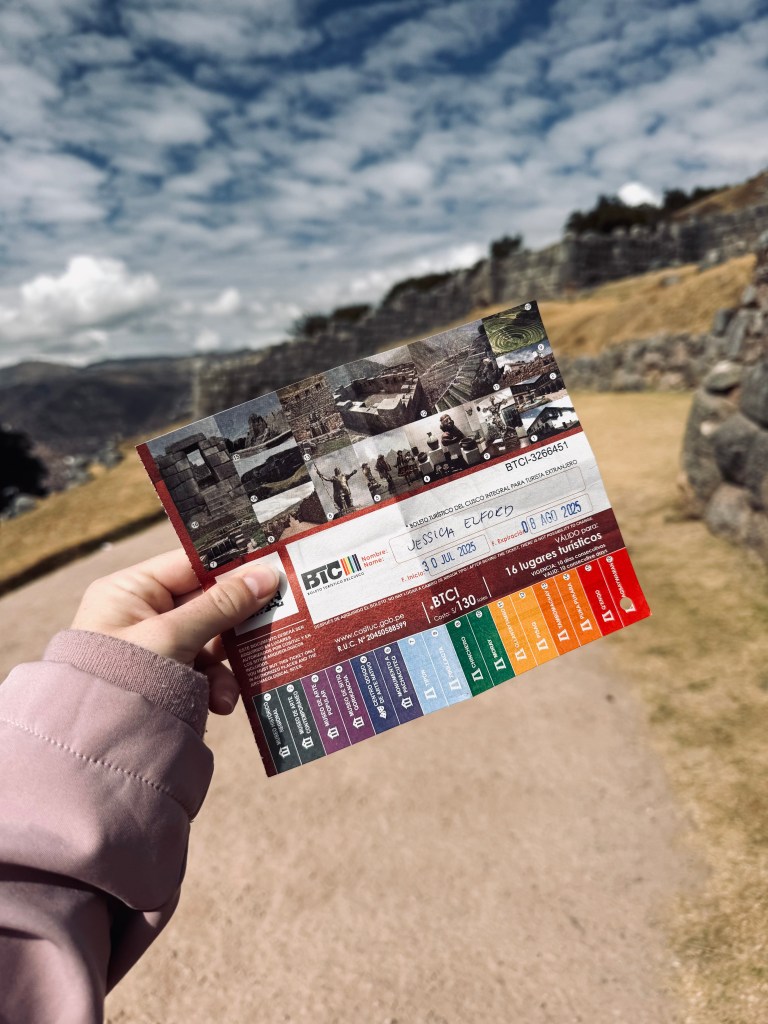
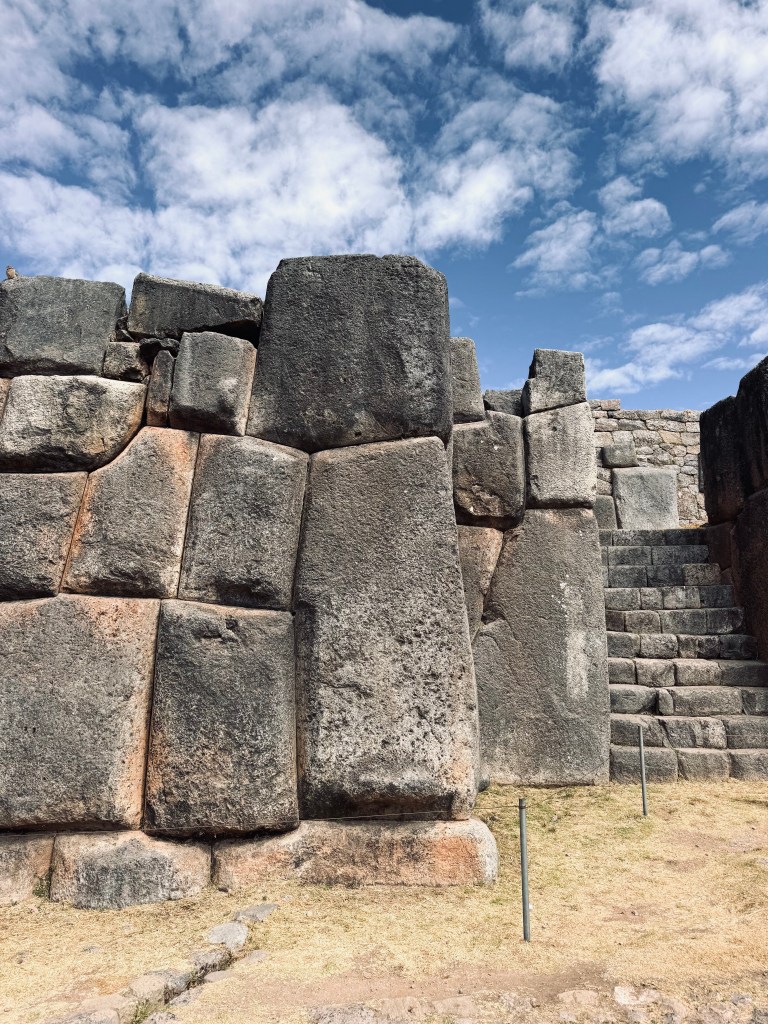
- Sacsayhuamán – visit the Inca ruins at a slow pace. Take lots of breaks as you hike up to this location from Cusco. This is walkable from Cusco. (you will need the Tourist Ticket to visit this location)
- Qenqo and Puka Pukara – nearby ruins that are manageable in a few hours. This is a short uber/taxi ride away from Cusco. (you will need the Tourist Ticket to visit this location)
Tip: Save strenuous hikes, like the Inca Trail or Rainbow Mountain for after a few days of acclimatisation.
7. Listen to Your Body and Rest Often
Altitude affects everyone differently. Rest, hydrate, and avoid overexertion. Even sitting in a café or strolling slowly is valuable for acclimatisation.
Acclimatising to Cusco’s altitude doesn’t mean missing out on the city’s charm. With slow walks, cultural visits, rooftop views, and hydrating drinks, you can enjoy your first days without overdoing it.
By taking it easy, you’ll be ready to tackle Rainbow Mountain, the Sacred Valley, and the Inca Trail feeling strong, safe, and fully immersed in the magic of Cusco.
Check out my full 3-Week Peru Itinerary here!
Disclaimer: This post contains affiliate links, which means I may earn a small commission if you purchase through these links – at no extra cost to you.
🦙 More Peru Posts
Check out these Peru blog posts:
Something went wrong. Please refresh the page and/or try again.


 Jess at Sea
Leave a comment