If there’s one image that captures the essence of Kyoto, it’s the vivid red torii gates of Fushimi Inari Taisha. Nestled at the base of Mount Inari, this iconic Shinto shrine isn’t just one of Japan’s most photogenic spots – it’s also a place of deep spiritual significance.
Whether you’re drawn by the hike, the history, or the Instagram shot (no shame!), here’s everything you need to know before visiting Fushimi Inari Shrine.
Planning a trip to Kyoto? Check out my Guide to Spending 3 Days in Kyoto here!
What Is Fushimi Inari Taisha?
Fushimi Inari Taisha is the head shrine dedicated to Inari, the Shinto god of rice, agriculture, prosperity, and business. Founded in 711 AD, it’s over 1,300 years old and one of Kyoto’s most important religious sites.
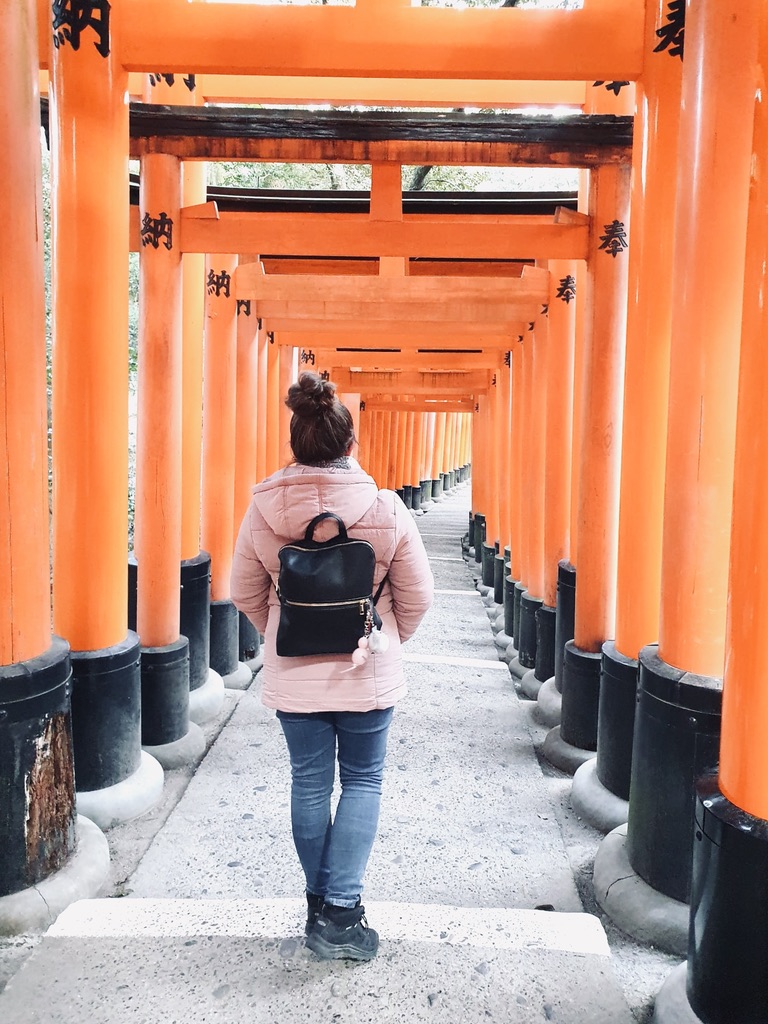
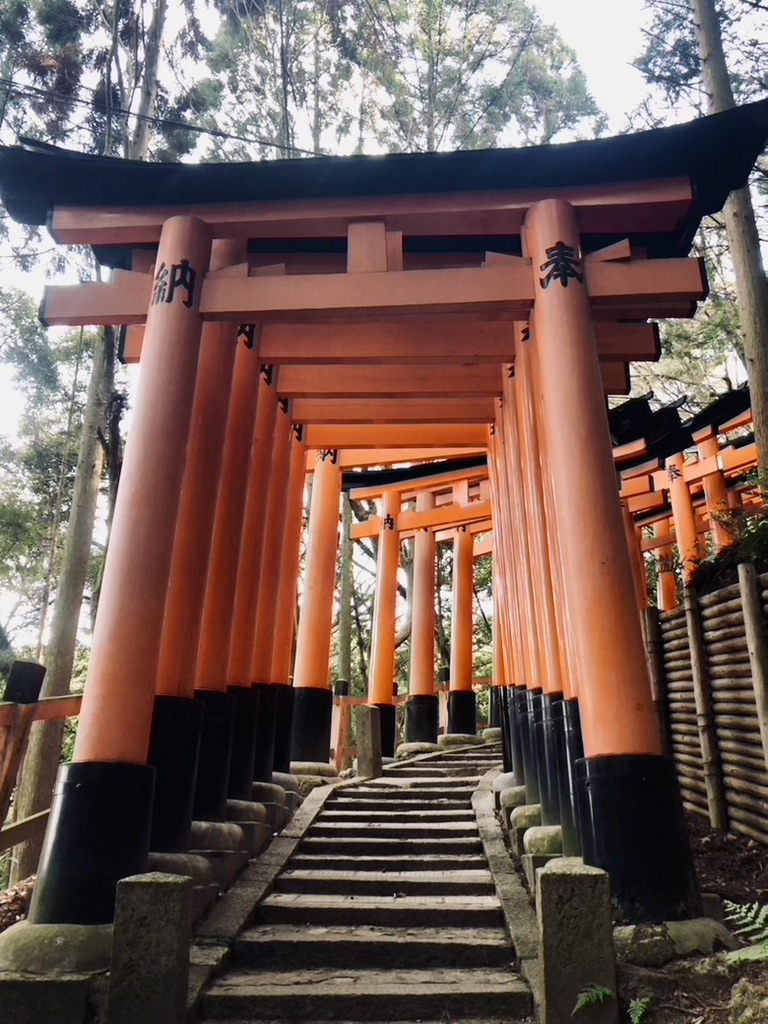
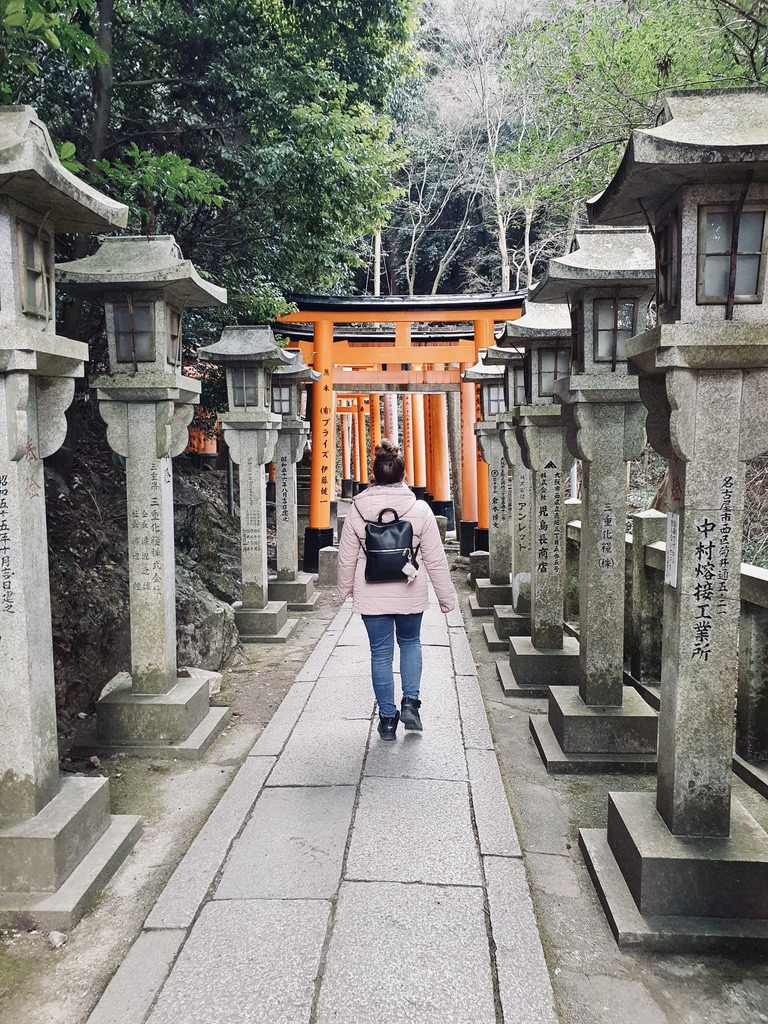
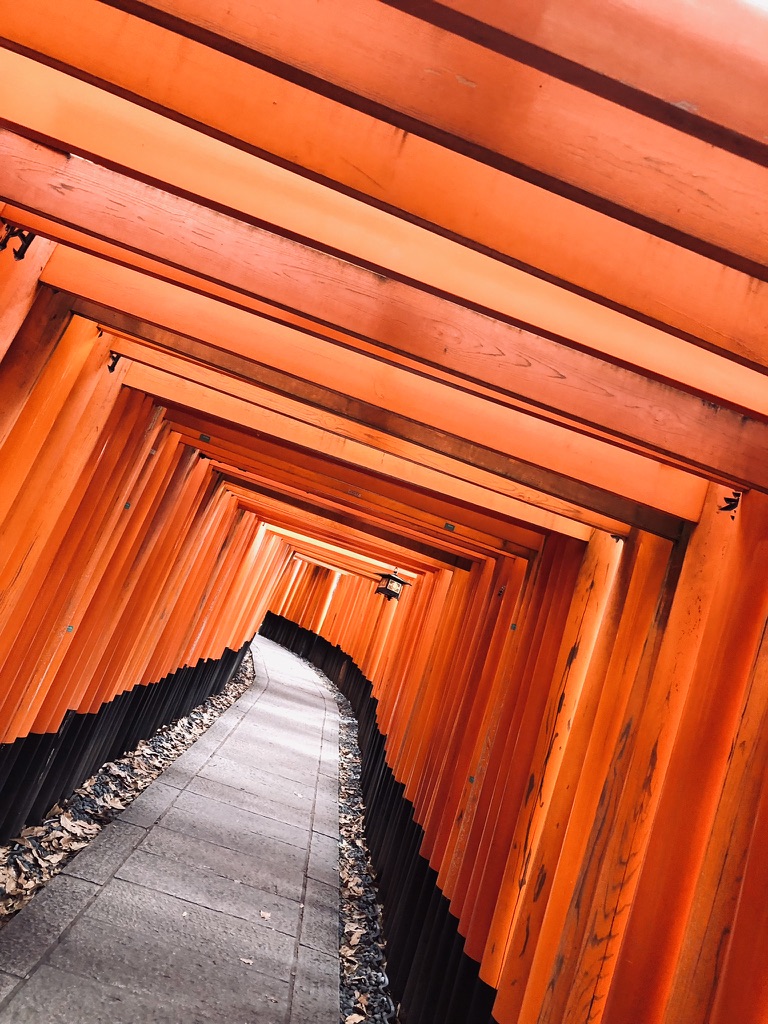
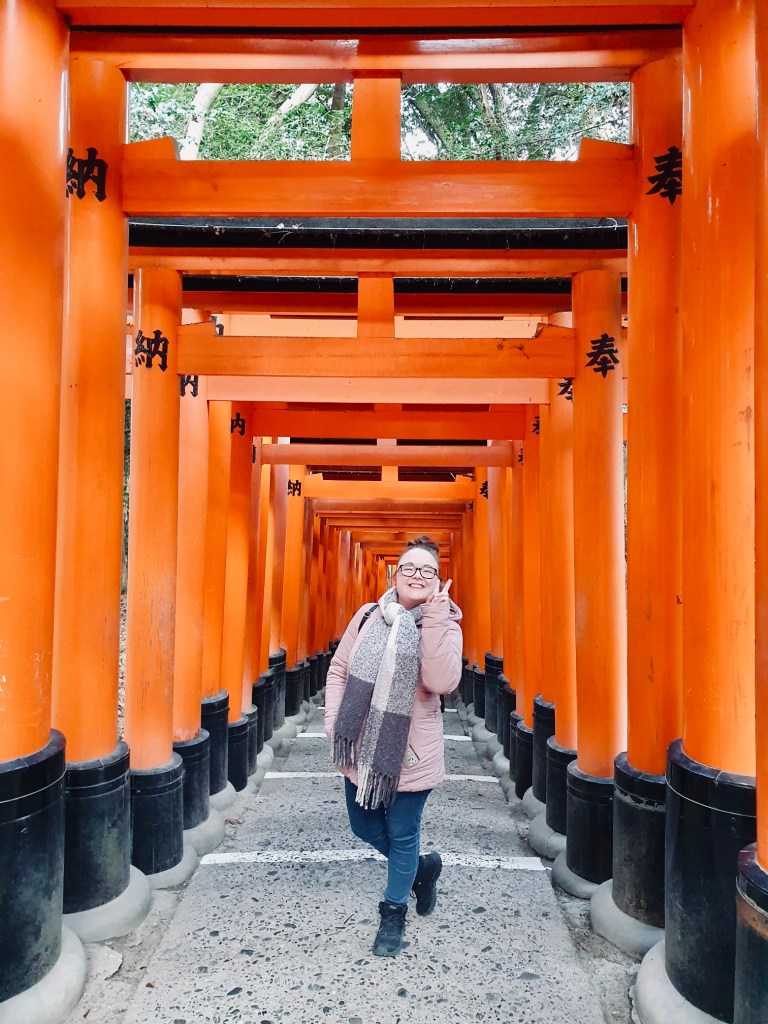
It’s most famous for its Senbon Torii – literally “thousands of torii gates” – which form seemingly endless vermilion tunnels up the mountainside. Each gate has been donated by individuals or businesses hoping for good fortune and blessings.
How to Get to Fushimi Inari Shrine
Getting to Fushimi Inari is easy and quick from Kyoto Station:
- JR Nara Line to Inari Station (just 5 minutes). The shrine entrance is directly outside the station.
- Alternatively, take the Keihan Line to Fushimi-Inari Station, which is a short walk away.
No matter how you arrive, you’ll be at the entrance within minutes of stepping off the train.
Sometimes it’s easier to go on a guided day trip where everything is all organised for you like this tour to Fushimi Inari Shrine and Nara Park: Kyoto/Osaka: Nara, Fushimi Inari Taisha, Arashiyama Bus Tour
When to Visit Fushimi Inari
The shrine is open 24/7 and free to enter, even at night! That makes it one of the most accessible and budget-friendly attractions in Kyoto.
Best Times to Visit:
- Early Morning (before 8 AM): Peaceful, quiet, and perfect for photos without crowds.
- Evening/Dusk: Fewer visitors and a magical glow from lanterns lining the paths.
- Avoid midday, especially weekends and holidays – it gets extremely crowded.
What to Expect on the Fushimi Inari Hike
The trail through the torii gates leads up and around Mount Inari and takes about 2–3 hours round trip. You don’t have to complete the entire hike – many visitors turn back after the main gate area, but continuing offers a quieter, more spiritual experience.
Trail Highlights:
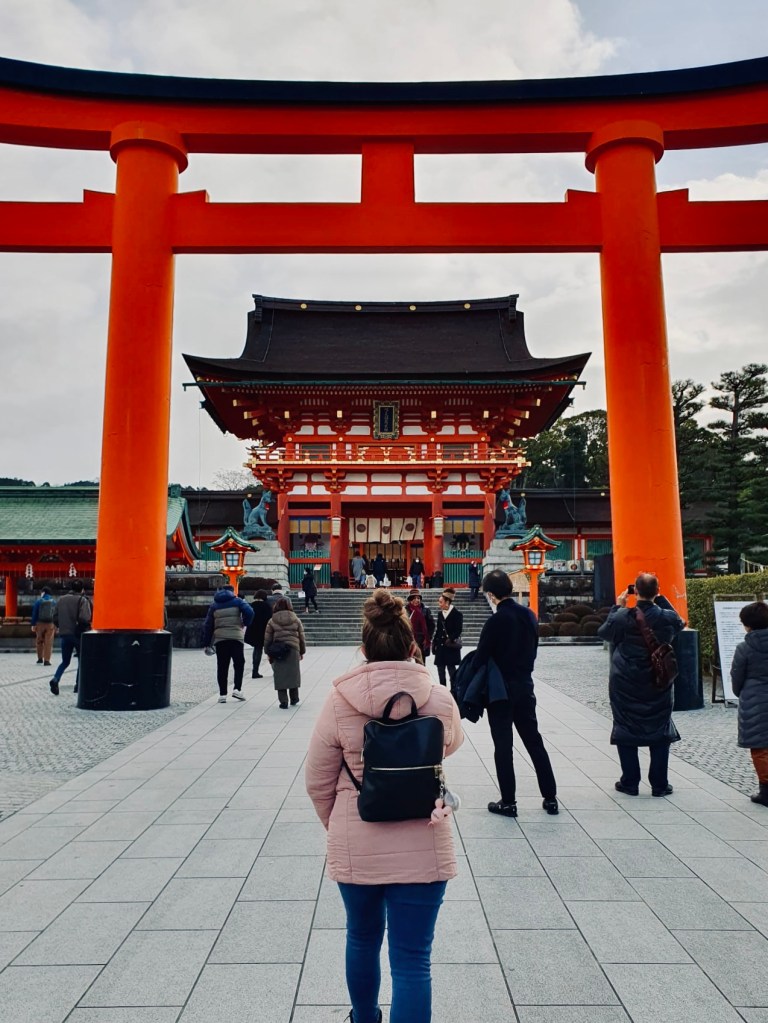
- Main Shrine (Honden): Near the entrance; visitors often stop here to pray and make offerings.
- Senbon Torii: The iconic tunnels of red gates – the most photographed spot is just past the Honden.
- Yotsutsuji Intersection: Halfway up the mountain and offers a panoramic view of Kyoto.
- Fox Statues (Kitsune): Inari’s messengers, often seen holding keys or scrolls in their mouths.
Wear comfortable walking shoes, especially in rainy or snowy weather – the trail can be slippery.
What to Eat Near Fushimi Inari
Right outside the shrine, you’ll find a lively street filled with food stalls and local snacks – perfect for a pre- or post-hike treat.
Must-Try Snacks:
- 🍙 Inari Sushi: Sweet tofu-wrapped rice, named after the shrine’s deity.
- 🍢 Yakitori: Grilled chicken skewers.
- 🍡 Yatsuhashi: Cinnamon mochi, a Kyoto specialty.
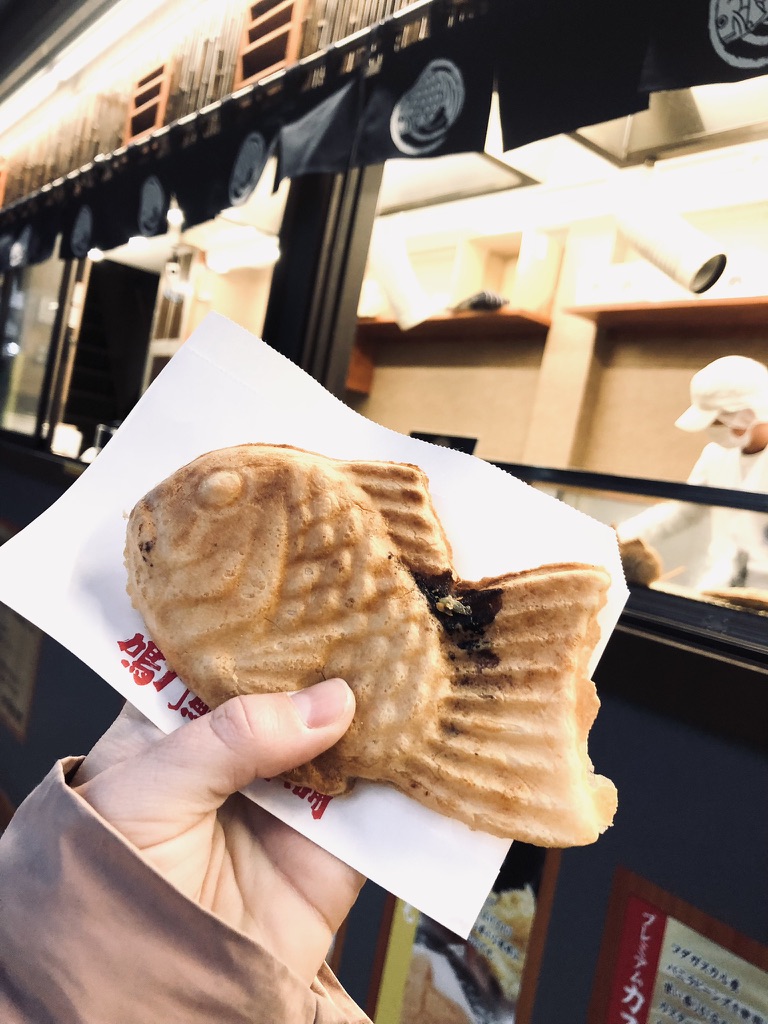
- 🐟 Taiyaki: Fish-shaped pastry with red bean or custard filling.
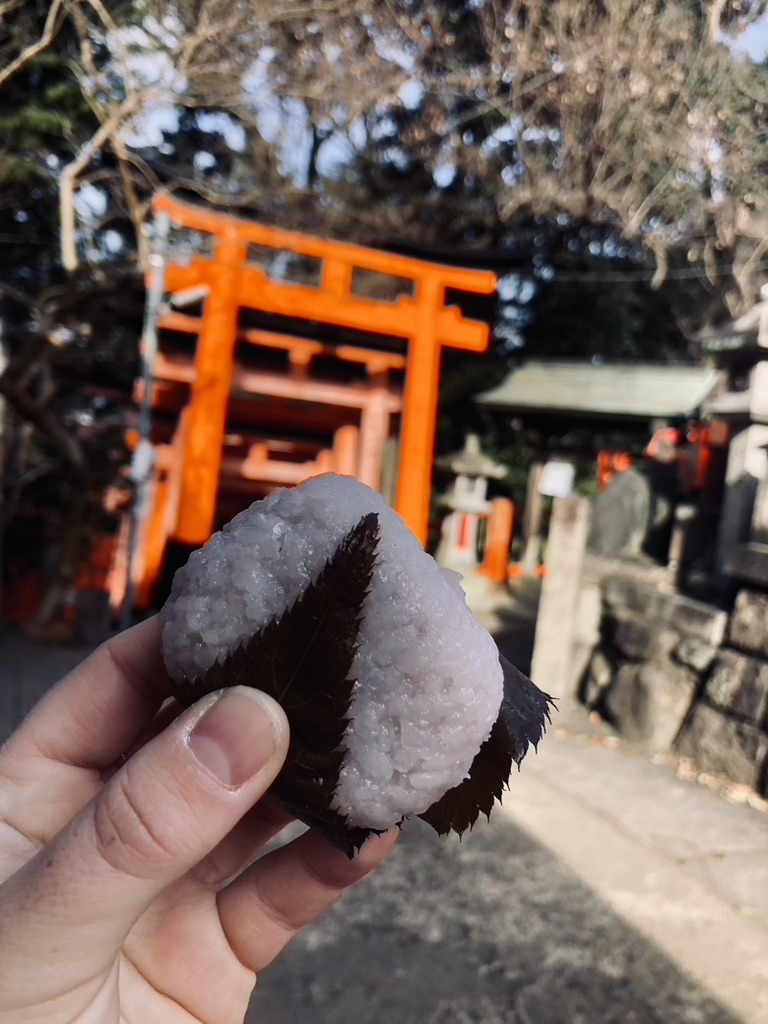
- 🌸 Chōmeiji Mochi: Sakura-flavored traditional rice cake.
Shrine Etiquette Tips
Fushimi Inari is a sacred site – here’s how to show respect:
- Bow once before entering through each torii gate.
- Walk to the side, not the center – the middle path is for the gods.
- Write your wish on an ema (wooden plaque) or donate a small torii gate.
- Stay quiet and respectful, especially around people praying.
Photography Tips at Fushimi Inari
This shrine is one of Japan’s top photo spots, but patience and timing are key:
- Walk further along the trail for quieter torii gate tunnels – fewer people = better photos.
- Visit at sunrise or sunset for dramatic lighting and atmosphere.
- Avoid tripods during busy hours – paths are narrow and often crowded.
- Be courteous – most people will wait or move if you ask politely.
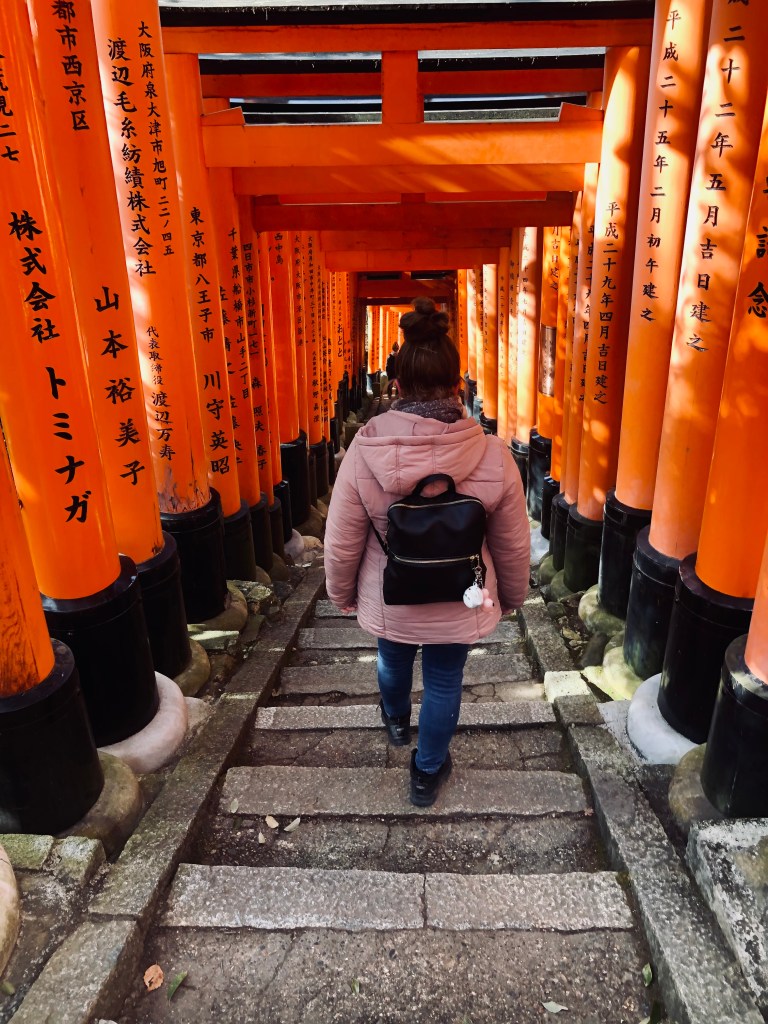
Why You Shouldn’t Miss Fushimi Inari Taisha
Fushimi Inari is more than just a photo opportunity – it’s an unforgettable Kyoto experience.
The scent of the forest and incense, the rhythmic crunch of gravel underfoot, the rustling of the leaves – even with the crowds, there’s a deep sense of peace here. This was hands down one of my top highlights on my Japan Trip, and I can still picture those vibrant gates glowing in the early morning light.
Whether you go for the hike, the photos, the food, or the spiritual atmosphere, Fushimi Inari Shrine is a must-visit in Kyoto – and a place that will stay with you long after your trip ends.
Planning a trip to Japan? Check out my 4-Week Winter Japan Itinerary here!
Helpful Japan Travel Links
Where to stay in Kyoto
Luxury: Dormy Inn Premium Kyoto Ekimae Natural Hot Spring
Mid-Range: Ryokan Sanga
Budget: Ryokan Nakajimaya
Top Tours from Kyoto
– Kyoto/Osaka: Nara, Fushimi Inari Taisha, Arashiyama Bus Tour
– Kyoto Geisha Walking Tour: Gion District & Hidden Gems
– Kyoto: Arashiyama Bamboo, Matcha, Monkeys & Temple Tour
– Kyoto: Kimono Tea Ceremony at Orizuruya Gion
– Kyoto: Kimono Rental with Hairstyling and Accessories
How to Get Around Japan
Getting around Japan is incredibly easy once you figure out public transport. Public Transport in Kyoto is very easy to navigate – trains and buses will be your go to. Check times using Google Maps or with your hotel.
JR Pass (Japan Rail Pass)
If you’re planning to travel between multiple cities in Japan, the Japan Rail Pass can offer huge savings on long-distance train travel, including most Shinkansen (bullet trains). The pass allows unlimited travel on JR trains for a set period (7, 14, or 21 days) and must be purchased before arriving in Japan. It’s best value if you’re doing trips like Tokyo–Kyoto–Osaka–Hiroshima–Sapporo, but may not be worth it for shorter or city-only itineraries, where individual tickets or IC cards are cheaper.
For more freedom, a rental car might be the easiest option – check out rental car options from here.
Japan SIM Card: Airalo eSIM
Staying connected in Japan is a must for maps, transport apps, bookings, and Googling “best taiyaki near me” (trust me!). I used Airalo, an eSIM app that lets you download a Japan data plan before you even land.
There’s no need to swap physical SIM cards or hunt down a store at the airport. Just activate your eSIM and you’re online the moment you arrive – easy, affordable, and super convenient.
👉 Get your Japan eSIM with Airalo here
Disclaimer: This post contains affiliate links, which means I may earn a small commission if you purchase through these links – at no extra cost to you.
🪭 More Japan Posts
Check out these Japan blog posts:

Something went wrong. Please refresh the page and/or try again.


 Jess at Sea
Leave a comment