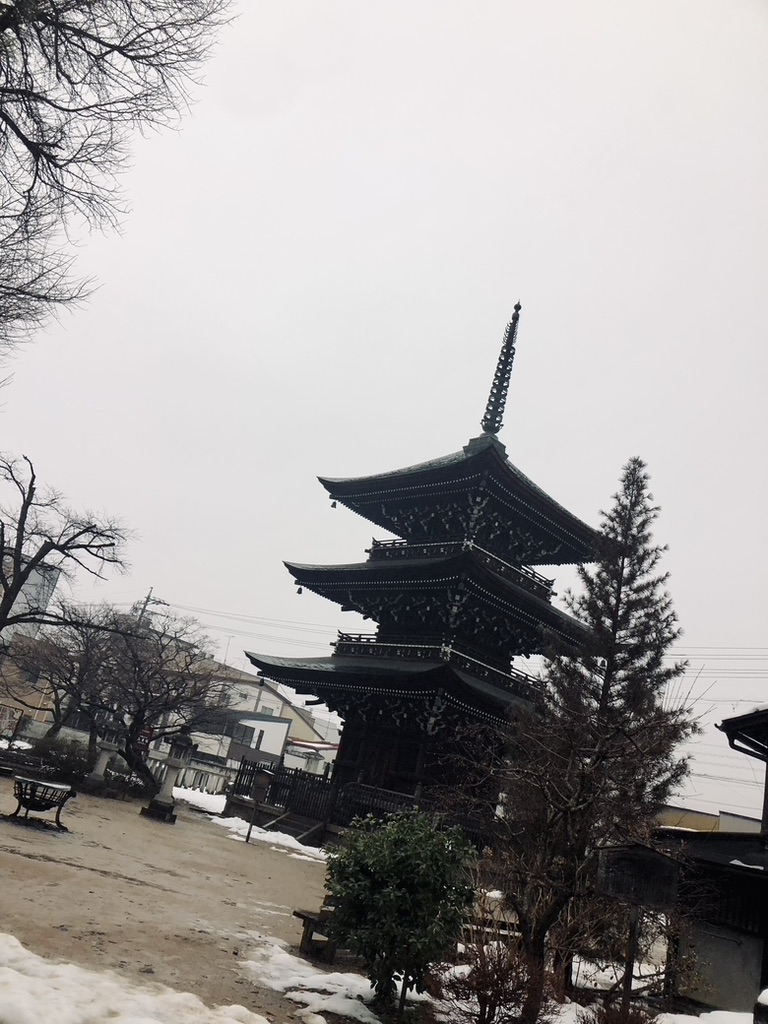
If you’re planning a trip to Japan and want to slow down and soak in some old-world charm, the picturesque mountain town of Takayama is a must. Nestled in the heart of the Japanese Alps, this beautifully preserved Edo-era town is full of wooden merchant houses, cozy ryokans, morning markets, and incredible local food. I absolutely fell in love with Takayama on my Japan trip – and it ended up being one of my favorite places in Japan!
Here’s how to spend two unforgettable days in Takayama, including a magical side trip to Shirakawa-go.

Where to Stay in Takayama
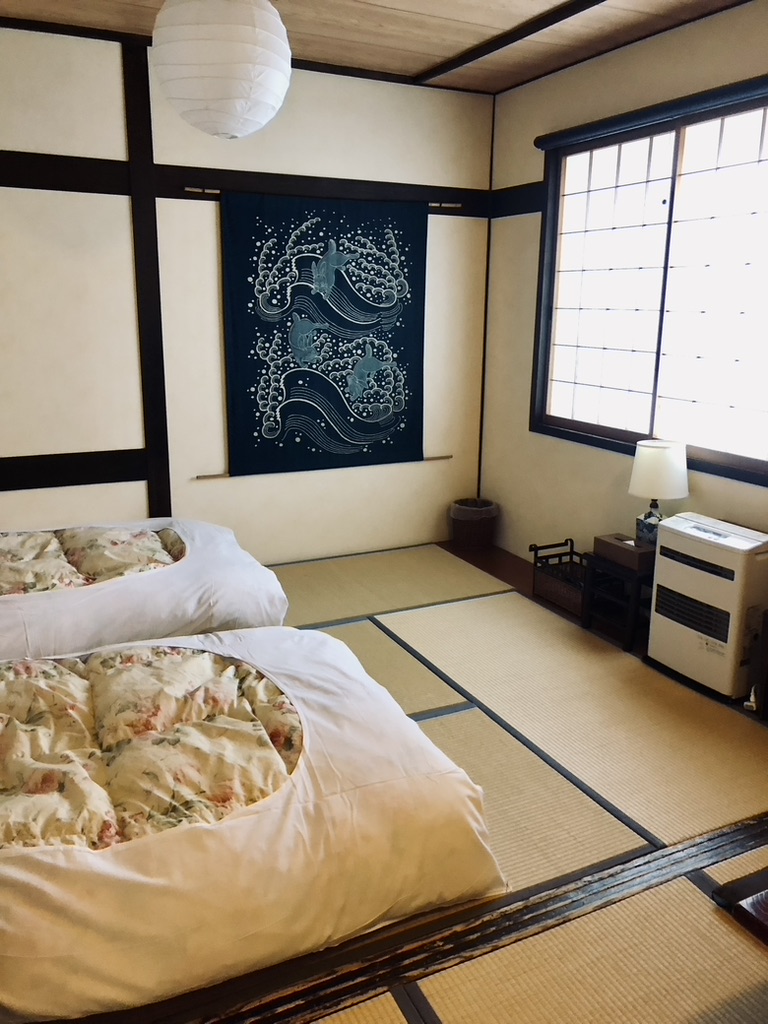
Takayama is the perfect place to try a traditional ryokan stay, complete with tatami floors, sliding paper doors, and a cozy futon bed. Whether you’re traveling on a budget or splurging on luxury, there are great options:
Accommodation Recommendations:
Luxury: Sumiyoshi Ryokan
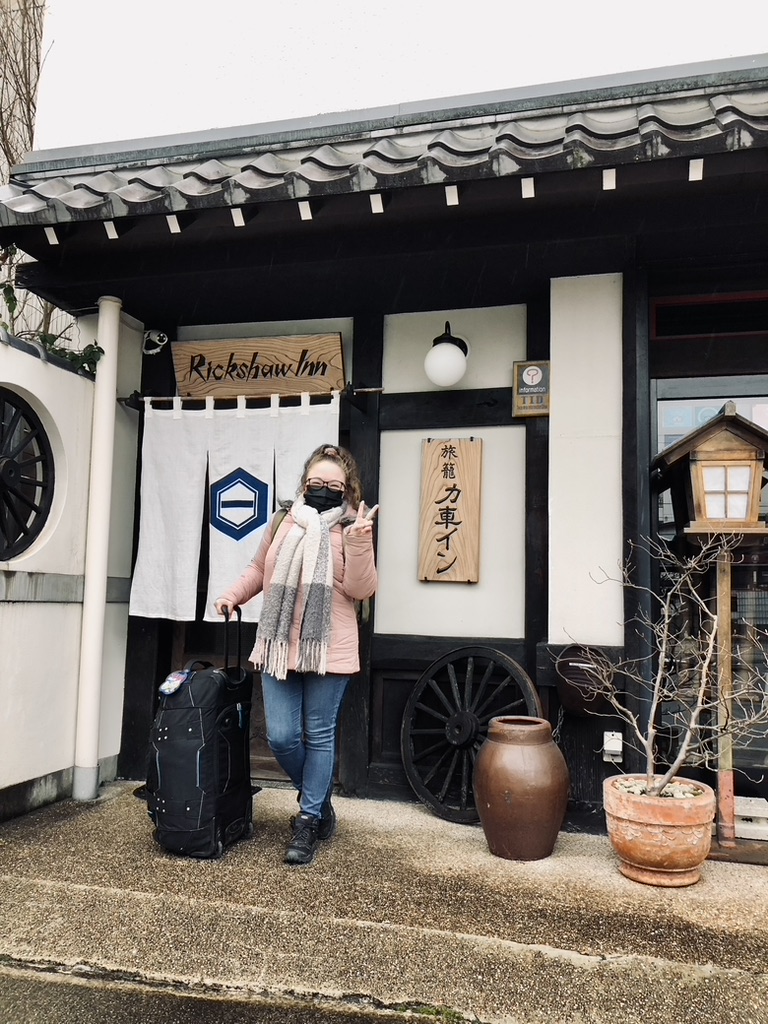
Mid-Range: Rickshaw inn
Budget: Hida Takayama Hodakaso Yamano Iori

Day 1: Explore the Historic Heart of Takayama
Morning: Arrival + Miyagawa Morning Markets
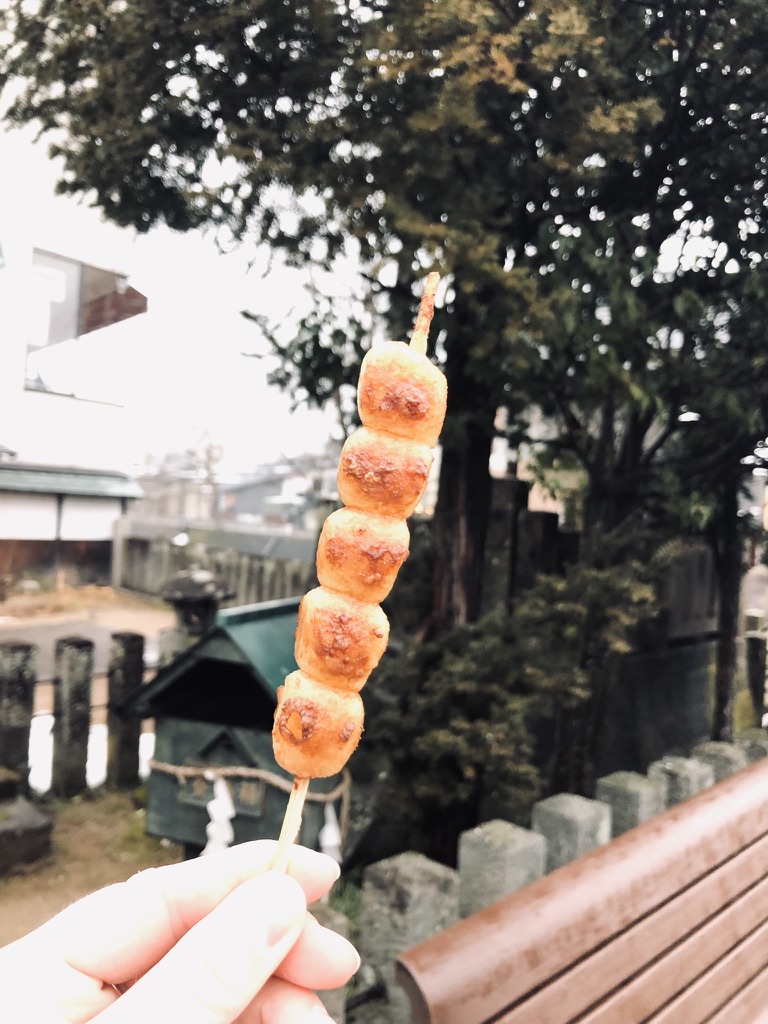
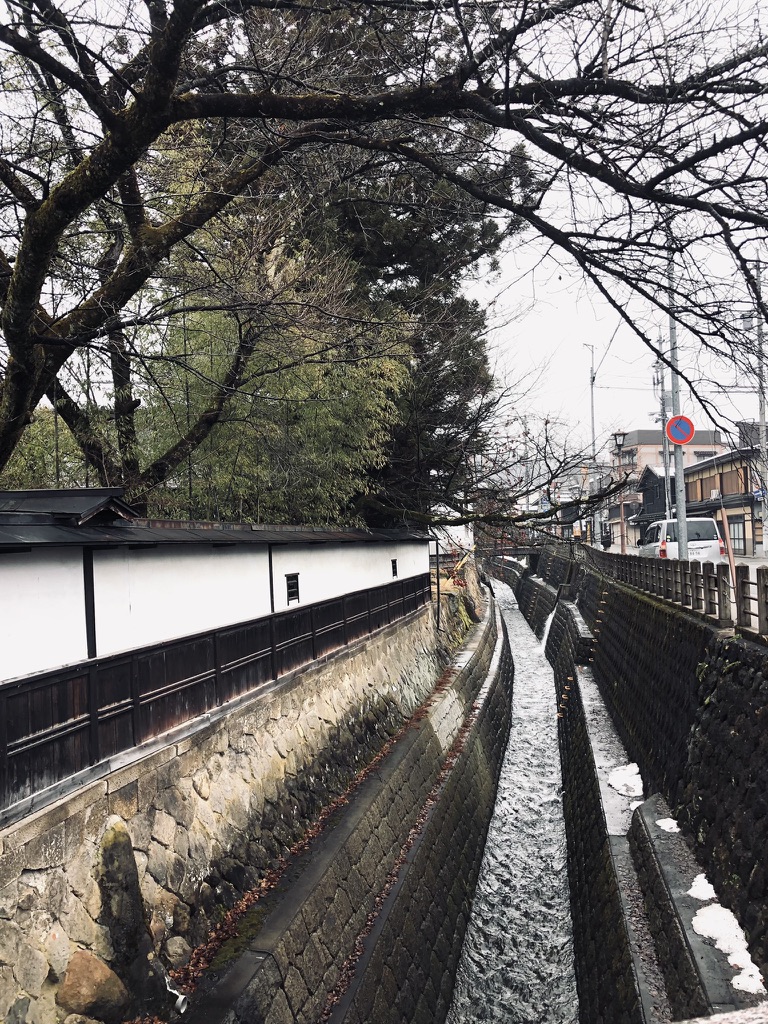
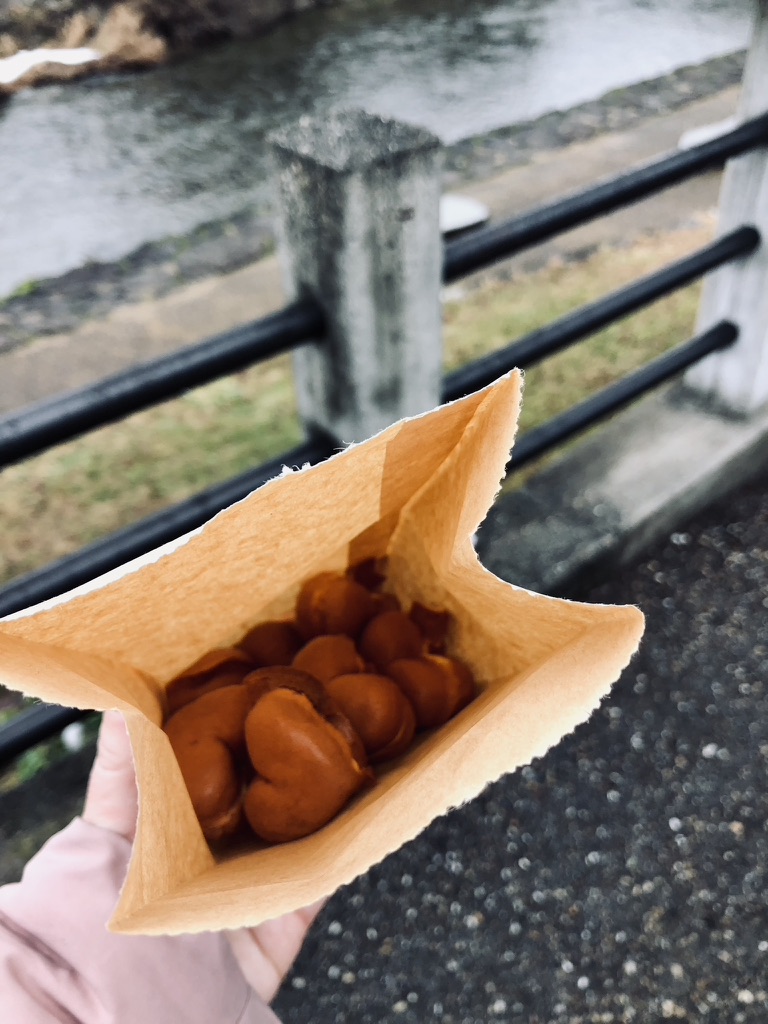
Arrive in Takayama by train or bus (it’s well-connected from cities like Nagoya and Toyama). Start your day at the Miyagawa Morning Market, which runs along the river. You’ll find stalls selling local produce, snacks, and handmade goods. Try some rice dumplings, grilled fish, or adorable heart-shaped castella cakes as you stroll.
Late Morning: Takayama Jinya
Next, visit Takayama Jinya, a former government office from the Edo period. This beautifully preserved building offers a unique glimpse into Japan’s samurai-era administration.
Afternoon: Sanmachi Suji District
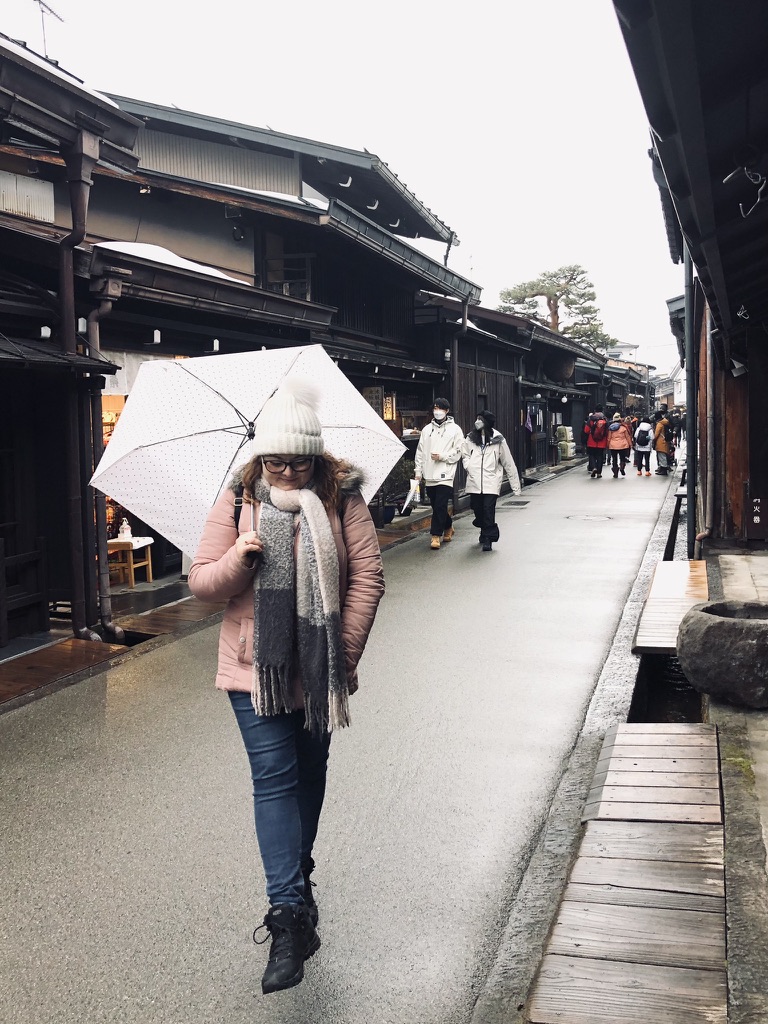
Wander through the atmospheric Sanmachi Suji, Takayama’s famous old town district. This area is lined with traditional wooden buildings, sake breweries, and artisan shops. Stop by a brewery for a tasting, browse handcrafted souvenirs, and don’t miss mitarashi dango – savory rice dumplings grilled on a stick.
Evening: Hida Beef Dinner
Takayama is famous for its Hida beef, a regional delicacy known for its marbling and tenderness. Book a table at a local restaurant and treat yourself to a luxurious dinner – you’ve earned it!
Day 2: Day Trip to Shirakawa-go
Morning: Travel to Shirakawa-go
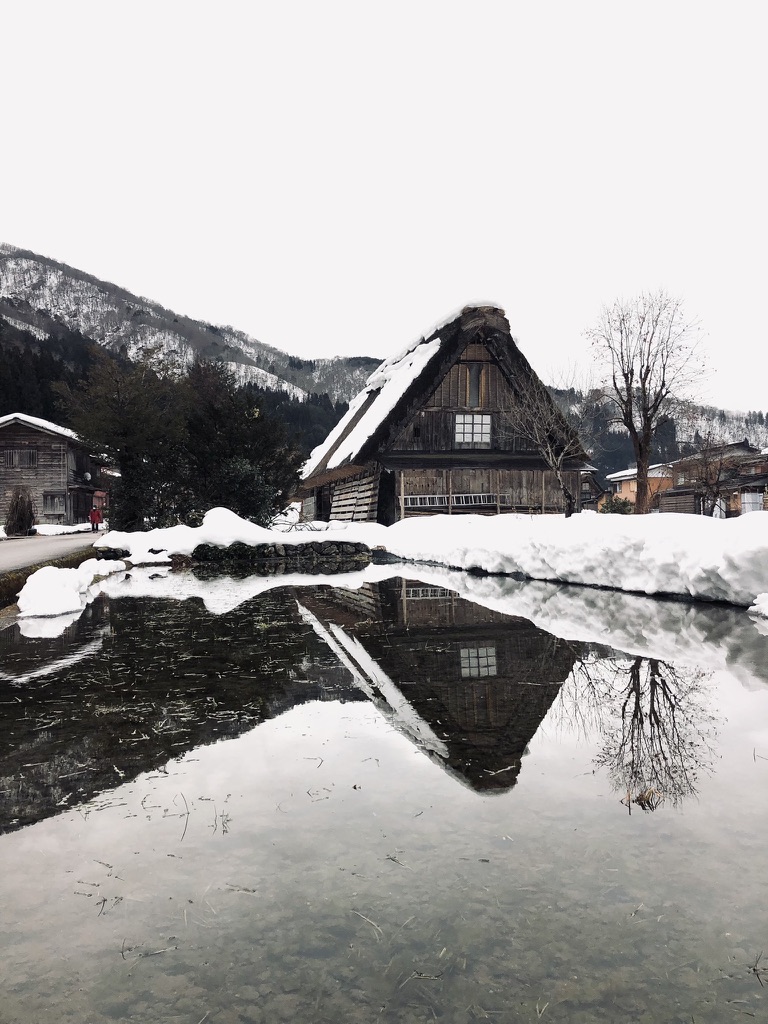
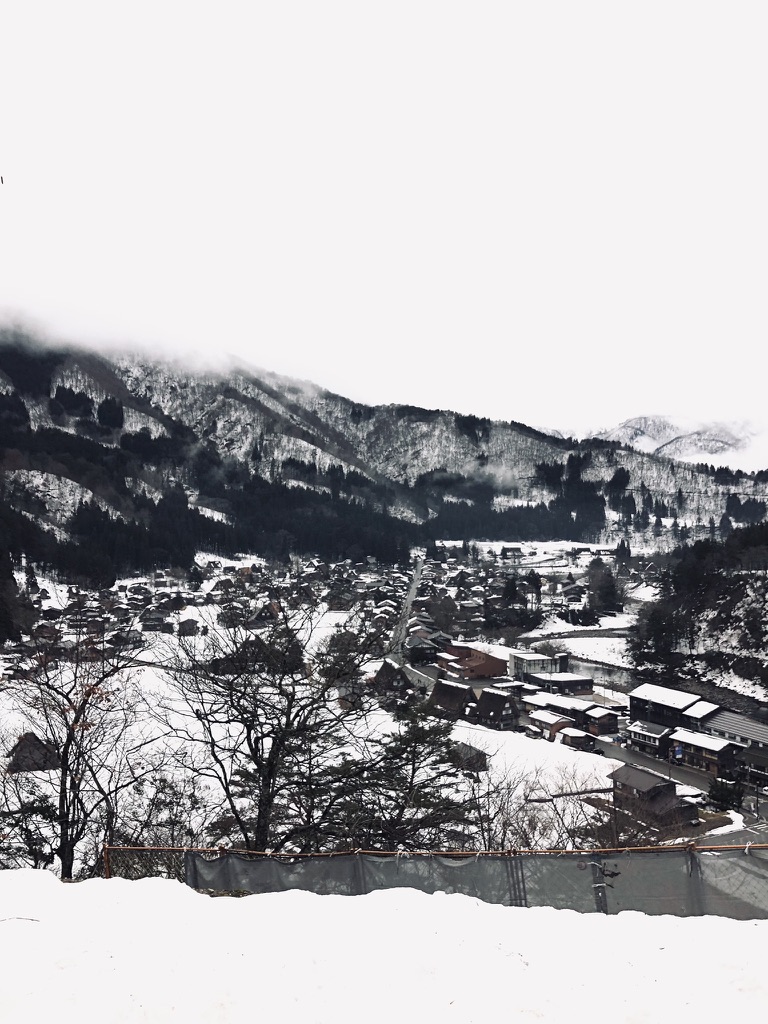
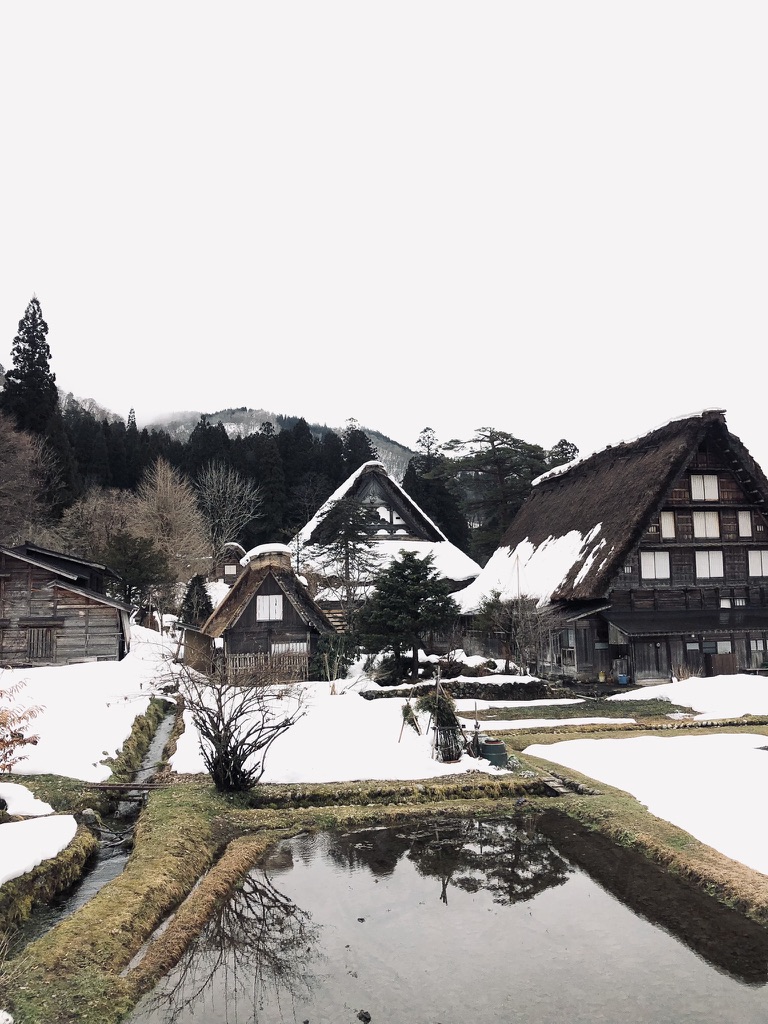
After breakfast, head out on a half-day or full-day trip to Shirakawa-go, a UNESCO World Heritage Site famous for its traditional gassho-zukuri farmhouses. The bus ride from Takayama takes about 50 minutes and offers stunning mountain views along the way.
Once you arrive, explore the fairytale village, visit Wada House, and learn about life in this snowy alpine region. The thatched-roof homes are built to withstand harsh winters and are truly one-of-a-kind.

Afternoon: Local Lunch + Nature Walk
Grab a cozy lunch of soba noodles or Hida beef curry at one of the local restaurants. Afterward, walk up to the Shirakawa-go Observation Deck for breathtaking panoramic views of the entire village – it’s the perfect photo spot!

Evening: Return to Takayama
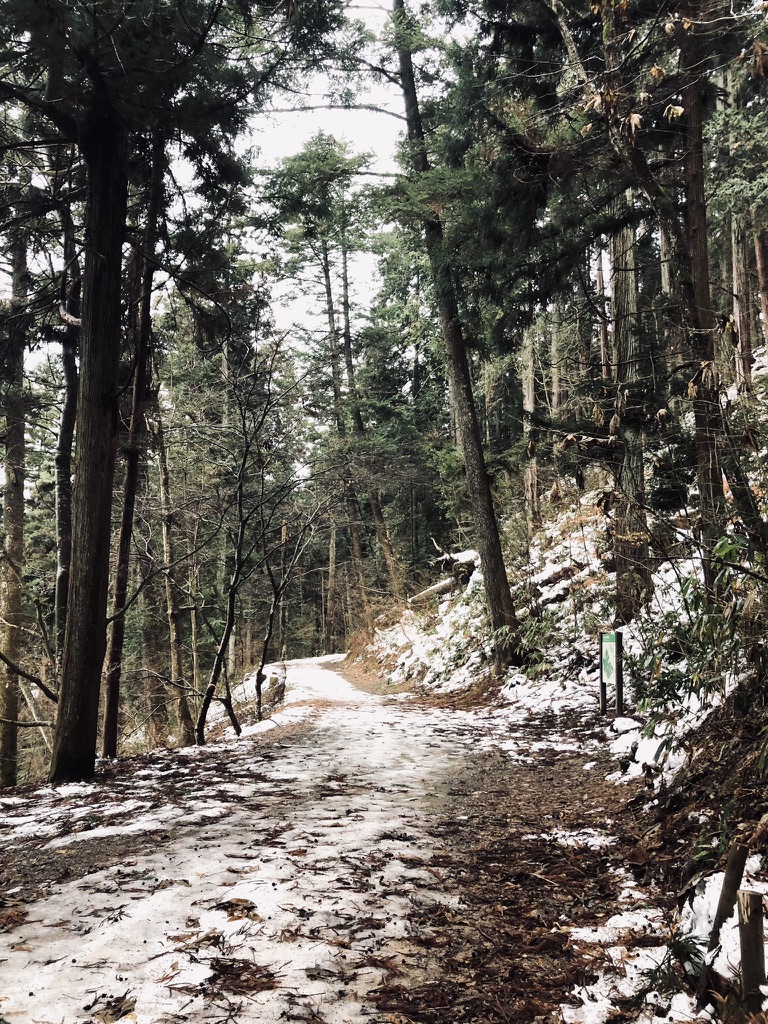
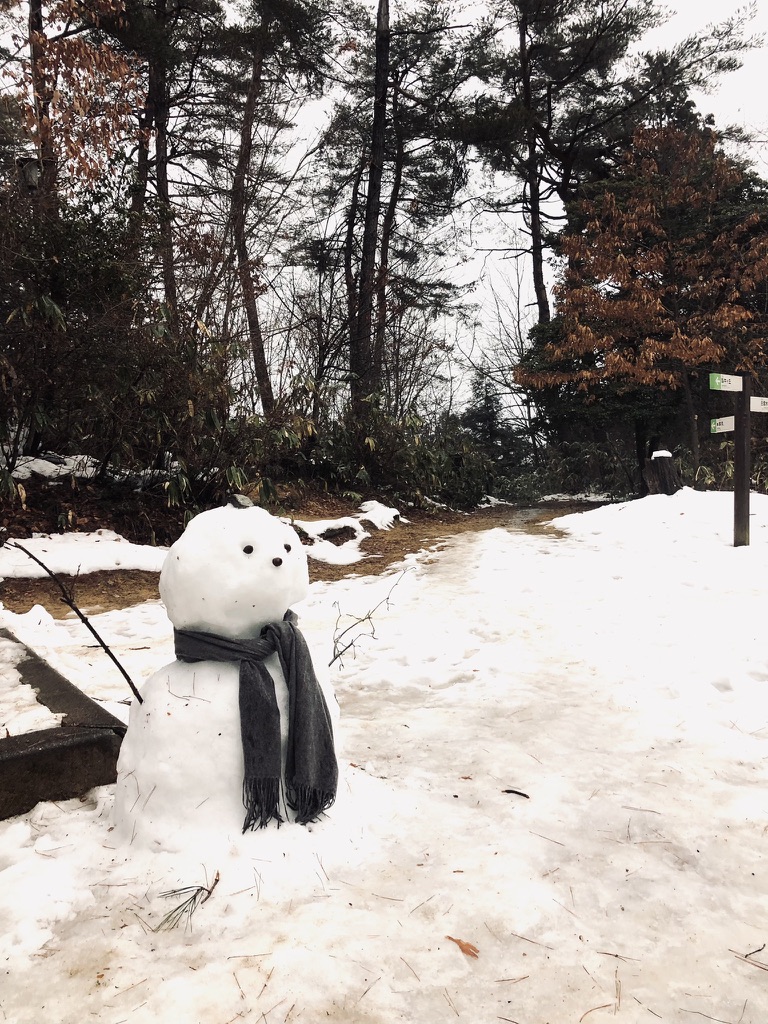
Make your way back to Takayama in the late afternoon. If you have time, enjoy a walk through Shiroyama Park, a peaceful green space with forest trails and scenic lookouts. End your night with a relaxed dinner – maybe some more Hida beef or a full kaiseki meal to cap off your visit.
If you have more time in Takayama, you could take a day trip to Shinhotaka Ropeway and Kamikochi or go on a tour through the traditional village of Hida.
Why Takayama Stole My Heart
From the charming streets of Sanmachi Suji to the snow-covered rooftops of Shirakawa-go, Takayama offers a perfect blend of history, culture, and natural beauty. Whether you’re sipping sake in a 200-year-old brewery, exploring old samurai buildings, or enjoying a bowl of curry in a cozy mountain inn – you’ll be completely enchanted.
Takayama isn’t just a stop on your itinerary – it’s an experience. And one that will stay with you long after your trip ends.
Planning a trip to Japan? Check out my 4-Week Winter Japan Itinerary here!
Helpful Japan Travel Links
Where to stay in Takayama
Luxury: Sumiyoshi Ryokan
Mid-Range: Rickshaw inn
Budget: Hida Takayama Hodakaso Yamano Iori
Top Tours from Takayama
– From Takayama: Guided Day Trip to Takayama and Shirakawa-go
– Takayama: Edo-Period Old Town Walking Tour
– Takayama: Hida Folk Village Guided Tour with Bus Transfer
– From Takayama: Shinhotaka Ropeway and Kamikochi tour
How to Get Around Japan
Getting around Japan is incredibly easy once you figure out public transport. Public Transport around Takyama is super easy. Trains and buses will be your go to – check times using Google Maps.
JR Pass (Japan Rail Pass)
If you’re planning to travel between multiple cities in Japan, the Japan Rail Pass can offer huge savings on long-distance train travel, including most Shinkansen (bullet trains). The pass allows unlimited travel on JR trains for a set period (7, 14, or 21 days) and must be purchased before arriving in Japan. It’s best value if you’re doing trips like Tokyo–Kyoto–Osaka–Hiroshima–Sapporo, but may not be worth it for shorter or city-only itineraries, where individual tickets or IC cards are cheaper.
Japan SIM Card: Airalo eSIM
Staying connected in Japan is a must for maps, transport apps, bookings, and Googling “best taiyaki near me” (trust me!). I used Airalo, an eSIM app that lets you download a Japan data plan before you even land.
There’s no need to swap physical SIM cards or hunt down a store at the airport. Just activate your eSIM and you’re online the moment you arrive – easy, affordable, and super convenient.
👉 Get your Japan eSIM with Airalo here
Disclaimer: This post contains affiliate links, which means I may earn a small commission if you purchase through these links – at no extra cost to you.
🪭 More Japan Posts
Check out these Japan blog posts:
Something went wrong. Please refresh the page and/or try again.


 Jess at Sea
Leave a comment