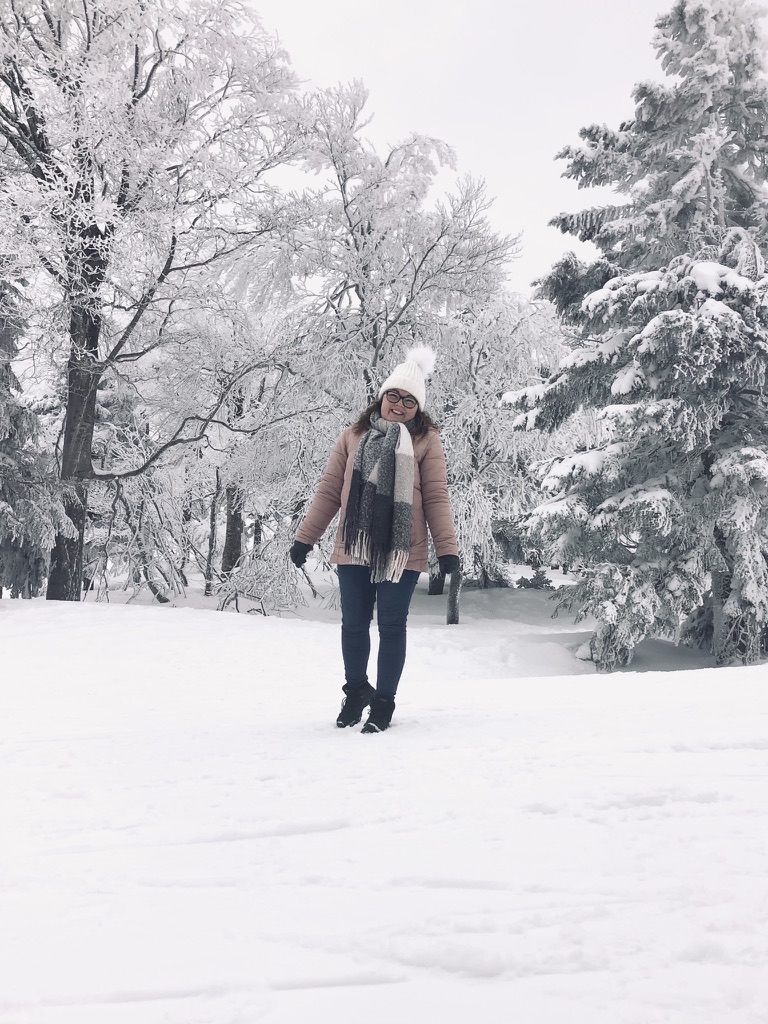
Winter is a magical time to visit Japan. Picture snow-covered temples, steaming hot springs, epic ski slopes, and cozy ramen shops on every corner. I spent four weeks solo traveling across the country, experiencing everything from Tokyo’s neon-lit buzz to the serene beauty of snowy Kyoto. Whether you’re a first-timer or returning for more, this 4-week Japan winter itinerary is packed with highlights, hidden gems, travel tips, and food you won’t stop dreaming about.
If you’re heading for a 3 week trip check out my 3-Week Winter Japan Itinerary version here!
3-Week Japan itinerary Summary
| DAY | ITINERARY |
|---|---|
| Day 1-6 | Tokyo |
| Day 7 | Tokyo – Mt Fuji |
| Day 8 | Mt Fuji |
| Day 9 | Mt Fuji – Hakuba |
| Day 10-11 | Hakuba |
| Day 12 | Hakuba – Takayama |
| Day 13 | Takayama |
| Day 14 | Takayama – Osaka |
| Day 15-16 | Osaka |
| Day 17 | Osaka – Hiroshima – Miyajima |
| Day 18 | Miyajima – Kyoto |
| Day 19-20 | Kyoto |
| Day 21 | Kyoto – Yamagata |
| Day 22 | Yamagata |
| Day 23 | Yamagata – Sapporo |
| Day 24 | Sapporo – Asahikawa |
| Day 25 | Asahikawa |
| Day 26 | Asahikawa – Sapporo |
| Day 27-30 | Sapporo |
| Day 31 | Fly Home |
Day 1: Arrive in Tokyo
I hope you’ve studied up on you’re Japanese because you’ve made it to Japan! When flying into Tokyo, you’ll likely arrive at either Narita or Haneda airport, both of which have easy train connections to central Tokyo. After checking into your hotel, take it easy and adjust to the time zone by exploring the local area. If you’re up for it, head to a nearby convenience store (konbini) to grab some uniquely Japanese snacks. I recommend trying Pocky, mochi, and the konbini onigiri – they’re so good!
Check out my 1-Week Guide to Tokyo here!
Where to stay in Tokyo:
Base yourself in Shinjuku or Asakusa – both vibrant, central, and well-connected by public transport. I was lucky enough to be able to visit an old school friend who was living in Tokyo at the time, but if I were to book accommodation, I would definitely book a capsule hotel because… #wheninjapan
Luxury: Asakusa Kokono Club Hotel
Mid-Range: Toyoko Inn Tokyo Asakusa Kuramae No.2
Budget: 9h nine hours Akasaka sleep lab
Staying Connected in Japan
One of the best travel hacks for exploring Japan stress-free is making sure you’re always connected. From navigating the Tokyo metro to translating menus at a cozy izakaya, having reliable data is a lifesaver. I used an eSIM from Airalo and it worked like a dream! I was online the second I landed, and topping up was super easy through the app. I’ve used this app for sim cards on all my travels since – would definitely recommend!
Day 2: Asakusa, Senso-ji Temple, Shibuya Crossing
Asakusa & Senso-ji Temple
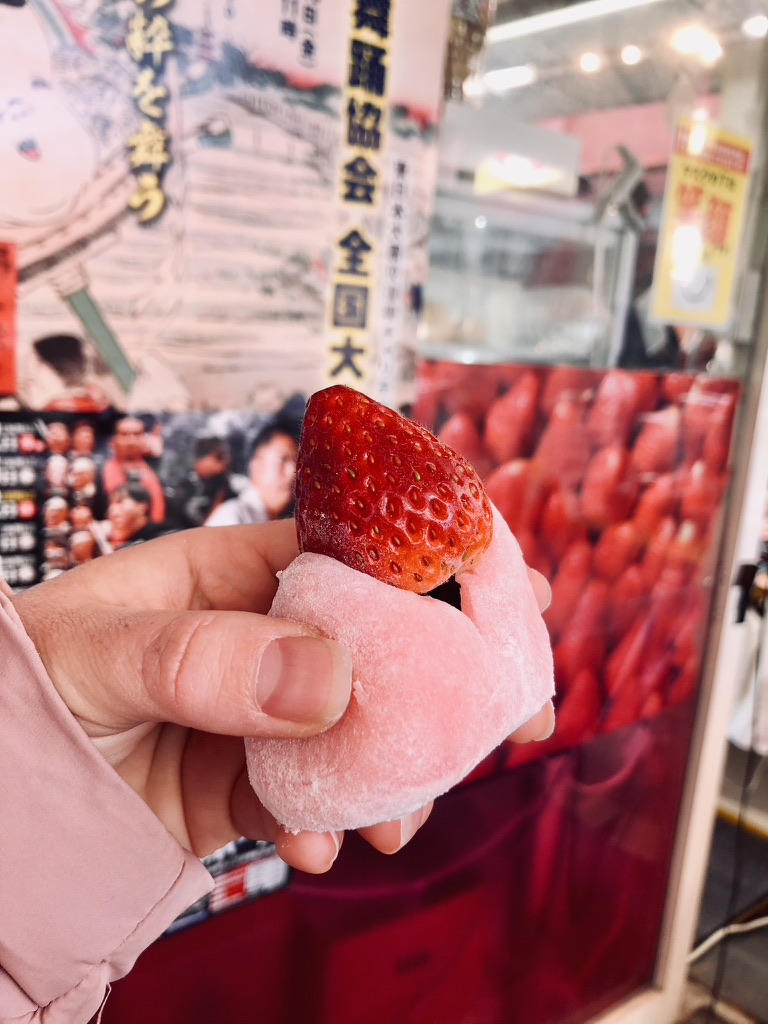
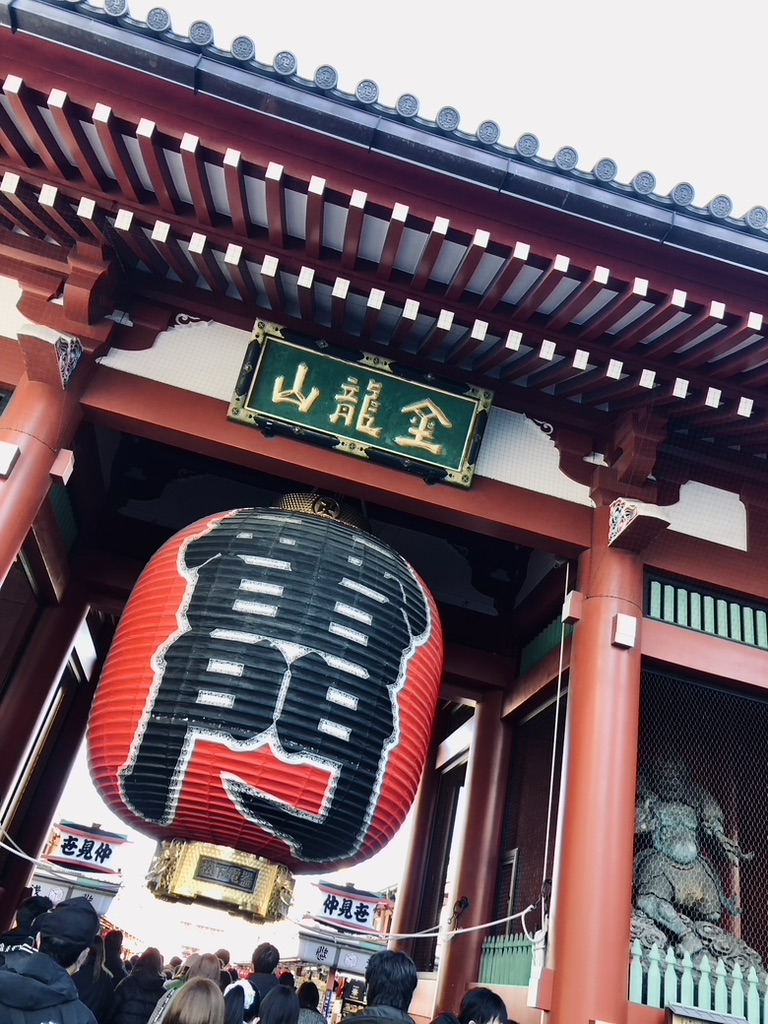
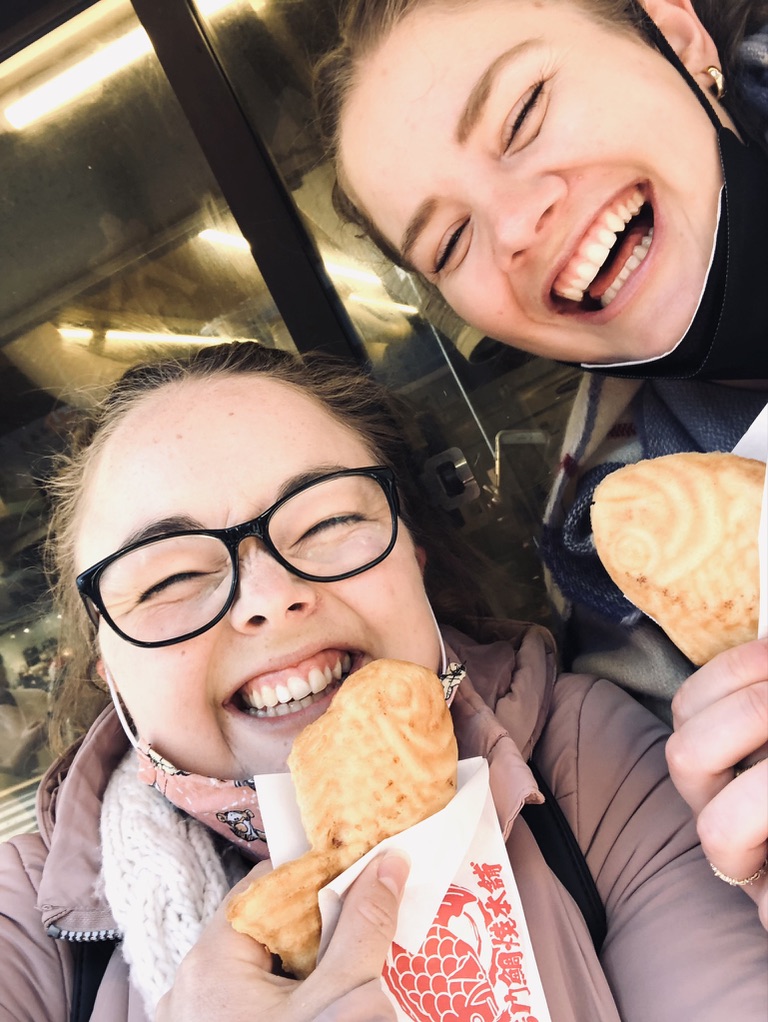
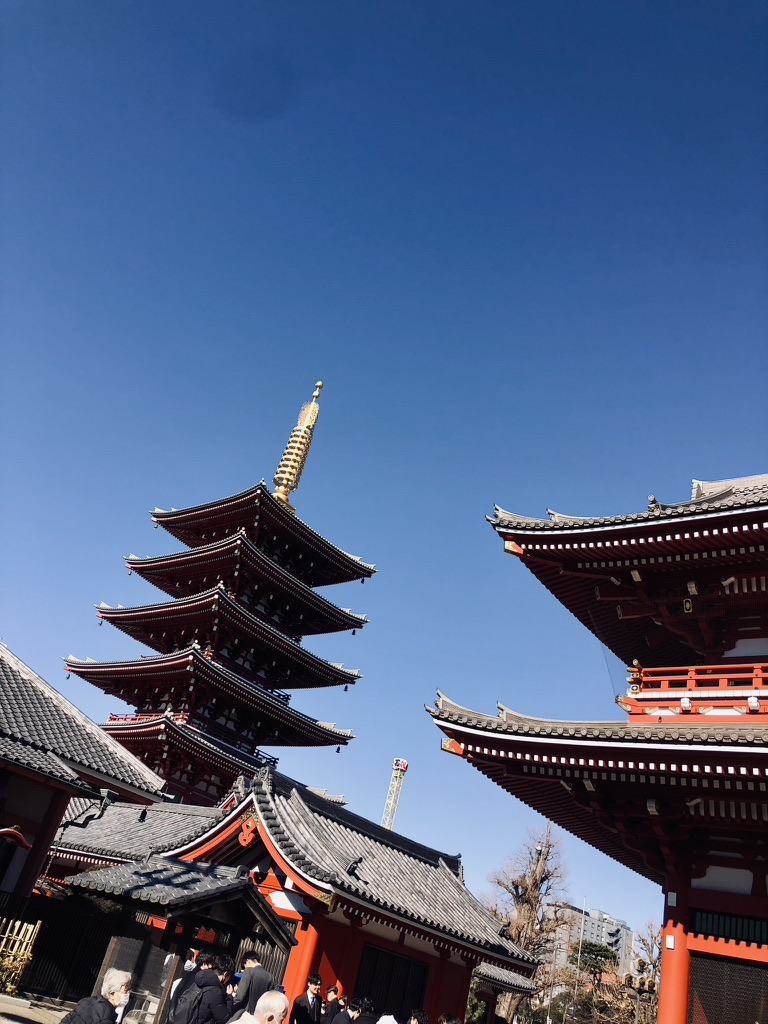
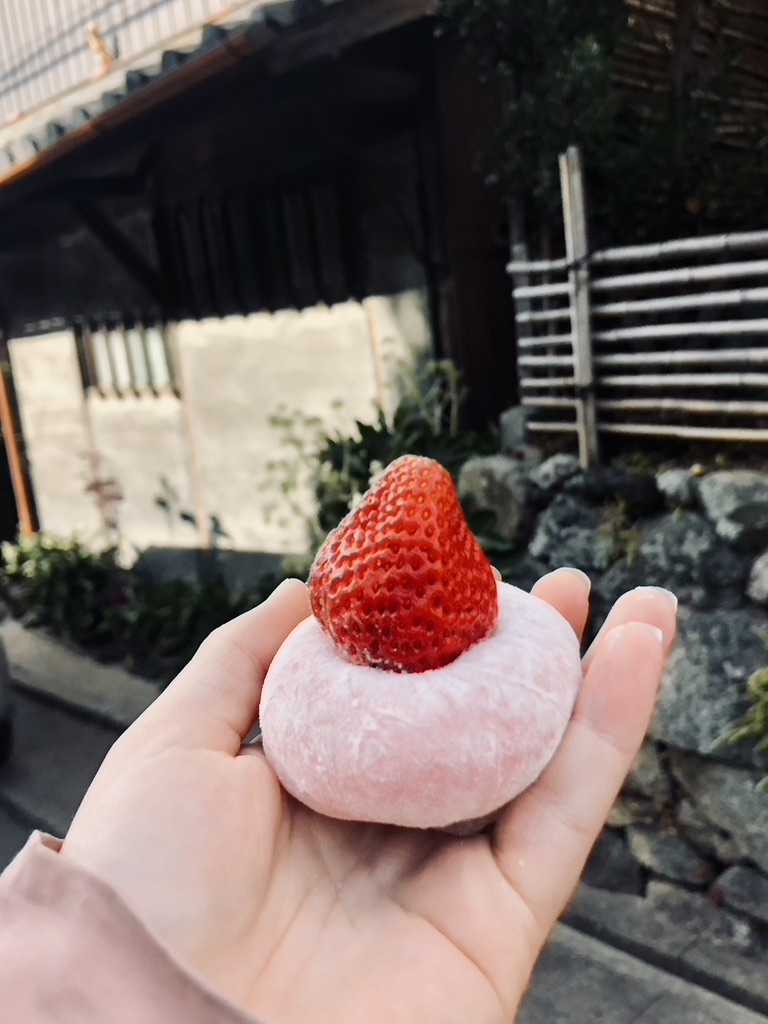
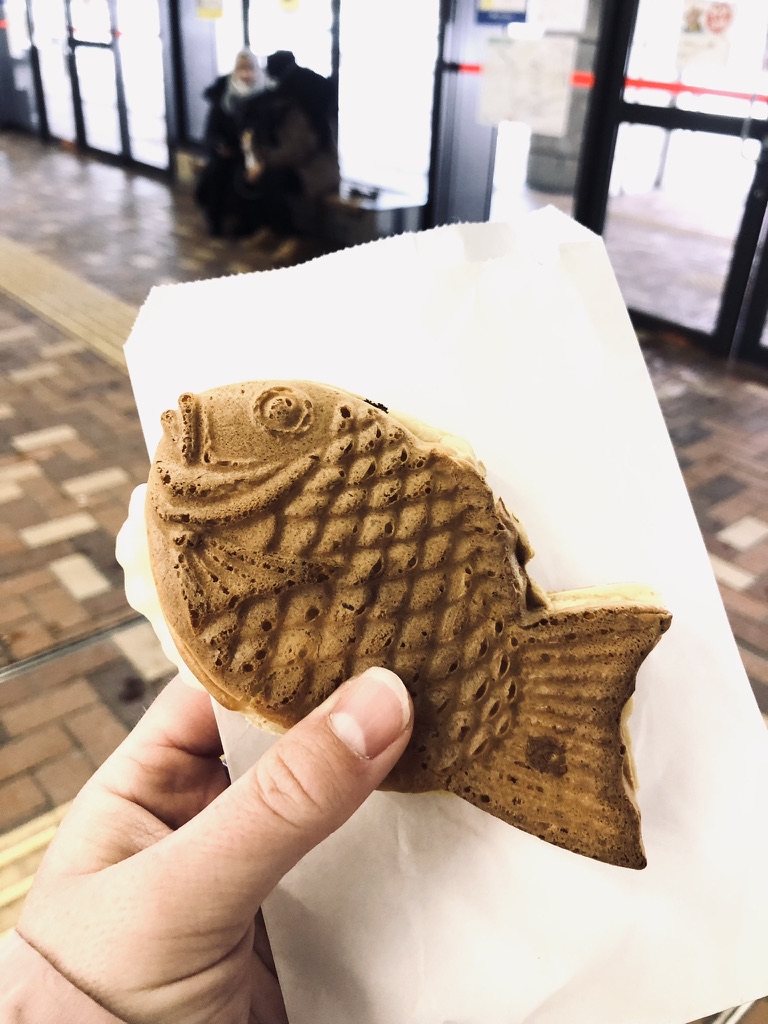
Start your first day of adventuring with a visit to the historical district of Asakusa, home to the iconic Senso-ji Temple – Tokyo’s oldest and most famous Buddhist temple. You can explore solo or go on a guided walking tour. Before entering the temple grounds, stroll through Nakamise Street, a bustling shopping alley filled with traditional snacks, souvenirs, and crafts. It was here where I had my first ichigo daifuku (mochi with bean paste and a strawberry inside) and taiyaki (a fish-shaped pancake), and I was instantly in love. These snacks became a staple for the rest of my trip!
Pro Tip: Head to the 8th floor of the Asakusa Culture Tourist Information Center for a fantastic view of Asakusa and the city!

Shibuya Crossing
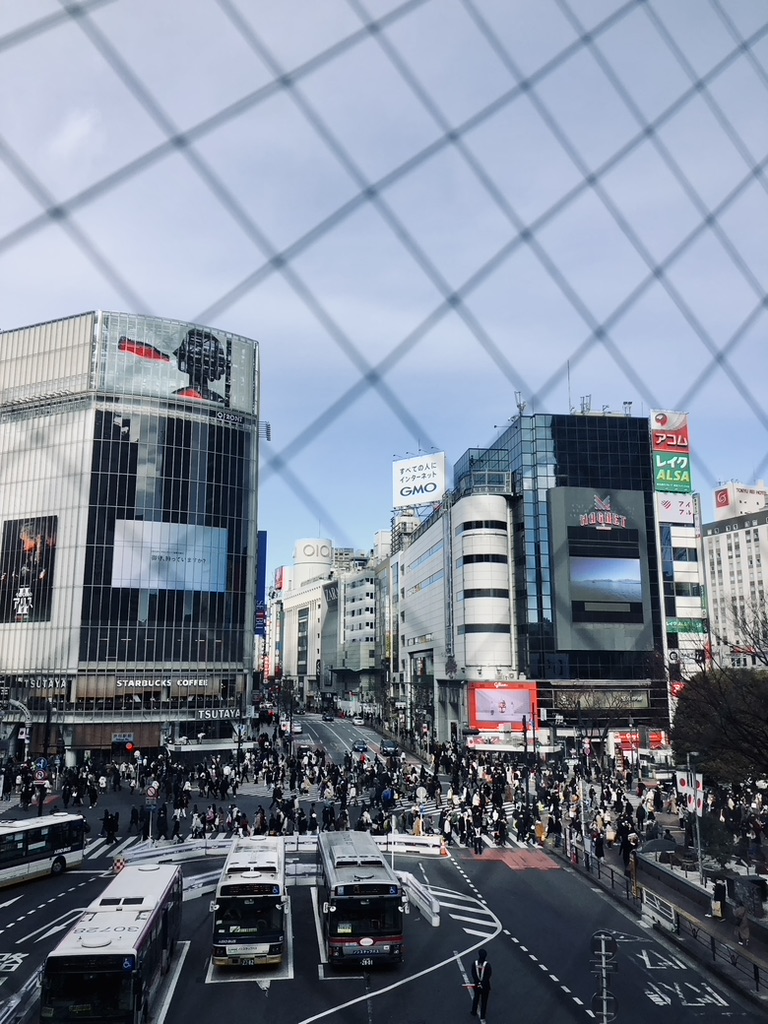
After soaking in the serenity of Senso-ji, head to Shibuya. The famous Shibuya Crossing is one of the busiest pedestrian crossings in the world. Head to the top level of Starbucks to watch the organised chaos unfold. Be sure to explore the many shopping malls and cafes in the area, and don’t forget to stop by the Hachiko Statue, which honours the loyal Akita dog that waited for his owner every day at Shibuya Station.
Tokyo Dome
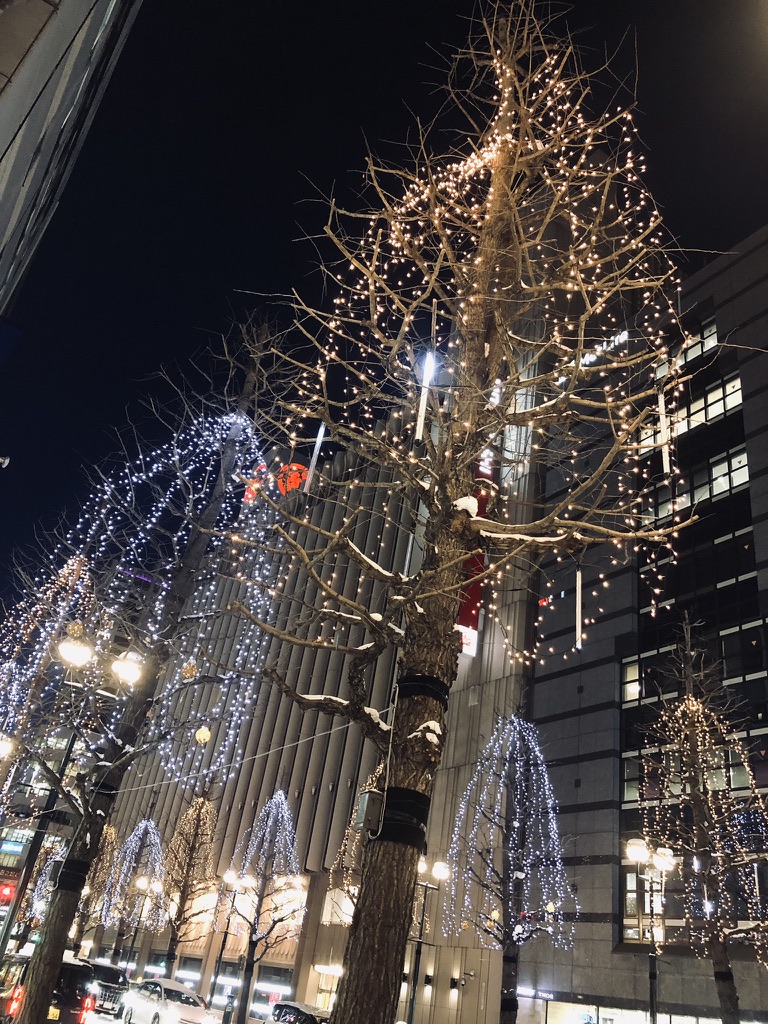
In the evening, visit Tokyo Dome for shopping and dinner. We went to a sushi train restaurant where the sushi is delivered by a mini bullet train! To end the evening, take a peaceful stroll around the area, admiring the winter light illuminations.
Day 3: Tokyo Disneyland
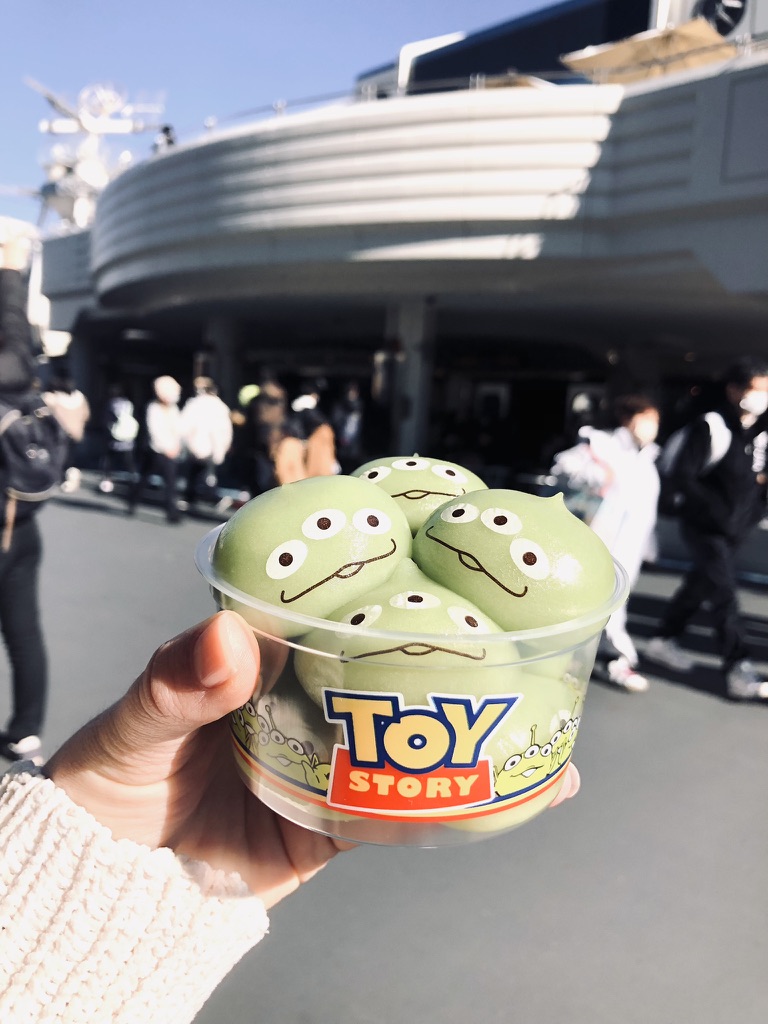
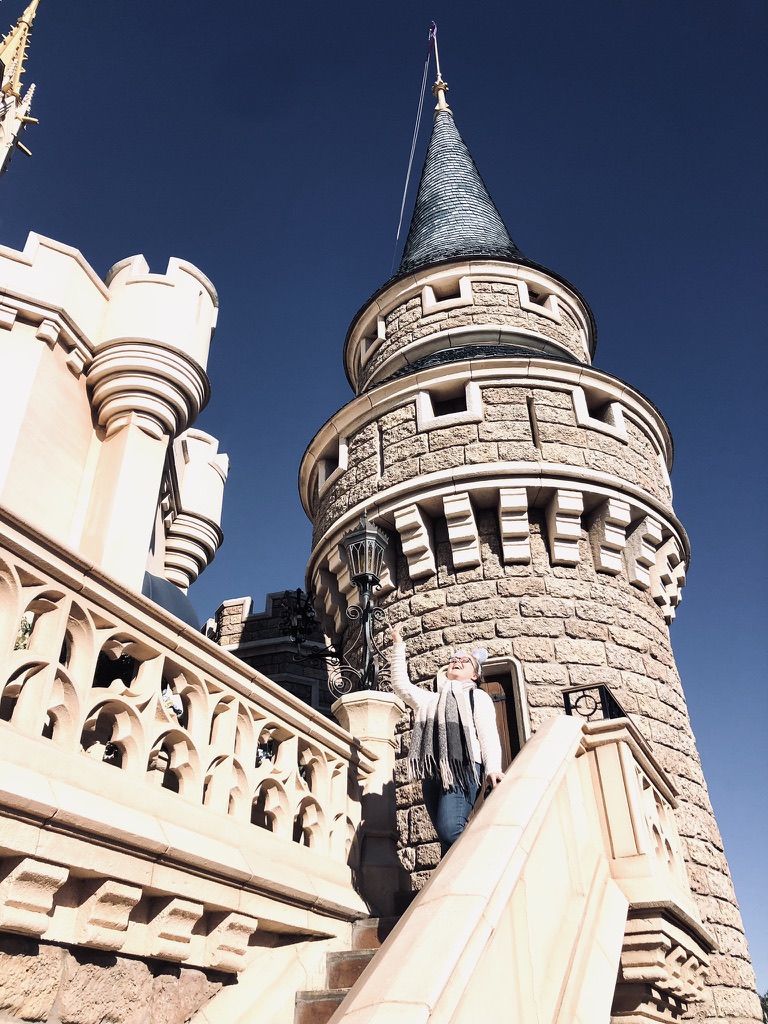
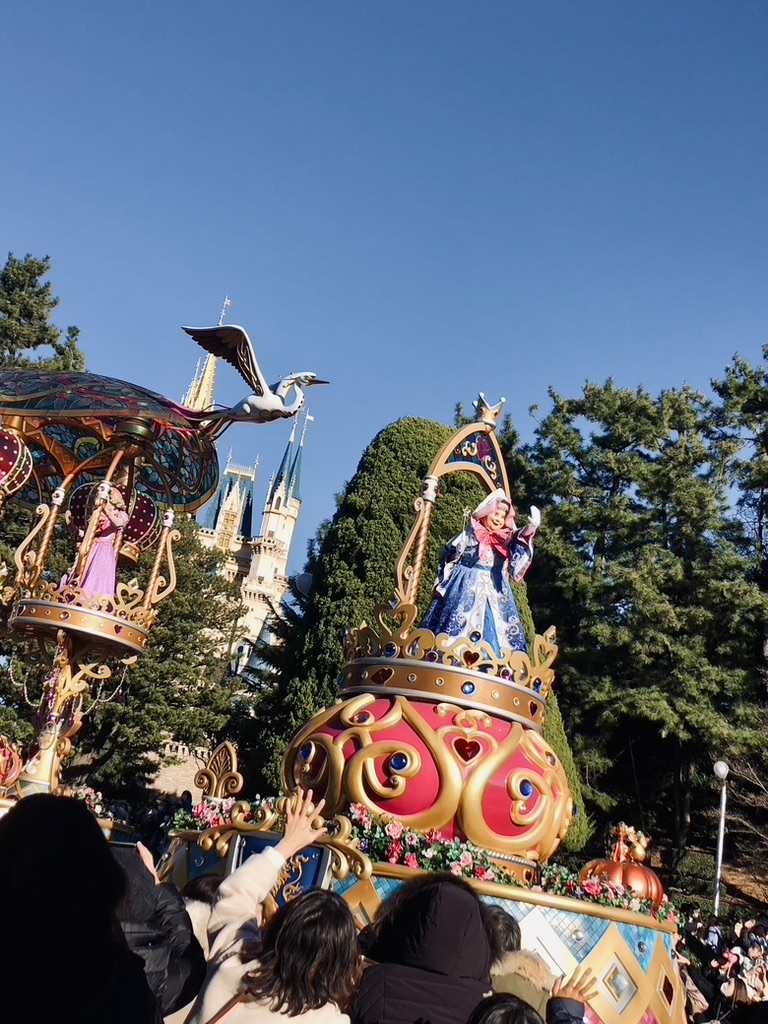
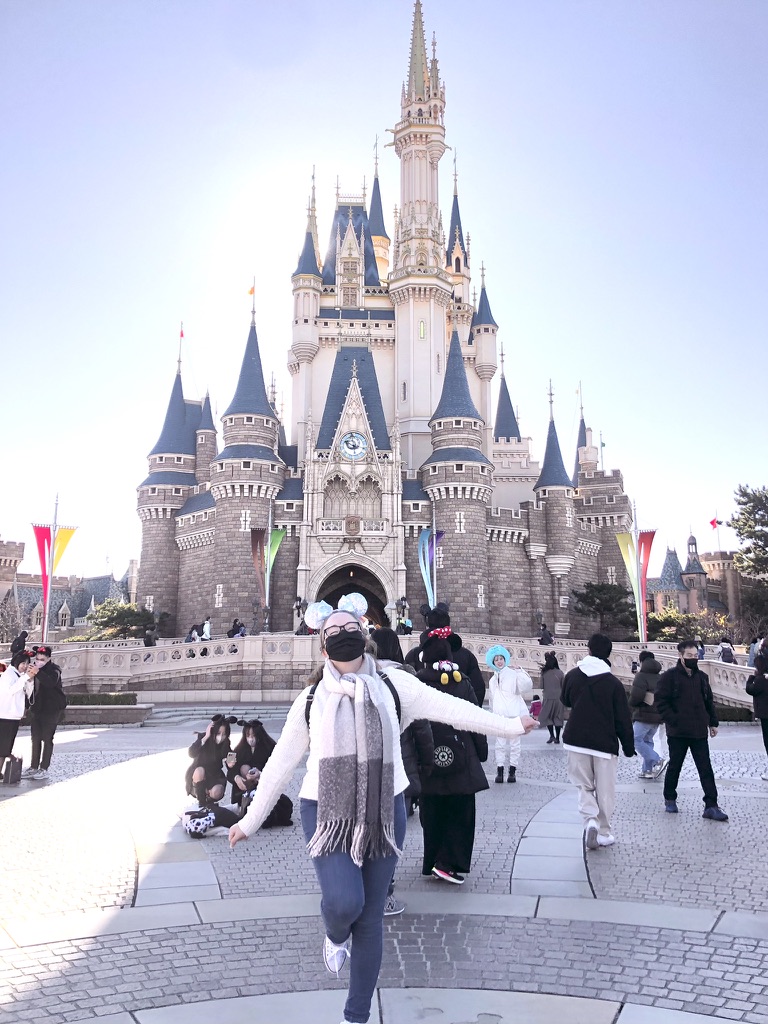
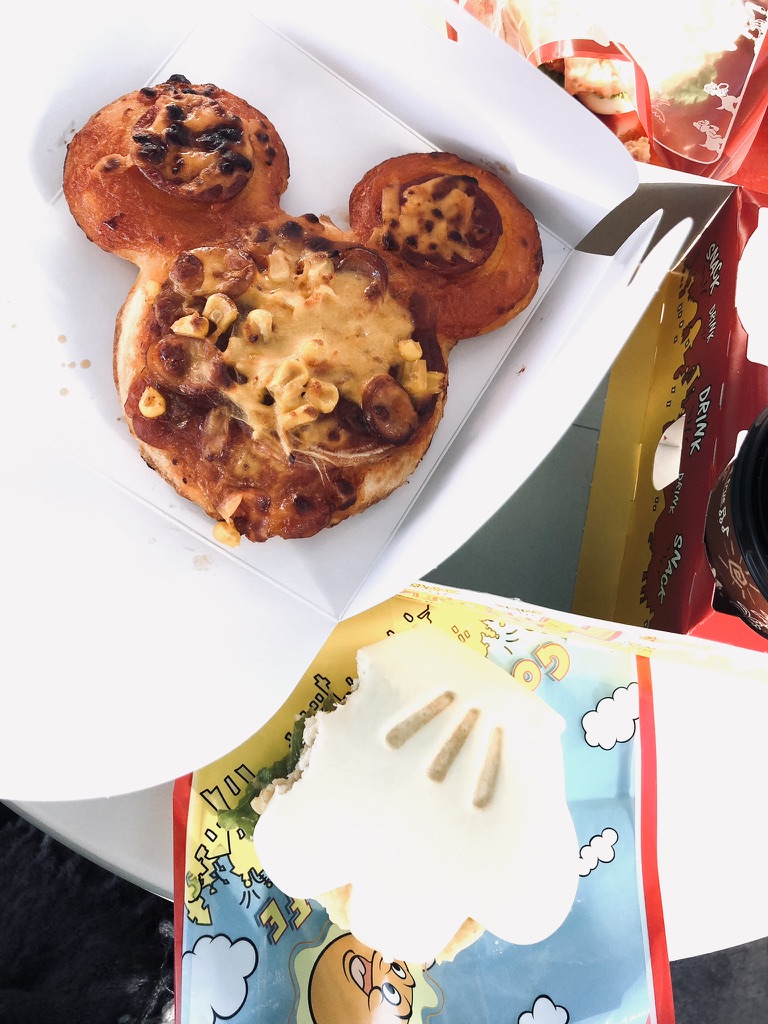
Any Disney fan’s trip to Japan wouldn’t be complete without a visit to Tokyo Disneyland! It was so much fun to explore this park and experience all its unique details that you can’t find in any other Disney Park in the world – plus, the snacks were next level!
I loved all the rides and attractions exclusive to this park, including the stunning Enchanted Tale of Beauty and the Beast ride and the Happy Ride with Baymax. This ride is so popular that guests often gather around all day to perform a guest-invented dance complete with choreography!
Where to Stay Near Tokyo Disneyland
First pick would be staying at a Disney hotel, but there are other options nearby as well:
Accommodation Recommendations:
Luxury: Sheraton Grande Tokyo Bay Hotel
Mid-Range: Henn na Hotel Maihama Tokyo Bay (the hotel where dinosaurs check you in lol!)
Budget: ibis Styles Tokyo Bay
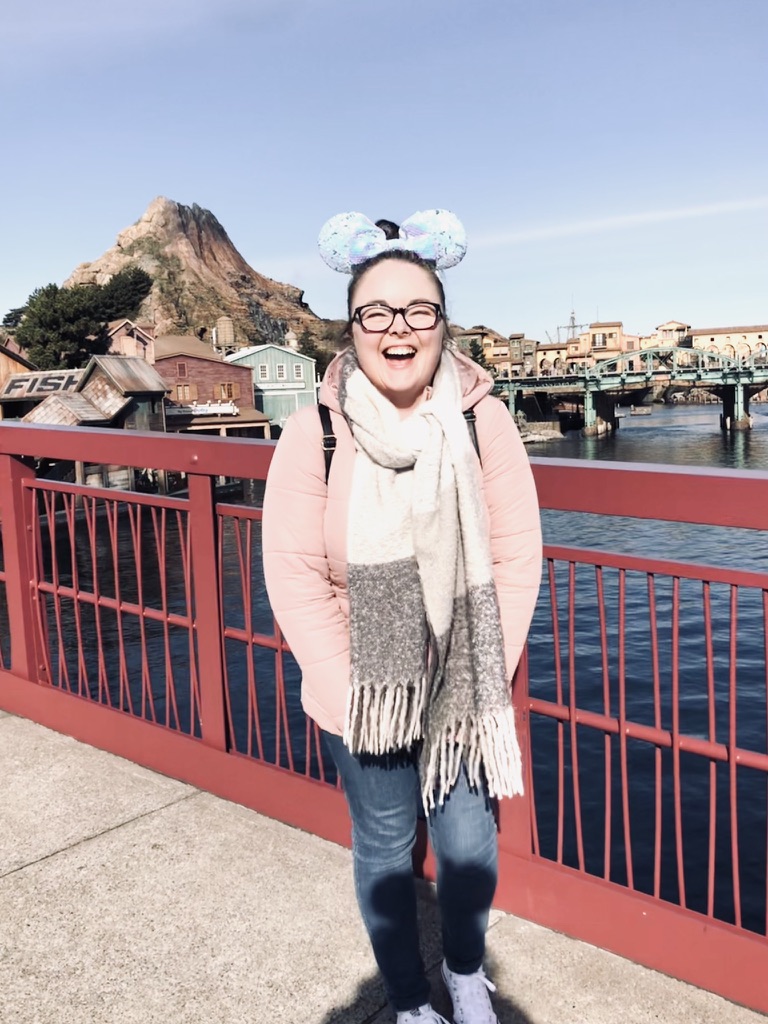
Day 4: Tokyo DisneySea
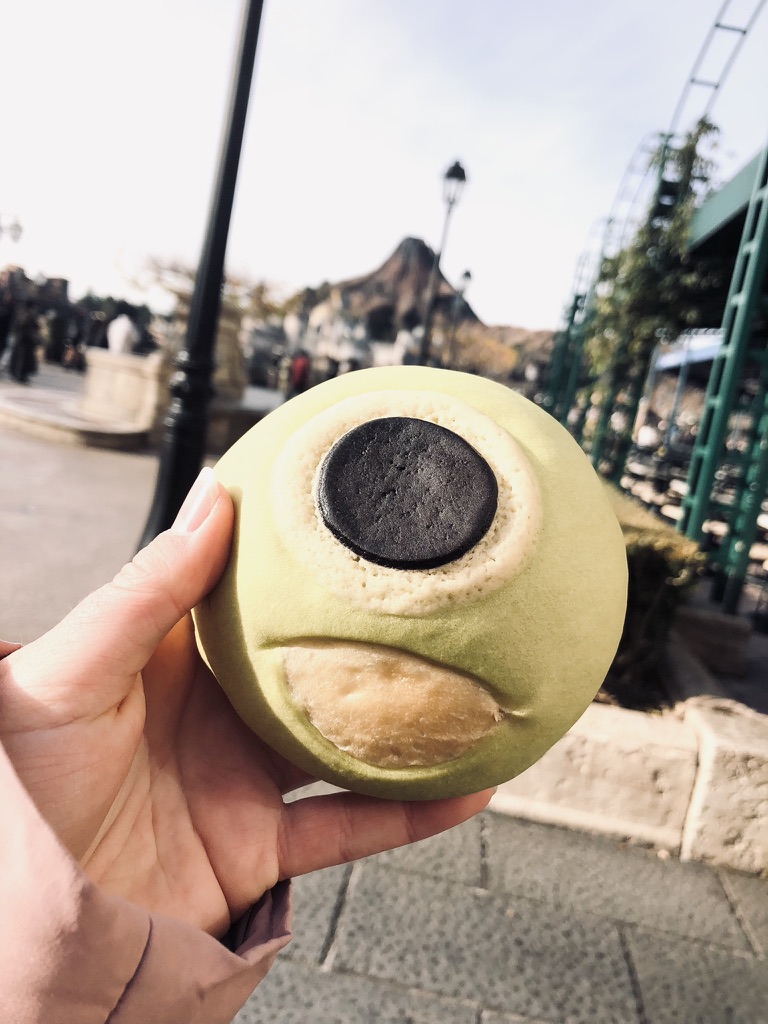
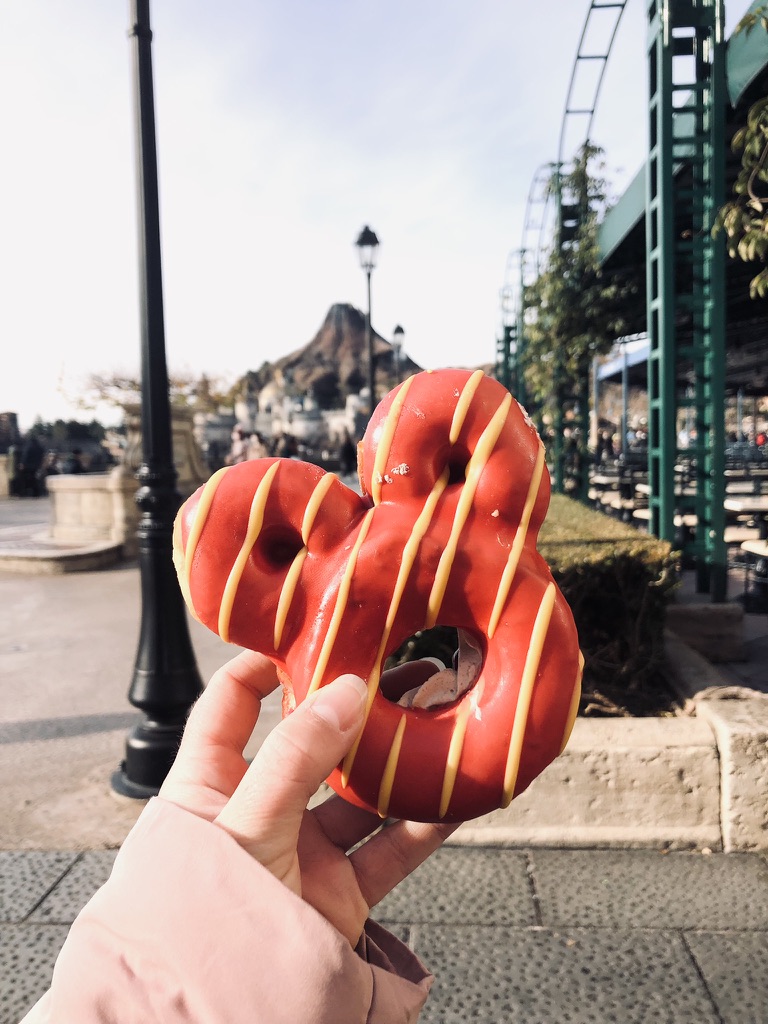
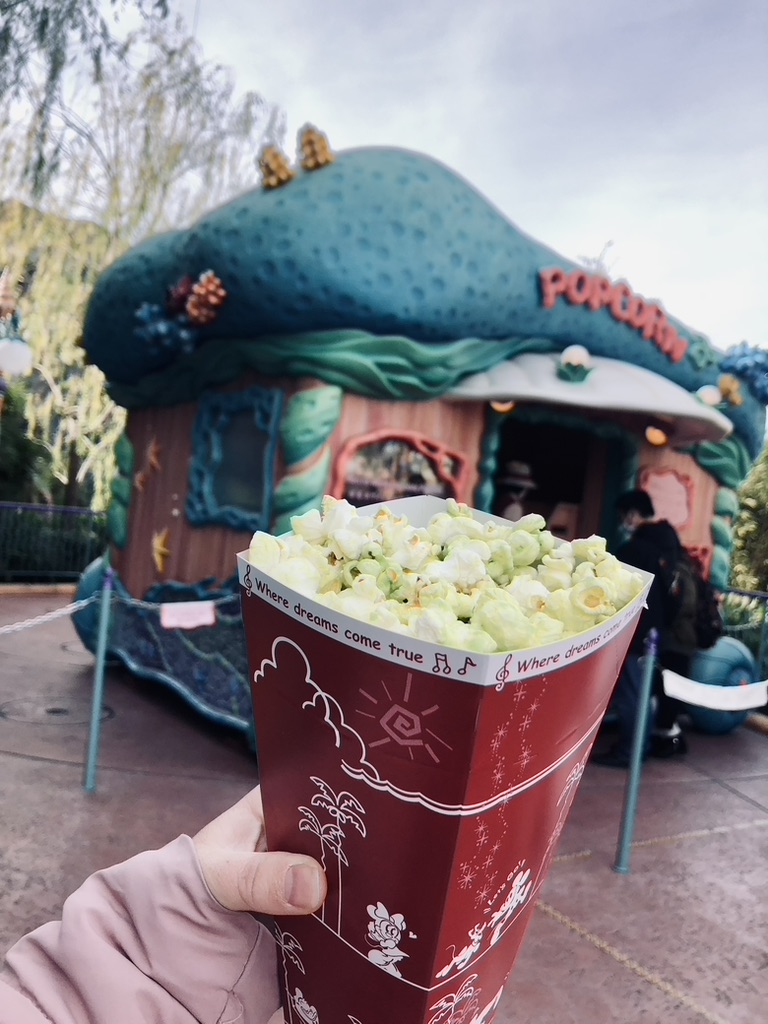
The next day, we continue our Disney adventure at Tokyo DisneySea – an exclusive theme park found only in Tokyo. With its nautical theme, DisneySea offers thrilling, unique rides like the 20,000 Leagues Under the Sea ride and Journey to the Center of the Earth. This park truly is one-of-a-kind. Today’s noteworthy Disney snacks included a Mike Wazowski-shaped melon pan (sweet bread), a Mickey-shaped donut, and matcha-flavored popcorn!


Day 5: TeamLab, Shiokaze Park, Chinatown & Yokohama
teamLab
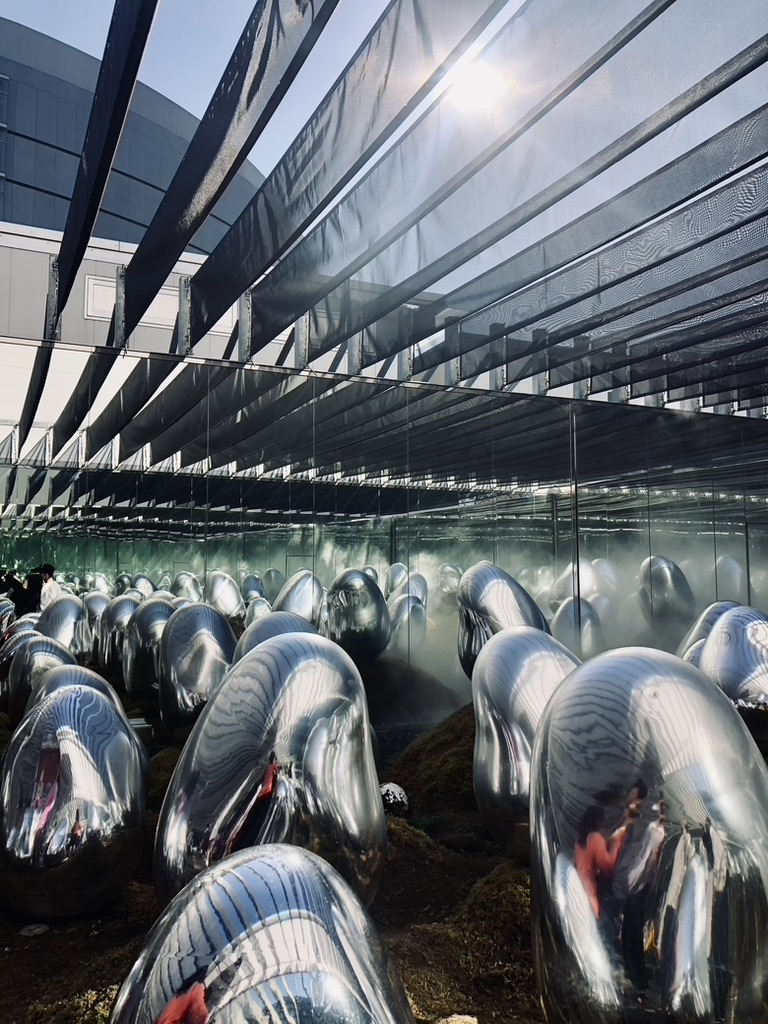
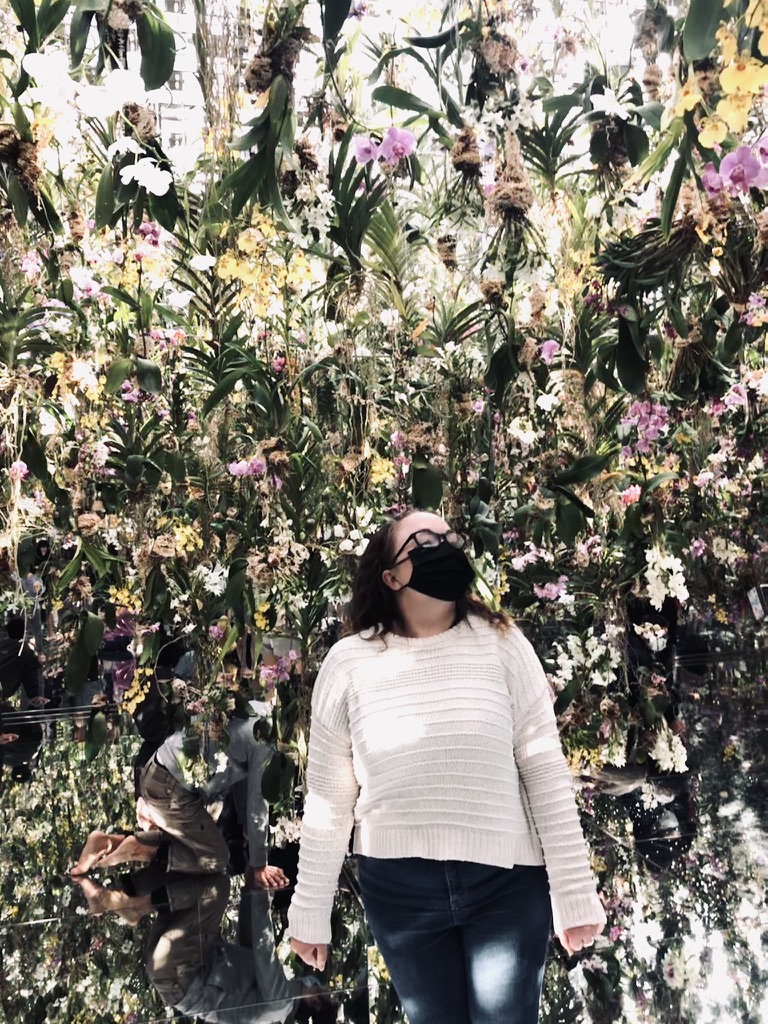
On Day 5, we dive into Tokyo’s tech-driven arts scene with a visit to teamLab Planets in Odaiba—an immersive digital art museum that will leave you awestruck. The exhibits are interactive and blend technology with art in mesmerising ways. We spent hours getting lost while we roamed through the exhibits.
Note: You’ll need to remove your shoes and walk through knee-deep water in some of the exhibits, so wear clothes that can handle this!
Shiokaze Park
Next, we head to Shiokaze Park near the Odaiba waterfront for a peaceful stroll with gorgeous views of Tokyo Bay and the Rainbow Bridge. You might even spot a mini Statue of Liberty (random, but in Japan, we don’t ask questions, lol!).
Yokohama
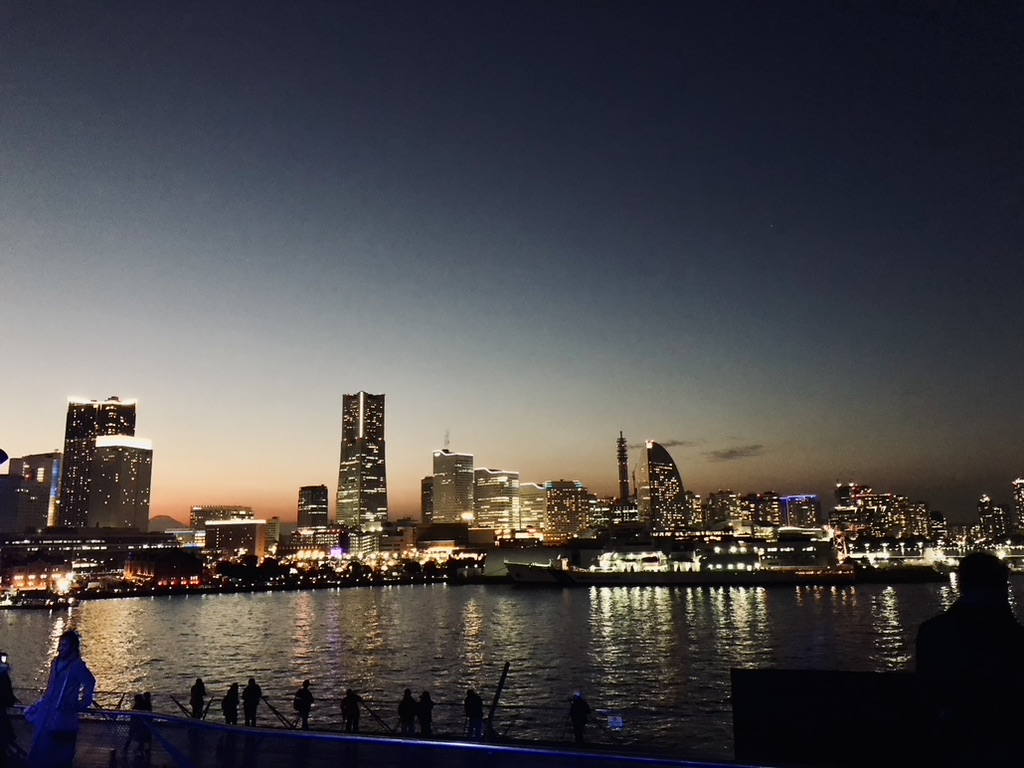
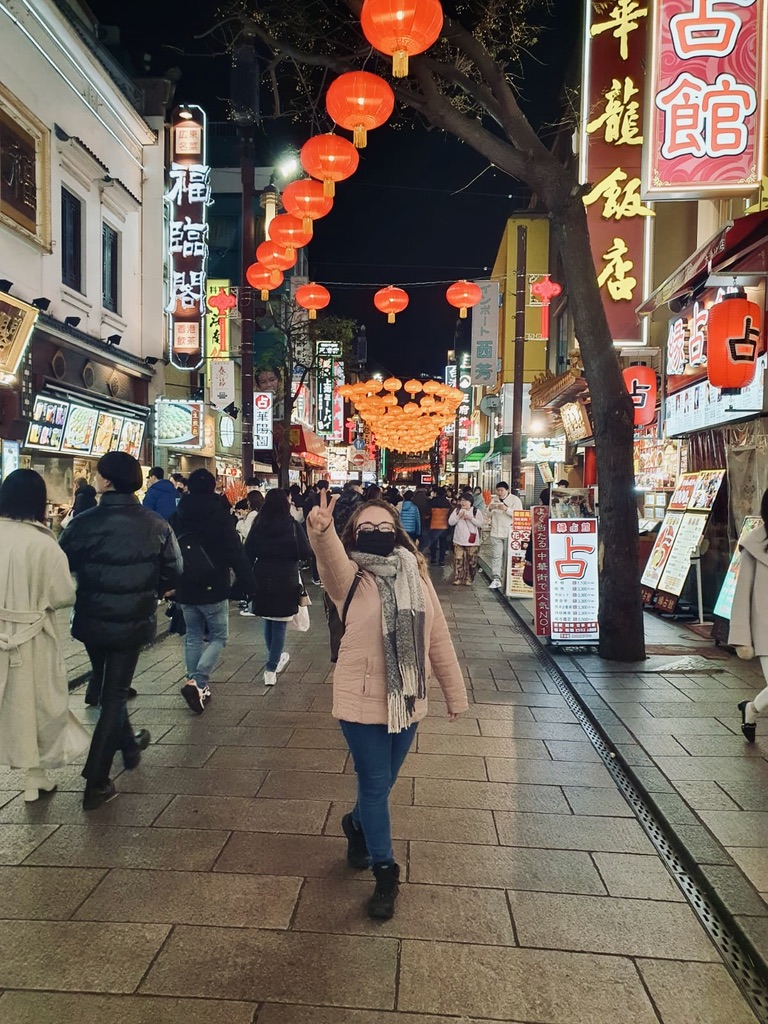
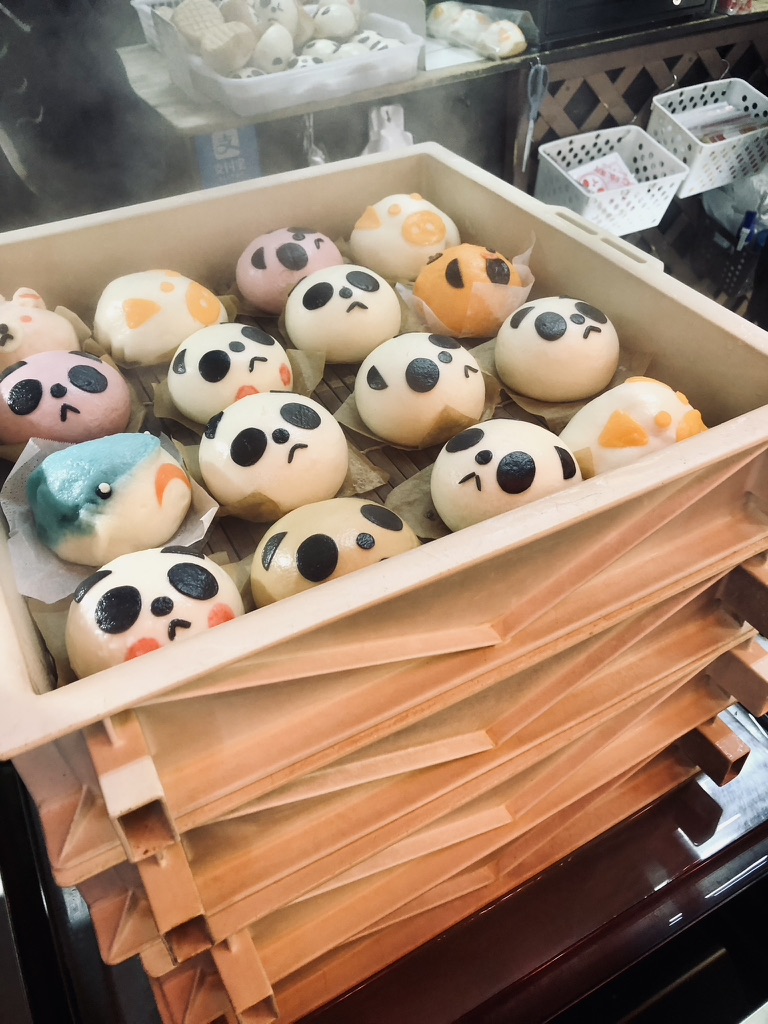
In the afternoon, take a short trip to Yokohama, just south of Tokyo, to catch the sunset. We were lucky enough to glimpse Mount Fuji hiding behind the skyline! For dinner, explore Chinatown, where you can indulge in delicious streetfood and shop for souvenirs. Don’t miss the nikuman (steamed buns), bonus points if you if find the ones shaped like pandas! Why is all the food in Japan so #kawaii? Check out all my favorite Japan foodie moments here!
Day 6: Themed CafeS, Harajuku & Meiji Jingu
Themed Cafes
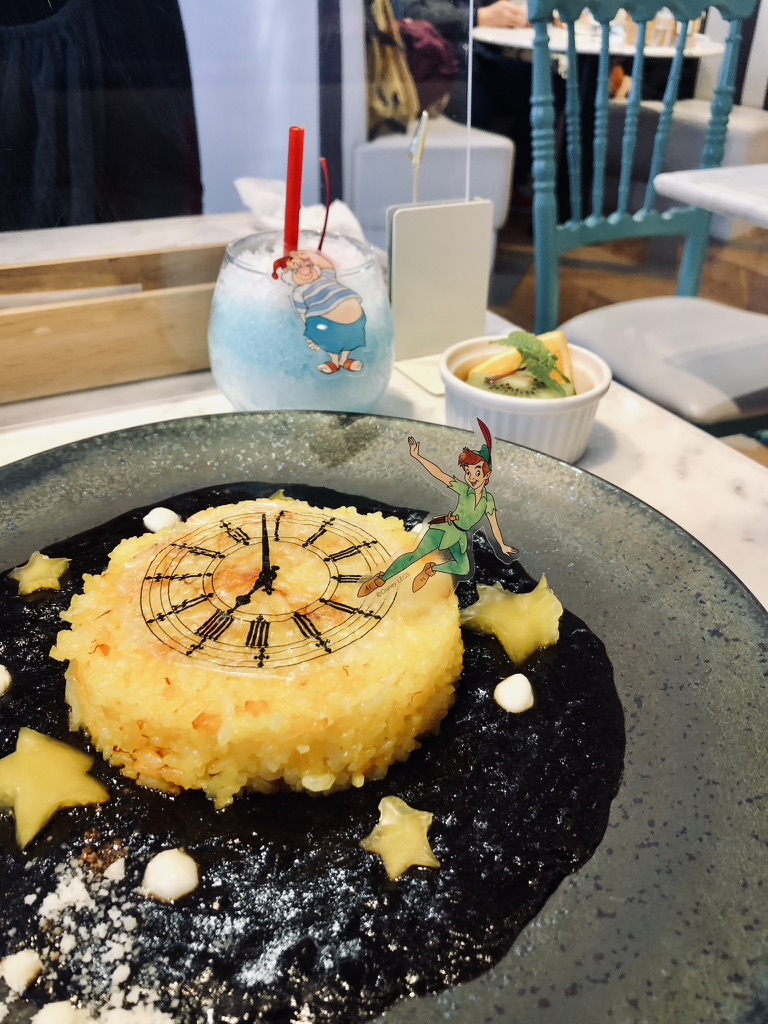
On your final full day in Tokyo, indulge in a visit to one of the city’s quirky themed cafes. We visited both the Peter Pan Cafe and the Peter Rabbit Cafe, both offering whimsical dishes that transported us right into the worlds of these beloved characters.
Harajuku
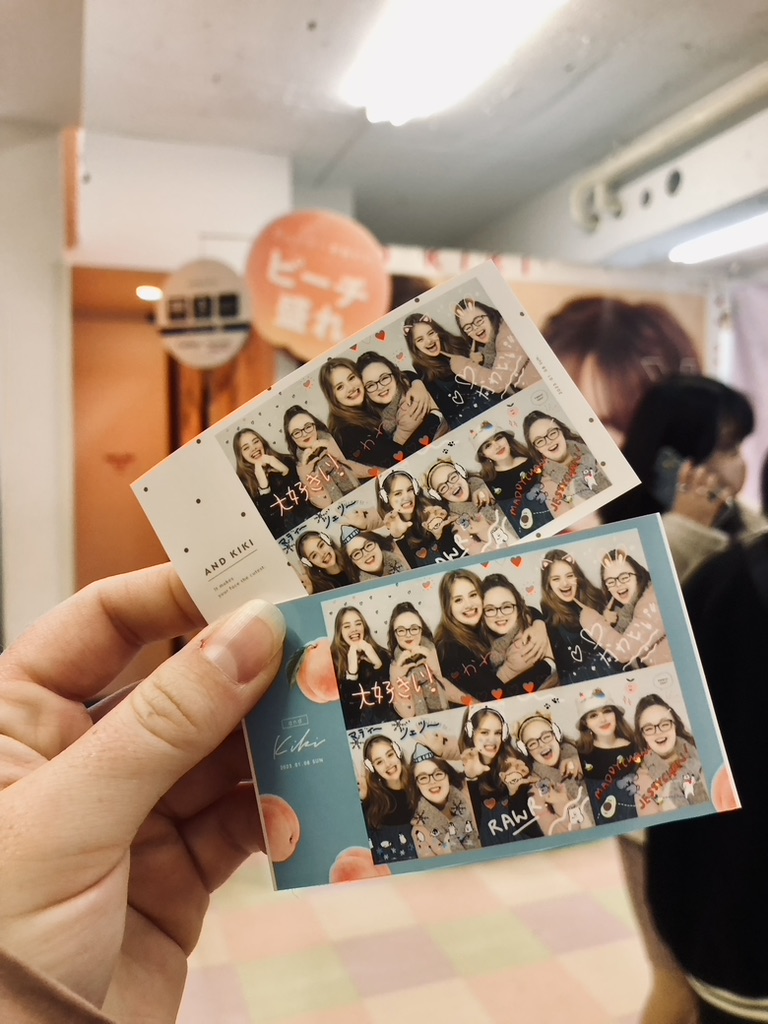
Next, head to Harajuku, the district famous for its eccentric fashion and trendy boutiques. Take a walk down Takeshita Street, where you’ll find shops selling everything from colorful wigs to unique accessories. Don’t forget to have a photo session at a purikura (photo booth) and feel the panic of decorating your pictures within the time limit while the machine is shouting at you in Japanese!

Meiji Jingu
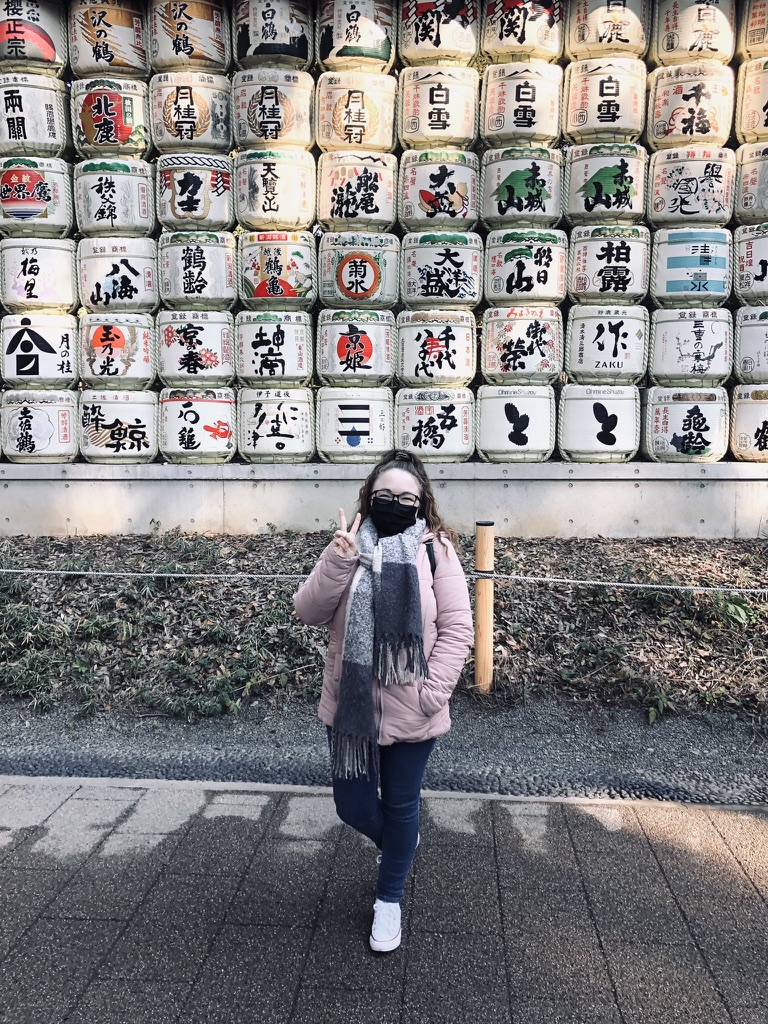
Have a peaceful visit to Meiji Jingu, a serene Shinto shrine located in a lush forested area near Harajuku. Don’t forget to write a prayer or wish on an ema (a small wooden plaque) and hang it up at the shrine.
Some other fun Tokyo experiences you can add to your itinerary include channeling your inner Mario and going real life go-karting in the streets, watching a Sumo Wrestling Match or going on a day trip to Mt Fuji.
Day 7: Tokyo – Fujikawaguchiko (2 Nights)
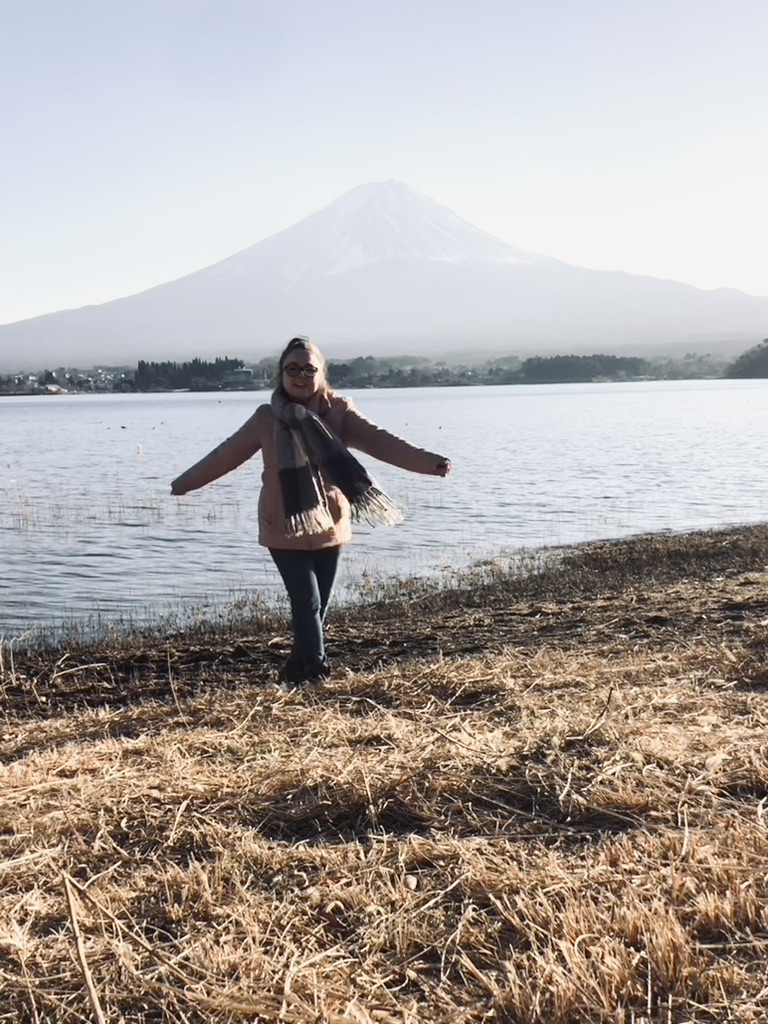
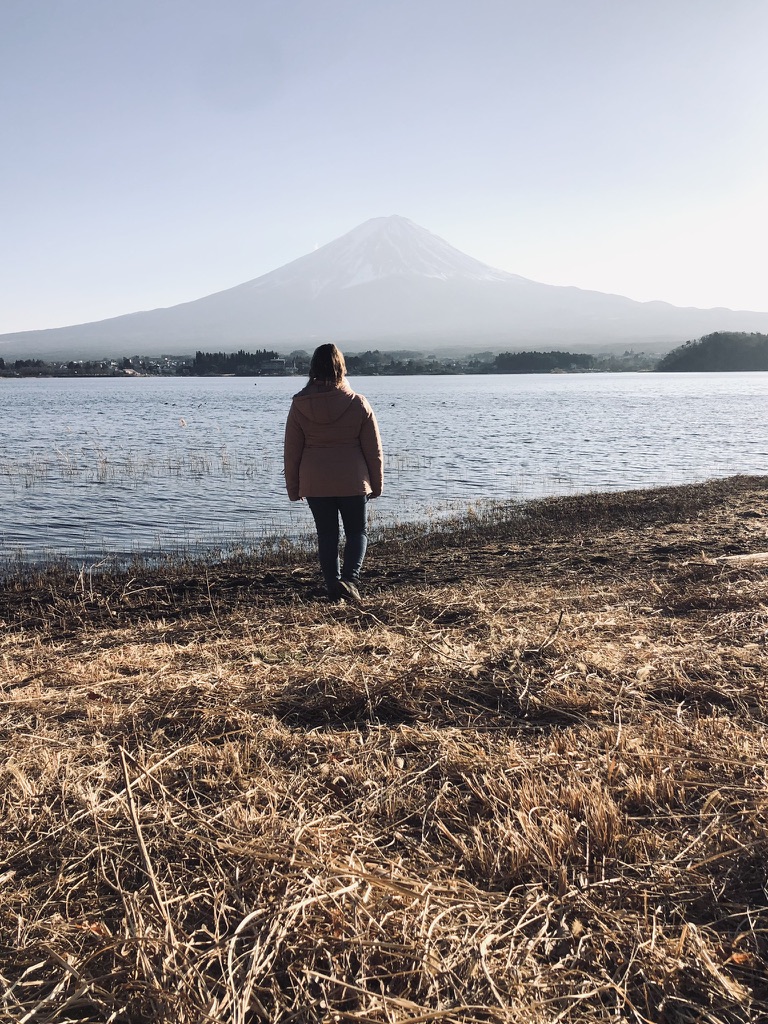
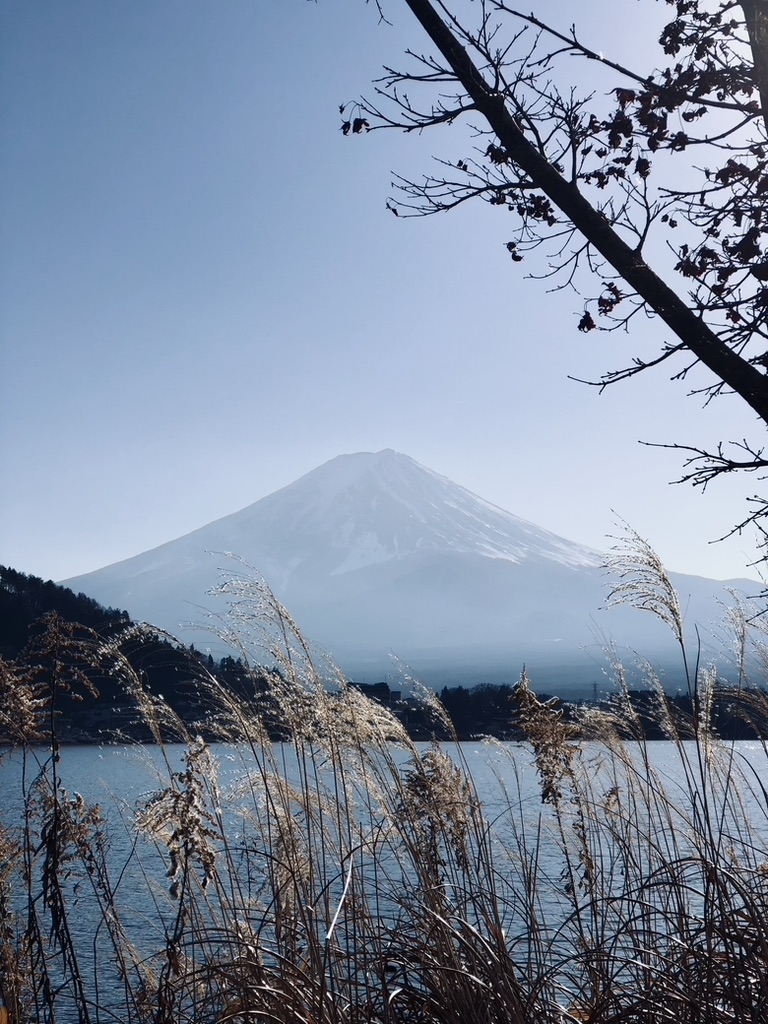
After an incredible week in Tokyo, it’s time to begin your journey to the iconic Mt. Fuji! This was a HUGE bucket-list item for me, and it remains one of the biggest highlights of my travels. Visiting Mt. Fuji in winter is actually the best time to see it, as the skies are clearer, and the mountain is simply stunning with its snow-capped peak. I recommend booking a couple of days here to maximize your chances of experiencing a clear view.
Getting From Tokyo to Fujikawaguchico
Traveling by train or bus from Tokyo to the Fuji Five Lakes area takes about 2-3 hours. I had a bit of confusion because I’d booked a JR Pass (a nationwide train and Shinkansen tourist pass) for my entire trip, but I didn’t realize that the train to Mt. Fuji isn’t included. So, pro tip: You’ll need to buy a separate train ticket for this part of your journey!
Explore the Kawaguchiko Area
Kawaguchiko, one of the Fuji Five Lakes, offers stunning views of Mt. Fuji from nearly every angle. I spent hours soaking in the view, captivated by how the mountain transformed as the sun moved across the sky. You can explore the area on your own, or join an e-bike guided tour that will take you all around the lake. Another option is to ride the Mt. Fuji Panoramic Ropeway to a higher viewpoint – though, in my opinion, the view wasn’t significantly better, it was still a fun experience.
Where to Stay Near Mt. Fuji
If you’re planning to spend the night (which I highly recommend), try to book a room with a Mt. Fuji view. Waking up to that mountain? Bucket list vibes all the way.
Accommodation Recommendations:
Luxury: Maruei
Mid-Range: Lakeland Hotel Mizunosato
Budget: HOSTEL MICHIKUSA-YA
Day 8: Fujikawaguchiko
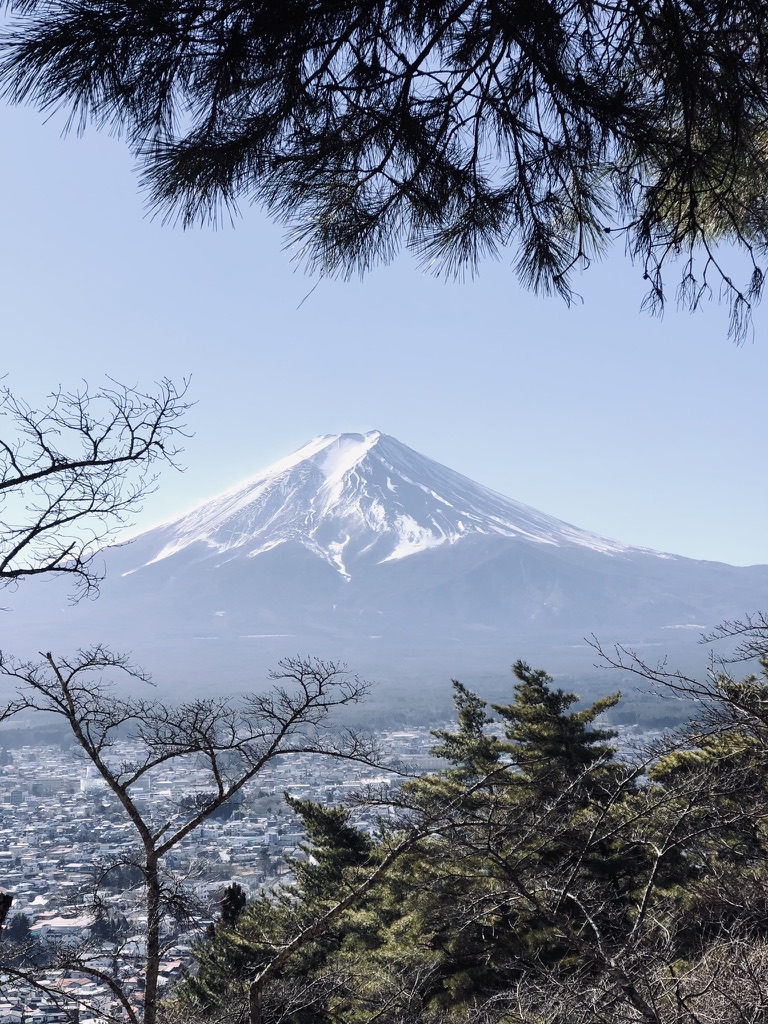
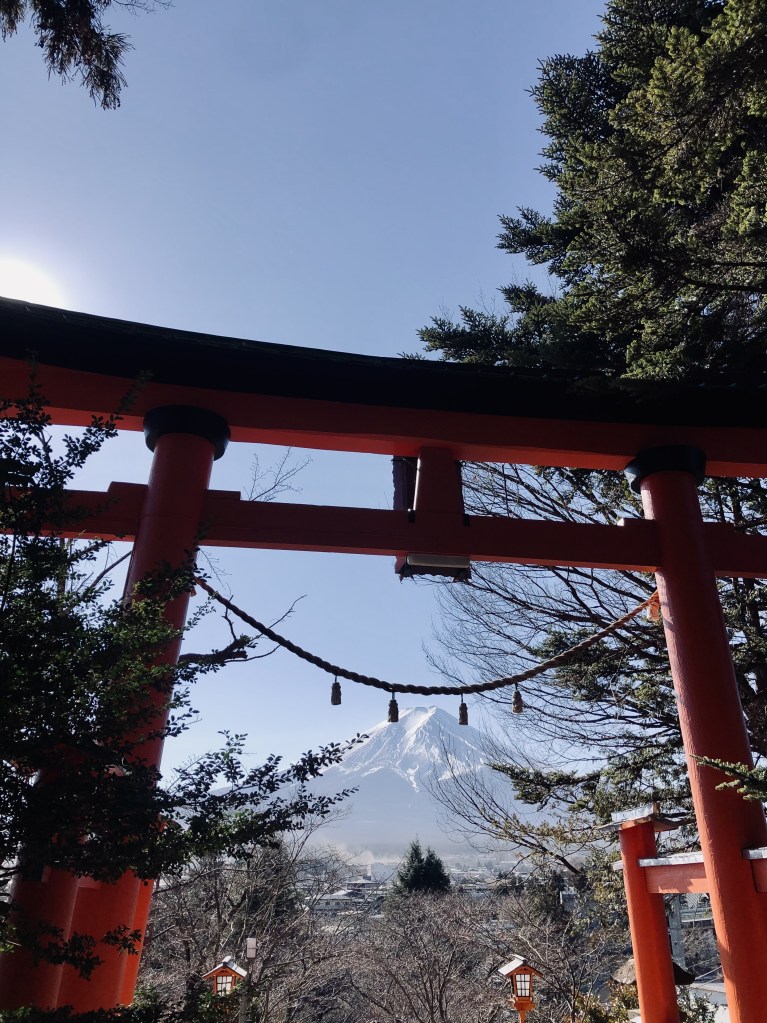
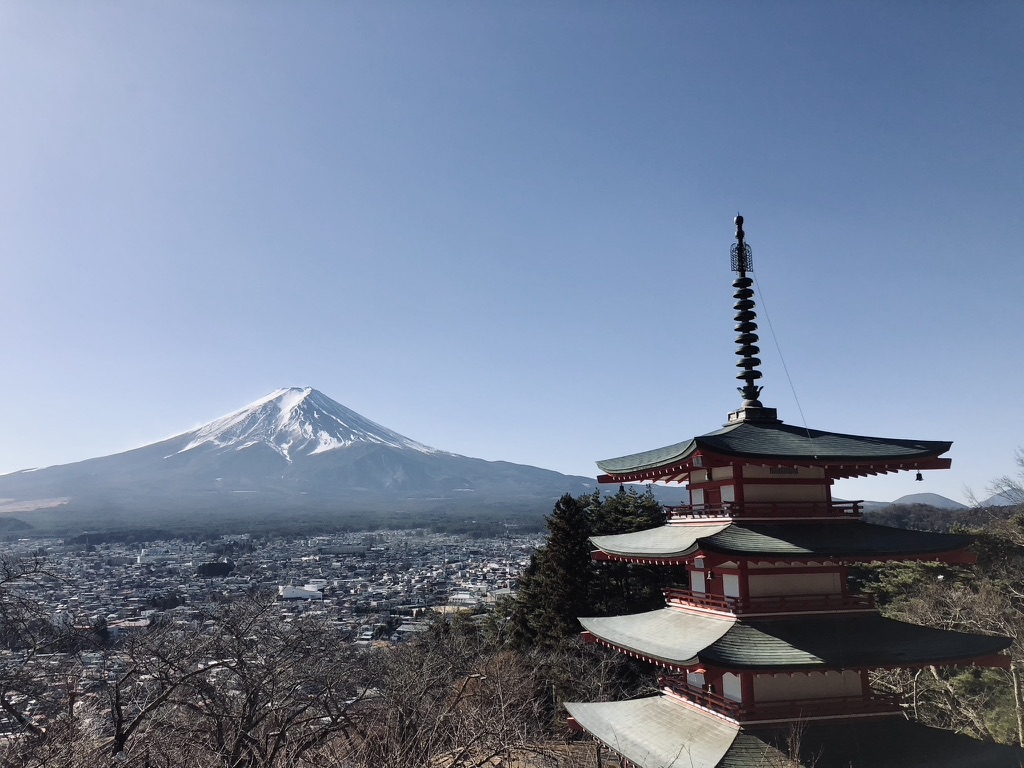
Spend another day soaking in the beauty of Mt. Fuji and its scenic surroundings. Today’s mission: finding the famous Chureito Pagoda for that iconic shot you see in travel magazines.
Chureito Pagoda
To get to Chureito Pagoda, you can take a train from Kawaguchiko Station to Shimoyoshida Station. From there, follow the signs to Arakura Sengen, which leads to a set of steps. It’s about a 10-minute walk to the Pagoda. It’s a bit of a trek, but definitely worth it for the view.
Narusawa Ice Caves & Fugaku Wind Caves
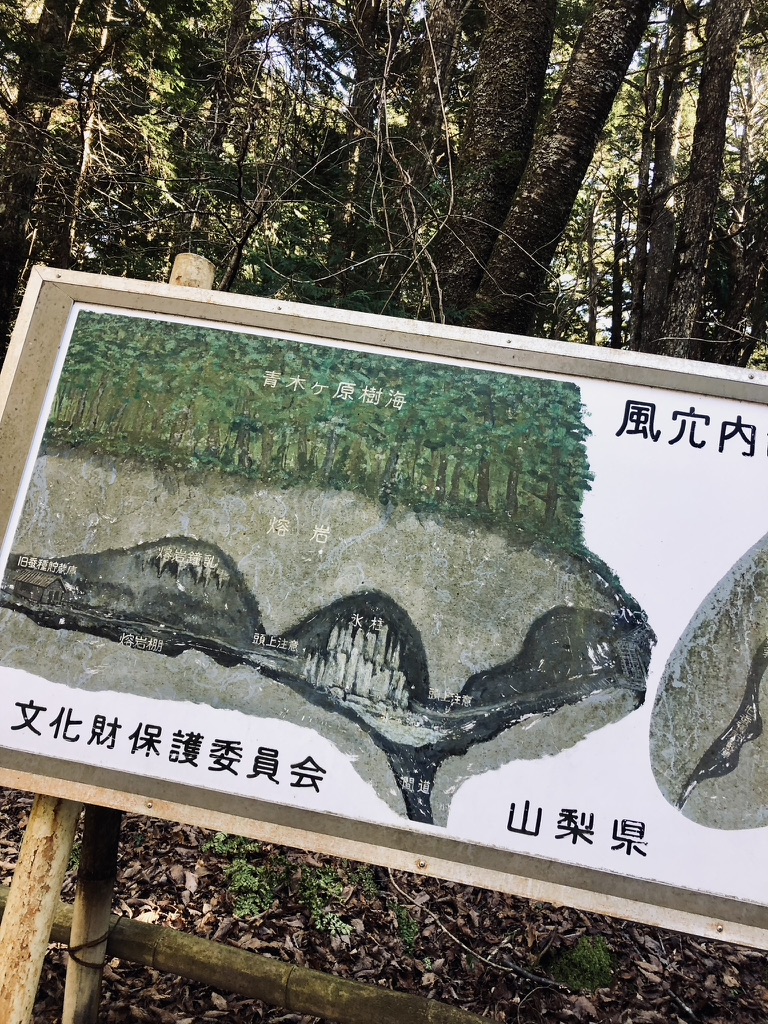
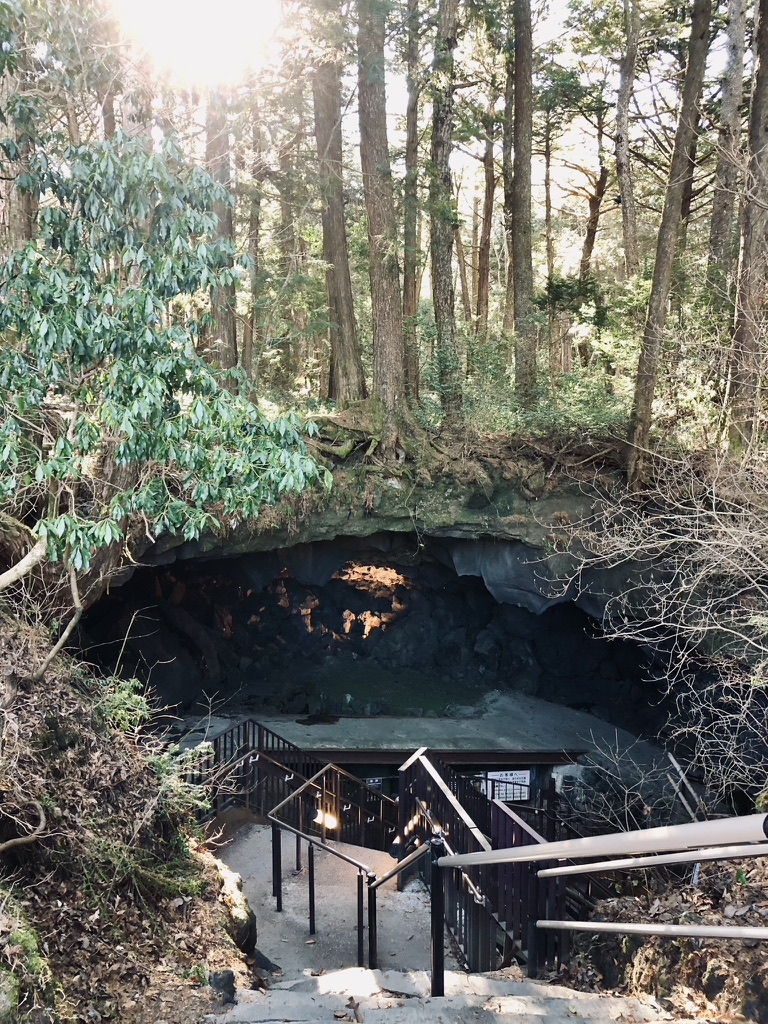
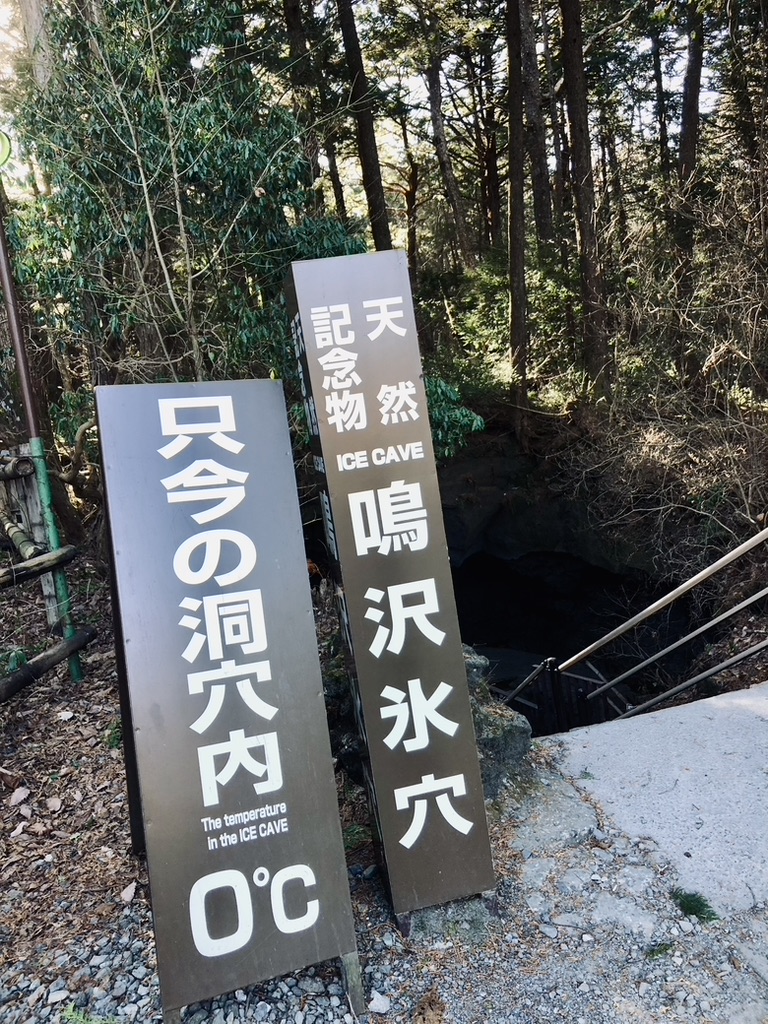
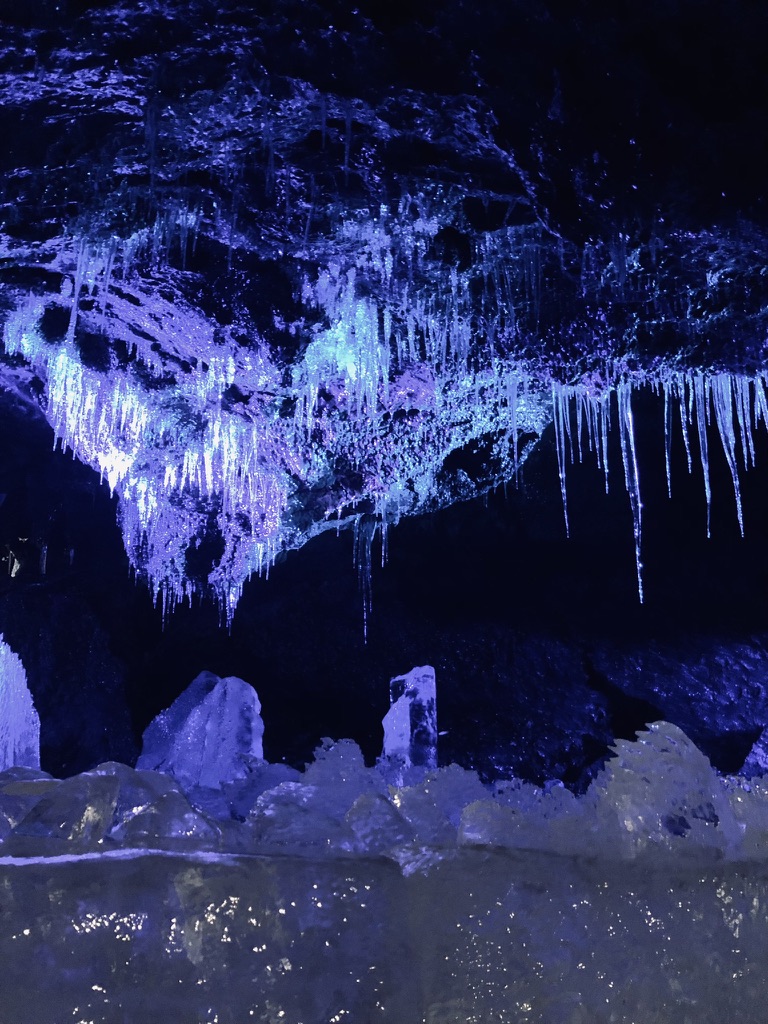
Ice caves weren’t originally on my agenda as I didn’t even know they existed, but it turned out to be a happy accident. Mt. Fuji has lava tubes that you can explore from the Aokigahara Forest. You can purchase a hop-on, hop-off bus ticket from your hotel to explore.
The two main caves to visit are Narusawa Ice Cave and Fugaku Wind Cave, which are connected by a 20-minute walking trail through the forest. There is a small donation at the entrance, and then you’re free to explore. These caves were a hidden gem – wandering through them and admiring the ice formations was fascinating.
Note: If you’re claustrophobic, this experience might not be for you, as some parts of the caves require crawling through narrow passages.
Day 9: Fujikawaguchiko – Hakuba (3 Nights)
It wouldn’t be a winter trip to Japan without some snow! In the morning, take a bus to Kofu, followed by a train to Hakuba, a popular ski resort in the Japanese Alps.
Matsumoto
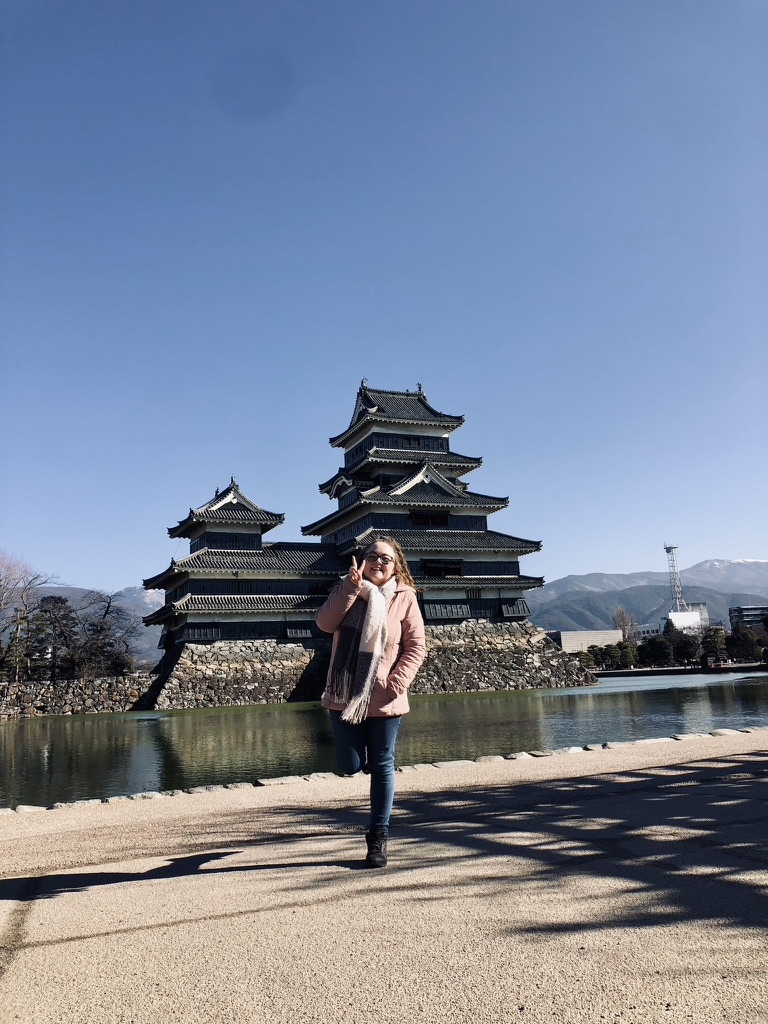
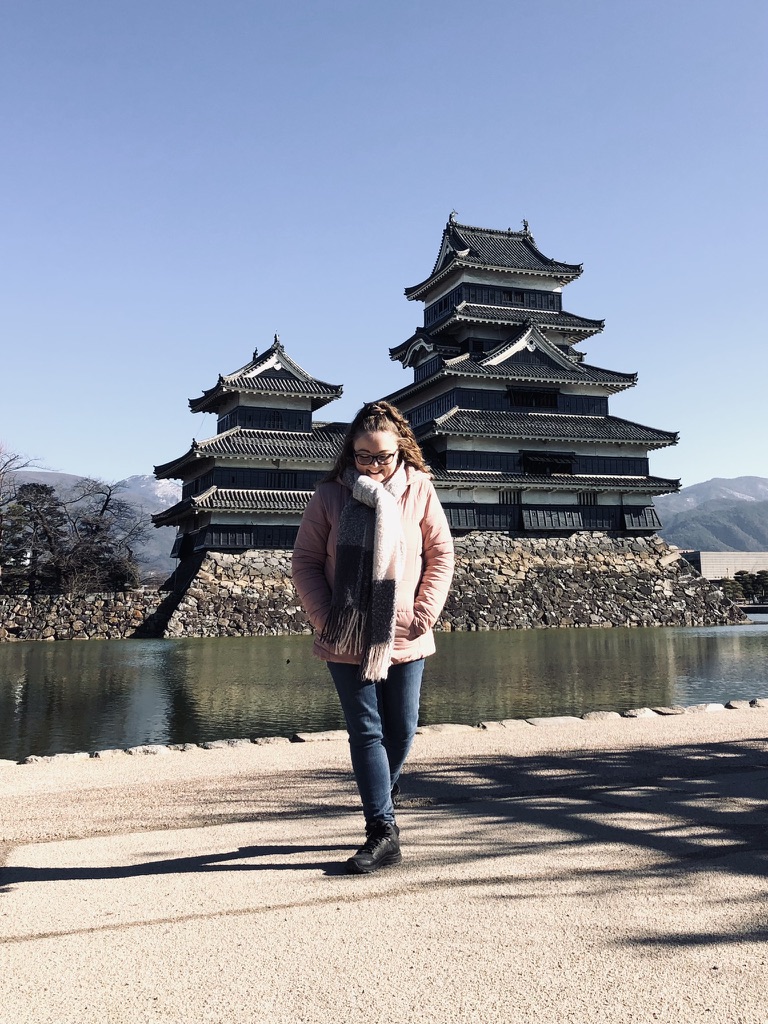
Since today is a big travel day, make a stop at Matsumoto on the way to visit the famous Matsumoto Castle. Drop your bags in a locker at the train station, grab an onigiri and some snacks from a konbini and enjoyed a picnic with this iconic Japanese landmark in the background before continuing on your way to Hakuba.
Where to Stay in Hakuba
Accommodation Recommendations:
Luxury: Courtyard by Marriott Hakuba
Mid-Range: Hotel Hakuba
Budget: Hakuba share
Day 10: Hakuba
Ski Day at Hakuba
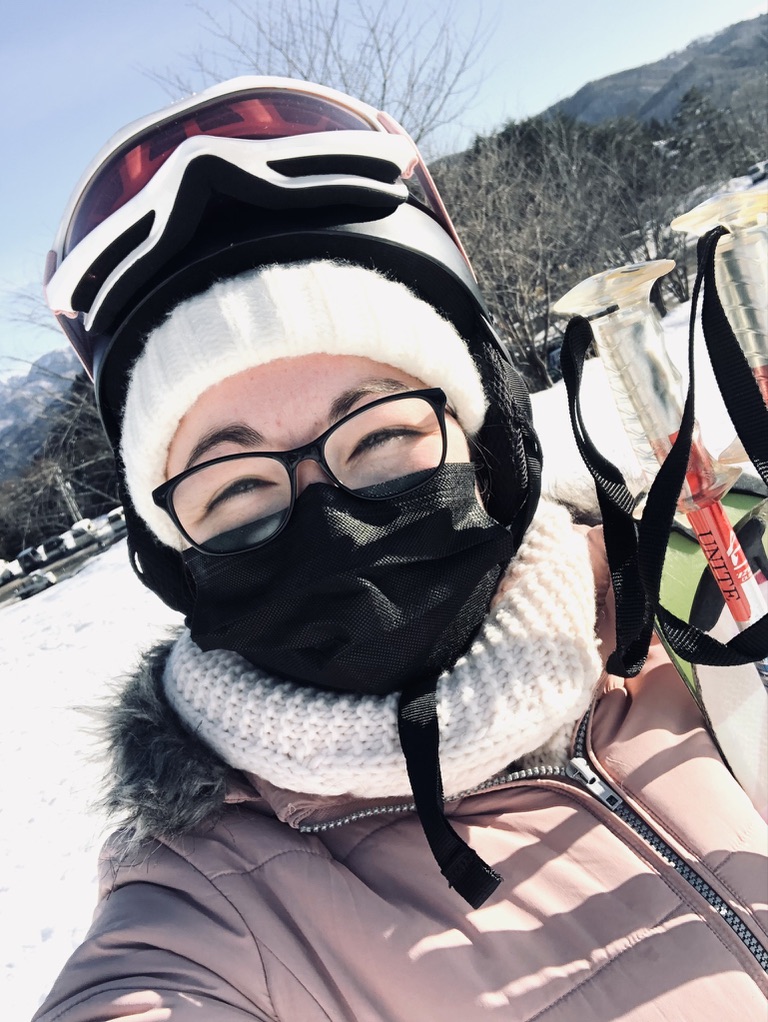
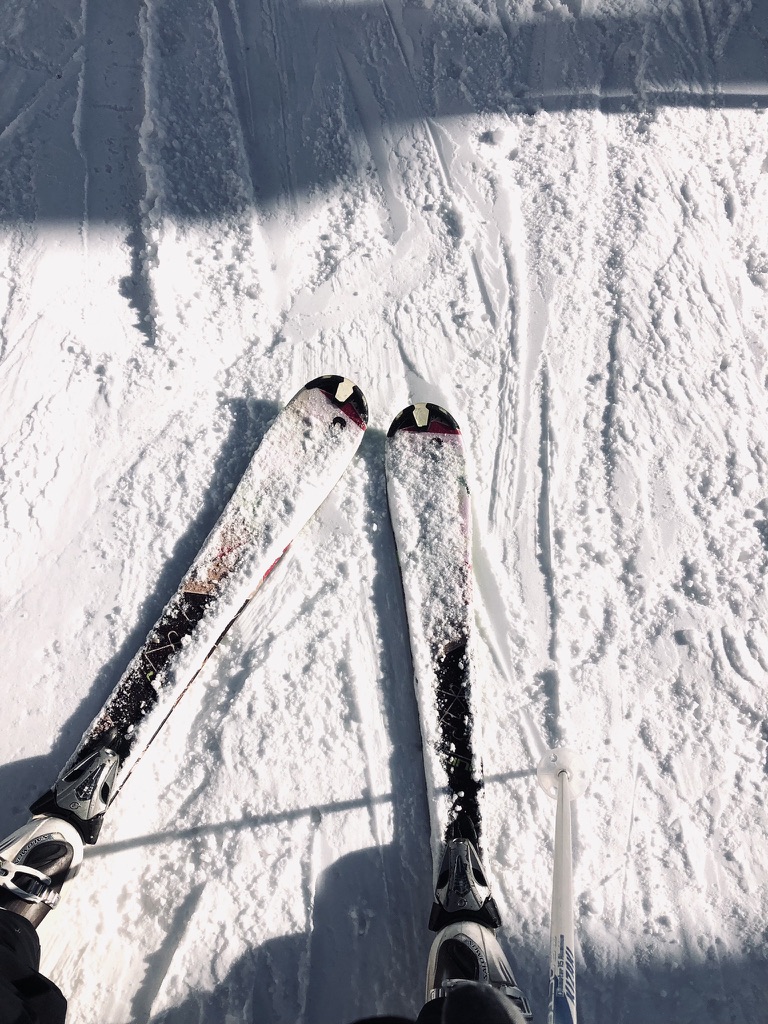
Hakuba is a paradise for skiers and snowboarders of all levels, with world-class ski fields. As a beginner, I only wanted one day of skiing so I booked a 1-day ski lift pass with the gear included and stuck to the baby slopes, it was a fantastic day on the snow! If skiing or snowboarding isn’t your thing, you can still enjoy the snowy atmosphere, explore the charming town, or relax in a local onsen.
Day 11: Snow Monkey Park + Zenko-Ji Temple
Snow Monkey Park
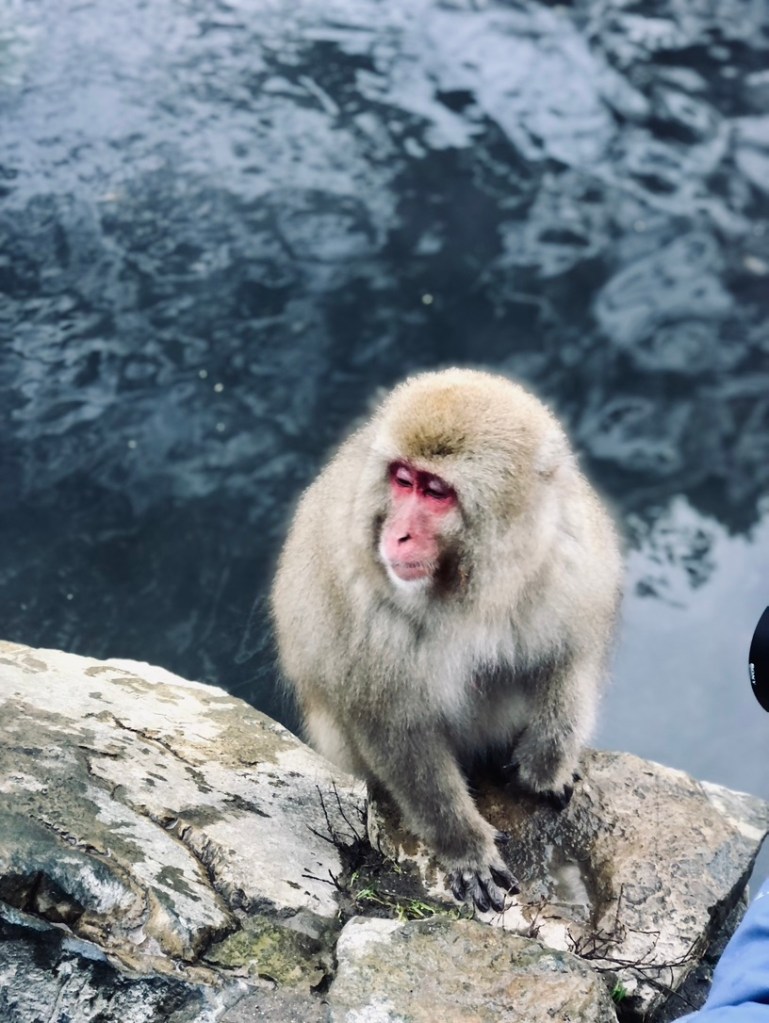
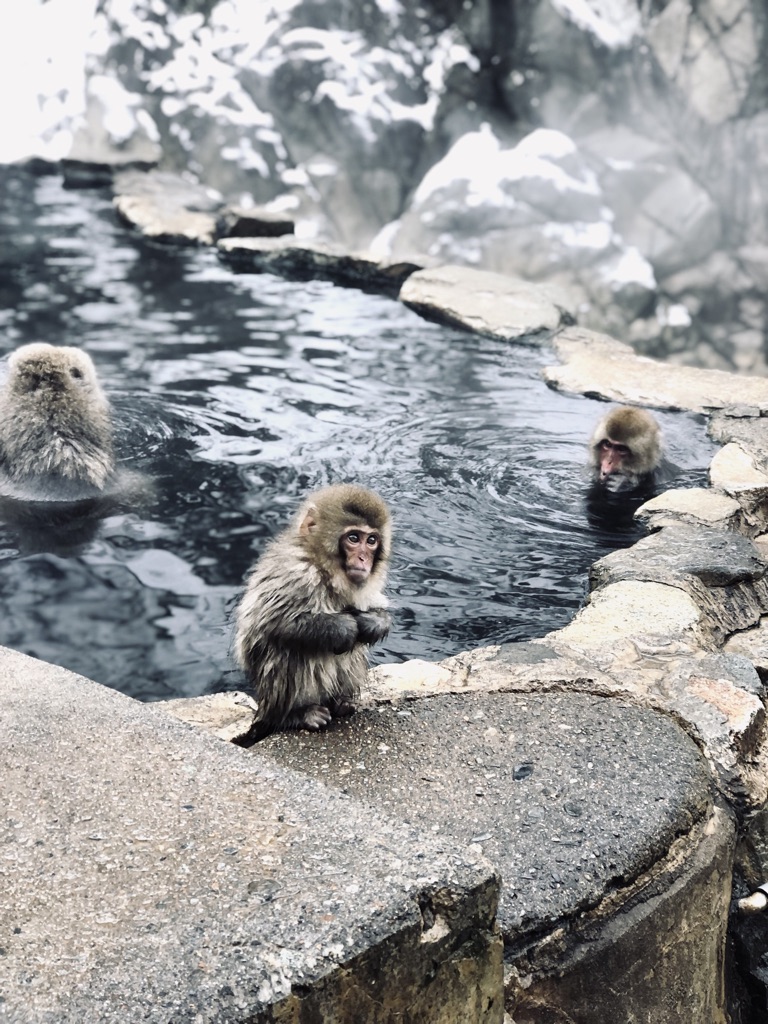
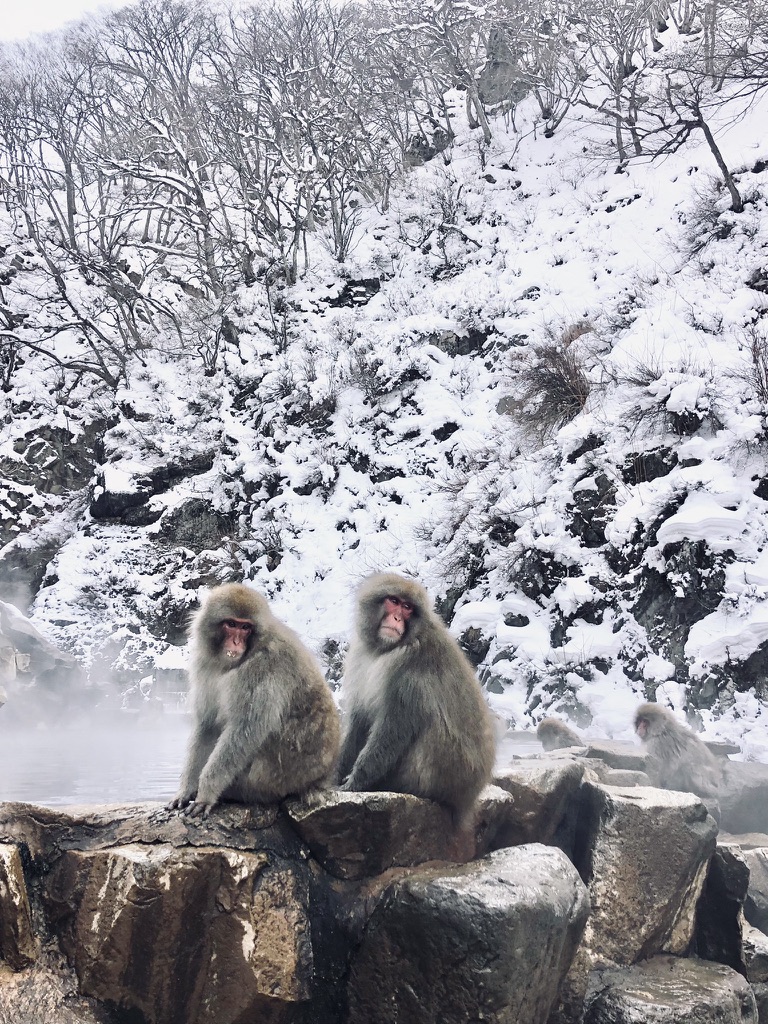
Today’s goal: see the famous snow monkeys! I joined a Snow Monkey and Zenko-ji Temple Day Tour, which picked me up at the bus station near my ski lodge. The tour was amazing—we hiked through a scenic snowy forest to the Snow Monkey Park, where we saw a whole family of snow monkeys enjoying the hot springs. It was an adorable experience, and I could’ve watched them for hours!
Pro tip: Be sure to wear waterproof boots and bring crampons for your shoes if you can as the walk to the snow monkey park was quite slippery in the snow.
Zenko-ji Temple
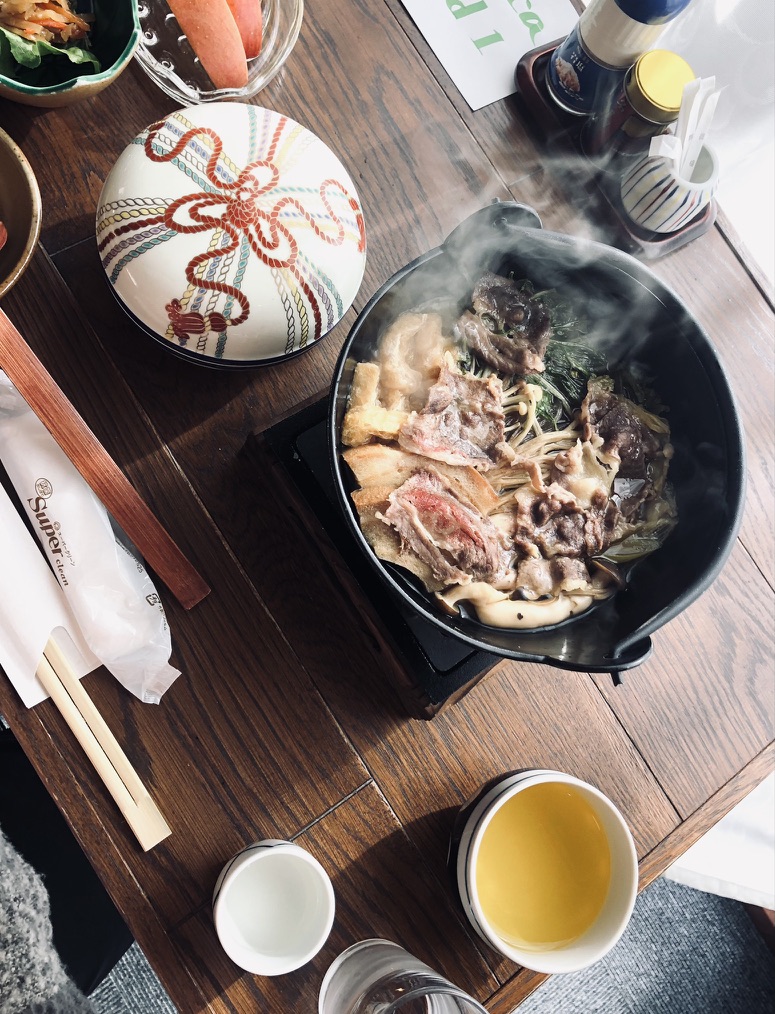
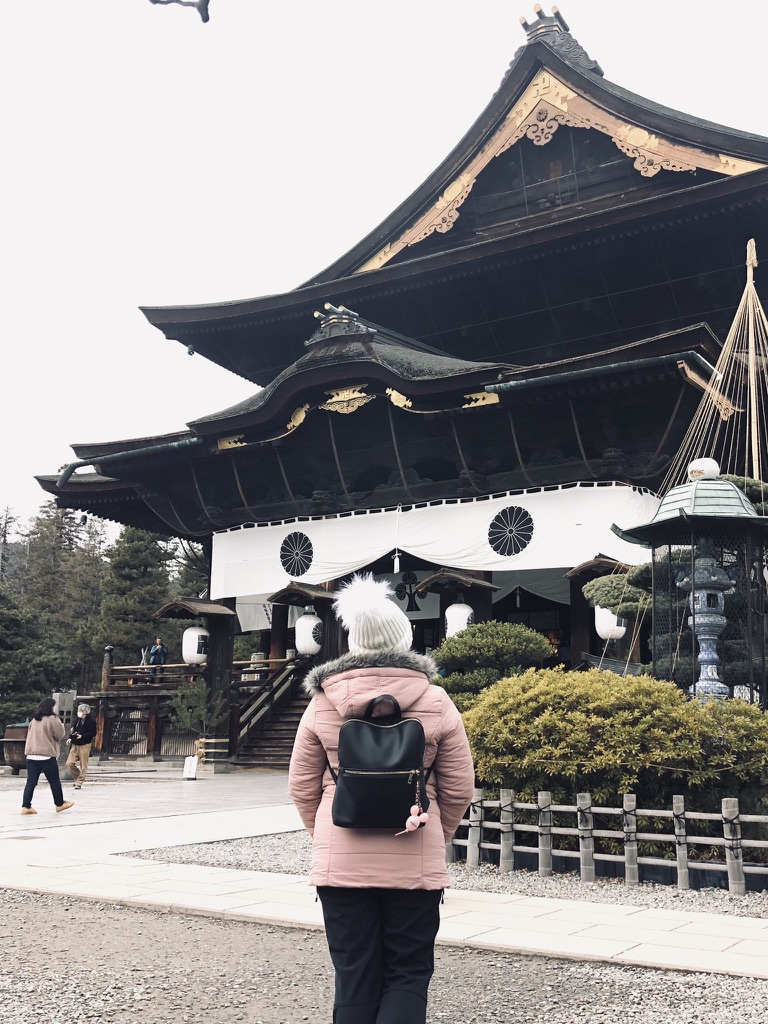
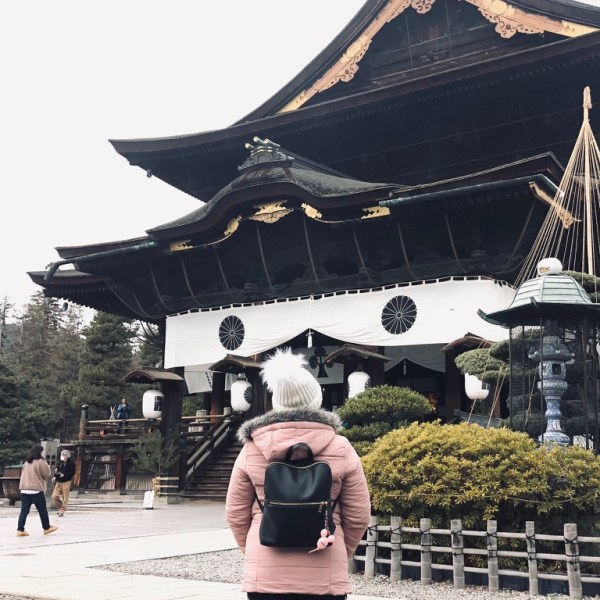
The second part of the tour took us to a traditional Japanese-style lunch (one of my favorite meals of the trip!) and then to the peaceful Zenko-ji Temple, a beautiful Buddhist site.
Day 12: Hakuba – Takayama (2 Nights)
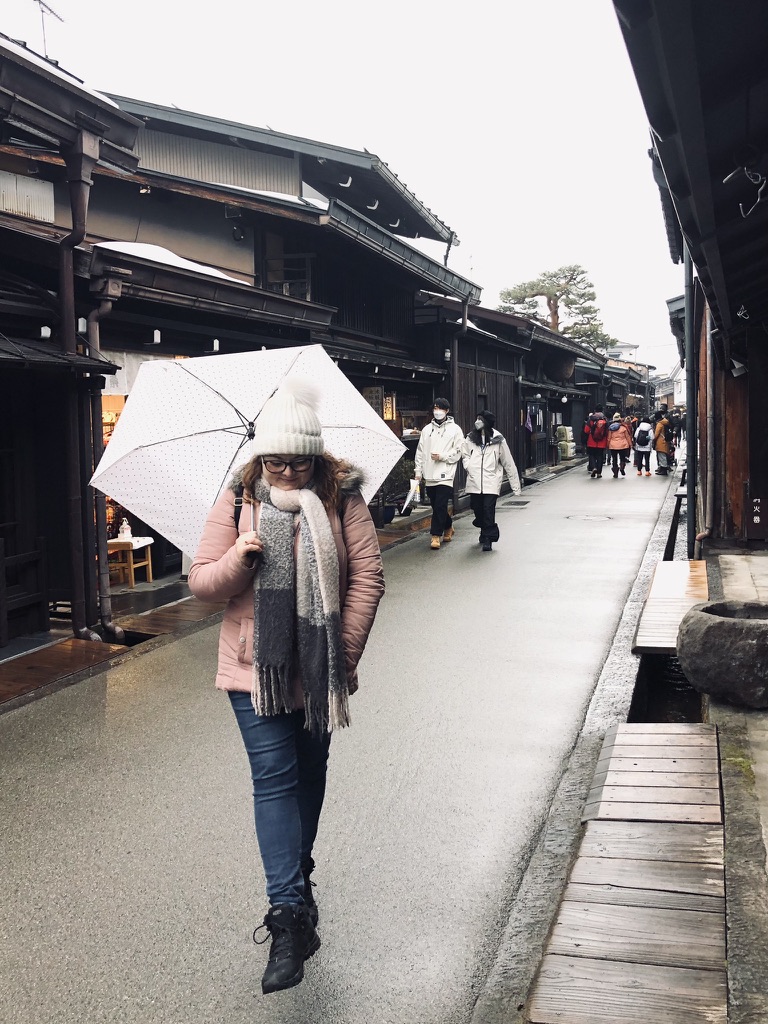
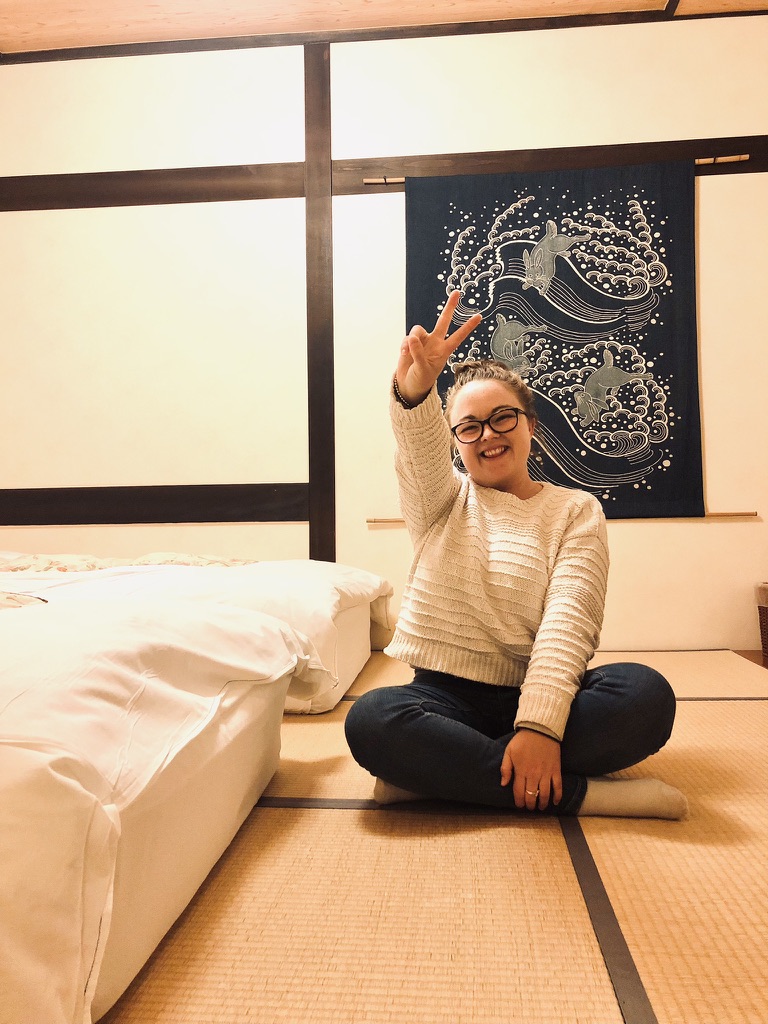
On Day 12, head to Takayama (about 3-4 hours) by taking a train to Matsumoto, followed by a bus to Takayama, a traditional town known for its well-preserved Edo-period architecture and winter charm. Takayama was one of my favorite places from my trip! There was something so special about its peaceful and cozy atmosphere, and I would definitely return here on my next trip to Japan.
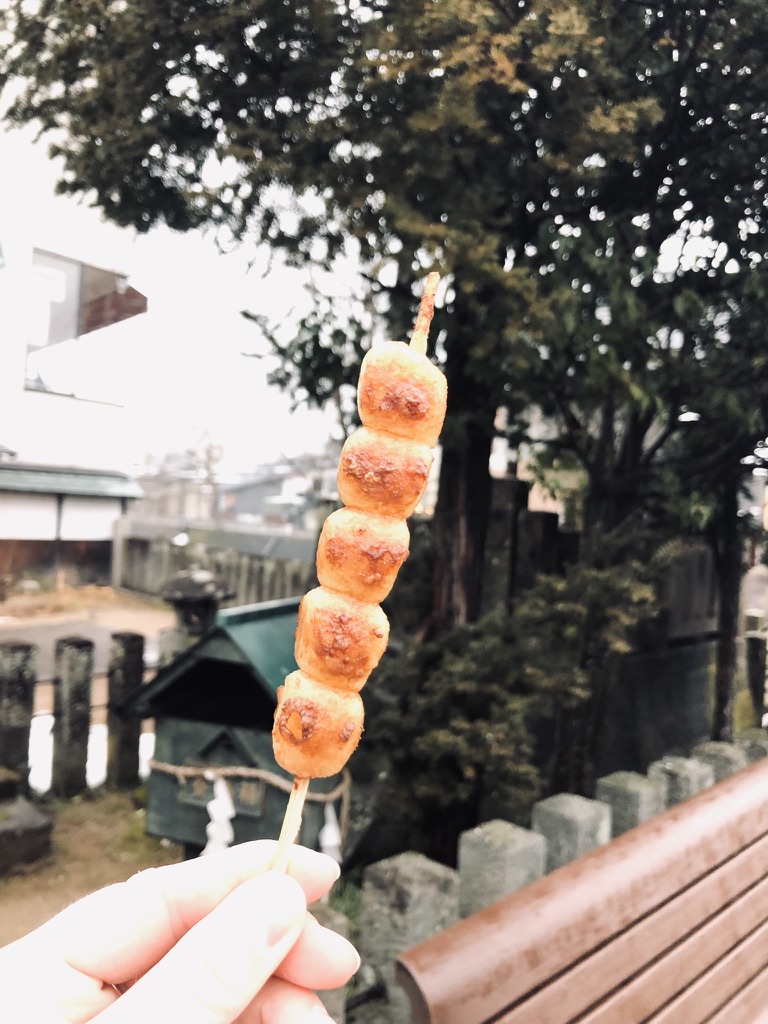
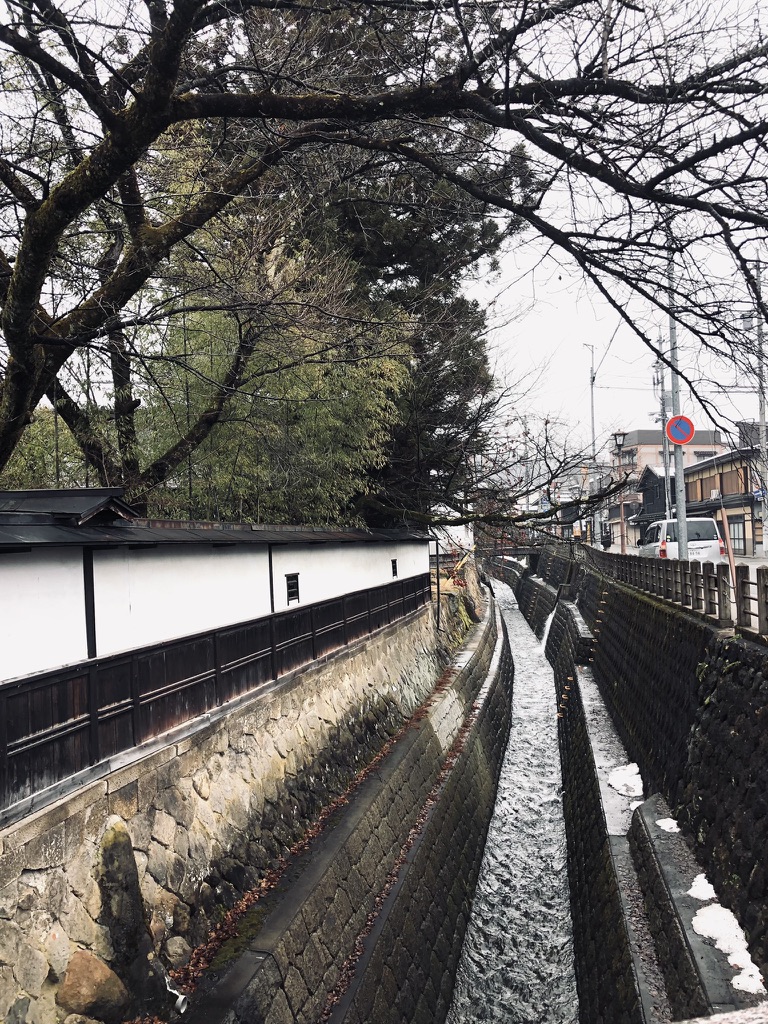
Spend the afternoon exploring the beautifully preserved old town, with its narrow streets lined with traditional wooden merchant houses. You can join a guided walking tour or explore on your own. If you’re in the mood for a snack, be sure to try some mitarashi dango (small Japanese dumplings on a stick).
Where to Stay in Takayama
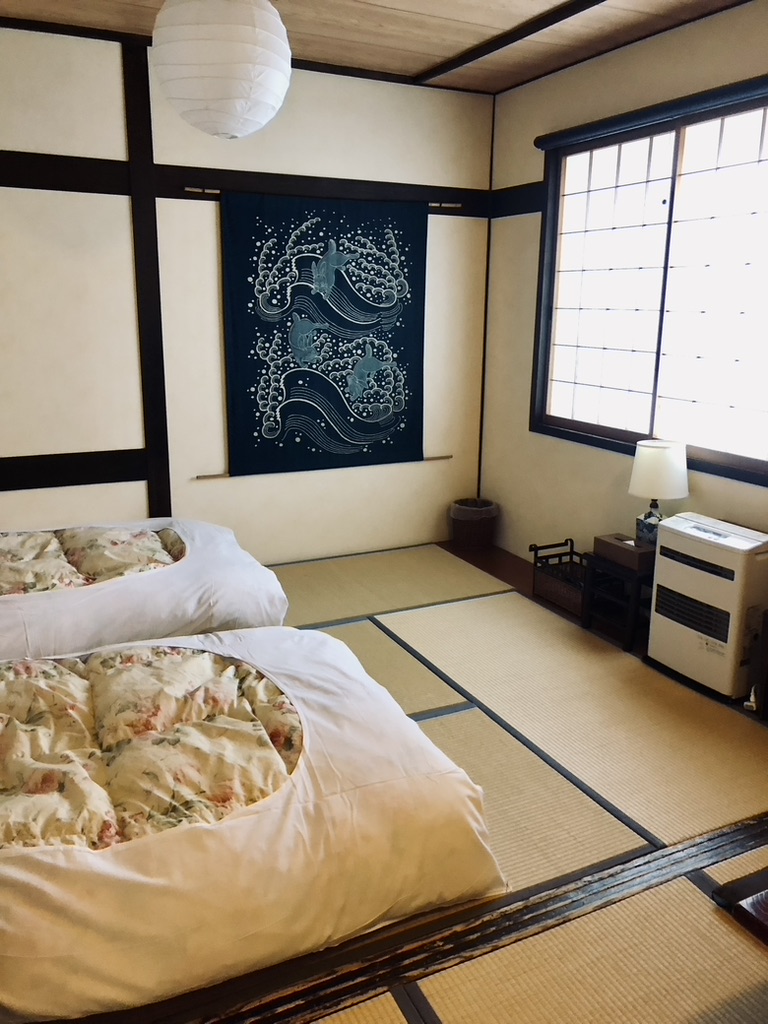
Takayama is the perfect place to try a traditional ryokan stay, complete with tatami floors, sliding paper doors, and a cozy futon bed. Whether you’re traveling on a budget or splurging on luxury, there are great options:
Accommodation Recommendations:
Luxury: Sumiyoshi Ryokan
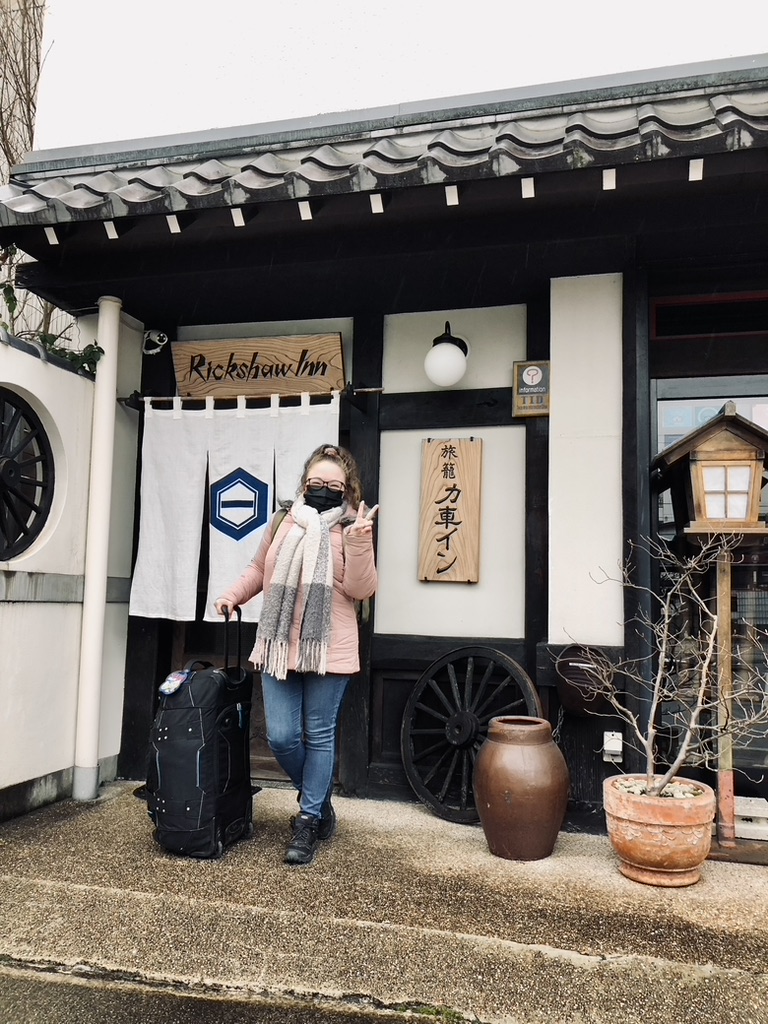
Mid-Range: Rickshaw inn
Budget: Hida Takayama Hodakaso Yamano Iori
Day 13: Takayama
Miyagawa Morning Markets
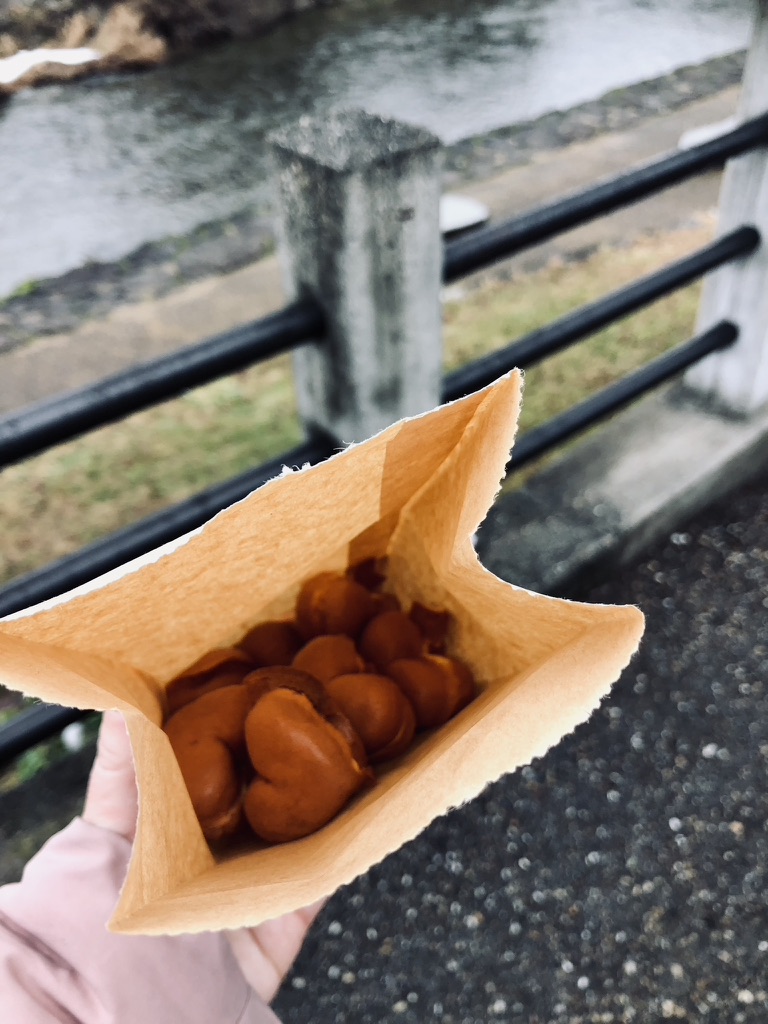
This morning, take a stroll around the Miyagawa Morning Markets for local crafts and delicious street food.
Shirakawa-go Village
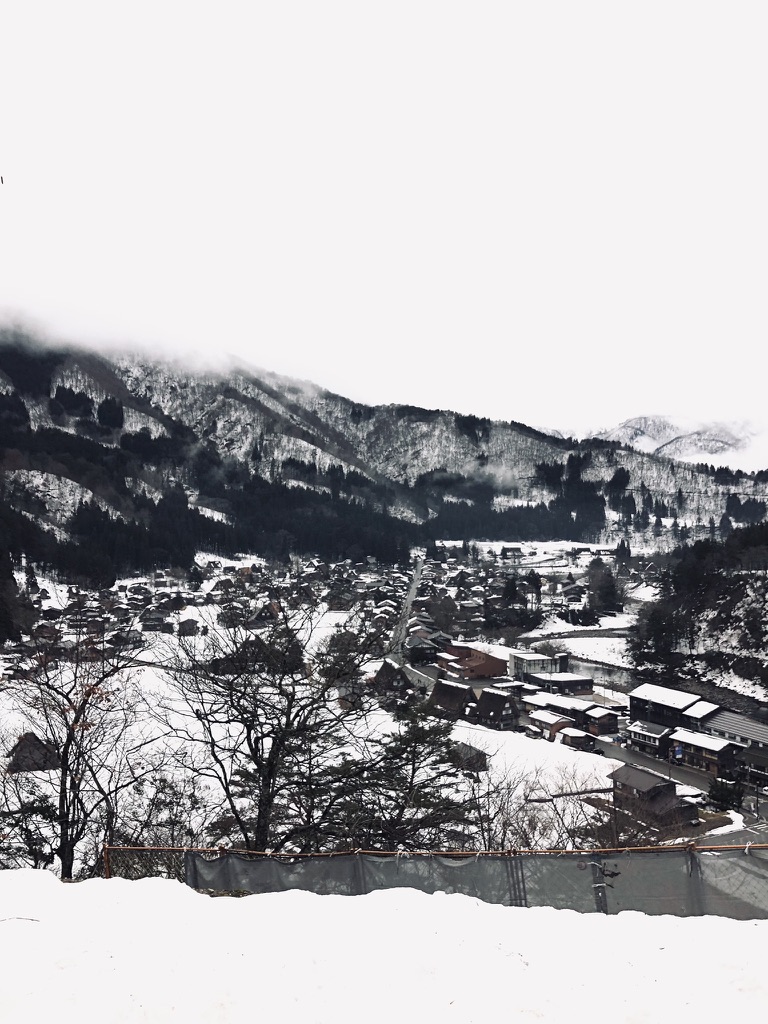
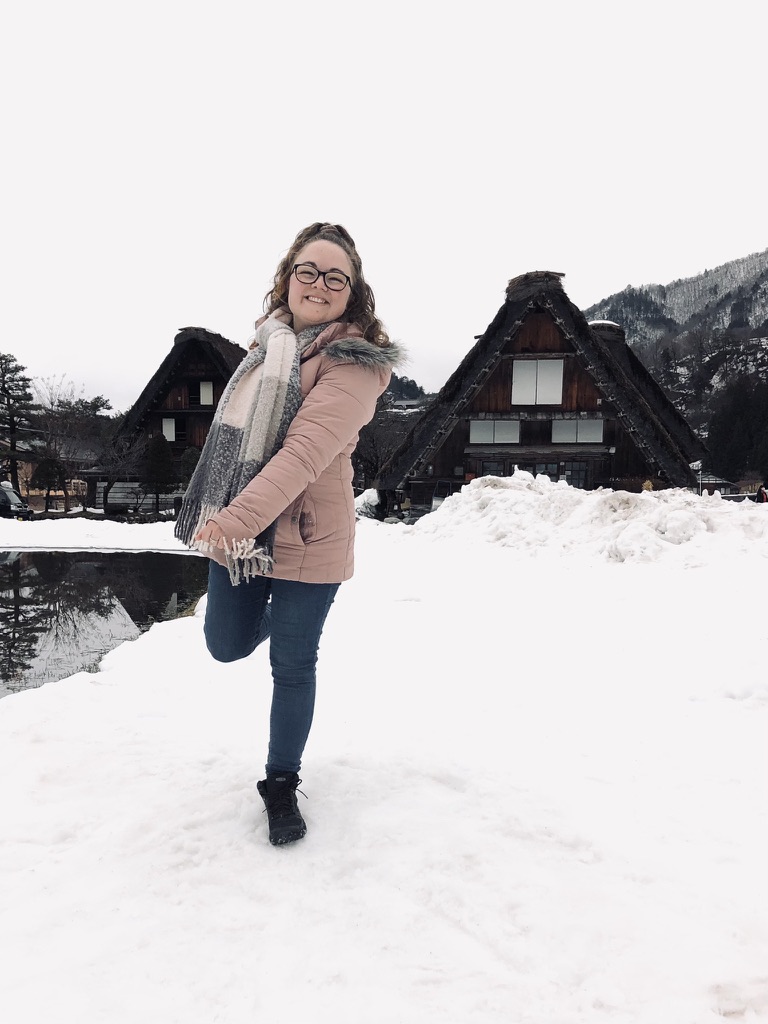
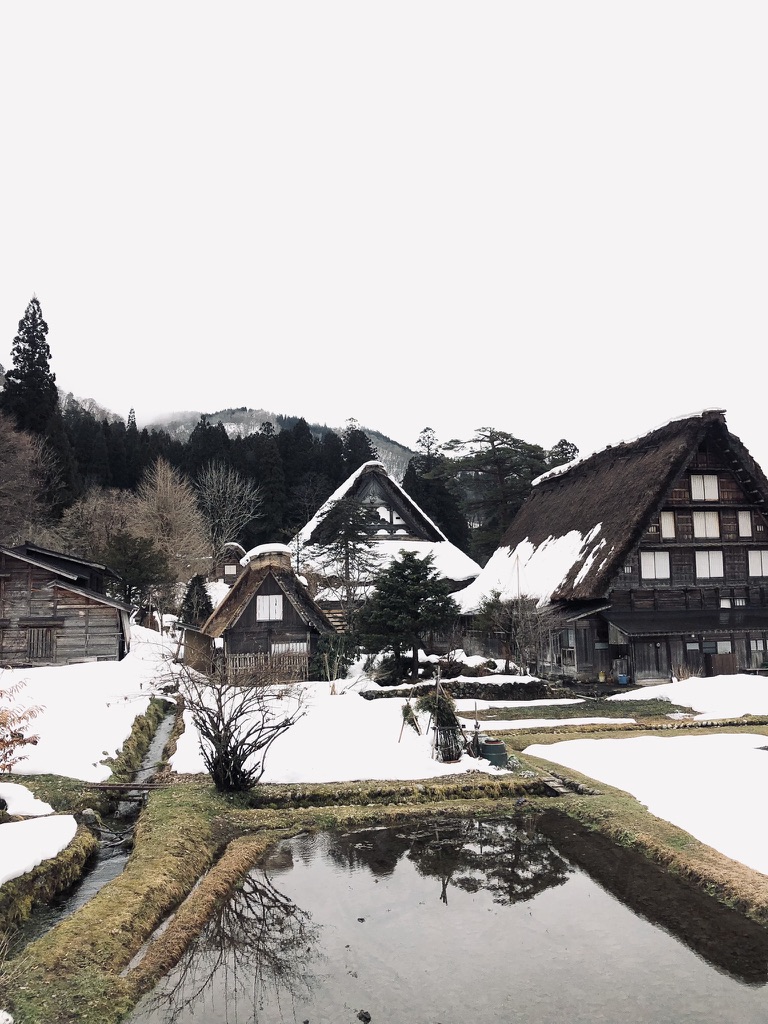
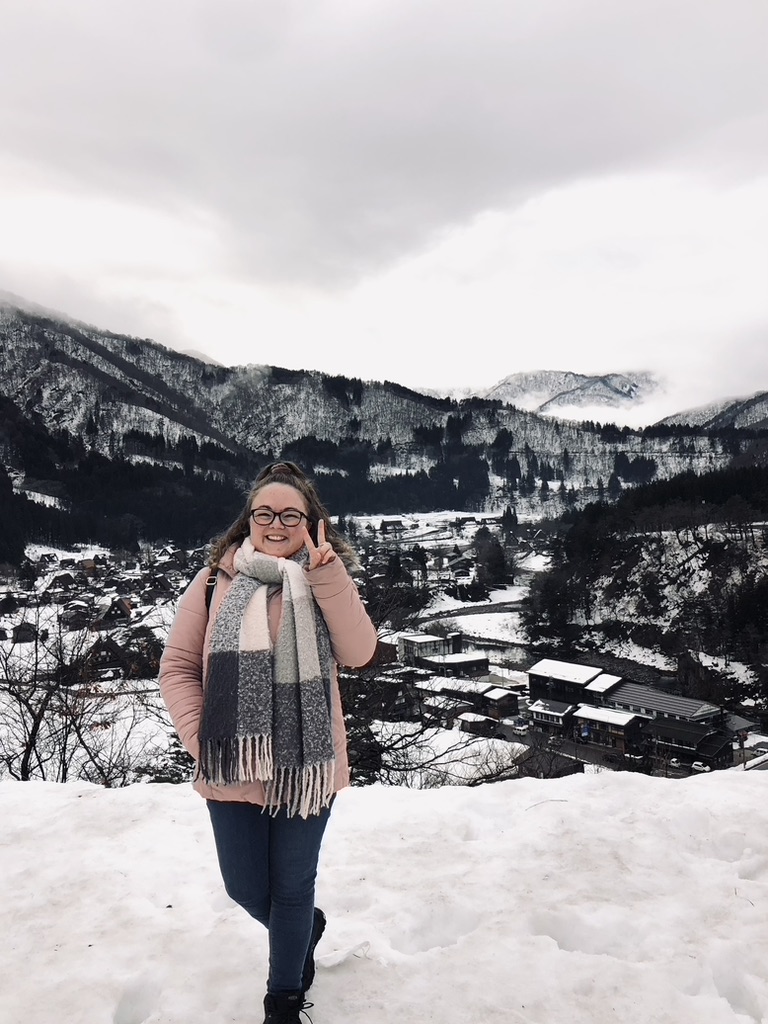
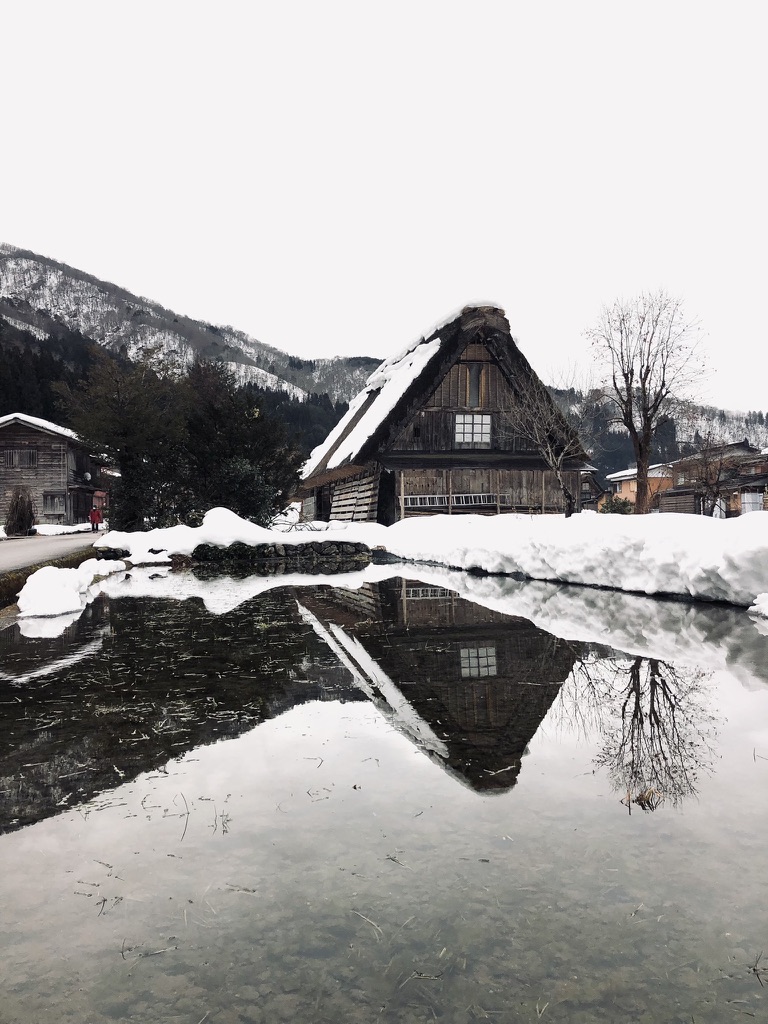
Today, I joined a tour to Shirakawa-go Village, a UNESCO World Heritage Site, to experience the traditional “gassho-zukuri” houses, which look straight out of a storybook under the winter snow – check out my full guide here.
On specific evenings during winter, the village has ‘illumination ‘light-up festival’ where the town lights up like a magical postcard, but it’s a very popular event, so you’ll need to book well in advance.
If you have an additional day in Takayama, consider taking a trip to Shinhotaka Ropeway or Kamikochi, or join a tour around the historic Hida Village.
Day 14: Takayama – Osaka (3 Nights)
Leave the serene Takayama behind and head south to the bustling city of Osaka by direct train, which takes about 4 hours.
Osaka Castle
Spend the afternoon exploring the city by joining a walking tour or exploring solo. The main event today is Osaka Castle Park, a stunning Japanese castle in the center of the city.

Where to Stay in Osaka
Accommodation Recommendations:
Luxury: MONday Apart Premium OSAKA NAMBA WEST
Mid-Range: Joytel Hotel Namba Dotonbori
Budget: APA Hotel & Resort Osaka Umeda Eki Tower
Day 15: Nara Park + Dotonbori
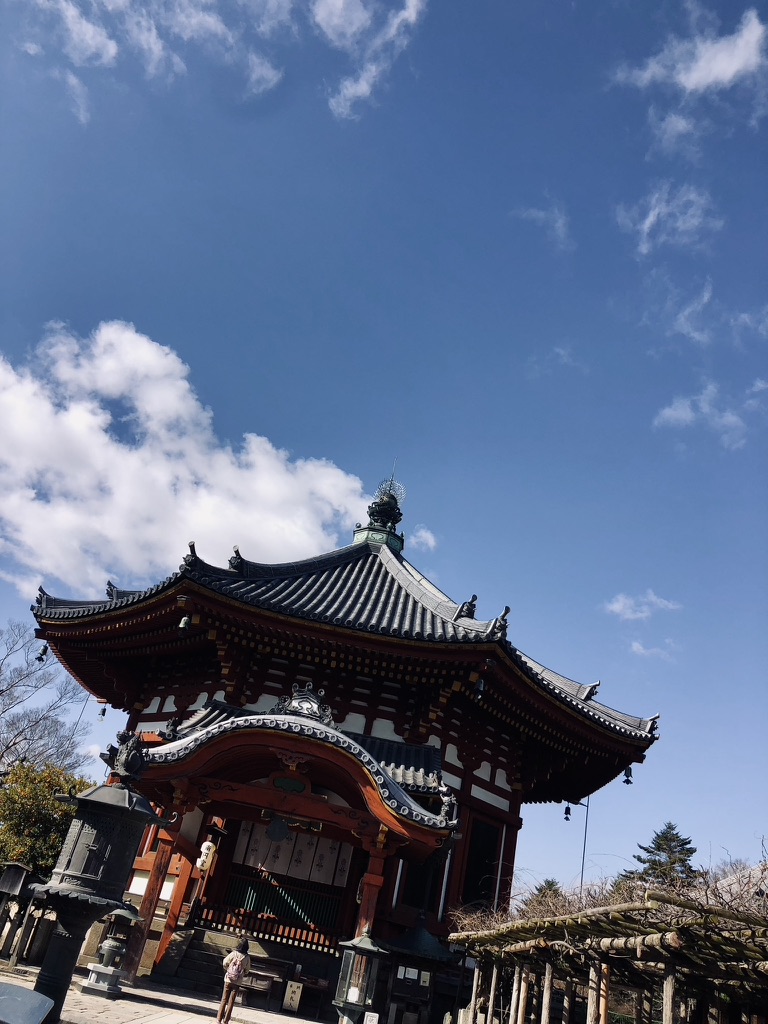
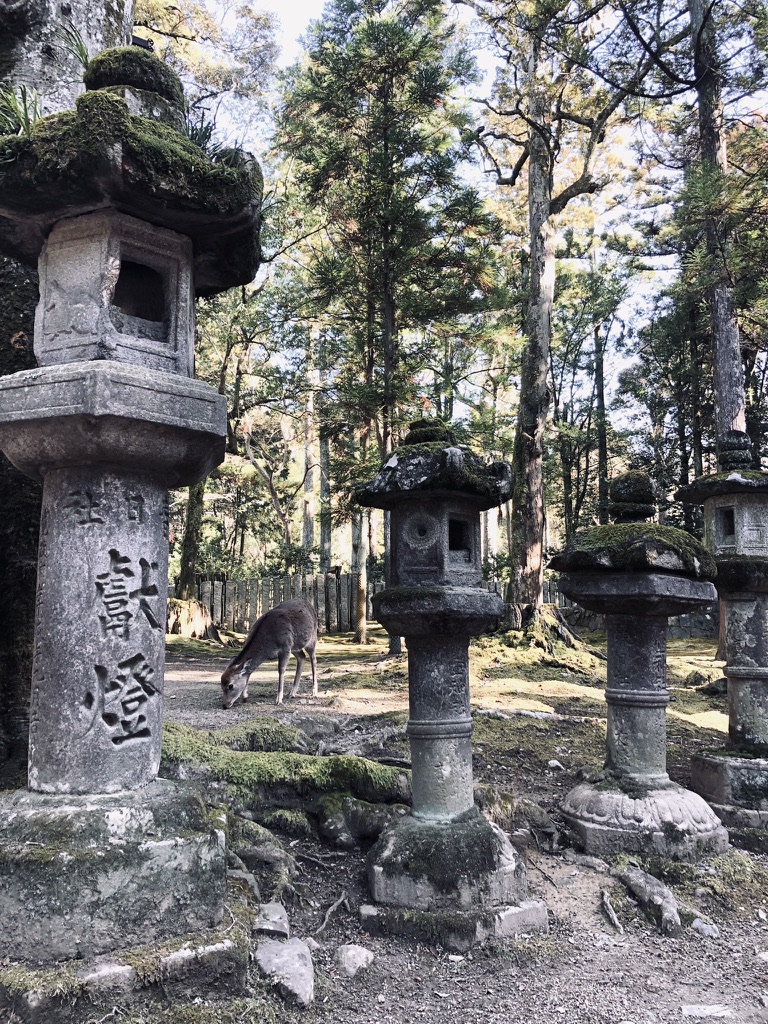
Nara Park
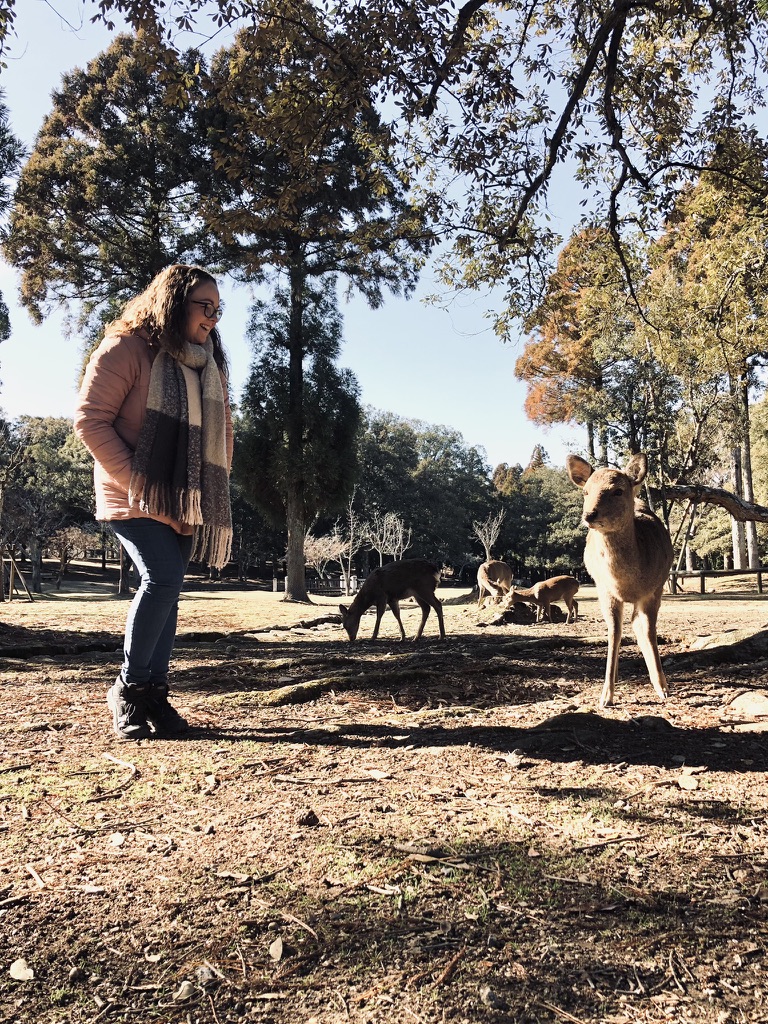
Today’s mission: see the deer at Nara Park! There are tours from Osaka available, or you can simply wander through this massive and beautiful park, which is home to hundreds of deer.
Note: You can purchase deer food from shops and cafes in the area – don’t feed the deer anything other than this food, as it could make them sick. While the deer are used to humans and will approach you for food, they are still wild animals and shouldn’t be chased.

Dotonbori
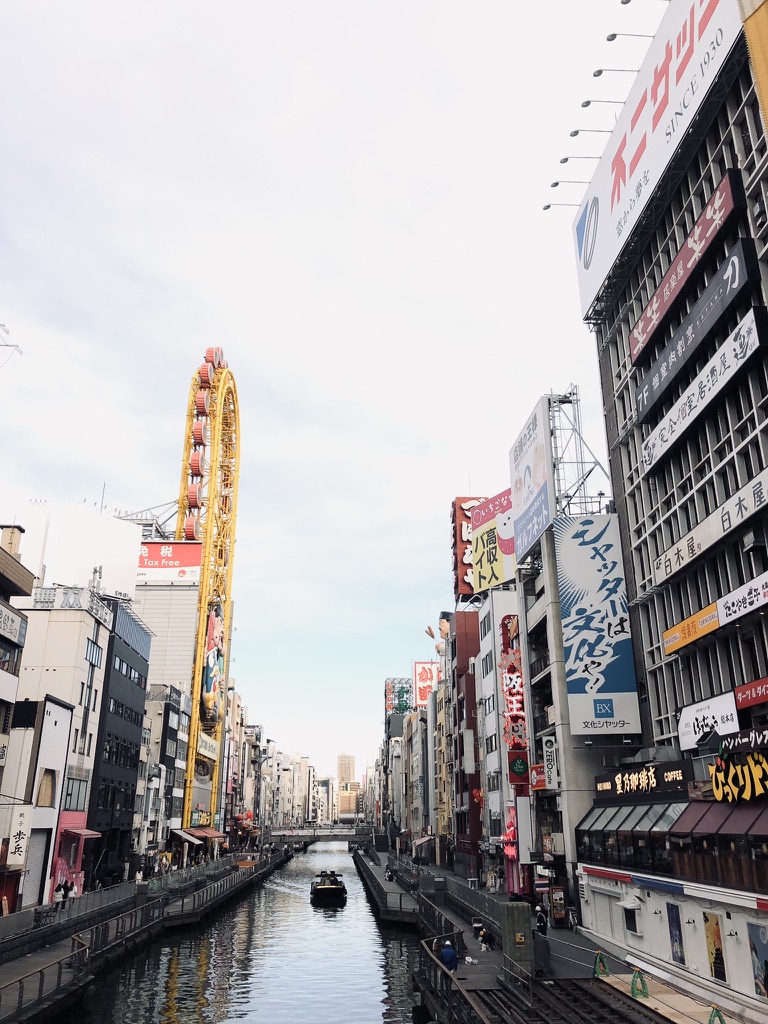
Explore Dotonbori, Osaka’s famous entertainment district, where neon lights illuminate the streets. Don’t miss tasting iconic street foods like takoyaki (octopus balls) and okonomiyaki (savory pancakes). #onlyhereforthesnacks
Day 16: Universal Studios Japan
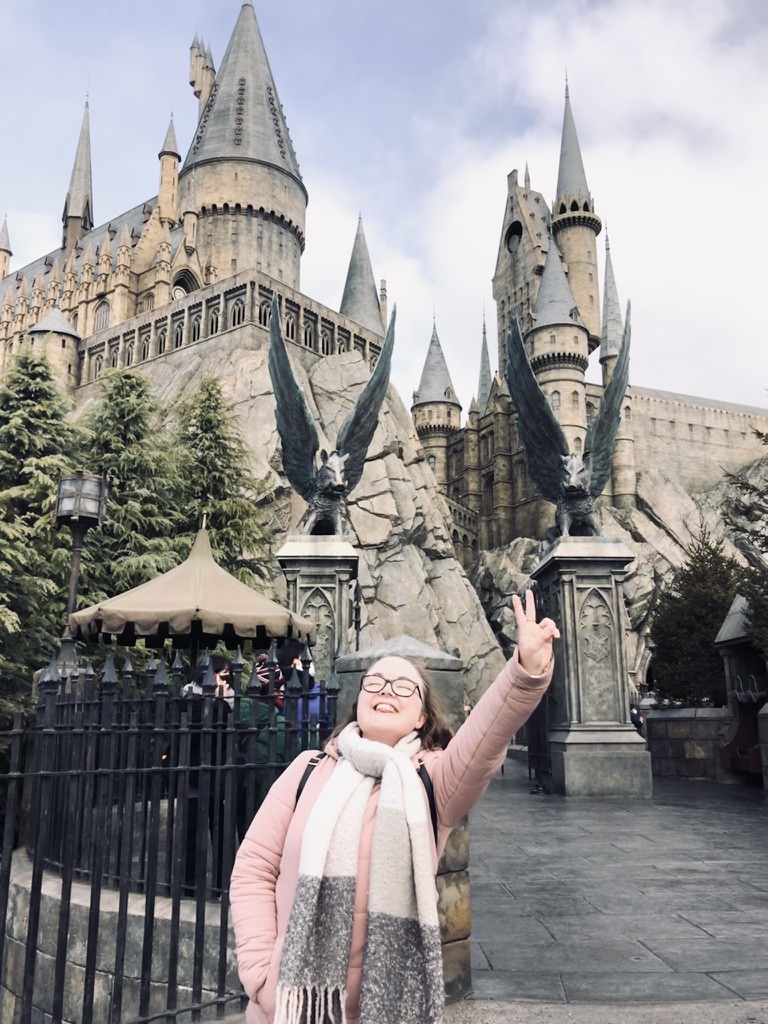
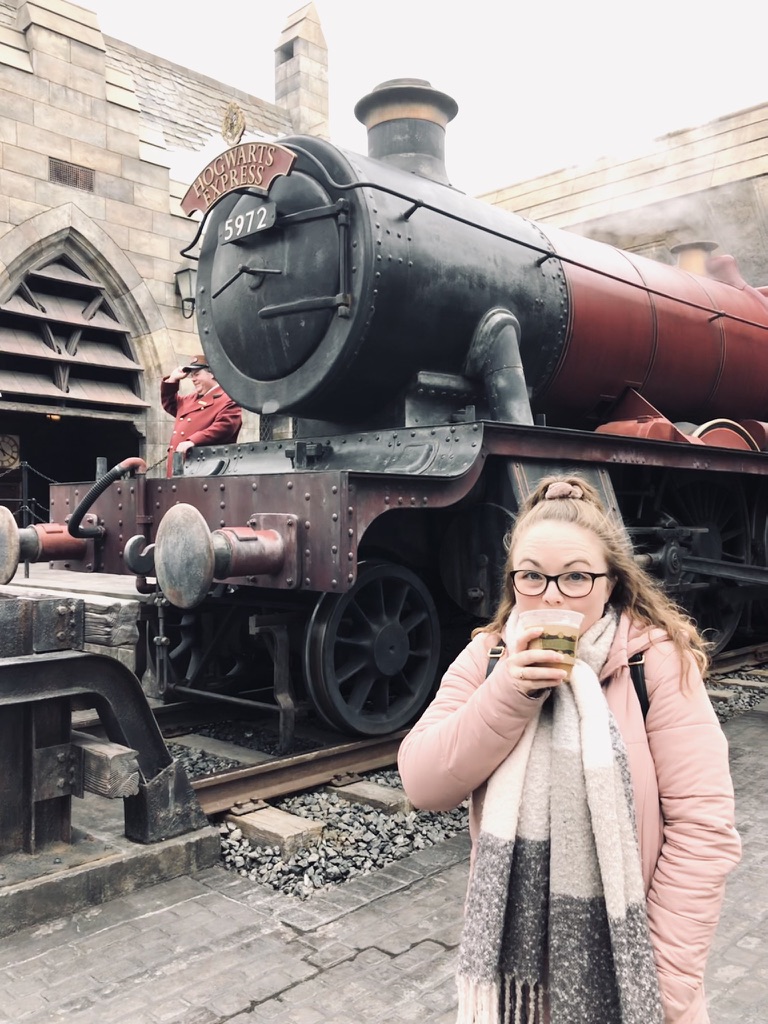
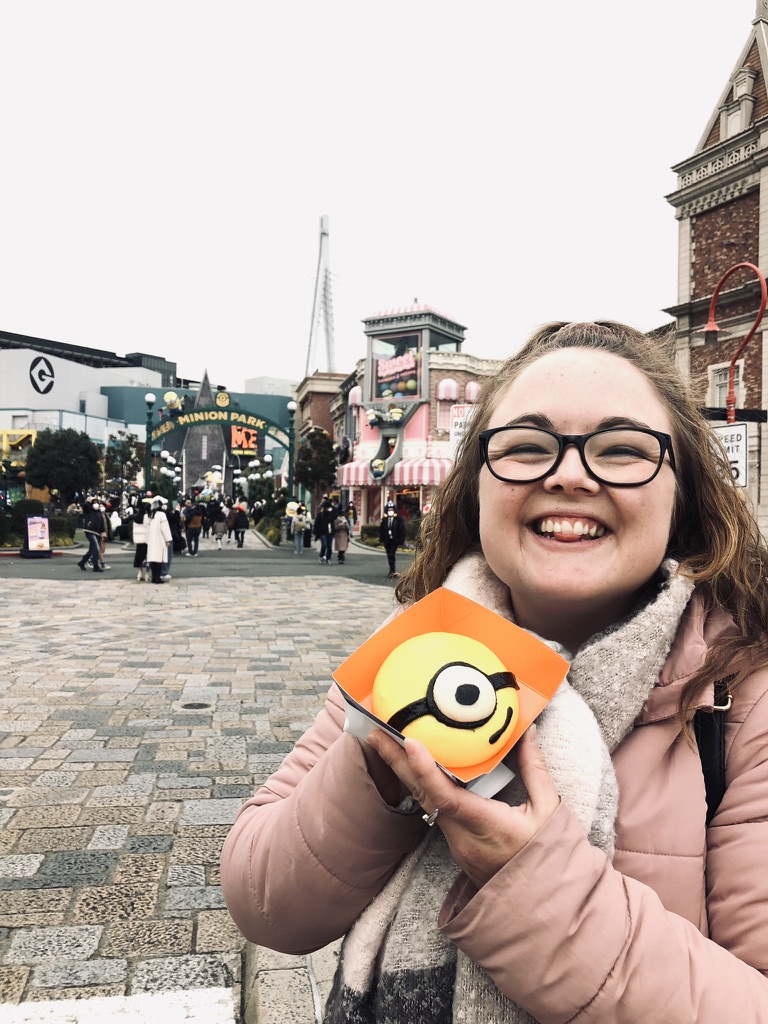
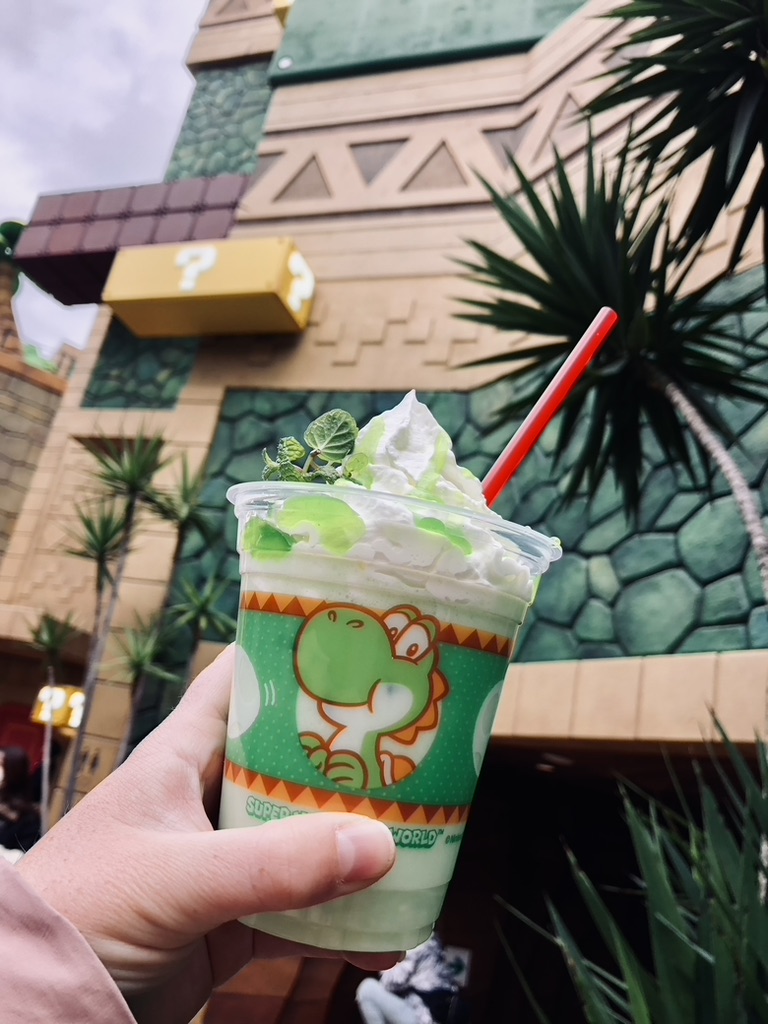
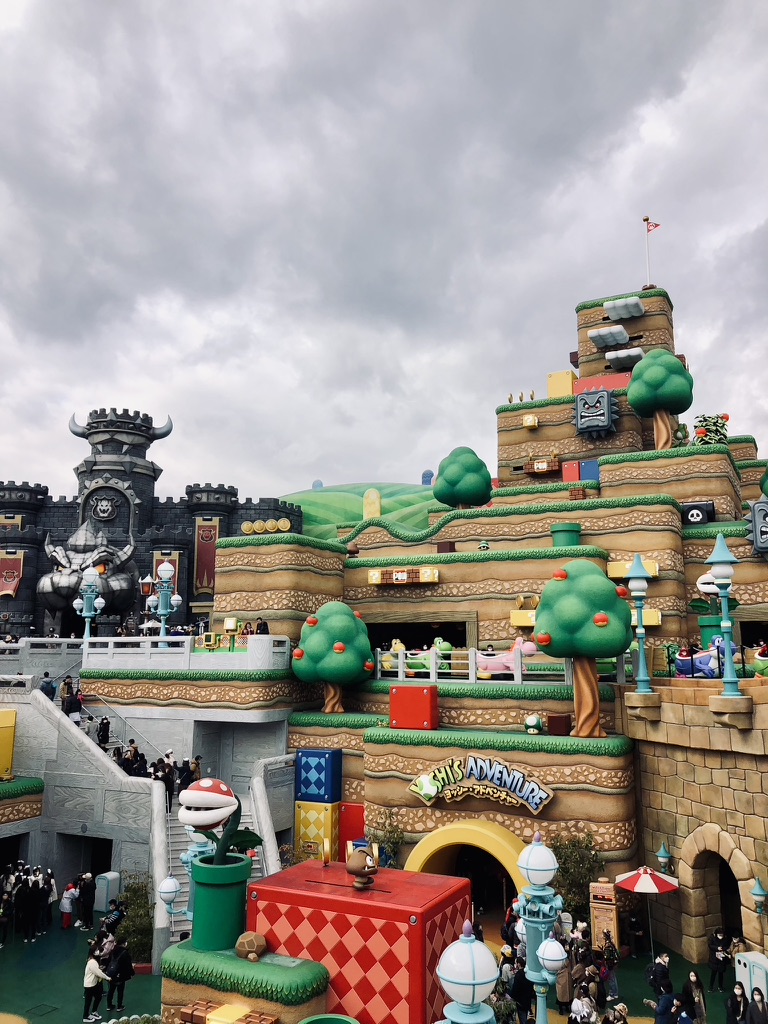
Today was a theme park day! I was most excited to visit Super Nintendo World, as it was the only one in the world at the time! It was a super fun day, full of Butterbeer, rides, and seeing how many ‘?’ boxes I could hit in one day!
Day 17: Osaka – Hiroshima – Miyajima (1 Night)
Take a Shinkansen to Hiroshima (about 2.5 hours) then a ferry to Miyajima Island where you will spend the night.
Hiroshima
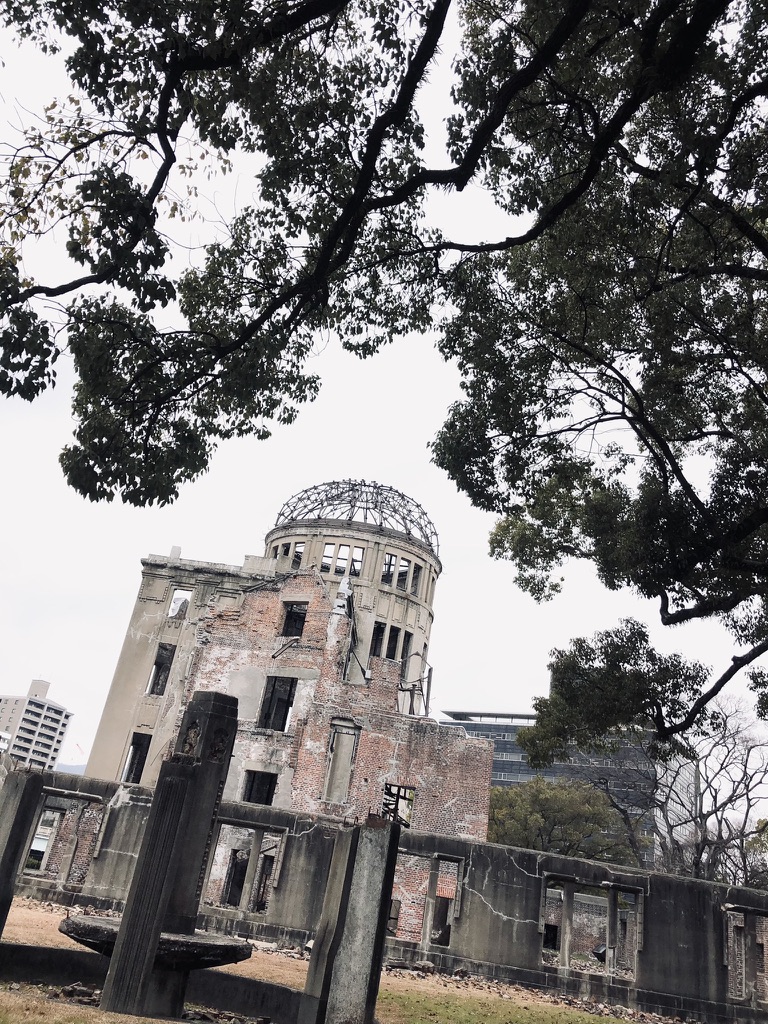
The Peace Memorial Park and Museum are essential visits to reflect on the city’s history and resilience. You can go on a guided cycling tour of the area or explore on your own.
Miyajima Island
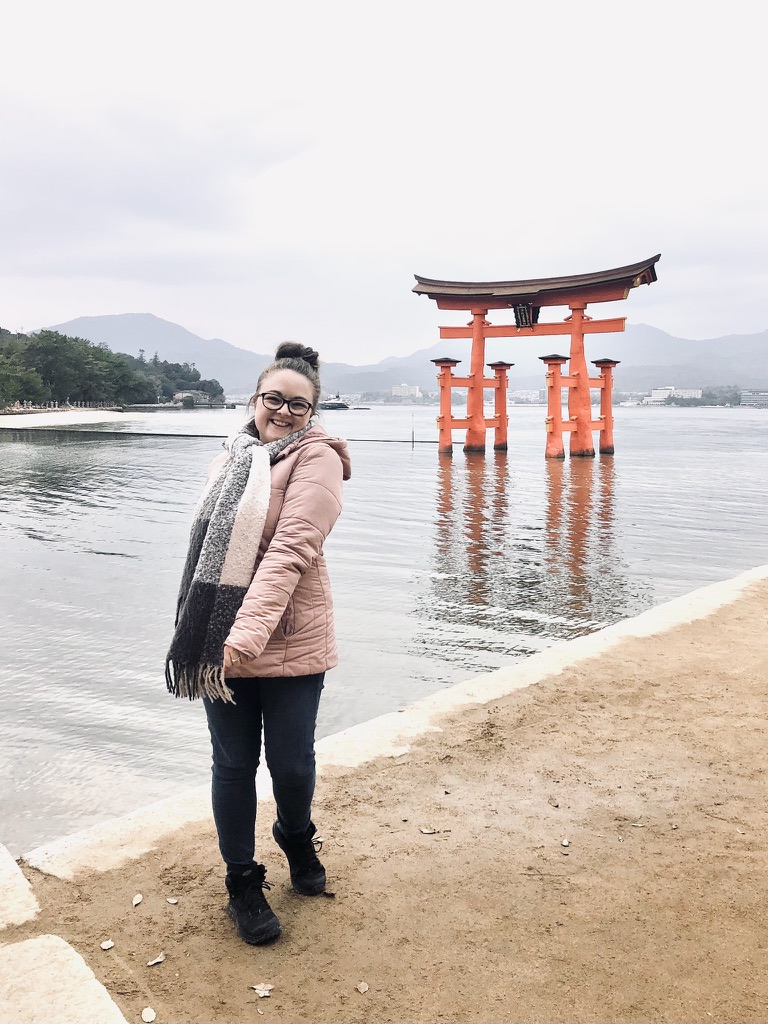
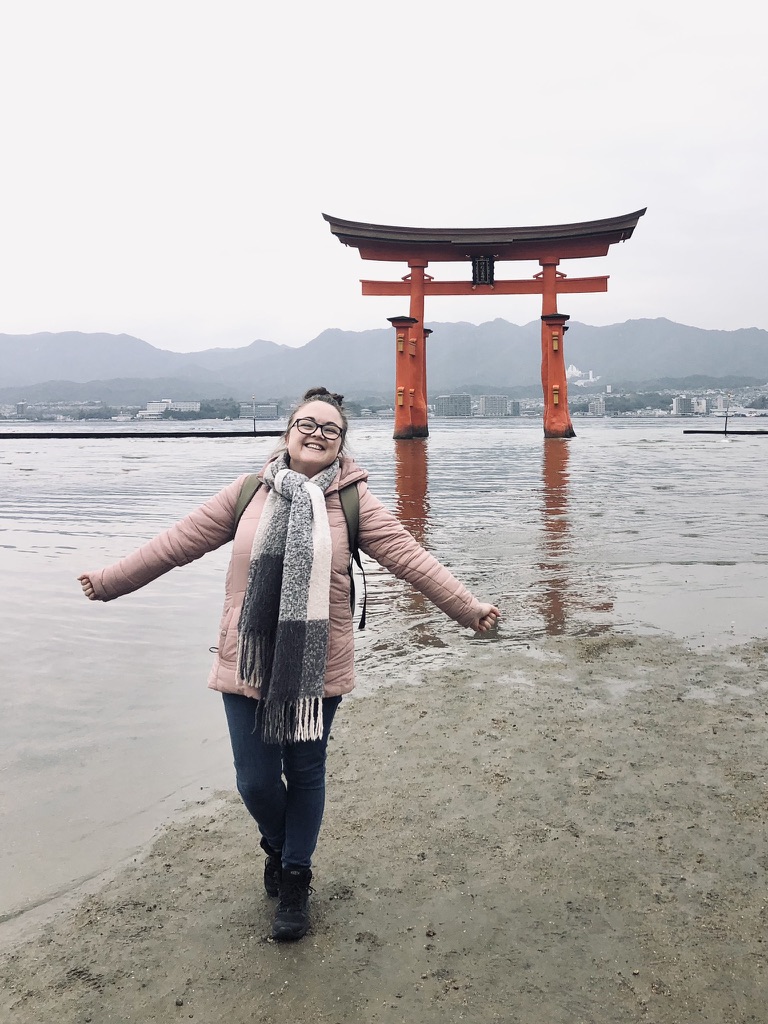
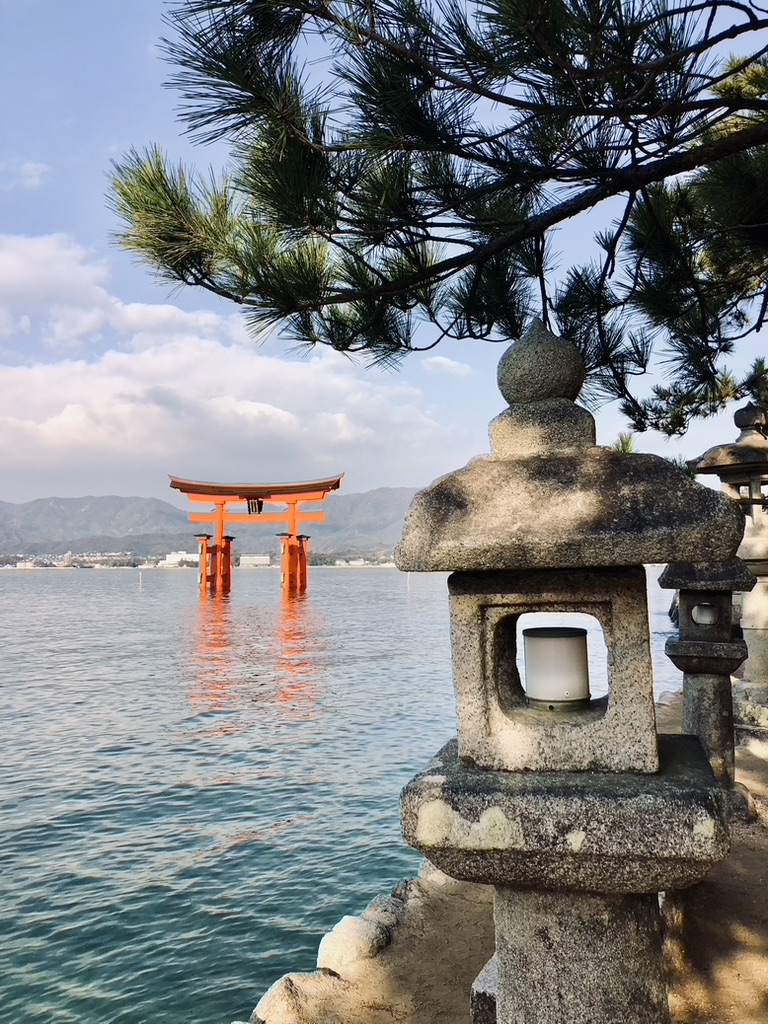
After touring Hiroshima, take a short ferry ride to Miyajima Island, famous for the iconic Itsukushima Shrine and its floating torii gate. Miyajima is my favorite place in all of Japan—there’s something so serene and peaceful about the island. I loved it even more in the evening when the day tourists had gone home, and it felt like I had the island all to myself.
Spend the day exploring, visiting the Itsukushima Shrine, and taking plenty of photos of the floating torii gate. You can also ride the Miyajima Ropeway for epic views.
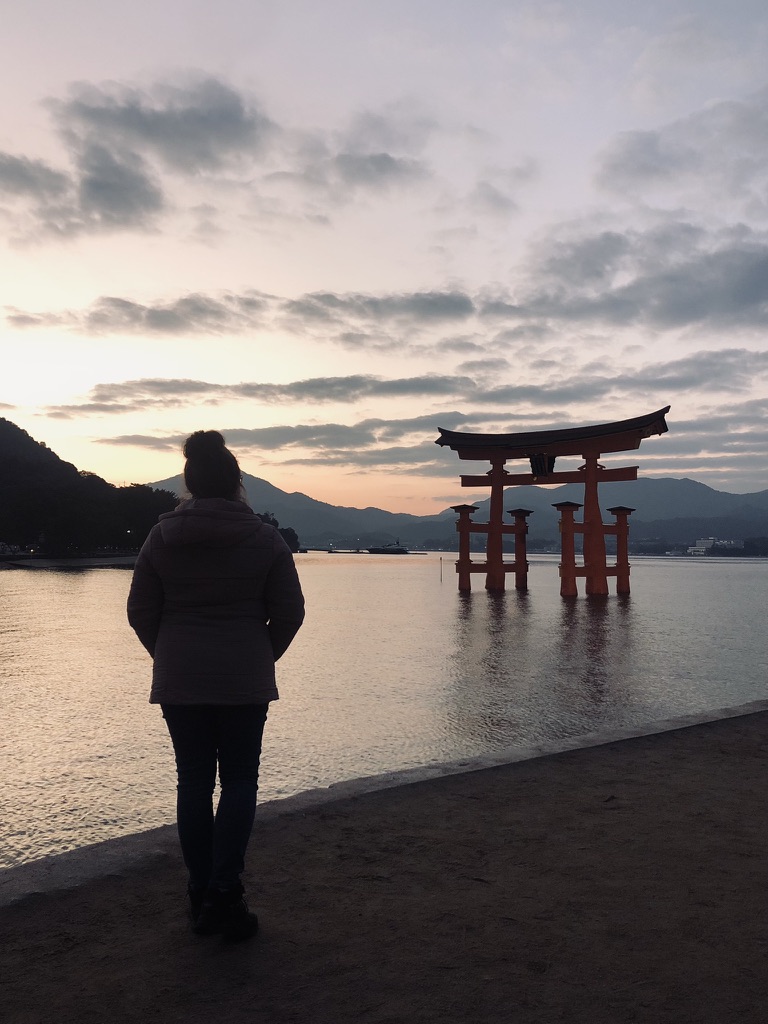
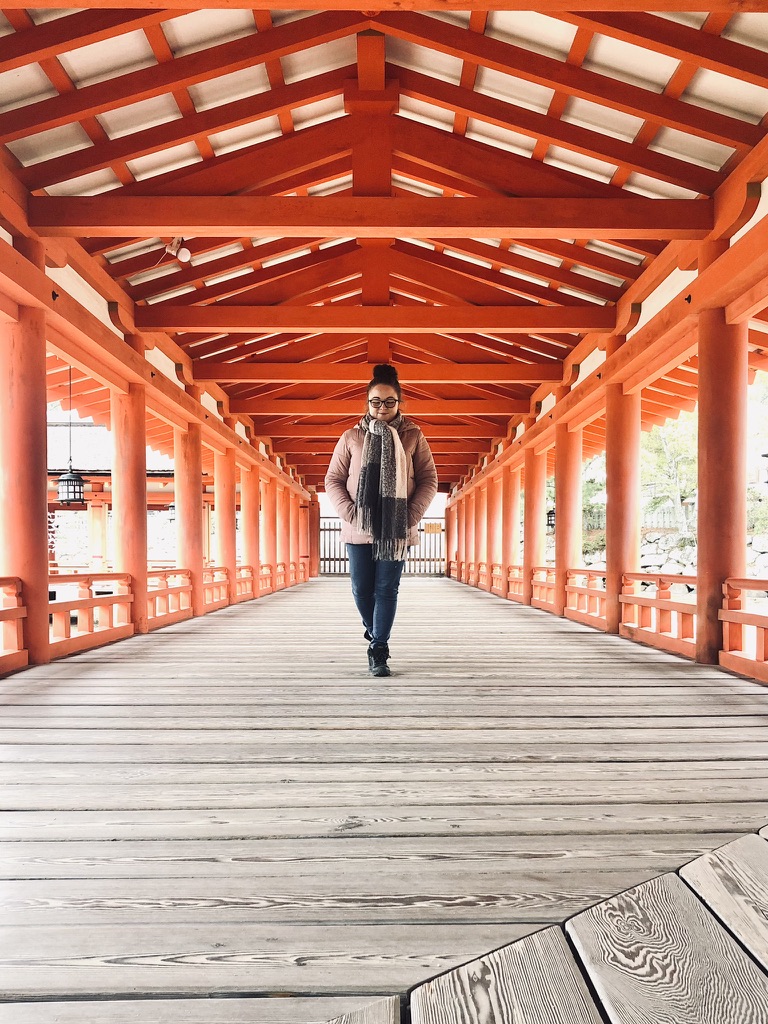
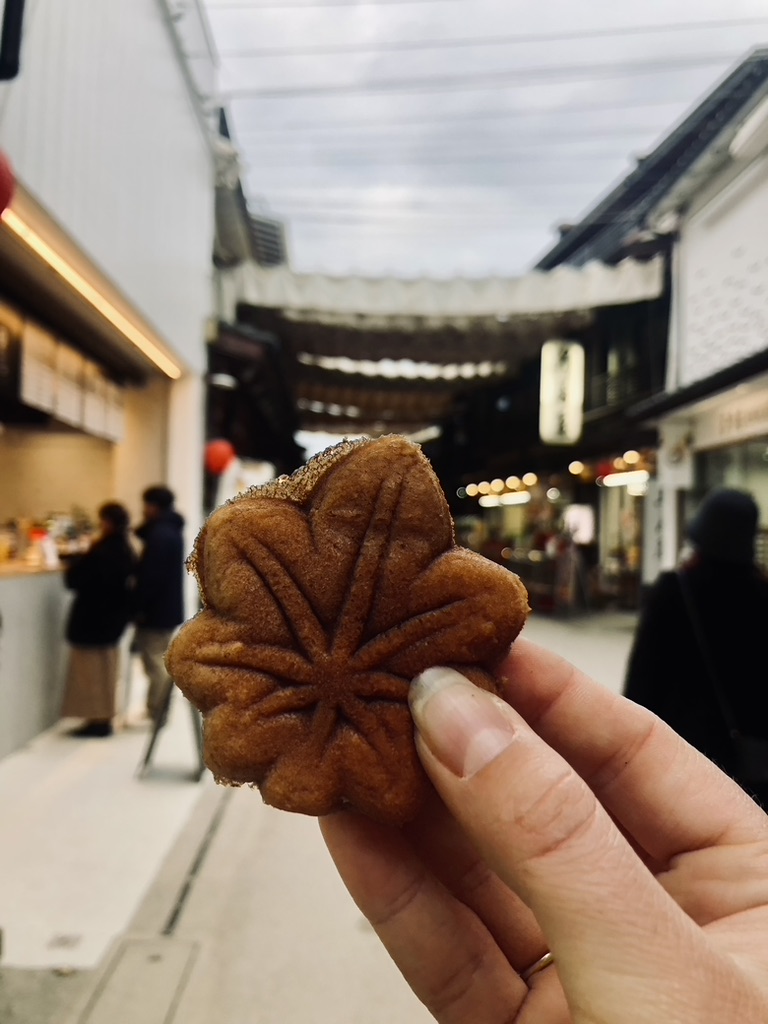
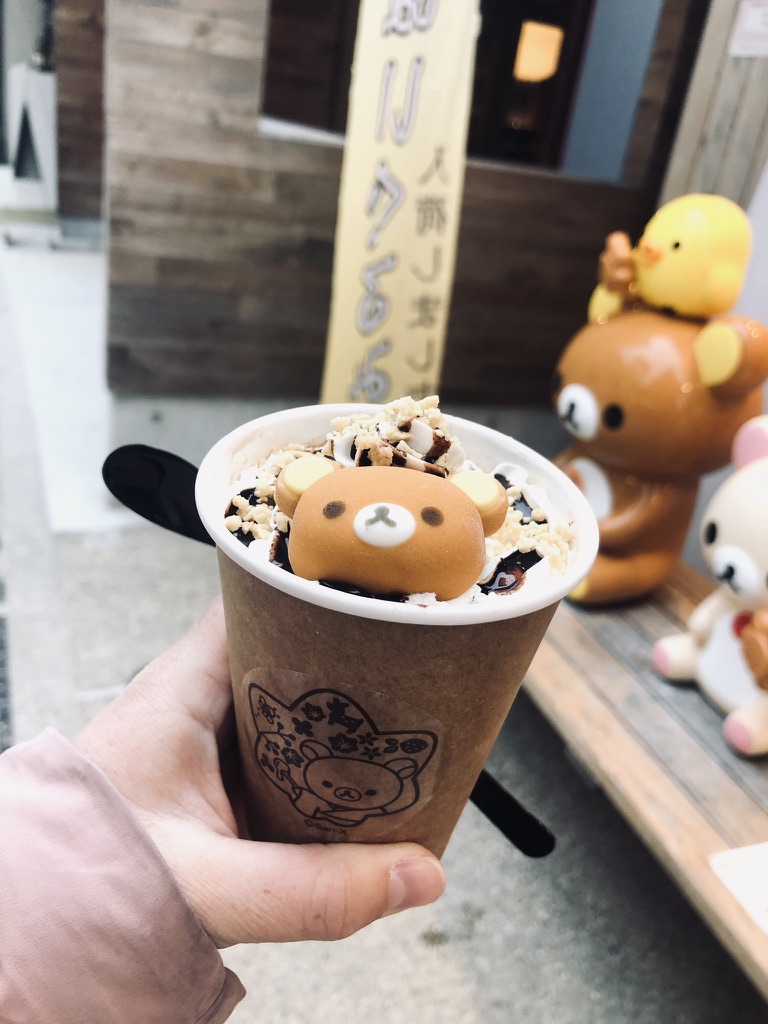
There’s also a shopping street with authentic souvenirs (I bought some fancy chopsticks from here!) and great foodie moments. Be sure to try the delicious Momiji manjū, a leaf-shaped snack with a filling that’s specific to this area.
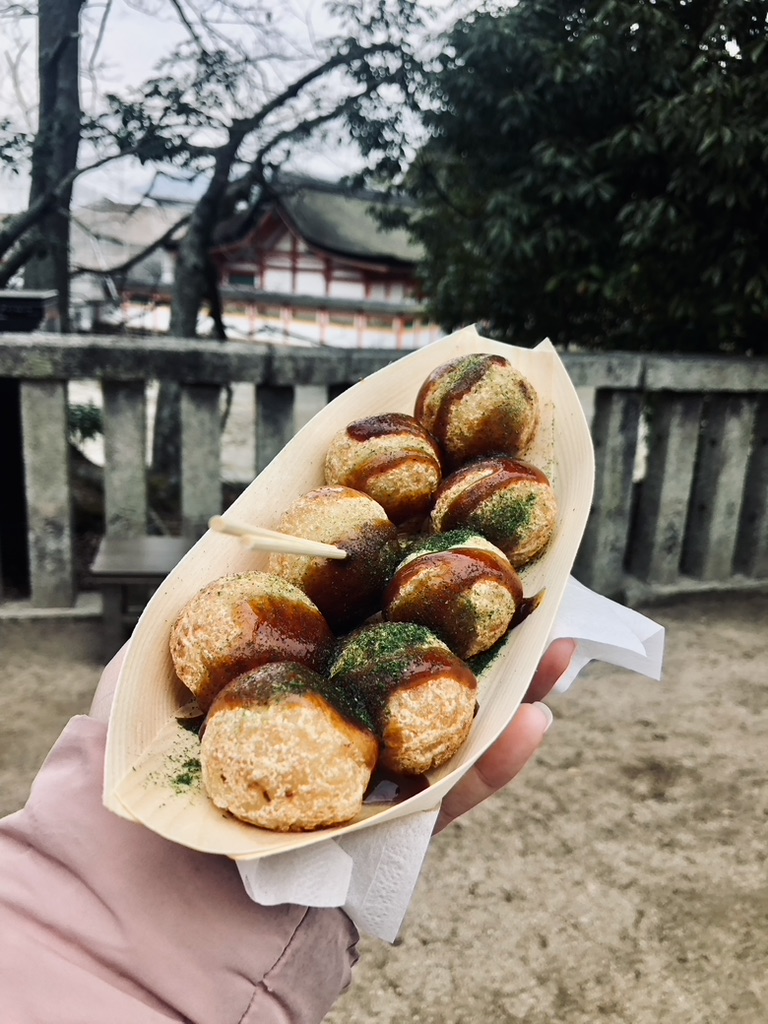
Where to Stay on Miyajima
While many visit as a day trip from Hiroshima, staying overnight on the island was a highlight of my trip. Once the last ferry leaves, Miyajima transforms into a peaceful sanctuary.
Accommodation Recommendations (by price range):
Luxury: Miyajima Grand Hotel Arimoto
Mid-Range: Aki Grand Hotel & Spa
Budget: Miyajima Coral Hotel
Day 18: Miyajima – Kyoto (3 Nights)
On Day 18, take the ferry back to Hiroshima and then travel to Kyoto by Shinkansen. Kyoto is the heart of Japan’s classical culture, with stunning temples, traditional tea houses, and beautiful gardens. It’s a must-visit on any trip to Japan.
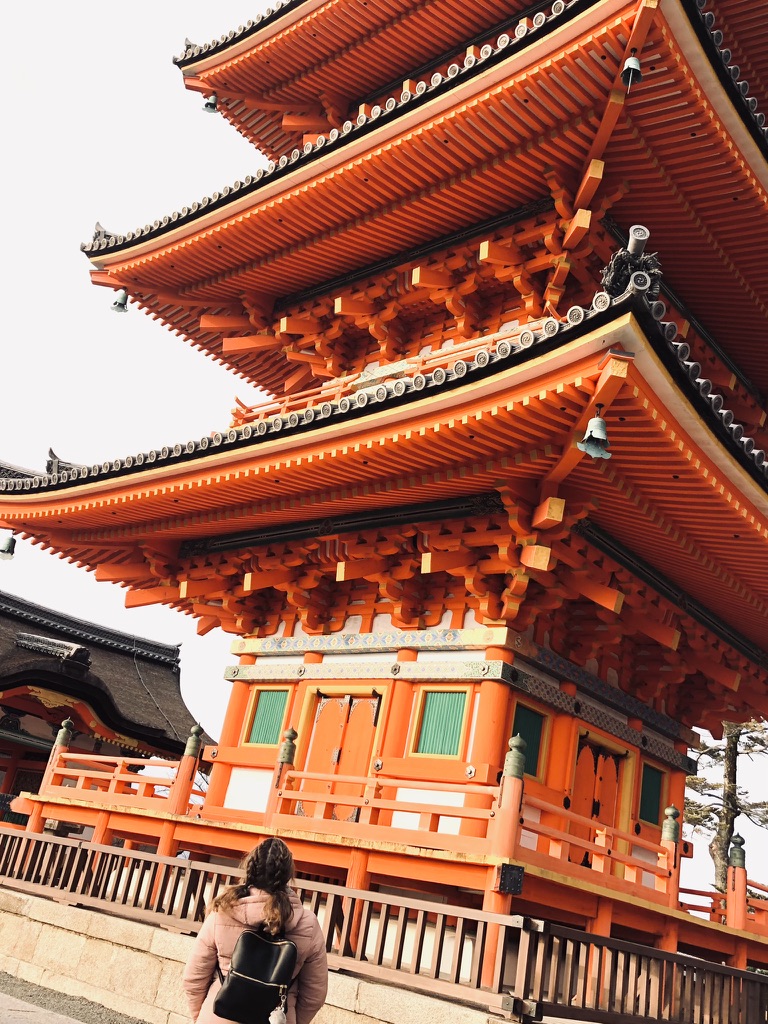
Kiyomizu-dera Temple
Kiyomizu-dera Temple is one of Kyoto’s most iconic landmarks. The temple is famous for its massive wooden stage that juts out over the hillside, offering spectacular views of the city and surrounding nature.
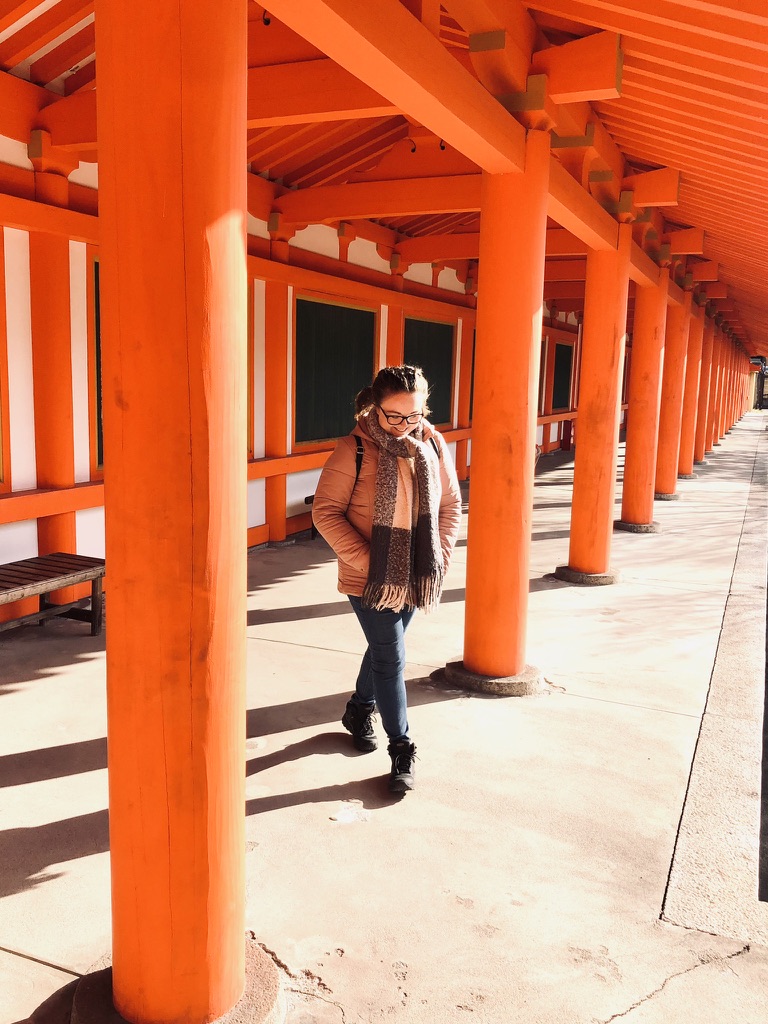
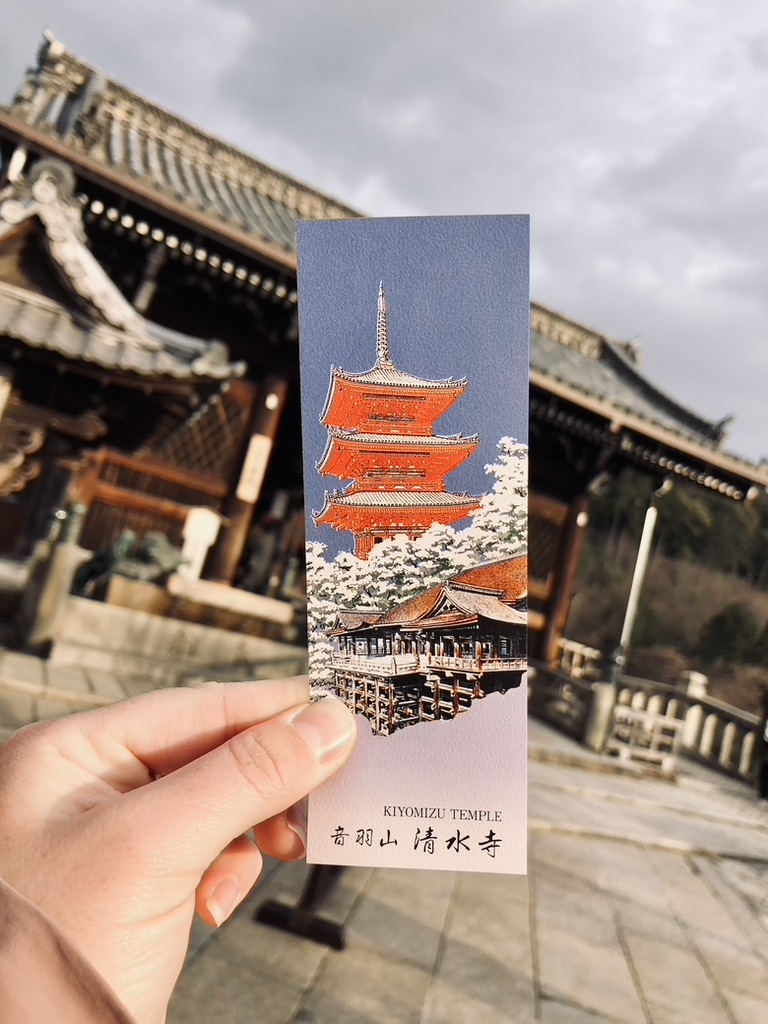
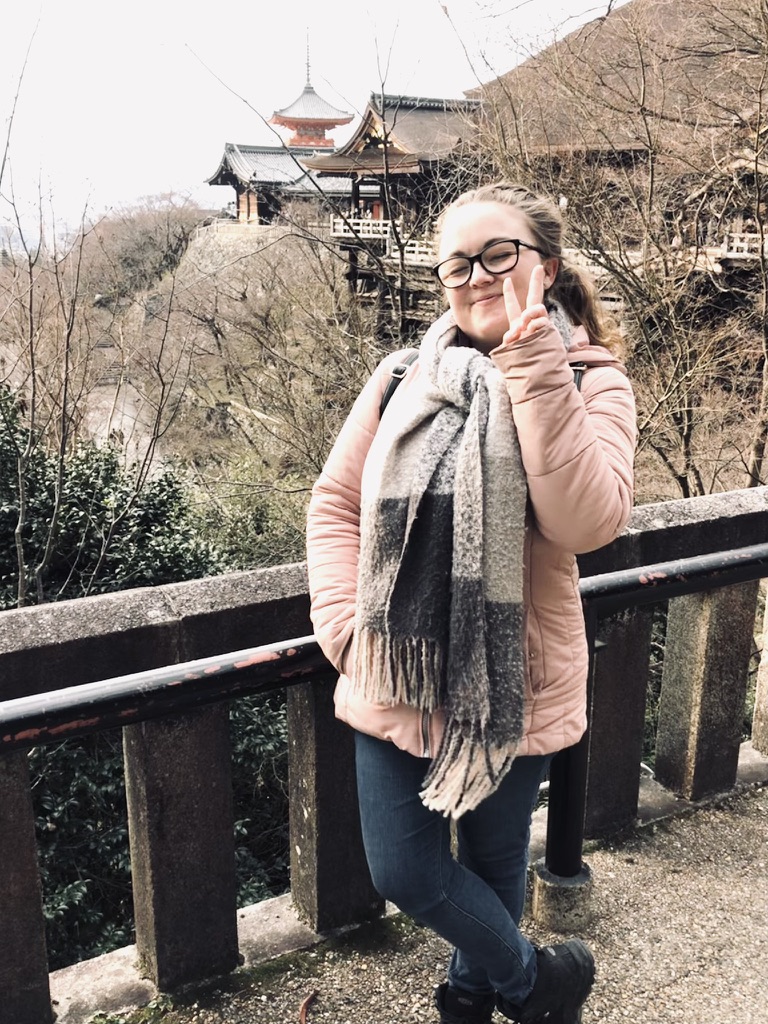
Higashiyama District
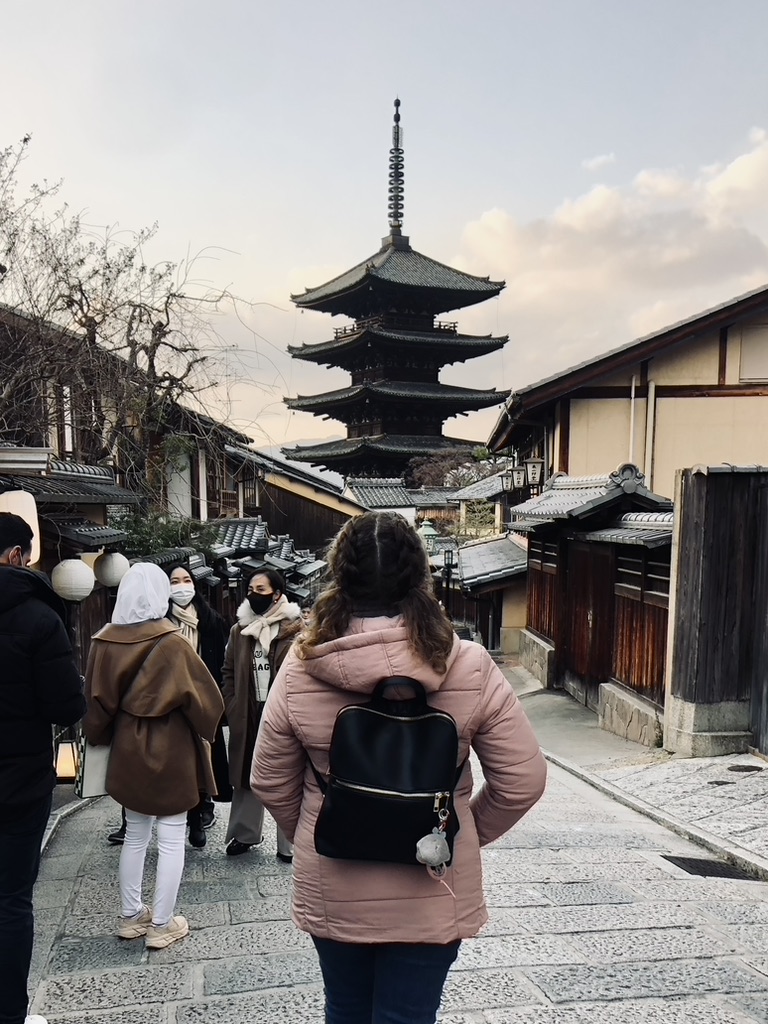
After visiting Kiyomizu-dera, take some time to explore the Higashiyama District, a true Japanese vibe full of narrow streets lined with traditional wooden houses, shops, and teahouses. This area is perfect for a leisurely stroll, offering glimpses of old Kyoto – even the Starbucks is themed to an old Japanese style! Don’t miss the beautiful Yasaka Pagoda, which is one of Kyoto’s most recognizable (and Instagrammable!) sights.
Yasaka-jinja Shrine
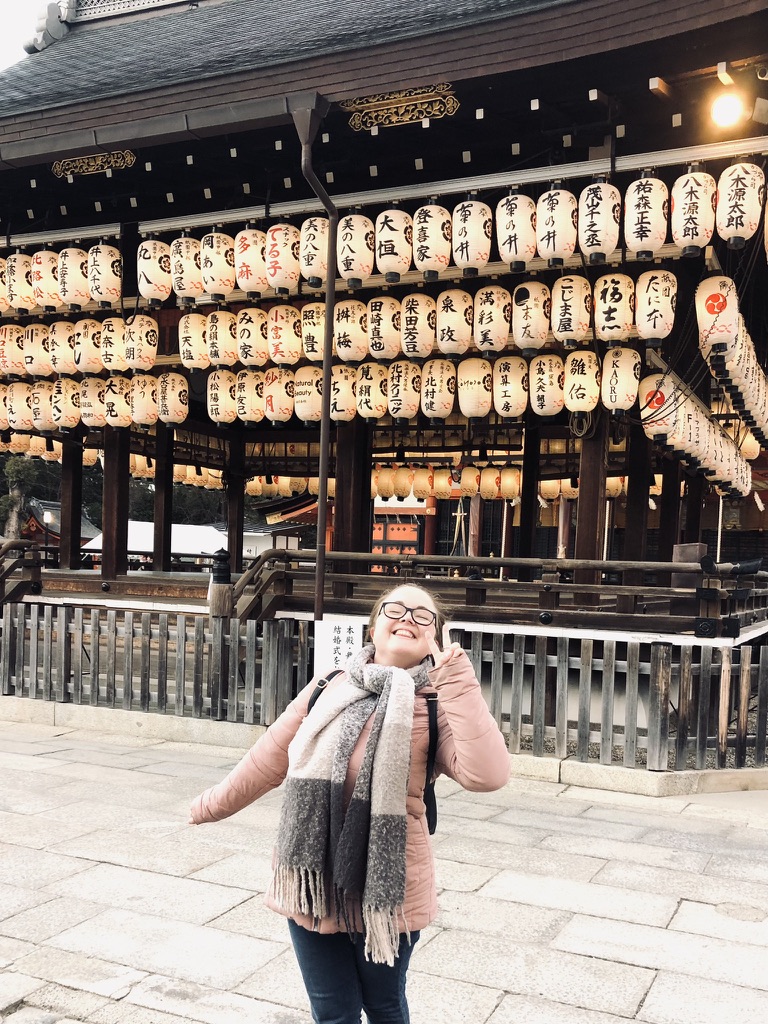
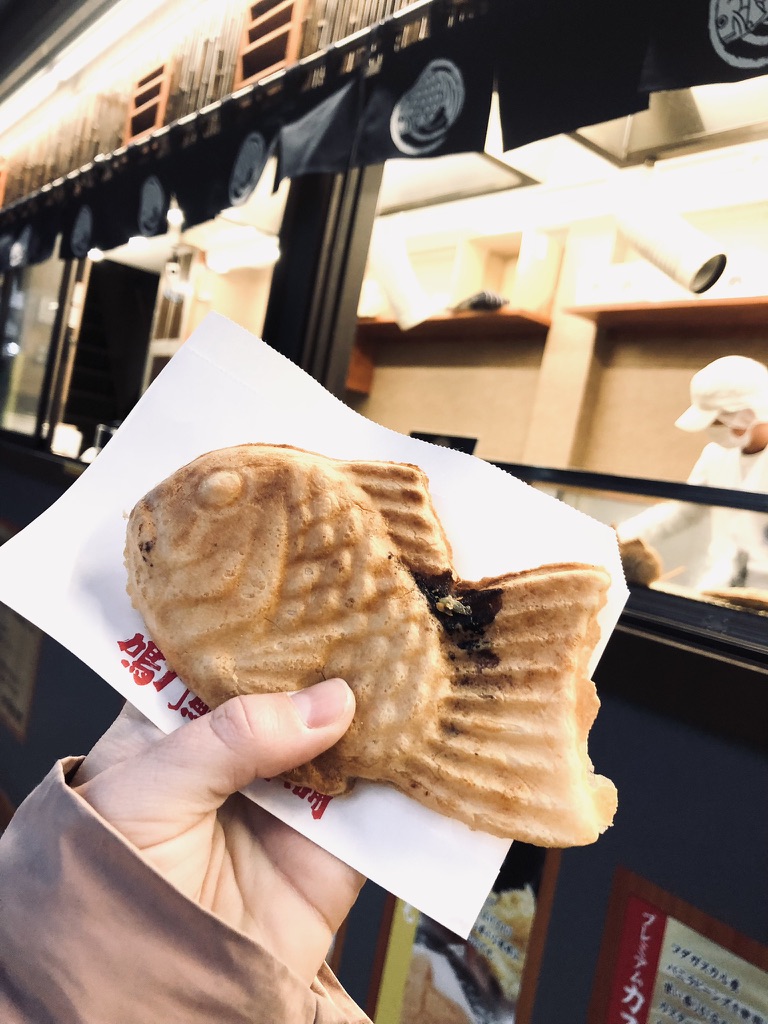
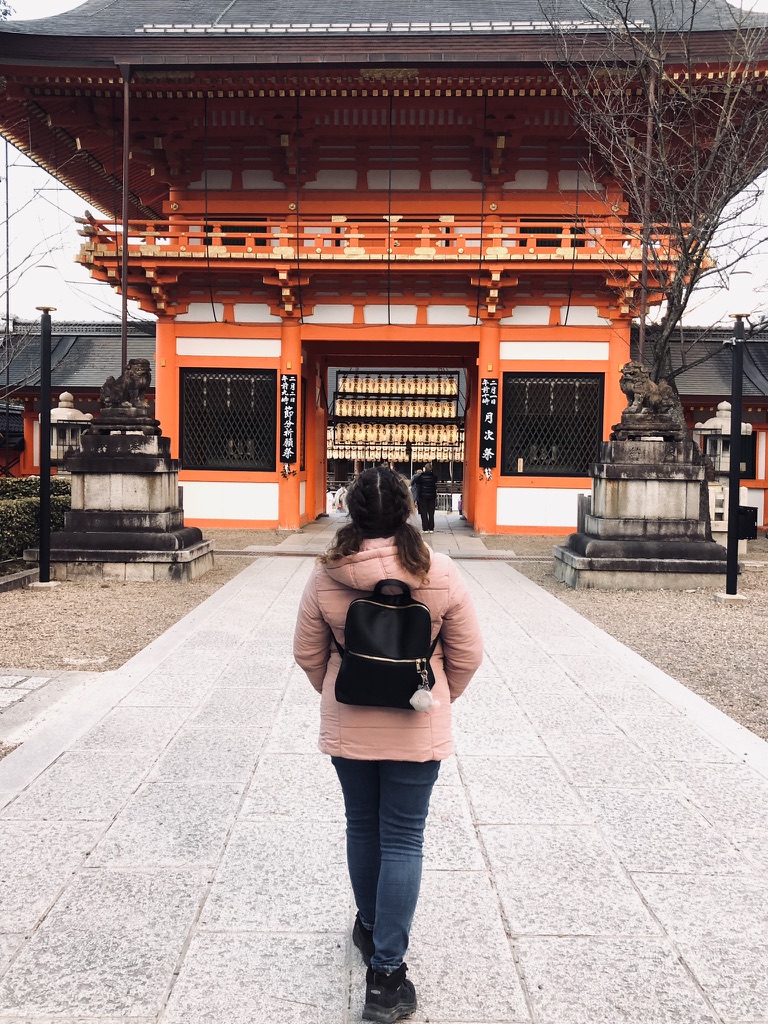
A short walk from the Higashiyama District, end the day at Yasaka-jinja Shrine, a peaceful spot. Be sure to walk through the iconic torii gate at the entrance and take a moment to admire the lanterns inside the grounds. On the way back to your hotel, be sure to hunt for some taiyaki on the main shopping street #obsessed #taiyakilover
Where to Stay in Kyoto
Whether you’re splurging or saving, Kyoto has accommodation options to suit every budget:
Accommodation Recommendations:
Luxury: Dormy Inn Premium Kyoto Ekimae Natural Hot Spring
Mid-Range: Ryokan Sanga
Budget: Ryokan Nakajimaya
Day 19: Kyoto
Fushimi Inari Taisha
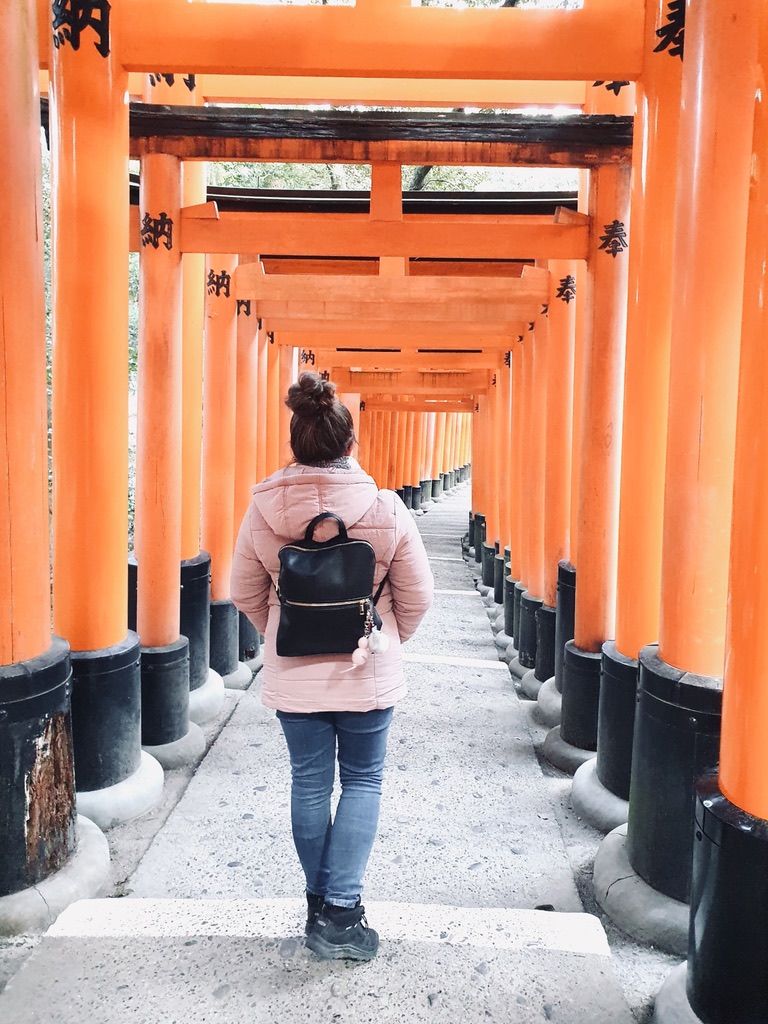
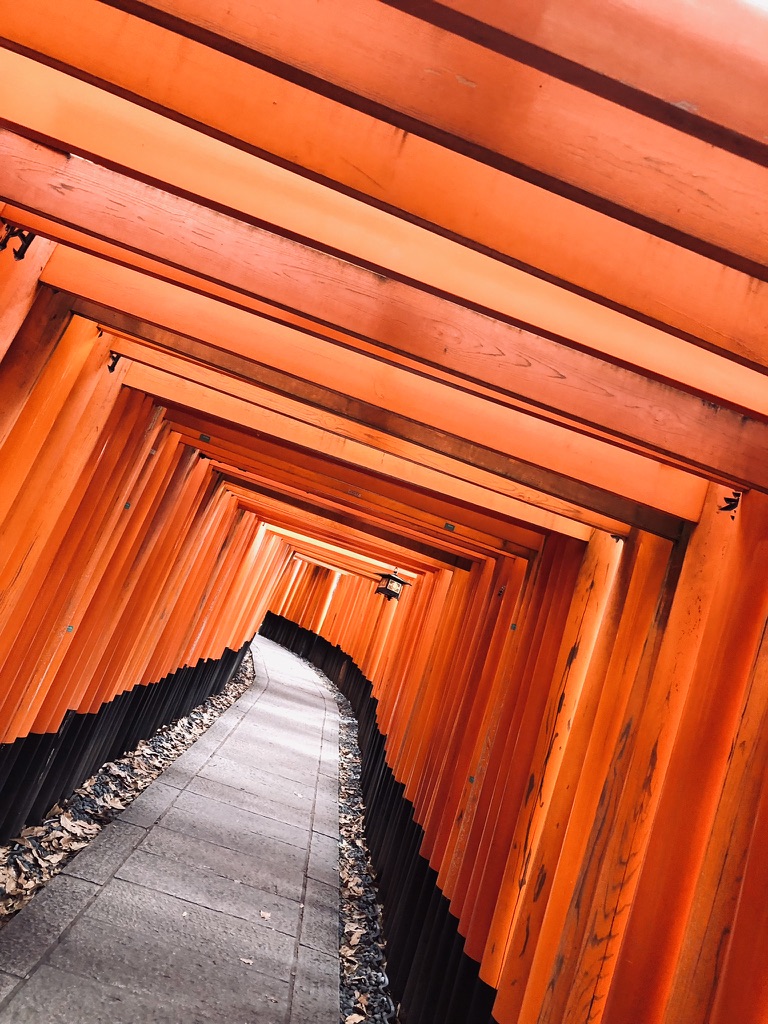
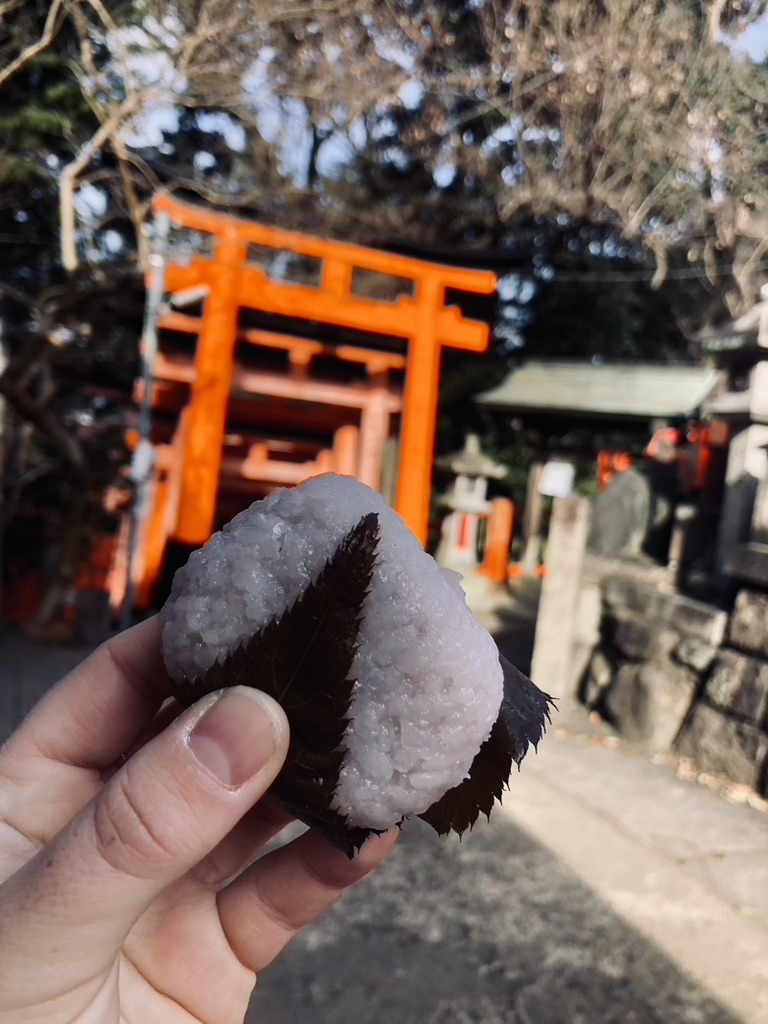
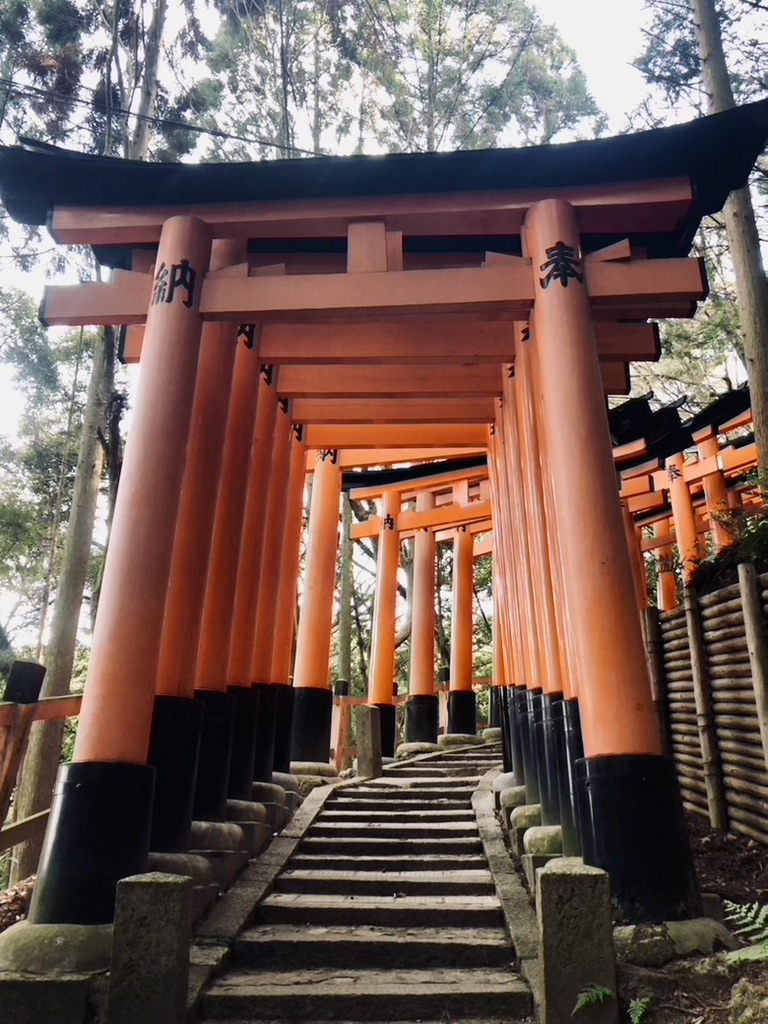
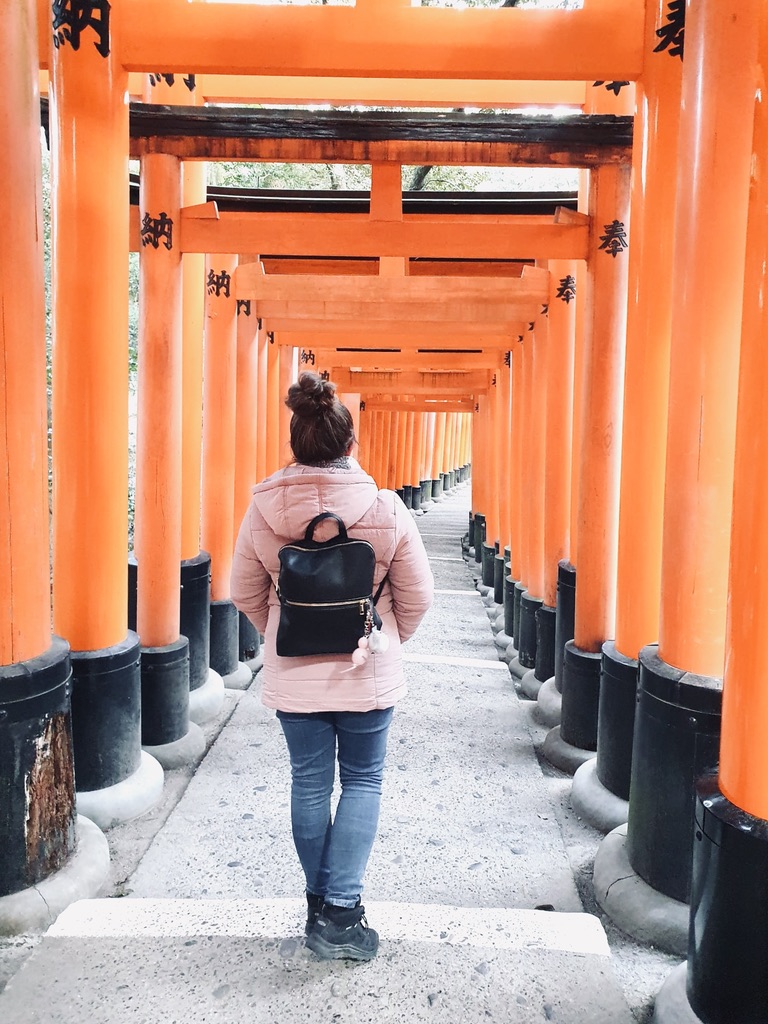
Today we visit one of the most famous and awe-inspiring sights in Kyoto, Fushimi Inari Taisha is known for its thousands of red torii gates that wind through the lush hillside. Walking through the gates is truly an unforgettable experience, and you can hike to the top for a beautiful view of the city – a great picnic spot. We were even treated to a small flurry of snow when we were at the top!
Kinkaku-ji Temple and
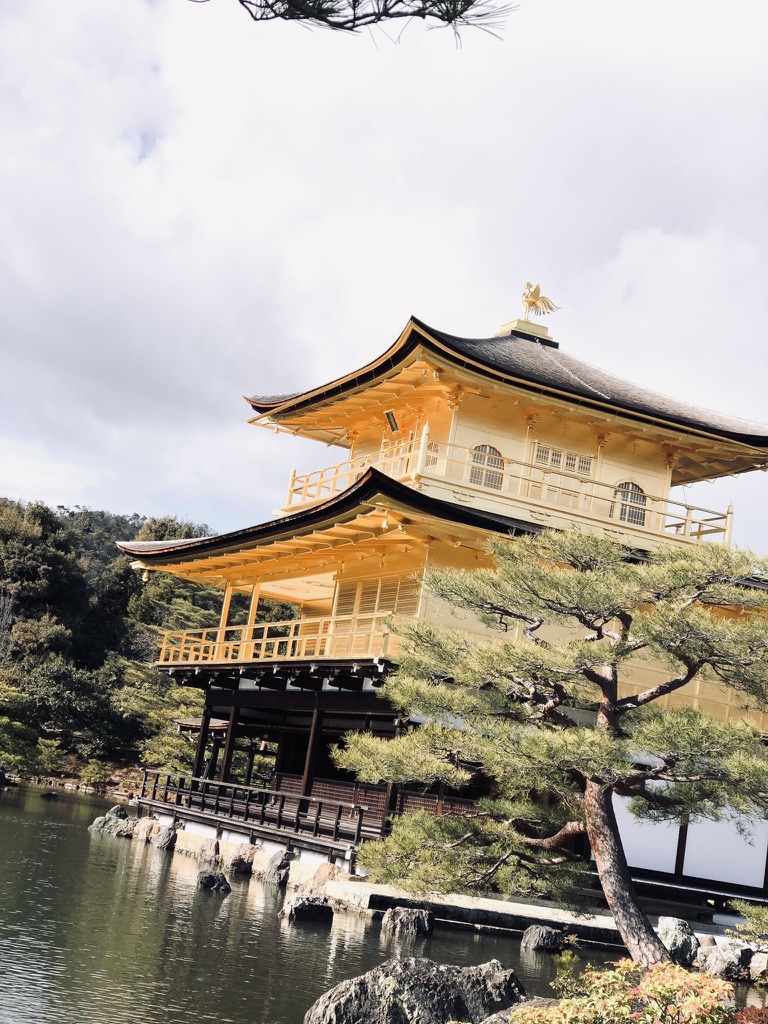
Kinkaku-ji, or the Golden Pavilion, is one of Kyoto’s most iconic landmarks. This Zen Buddhist temple is covered in gold leaf, creating a stunning contrast with the surrounding greenery and pond. The temple’s reflection on the water is a favorite photography spot, and the tranquil atmosphere makes it one of the highlights of any visit to Kyoto.
Ginkaku-ji Temple
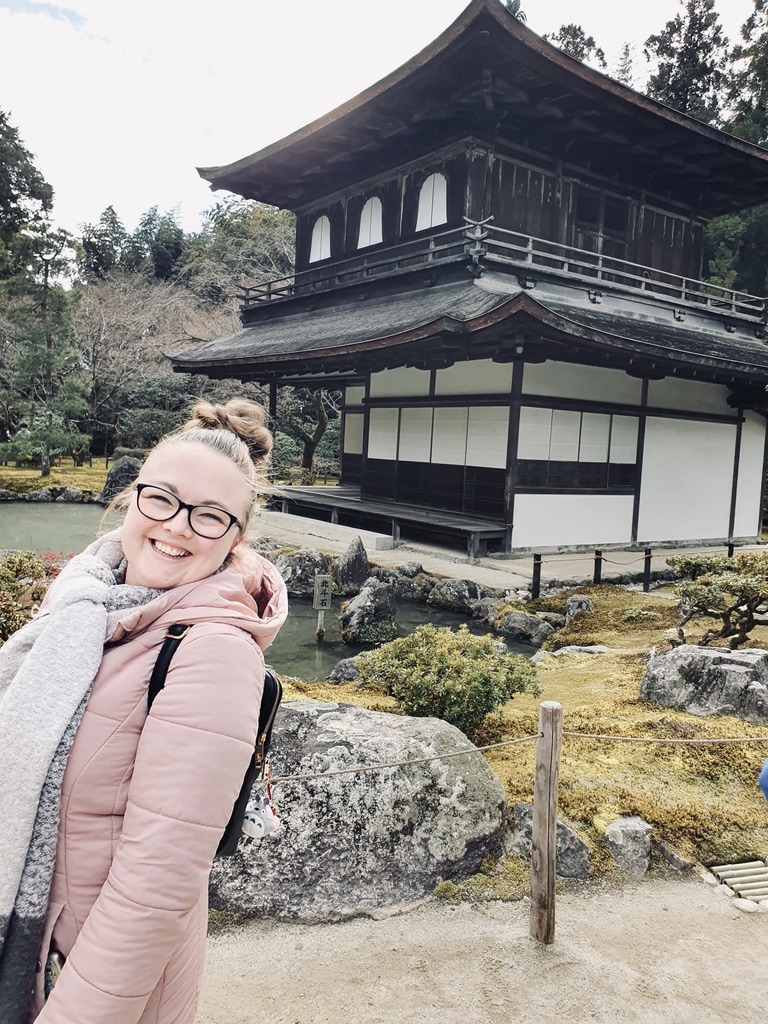
Ginkaku-ji, also known as the Silver Pavilion, is a beautiful Zen temple known for its understated elegance. Unlike Kinkaku-ji, the Silver Pavilion isn’t covered in silver, but it’s equally impressive in its simplicity. The surrounding gardens and moss-filled landscape make it a serene place to wander.
Day 20: Kyoto
Arashiyama Bamboo Grove and Arashiyama Park
On your final day in Kyoto, visit the famous Arashiyama Bamboo Grove. This enchanting bamboo forest feels like something out of a Totoro dream – tall, towering bamboo stalks line the pathways, creating a serene, almost otherworldly atmosphere. Be sure to get there as early as you can as it is quickly filled with tourists, even in the off season!
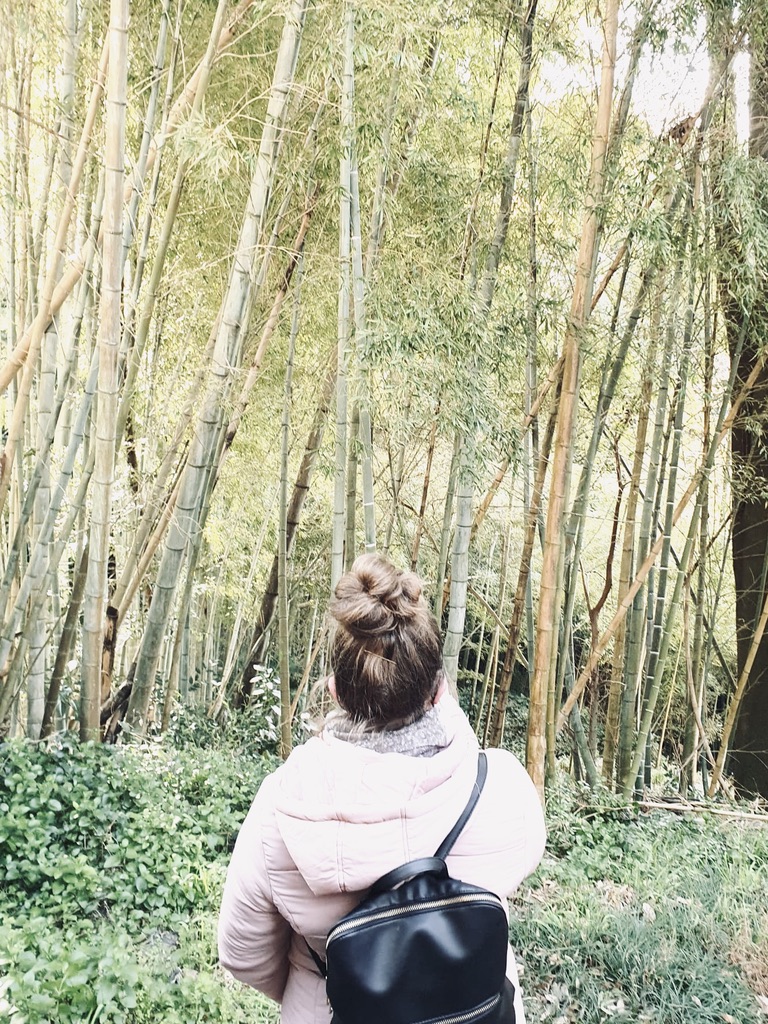
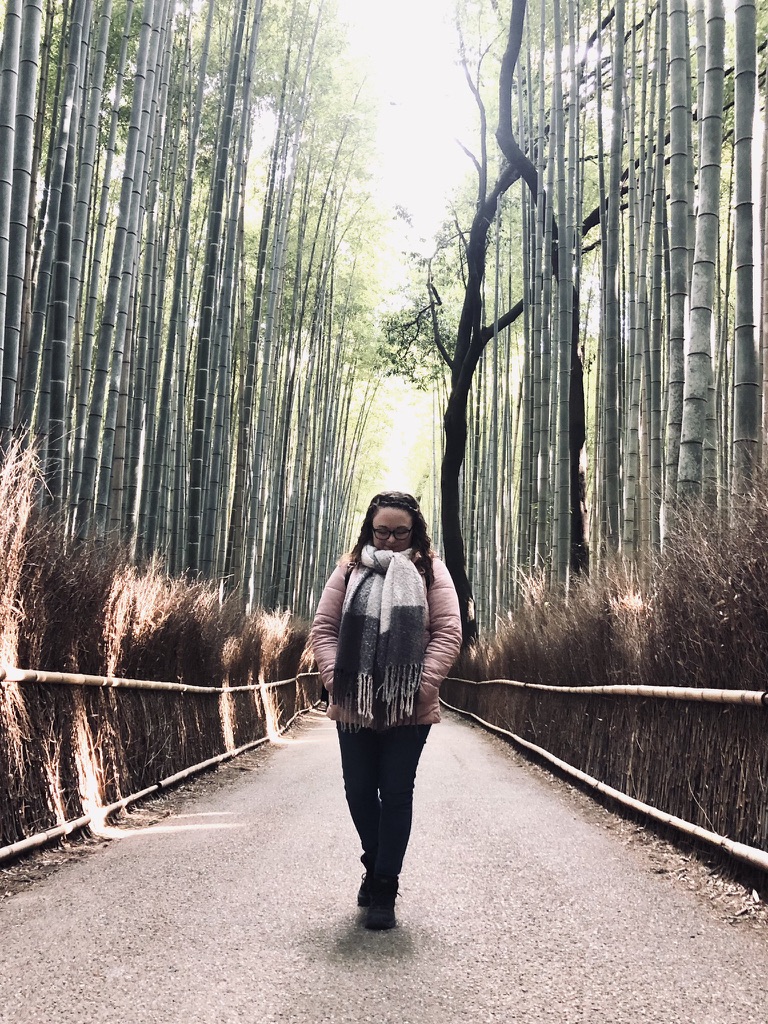
Just a short walk away is Arashiyama Park, which offers beautiful views of the surrounding mountains and the Katsura River. You can take a scenic boat ride down the river or explore the park’s walking trails. It’s a peaceful place to end your visit to Kyoto, with plenty of opportunities for relaxation and enjoying the natural beauty of the area.
If you only have time for a 3-week trip, most itineraries around the Japan mainland end here, as the last week of this itinerary will take us up to the northern island of Hokkaido.
Day 21: Kyoto – Yamagata (2 Nights)
On Day 21, take a Shinkansen from Kyoto to Yamagata (about 4-5 hours). Yamagata is a peaceful city located in the Tohoku region, known for its hot springs, ski resorts, and beautiful historical sites. It’s the perfect destination for a more off-the-beaten-path experience in Japan.
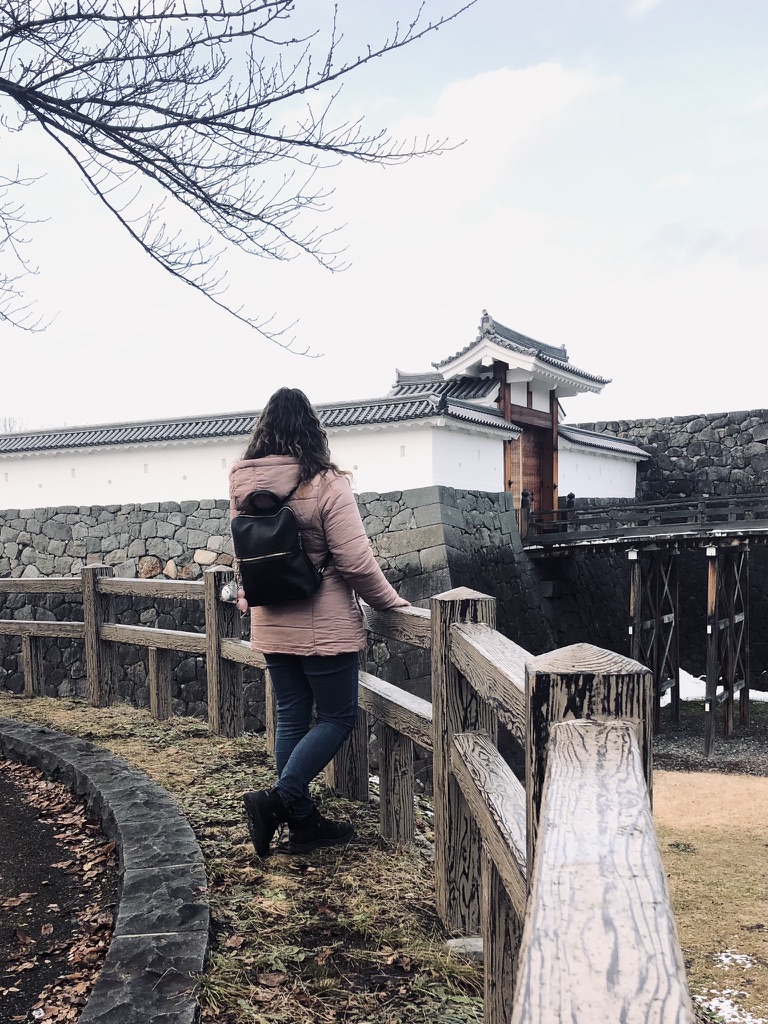
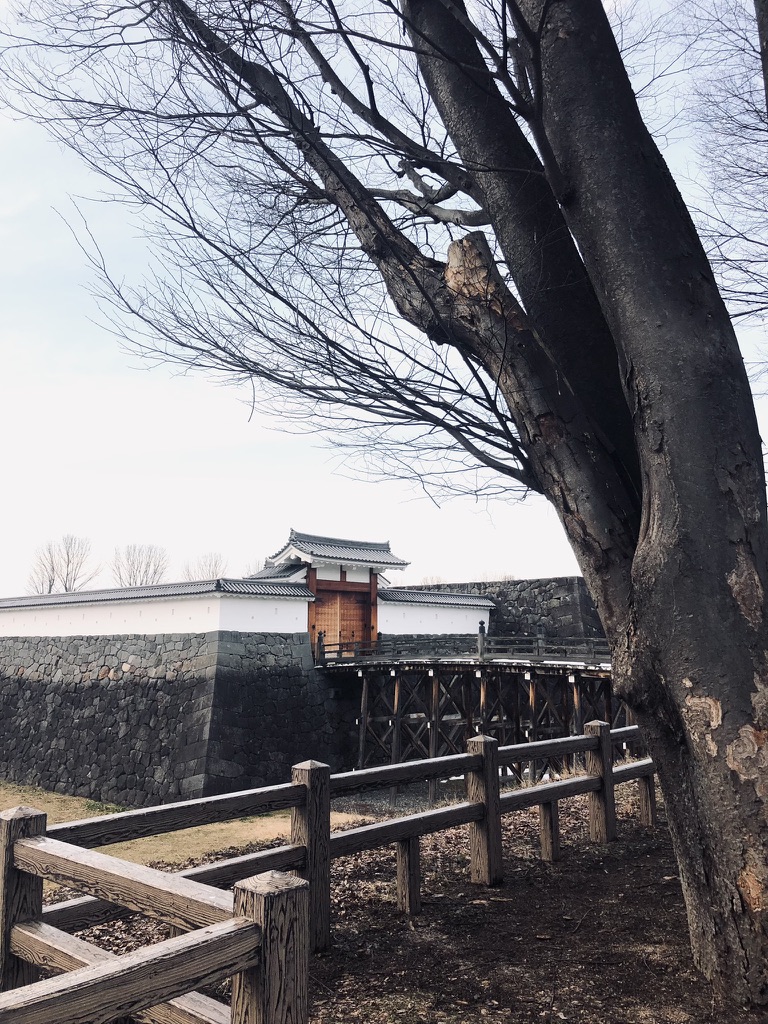
Yamagata Castle Ruins
After arriving in Yamagata, take time to explore the Yamagata Castle Ruins. While the castle itself no longer stands, the site offers a glimpse into Japan’s past, with remnants of the original walls, gates, and the lovely park that surrounds the ruins. It’s a great spot to enjoy some quiet time and stretch your legs after a long day of travel.
Where to Stay in Yamagata
Accommodation Recommendations (by price range):
Luxury: Daiwa Roynet Hotel Yamagata Ekimae
Mid-Range: Yamagata Kokusai Hotel
Budget: Hotel Route-Inn Yamagata Ekimae
Day 22: Yamagata
Zao Onsen
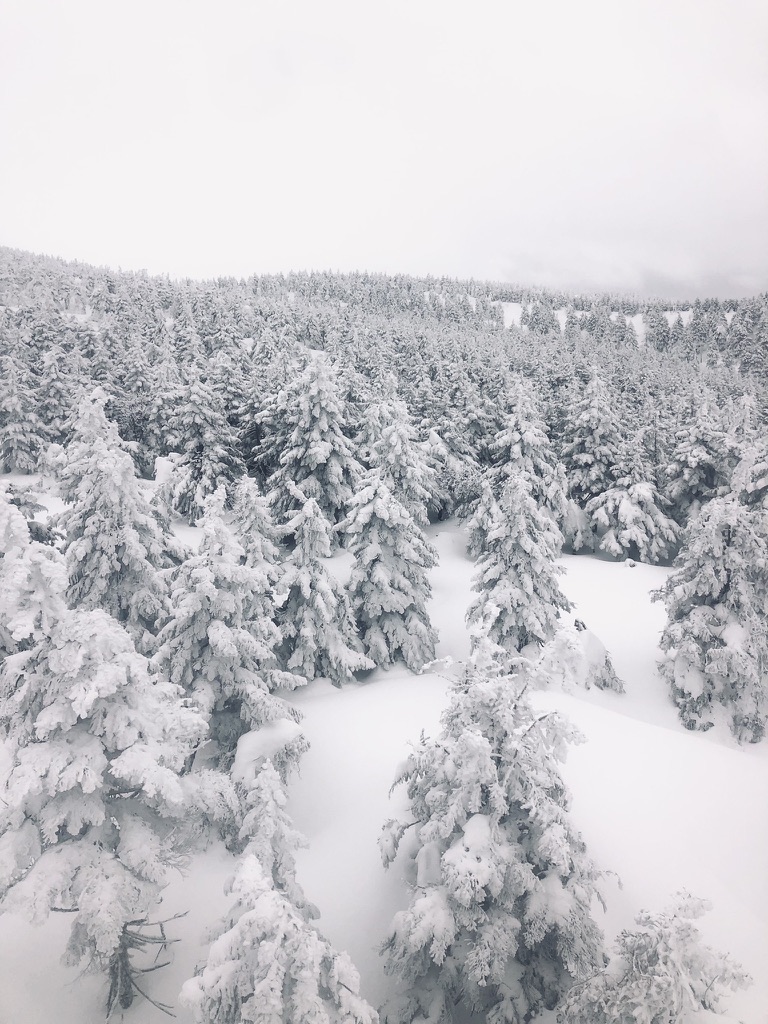
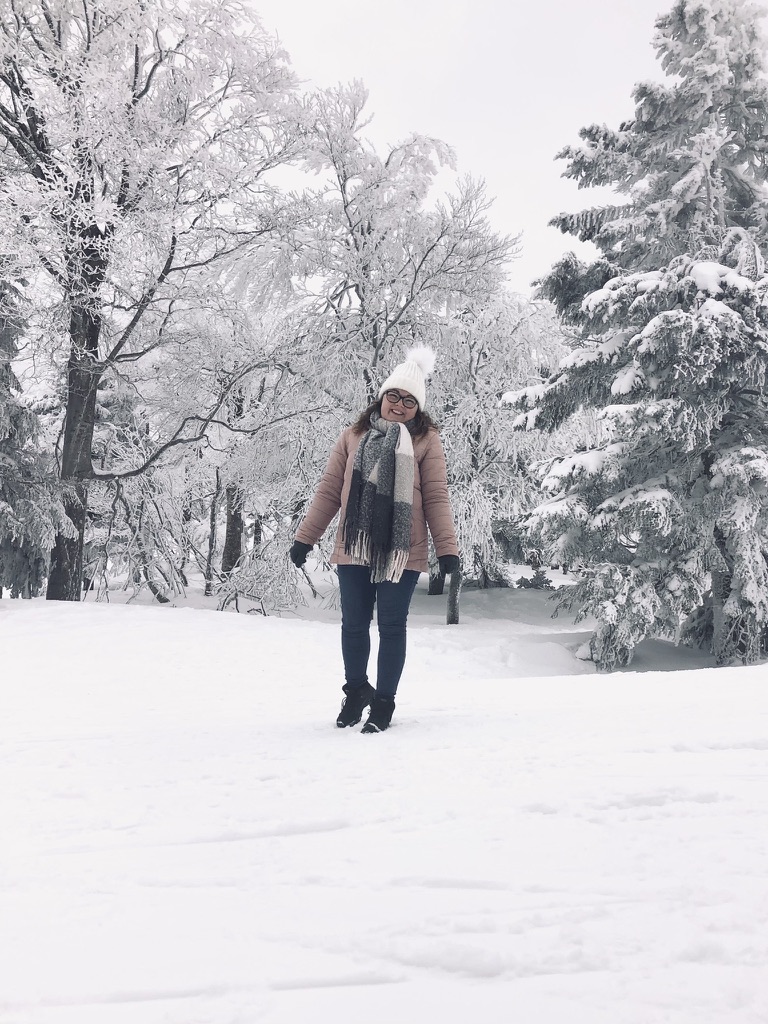
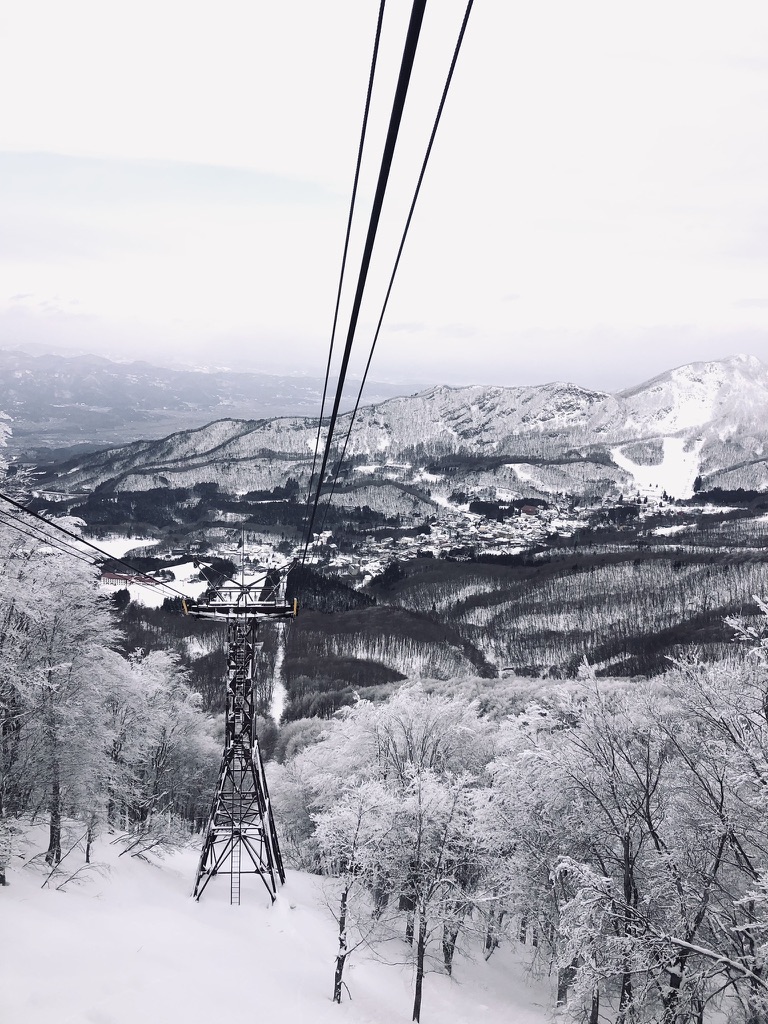
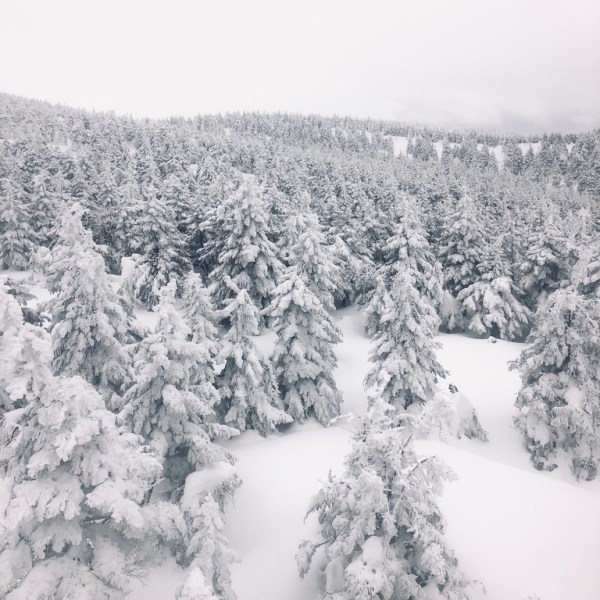
No trip to Yamagata is complete without a visit to Zao Onsen, one of the most famous hot spring resorts in Japan. Located in the Zao mountain range, this ski resort is famous for the snow-monster-like trees. Take the cable car up to the top of the mountain for a true winter wonderland experience.
Yamadera Temple
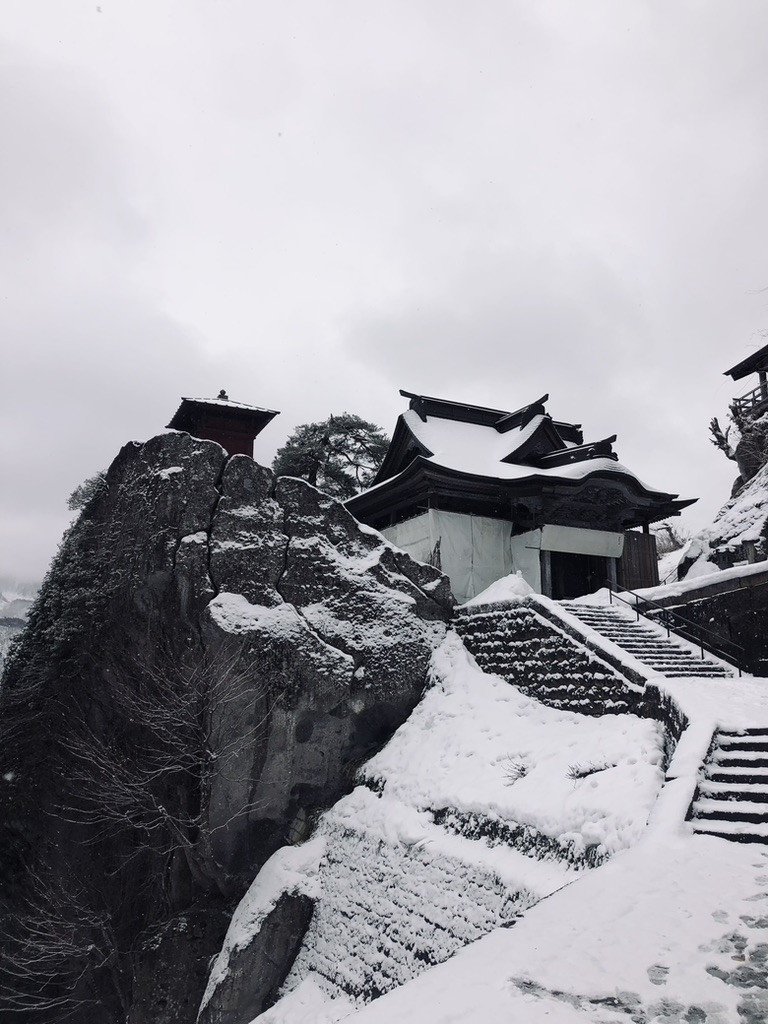
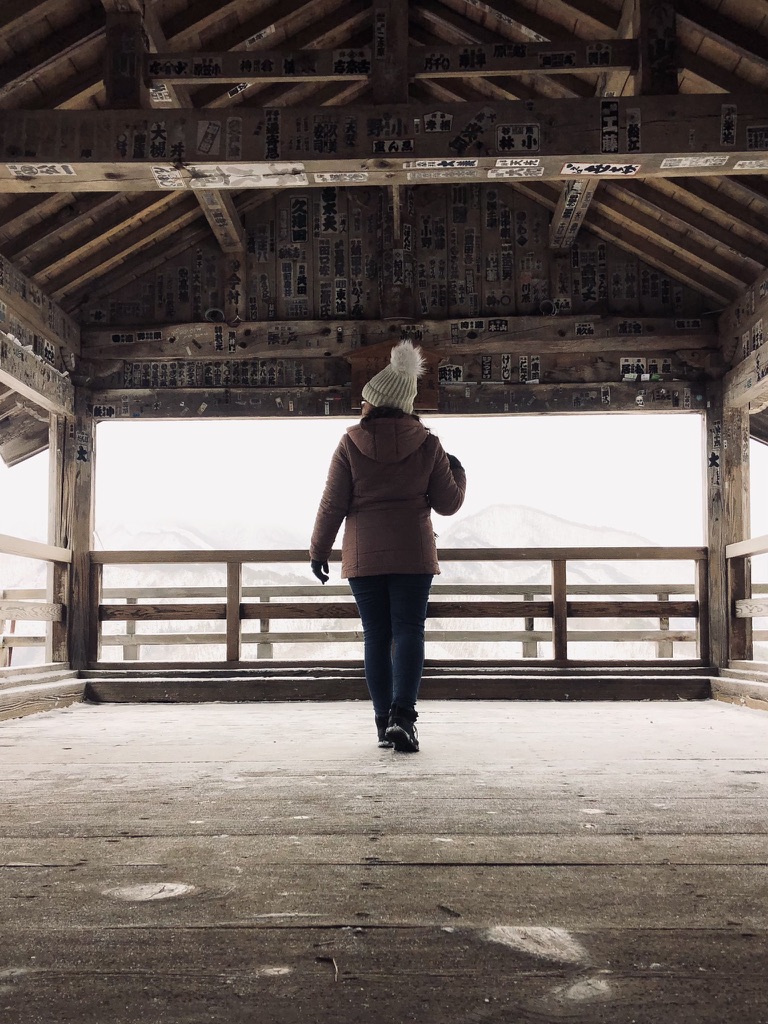
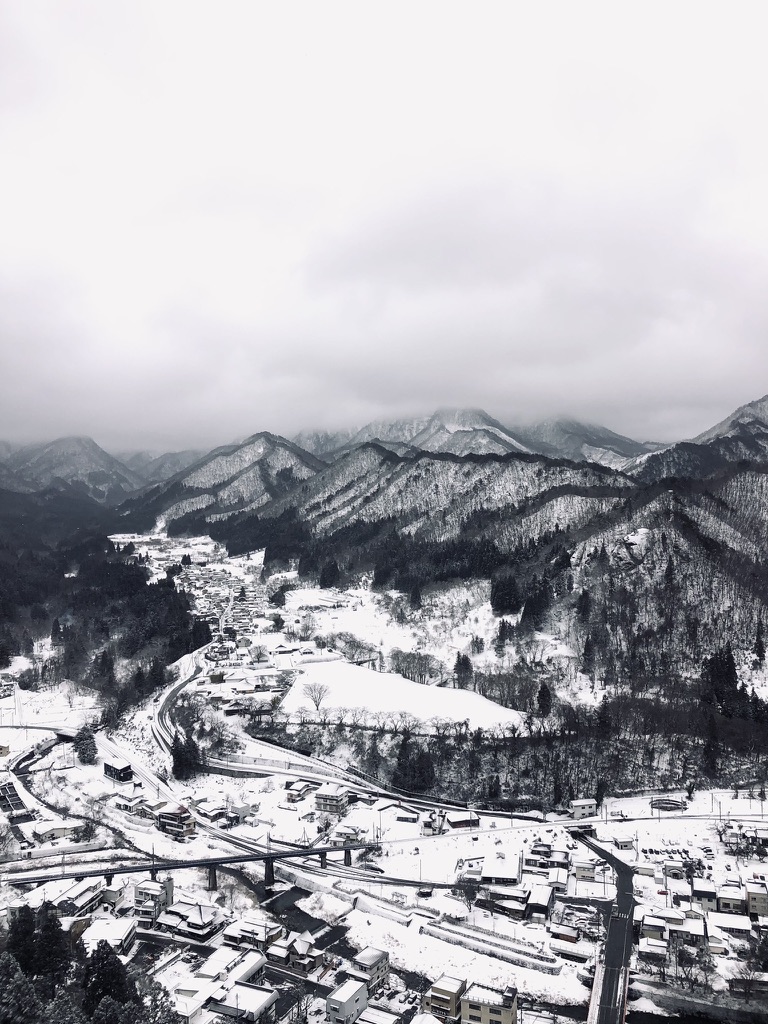
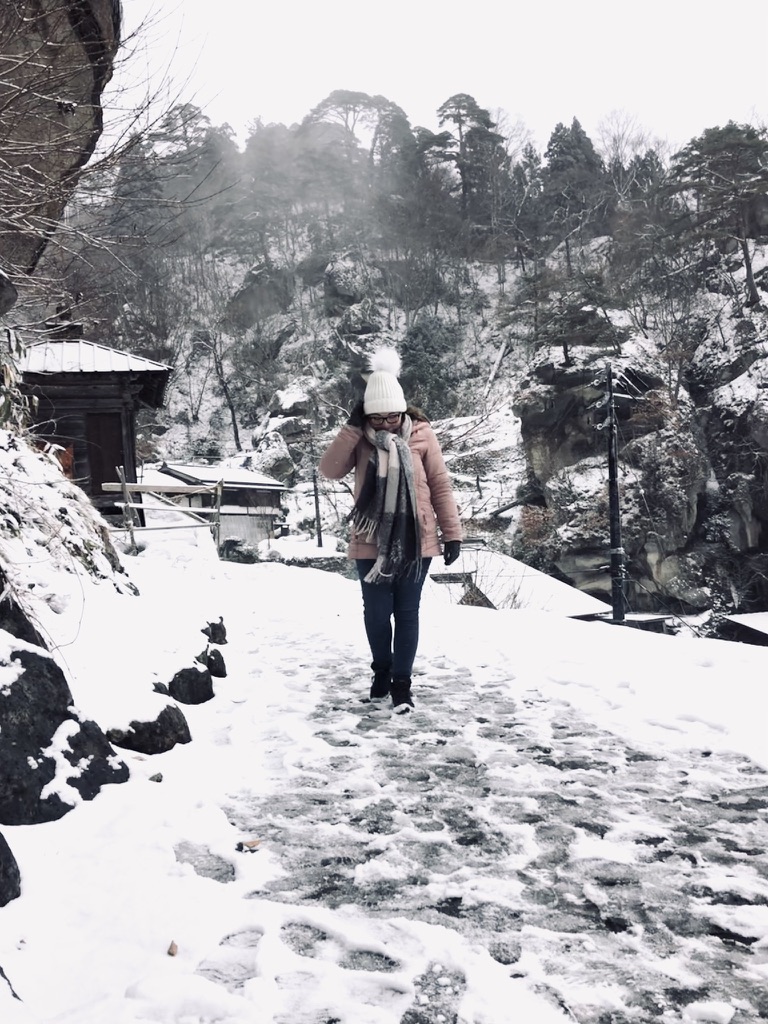
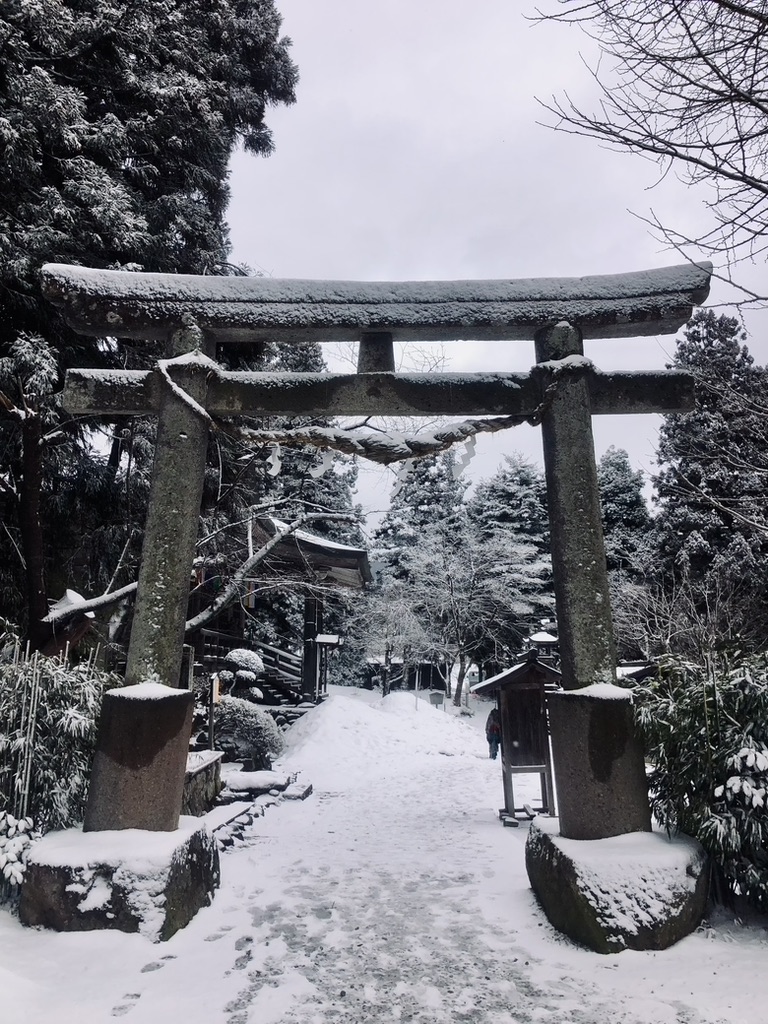
A short trip from Yamagata city, Yamadera Temple is also a must-see. This Buddhist temple is perched on a mountainside and is known for its breathtaking views of the valley below. The hike up to the temple is steep and very slippery due to the ice but it’s worth every step. The main hall of the temple offers panoramic views of the surrounding countryside, a magical snowy panorama in the winter time.
Day 23: Yamagata – Sapporo (1 Night)
On Day 23, hop on a Shinkansen to Sapporo located in Japan’s northernmost island of Hokkaido. This is long journey but with beautiful views along the way and the bullet train journey even takes you under the sea as you cross from the mainland to the northern island. Check out my 1-Week Guide to Hokkaido here!
Underground Shopping
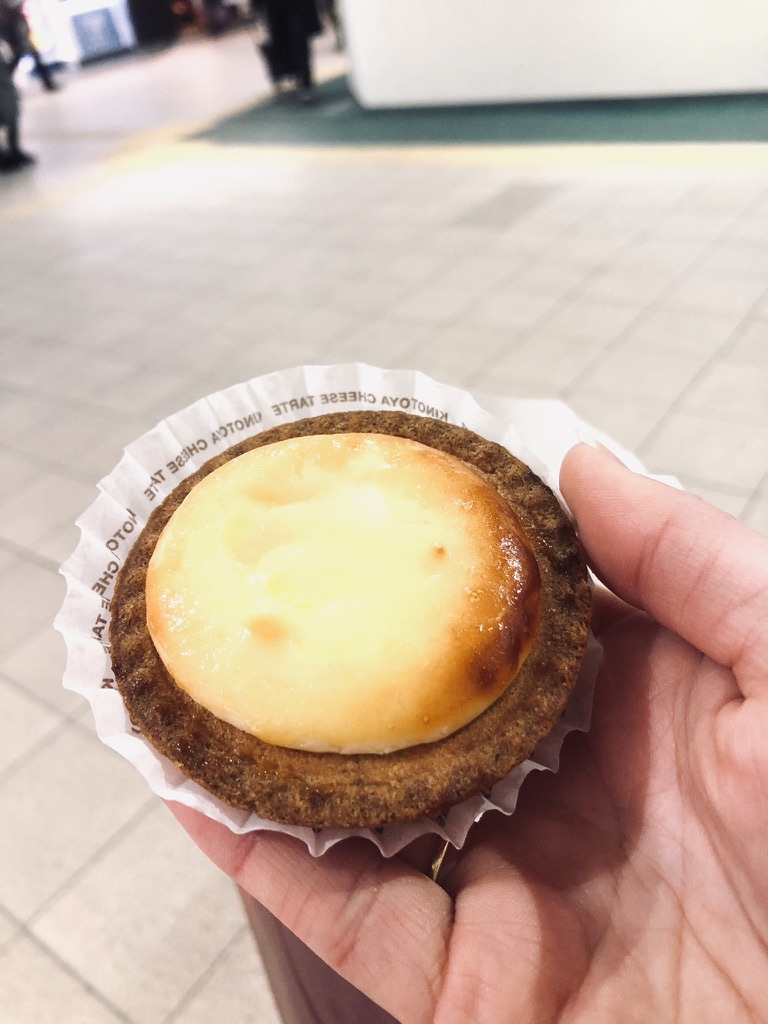
You’ll arrive in Sapporo in the evening, so catch some dinner (and a delicious cheese tart!) in Sapporo’s underground shopping arcades. The Sapporo Underground Shopping Mall (Chikaho) offers a wide variety of shops and cafes. It’s the perfect place to pick up souvenirs or spend some time wandering through the maze of stores while staying warm. Walking the streets in Sapporo at night was probably the coldest I’d ever been in my life – my phone even shut down from the cold so be sure to wear your warmest clothing!
Where to Stay in Sapporo
Accommodation Recommendations:
Luxury: Tmark City Hotel Sapporo Odori
Mid-Range: Travelodge Sapporo Susukino
Budget: JR Inn Sapporo
Day 24: Sapporo – Asahikawa (2 Nights)
Explore Sapporo
I was originally going to head to Asahikawa in the morning, but due to heavy snow the trains were down so I ended up spending the day in Sapporo. Start the day with a visit to Odori Park, the city’s central park, which is especially beautiful during the Sapporo Snow Festival. If you can time your visit to aline with the festival, it would be an incredible event to experience – I was there while they were setting up for the festival and the snow sculptures looked insane!
While exploring the city, don’t miss the Sapporo TV Tower offering panoramic views of the city. Another popular stop is Sapporo Clock Tower, one of the oldest and most famous buildings in the city.
Moiwayama
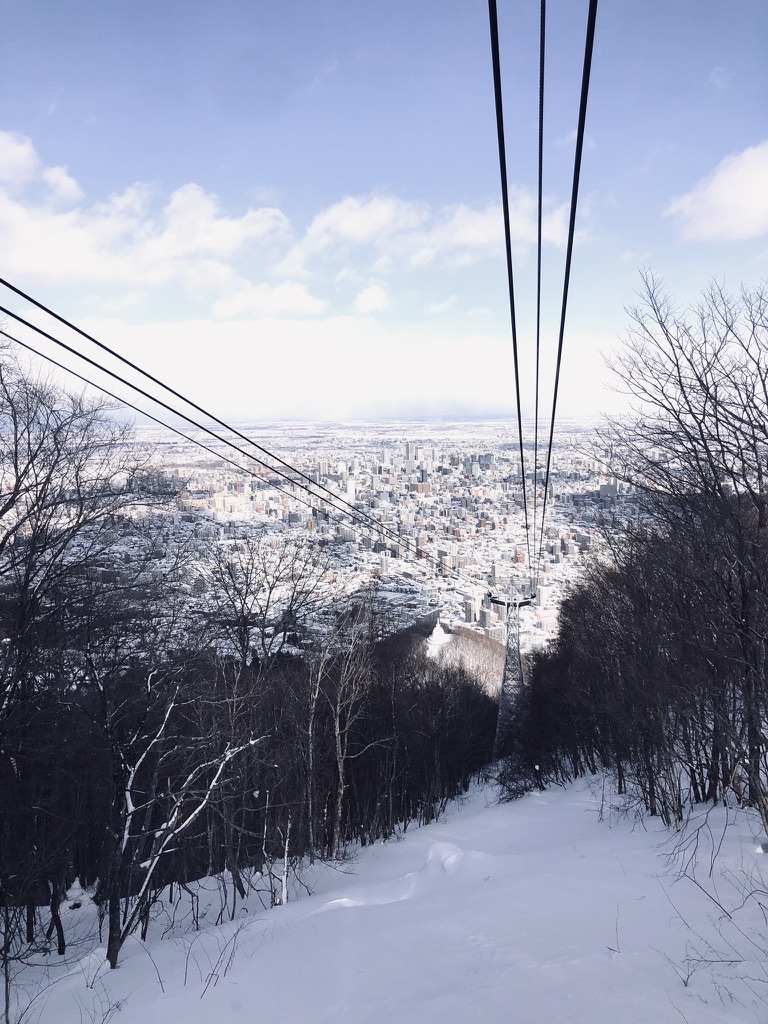
Take a trip up to Moiwayama (Mount Moiwa), a popular spot for scenic views of Sapporo. You can reach the top via a ropeway – once at the top, the view of the city and surrounding mountains is absolutely breathtaking.
Fushimi Inari-jinja Shrine
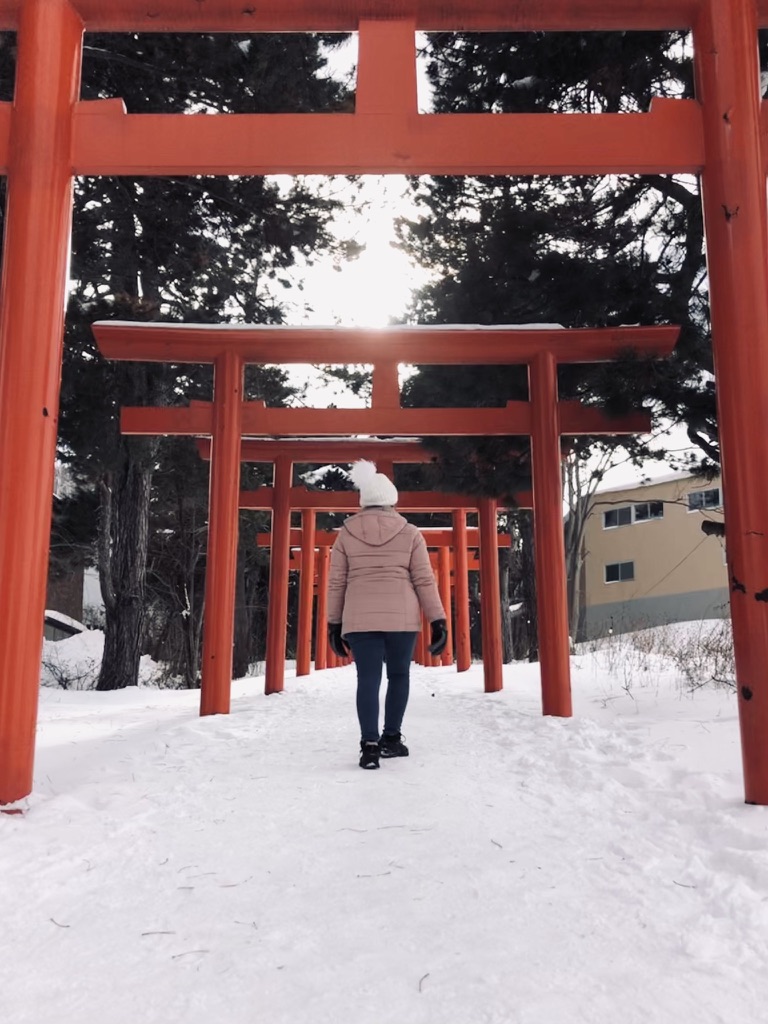
The Fushimi Inari-jinja Shrine in Sapporo offers a similar experience to its more famous counterpart in Kyoto. The shrine is surrounded by thousands of vibrant red torii gates, in a blanket of snow in the winter. It’s a serene and less crowded place to explore while in Sapporo.
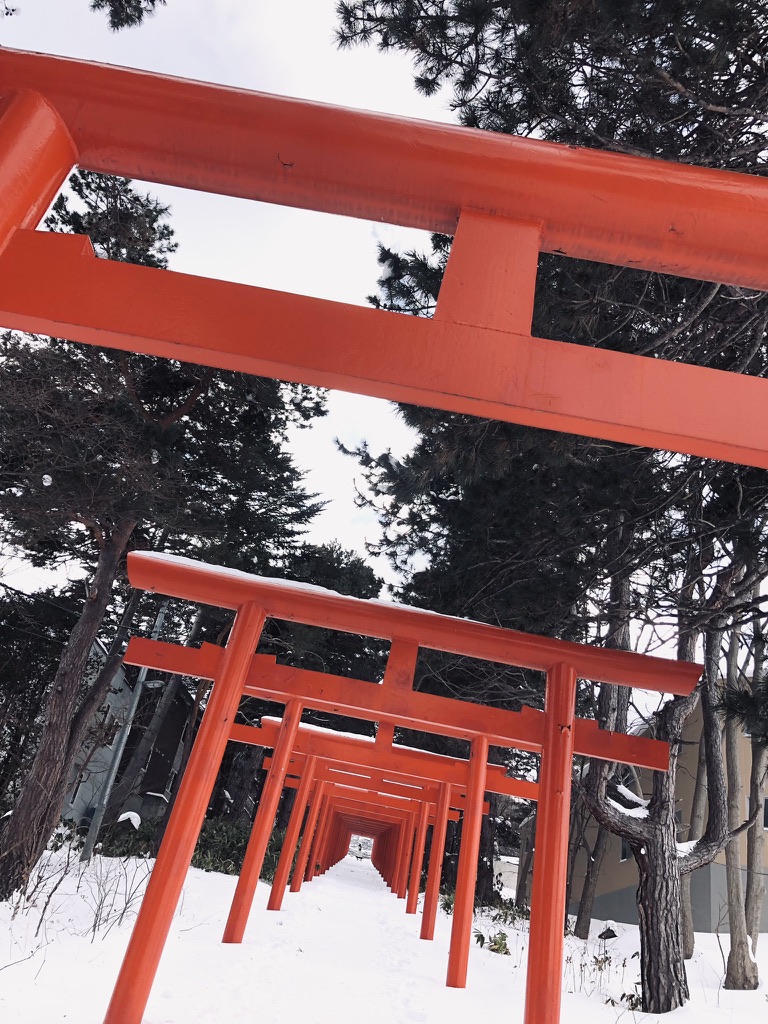
In the evening the train lines had cleared up so I was able to travel to Asahikawa (about 1.5 hours by train) ready for some more wintery adventures over the next few days.
Where to Stay in Asahikawa
Accommodation Recommendations:
Luxury: OMO7 Asahikawa by Hoshino Resorts
Mid-Range: Dormy Inn Asahikawa
Budget: JR Inn Asahikawa
Day 25: Asahikawa
Furano & Ningle Terrace
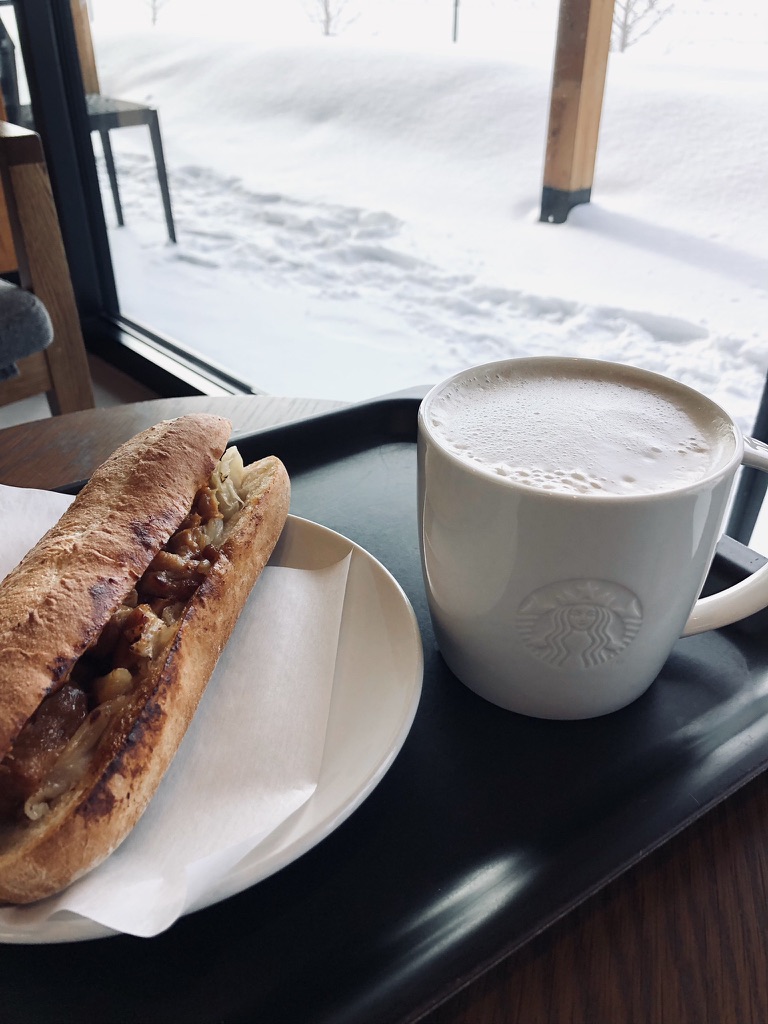
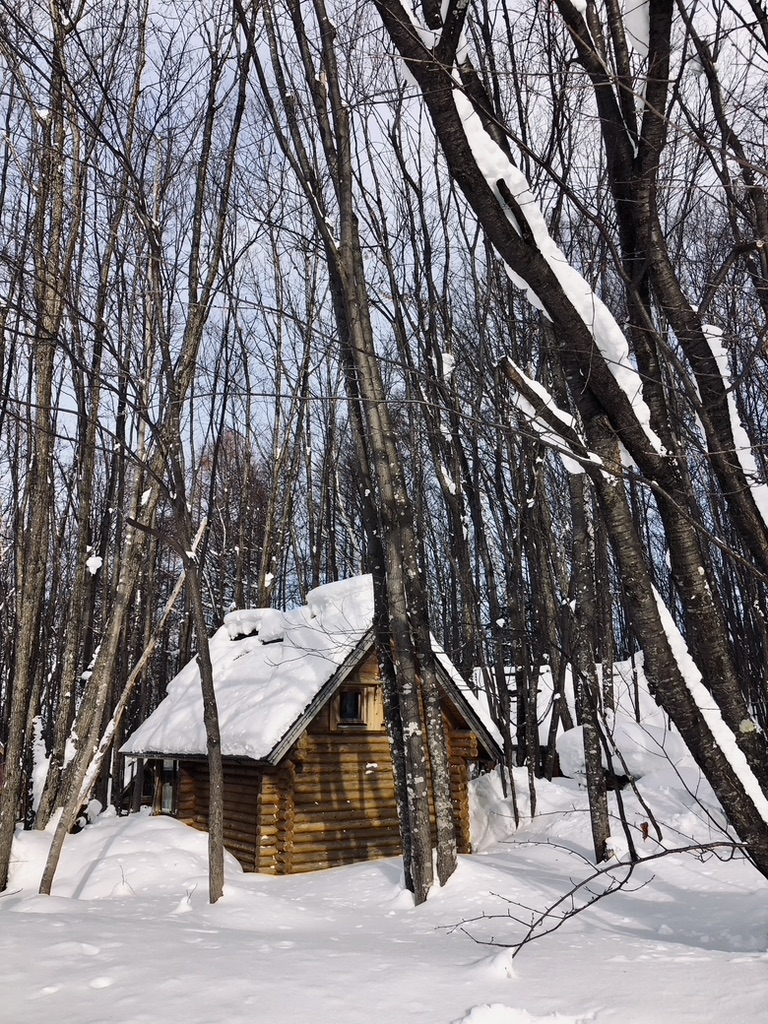
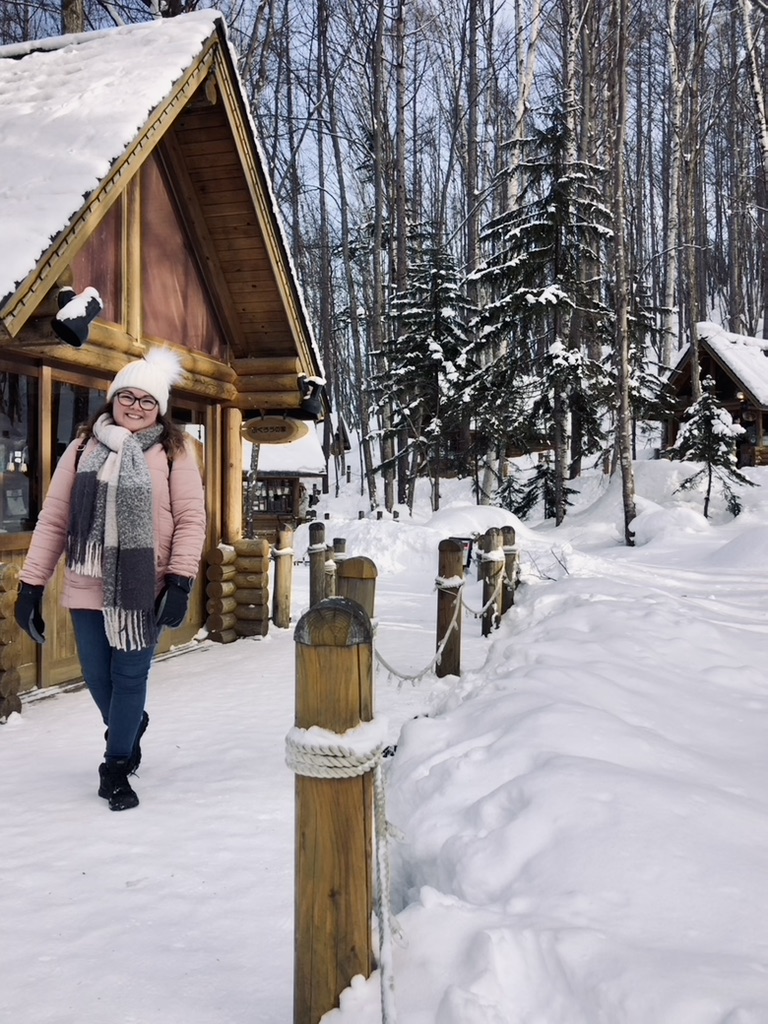
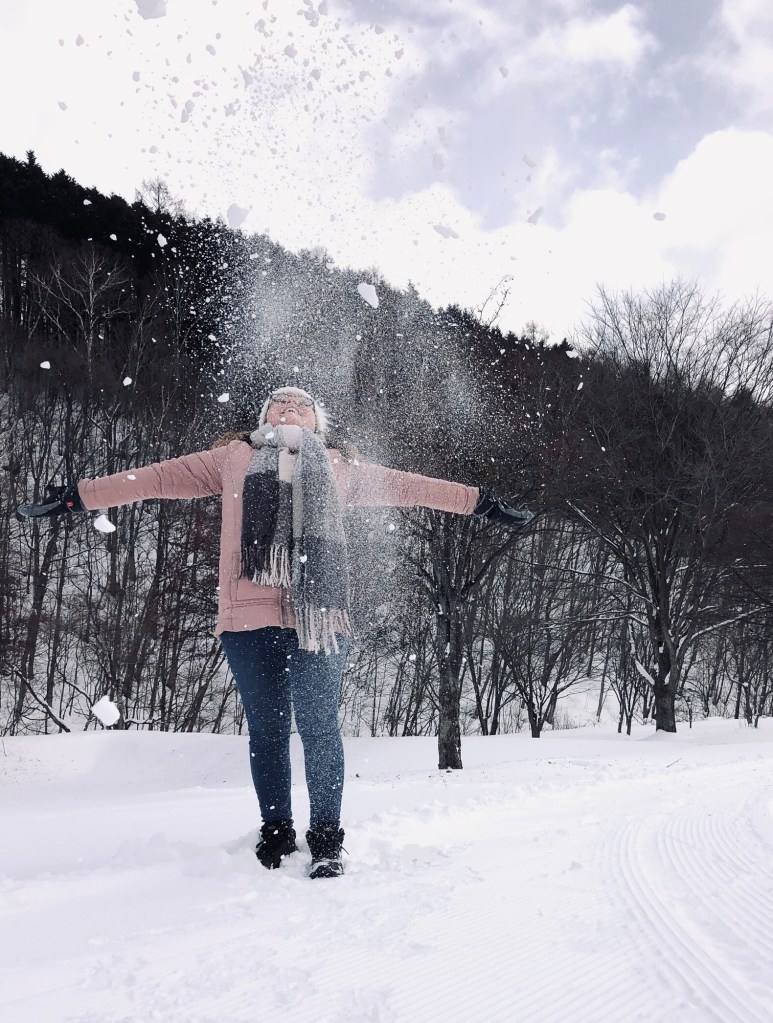
Today started with a relaxed morning at a Starbucks, where I enjoyed my breakfast (a chai latte and a teriyaki chicken sandwich lol!) while gazing out at the stunning snowy landscape. The main event of the day was exploring Furano, a charming town known for its beautiful flower fields in the summer and picturesque winter landscapes. I took a train to Furano, and then hopped on a bus up to Furano Ski Resort, where I found the enchanting Ningle Terrace. This adorable winter village is composed of small, cozy cottages that sell local crafts, handmade goods, and traditional items. It was like stepping into a fairytale! The festive lights and serene snowy surroundings made it the perfect place to explore on a chilly winter day.
You can also take this trip to Asahikawa and Furano as a guided day tour from Sapporo.
Day 26: Asahikawa – Sapporo (5 Nights)
After a few days in the snowy landscapes of Asahikawa and Furano, take the train back to Sapporo (about 1.5 hours), where you’ll have your last few days to immerse yourself in this dynamic city full of food, culture, and, of course, more snow!
Otaru
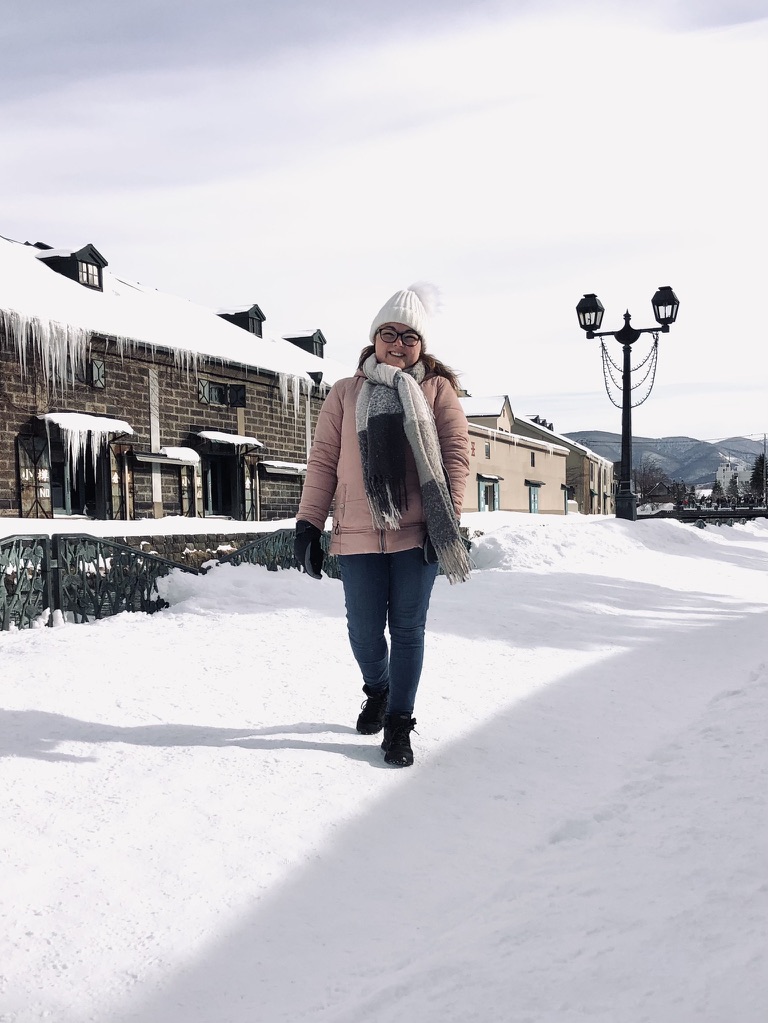
After dropping your bags at your hotel in Sapporo, head onwards to Otaru, a charming port city just north of Sapporo. Otaru is famous for its historical canal, lined with old warehouses, and its glassworks, music boxes, and fresh seafood. The city has a nostalgic atmosphere, and walking along the canal with the icicles hanging from the roof and snow gently falling adds a magical touch.

Day 27: Jozankei Onsen
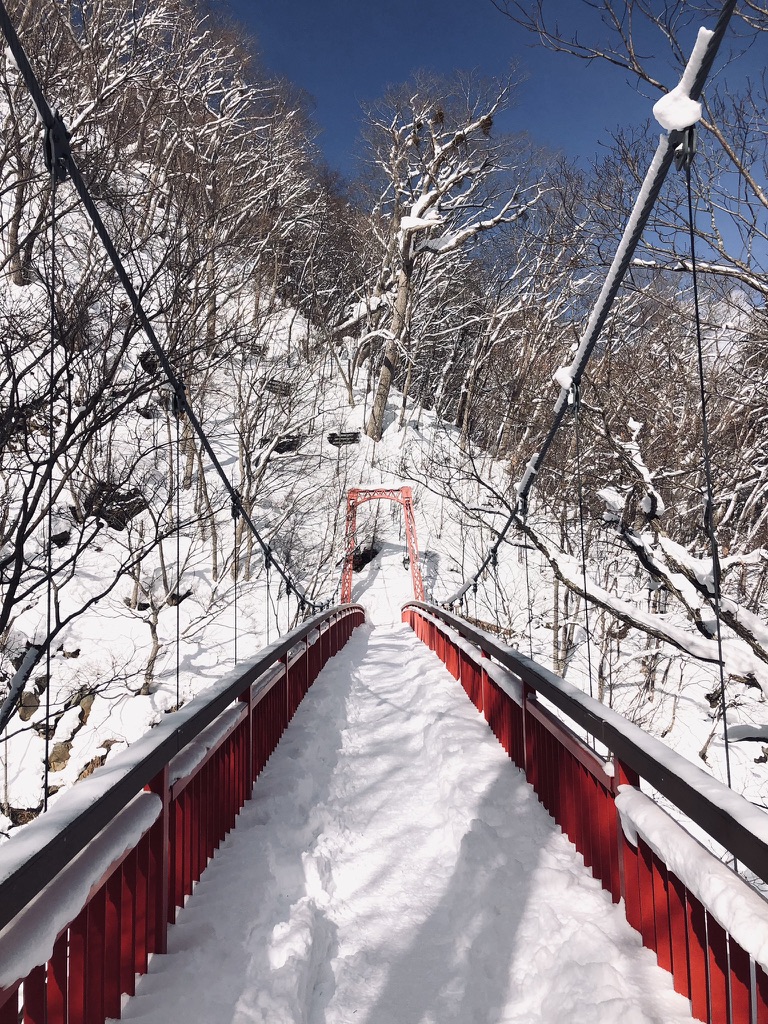
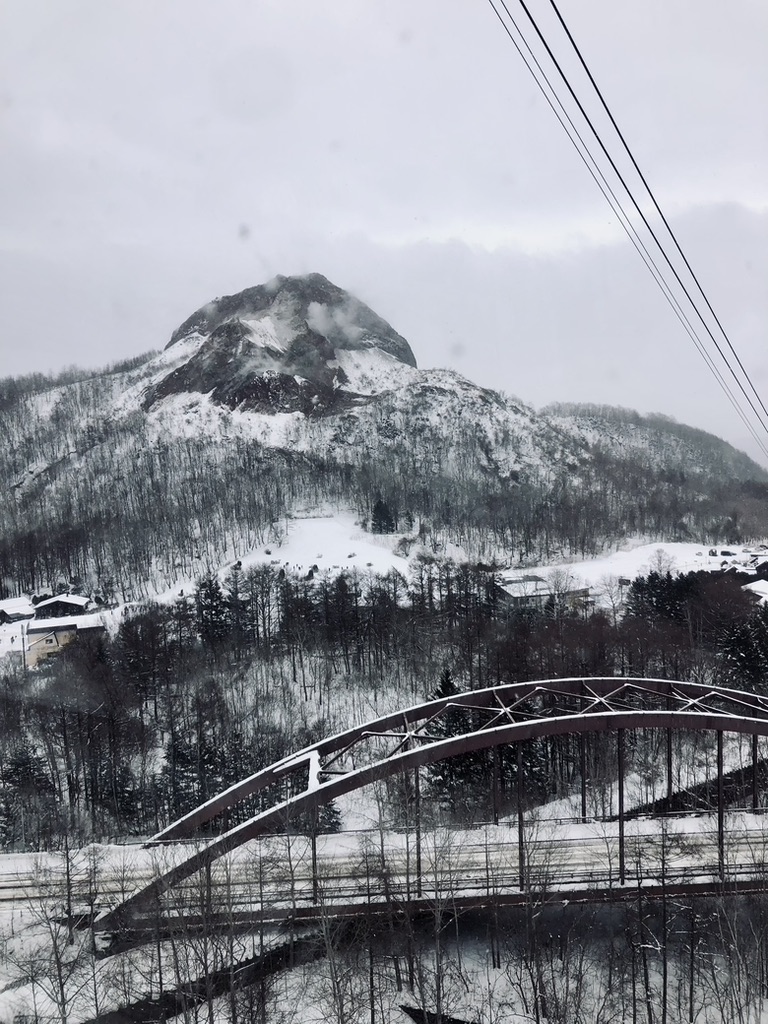
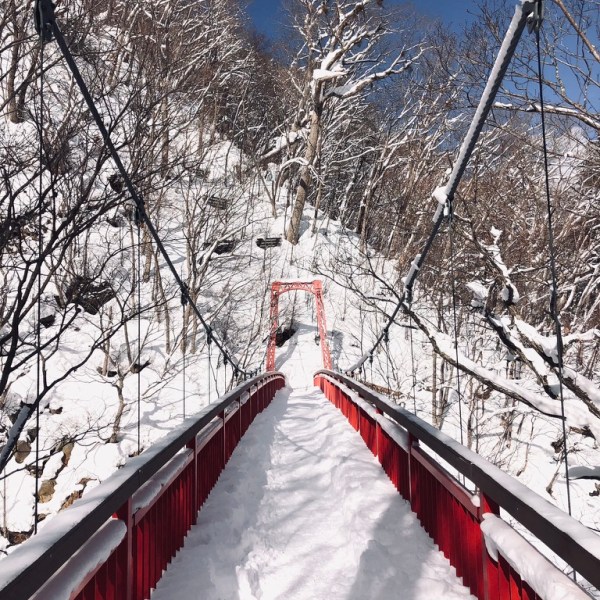
Today, I took a day trip to Jozankeionsennishi, a tranquil hot spring area just outside Sapporo. If you’re visiting during winter, this is the perfect place to warm up in one of the many onsen (hot springs) surrounded by snow-covered mountains. When I was exploring the area, I came across this picturesque red bridge covered in snow.
Day 28: Sapporo
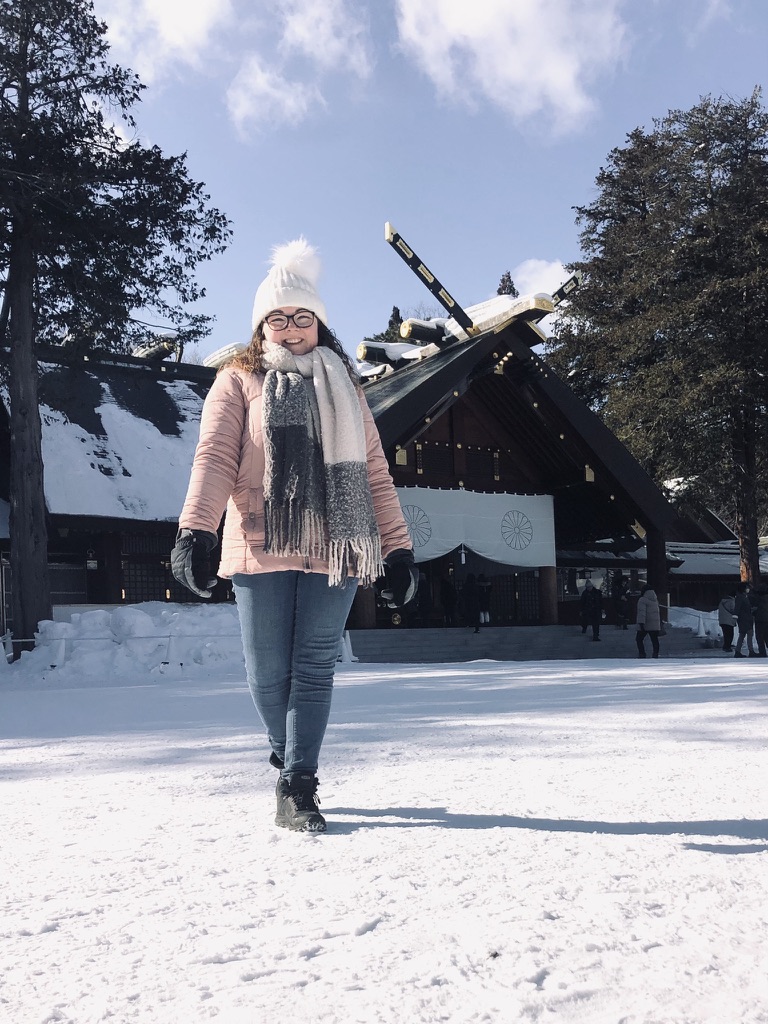
Hokkaido Jingu Shrine
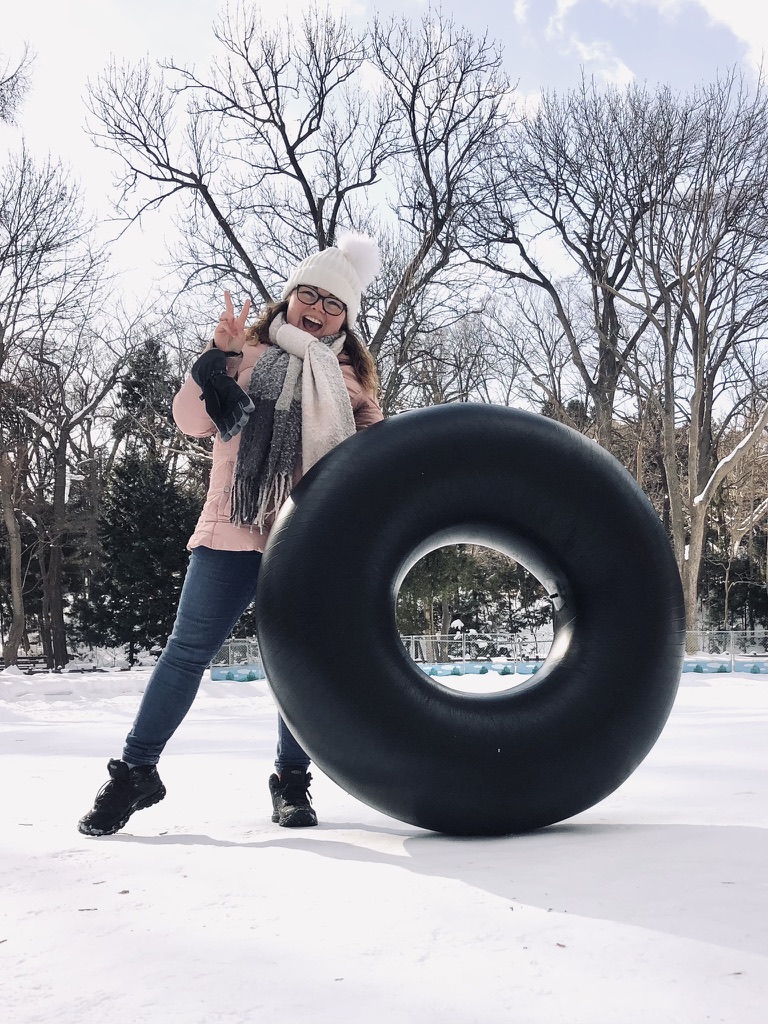
Today was a more relaxed day in Sapporo where I explored Maruyama Park and came across Hokkaido Jingu, a peaceful temple nestled within the park. There was even some snow tubes in the park available for visitors to use – as an Aussie who had never grown up in the snow this was such a novelty!
Maruyama Zoo
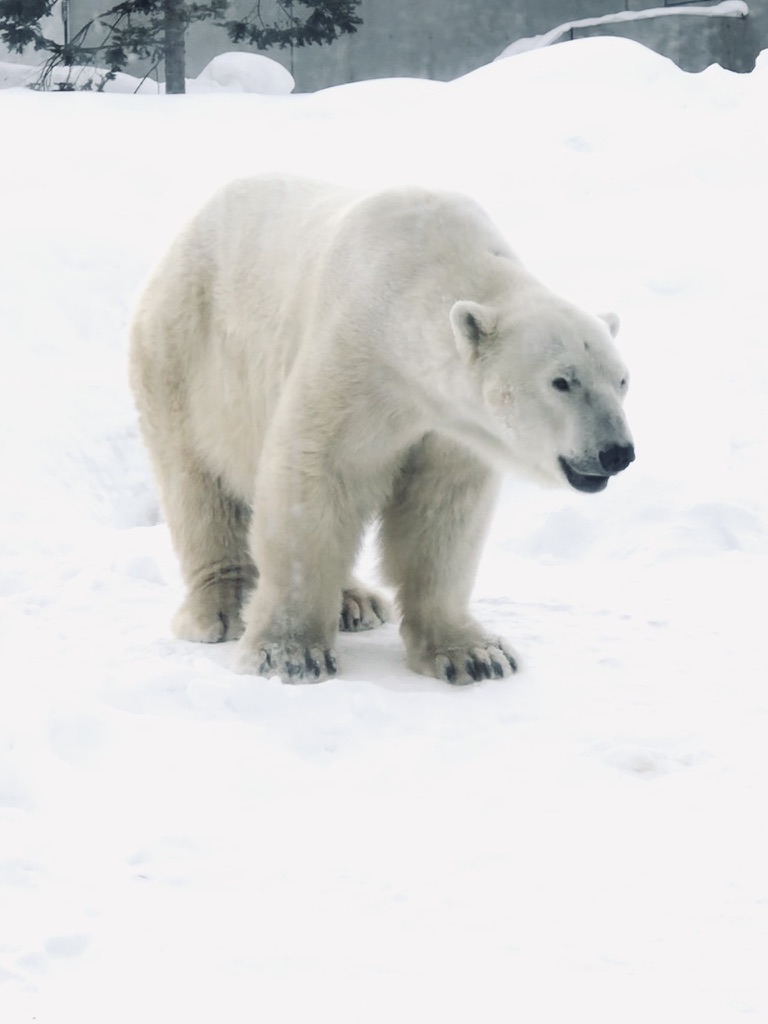
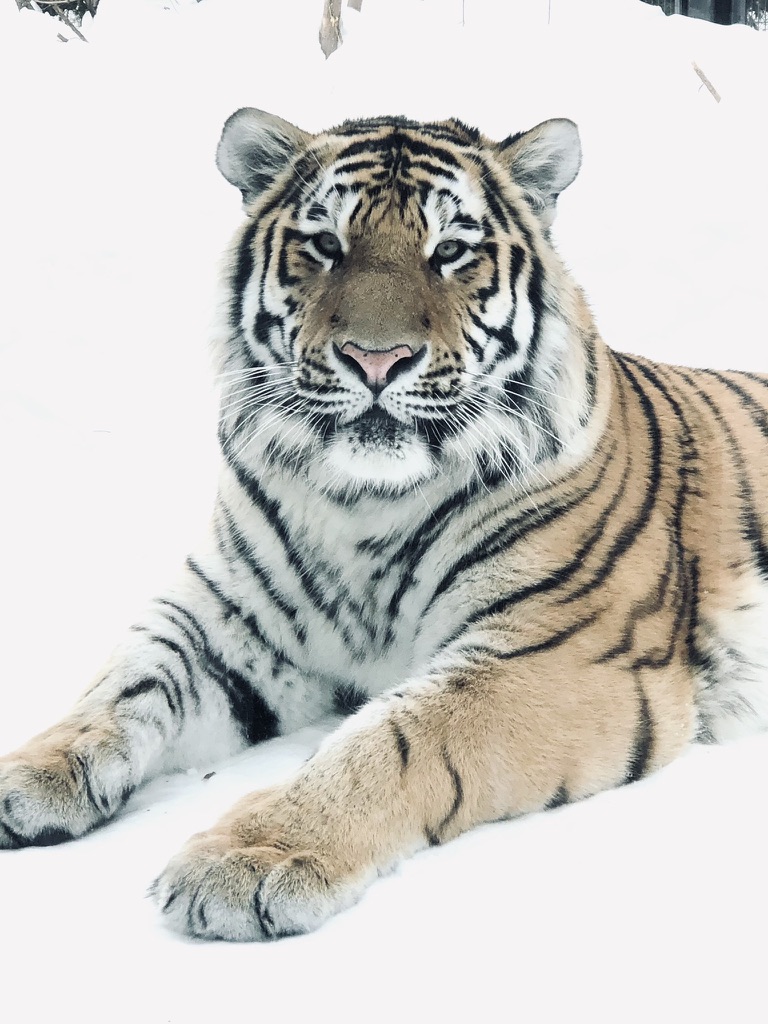
Close to the park, I walked to over to Maruyama Zoo, which is home to a variety of animals and provides a unique snowy setting during winter which was especially cool seeing the polar bears and the tigers!
Day 29: Sapporo
Ski day at Bankei Ski Resort
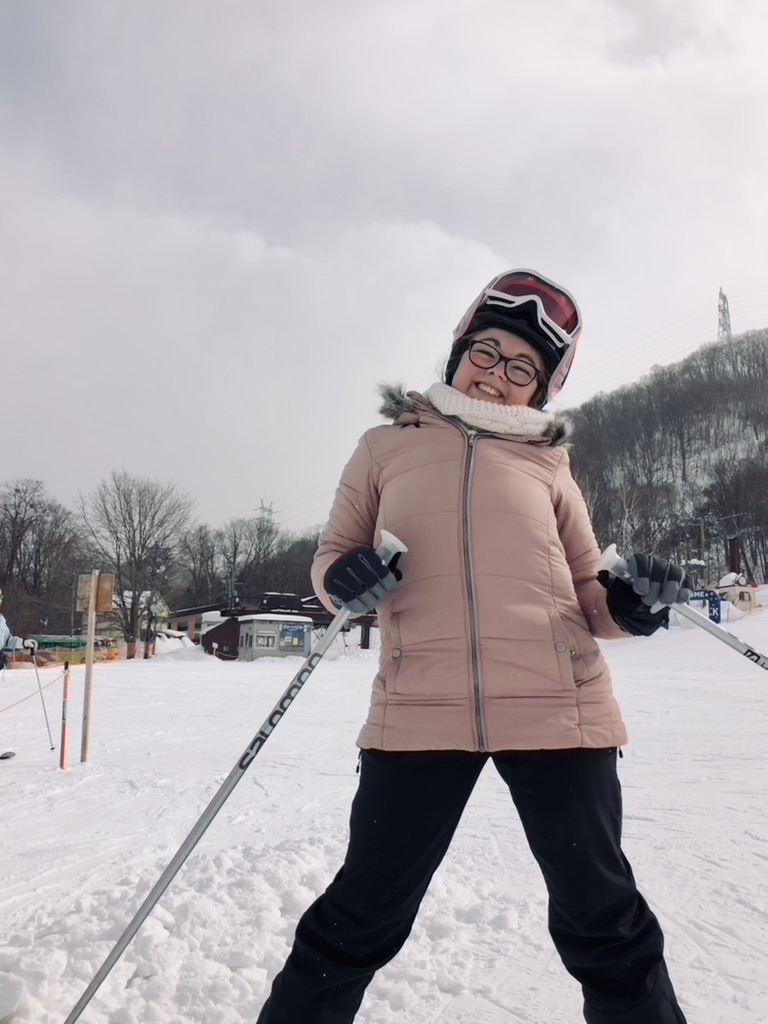
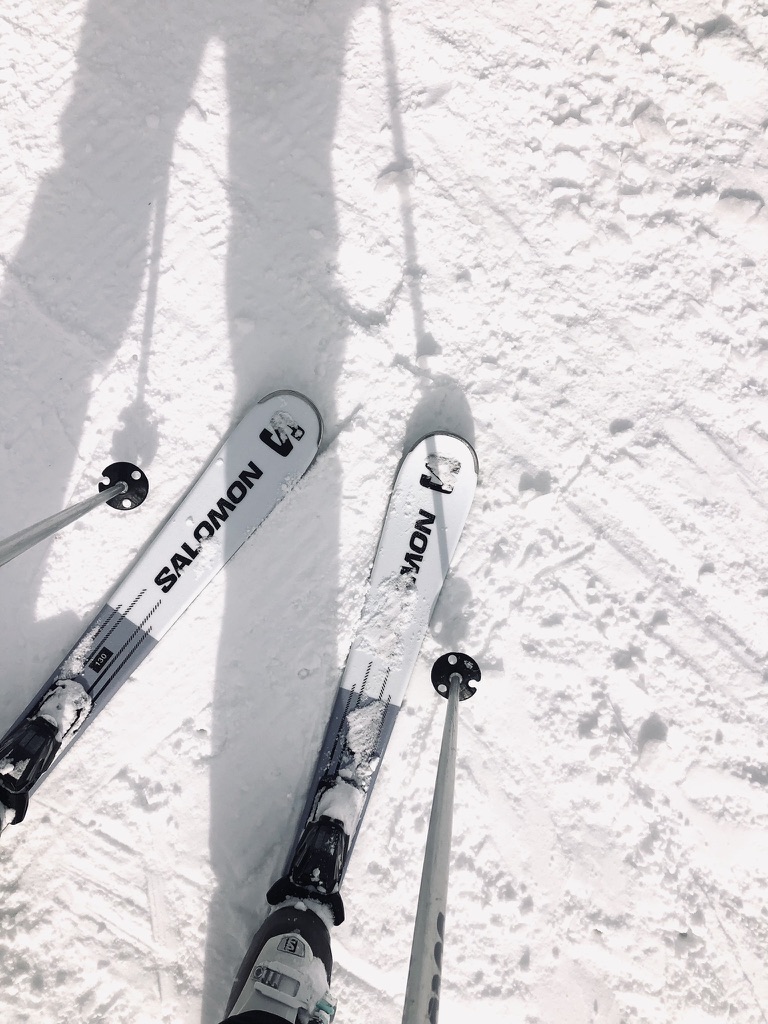
For those who love skiing, Bankei Ski Resort is a fantastic choice for a fun day on the slopes. Located just outside Sapporo, it offers both beginner and advanced ski runs, as well as a gorgeous view of the surrounding mountains. There was a longer beginner trail at this resort which was the first time I had ventured from the practice slope and I loved it! This ski field was so quiet, it felt like it was just me and some local skiiers – I would definitely recommend this spot if you’d like to hit the slopes without the crowds!
Day 30: Lake Toya, Showashinzan, Noboribetsu & Ice Festival
On my final day in Sapporo, I joined a tour to explore some of Hokkaido’s most famous natural attractions including stops at Lake Toya, Showashinzan, Noboribetsu Jigokudani Valley and the Shikotsukoonsen Ice Festival.
Lake Toya and Showashinzan
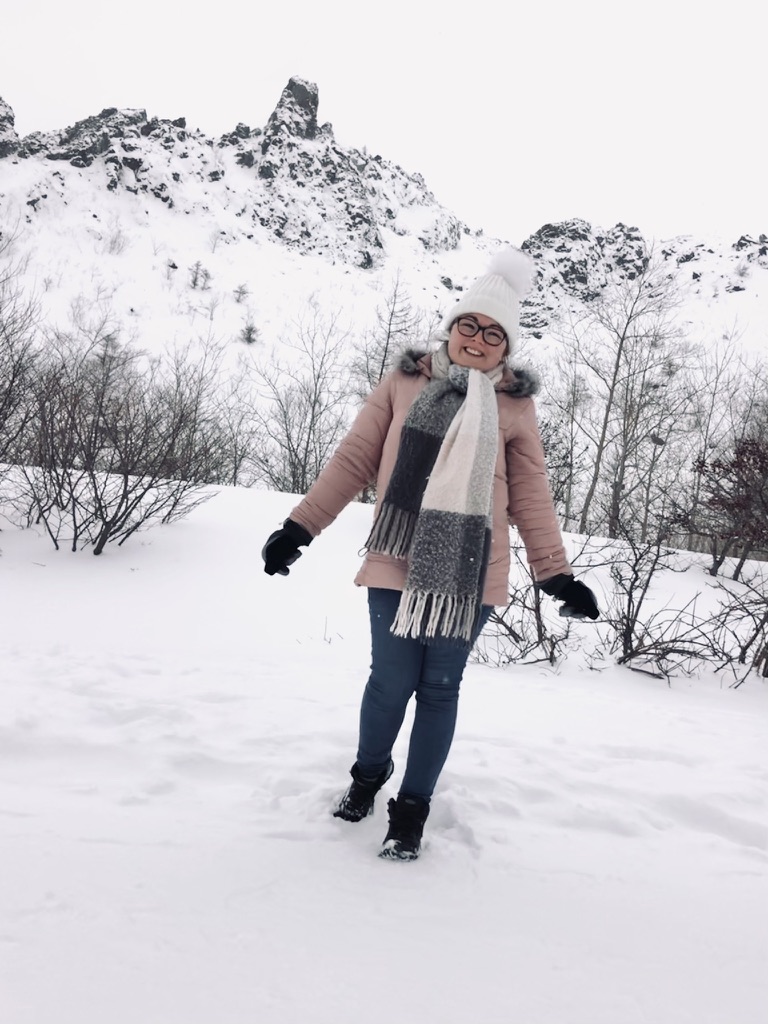
Lake Toya was a peaceful stop where we enjoyed some lunch followed by a visit to Showashinzan where we went up the Usuzan Ropeway for a winter wonderland in the mountains. It was FREEZING haha.
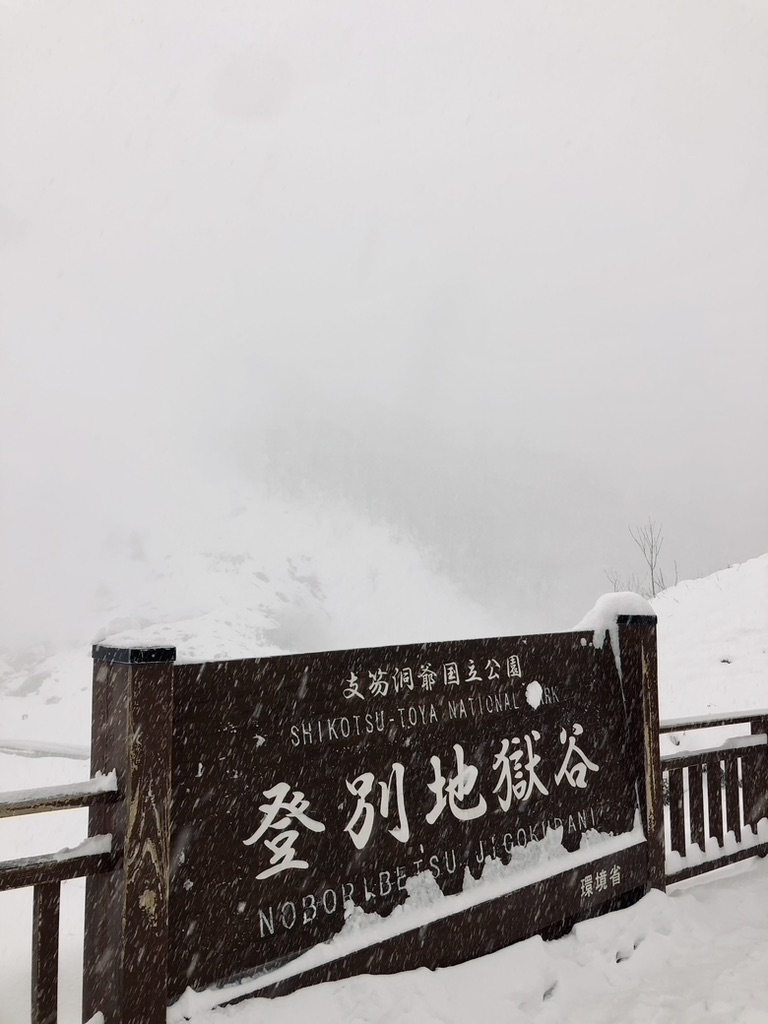
Noboribetsu Jigokudani Valley
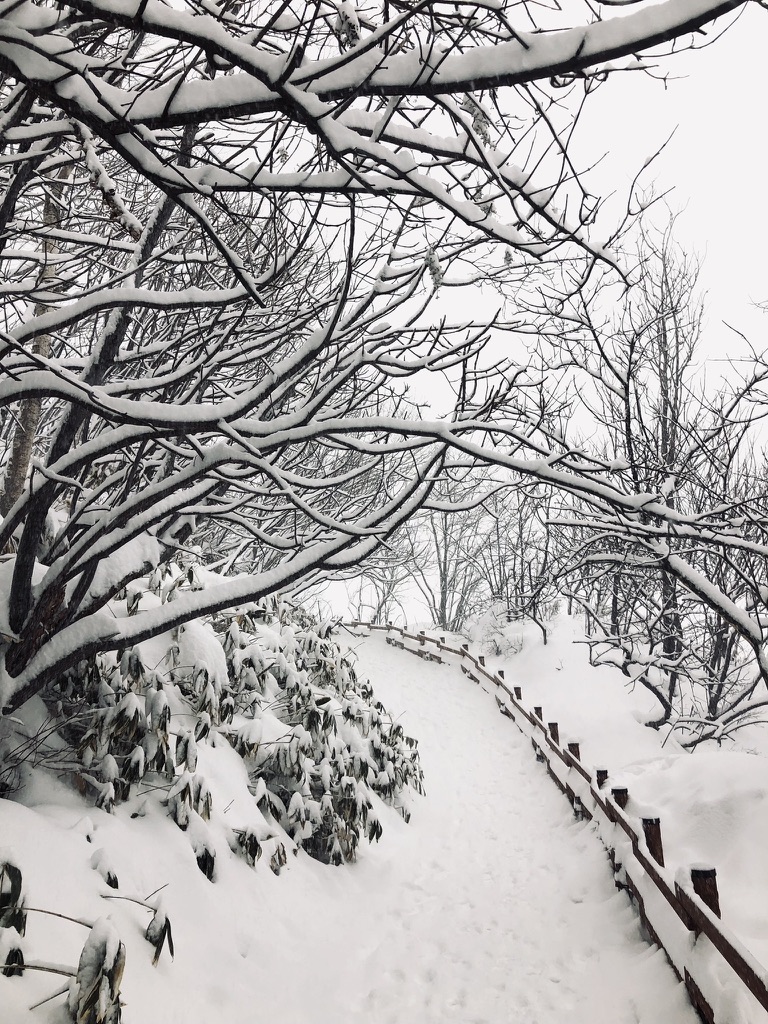
Our visit to Noboribetsu (the highlight of the tour) was right at the time a snow storm decided to hit so we couldn’t see any this area. From pictures I’ve seen, on a good day, this boiling sulfuric hot spring area is really cool. We couldn’t see anything, but we sure could smell the sulfur in the air haha!
Ice Festival
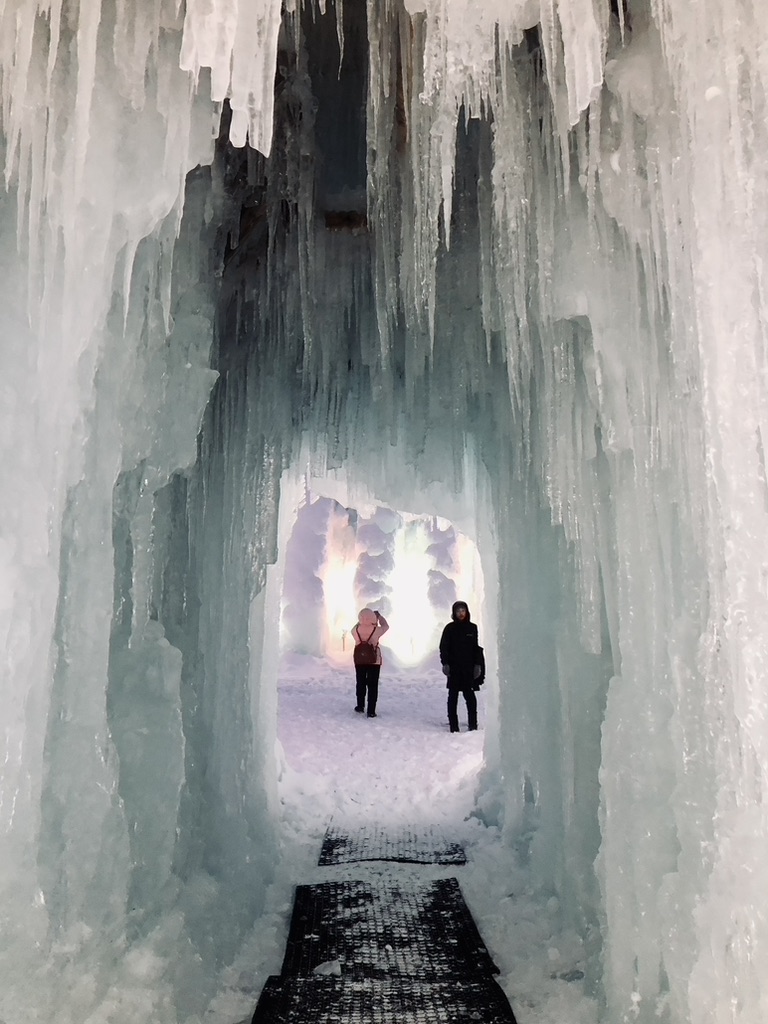
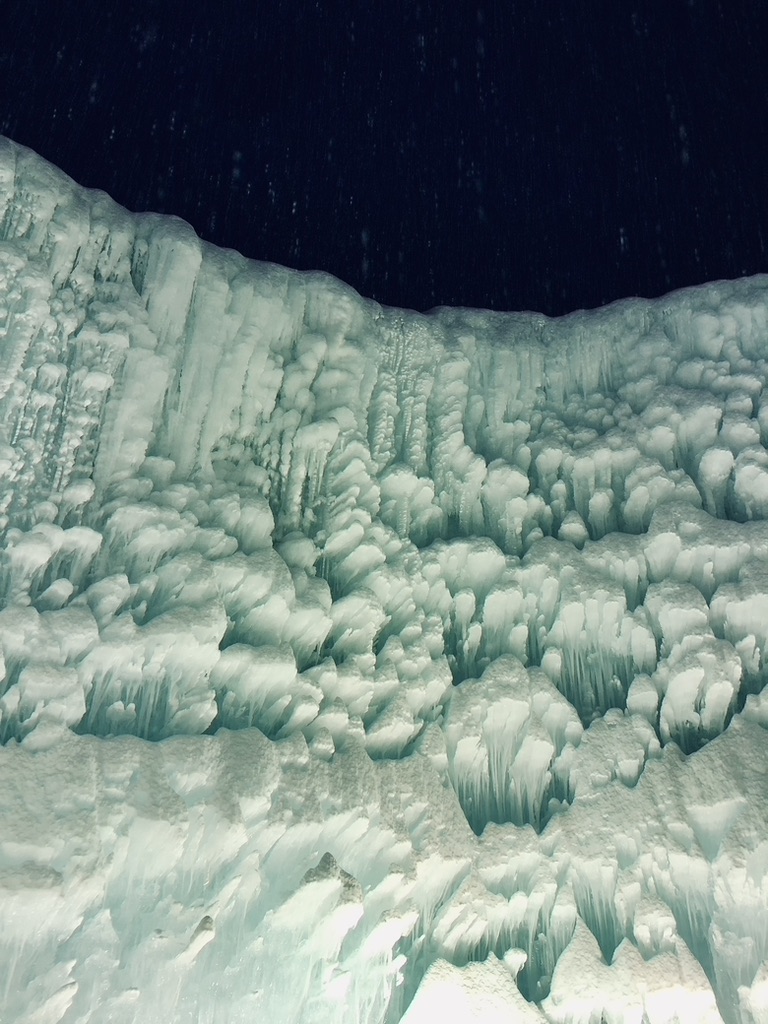
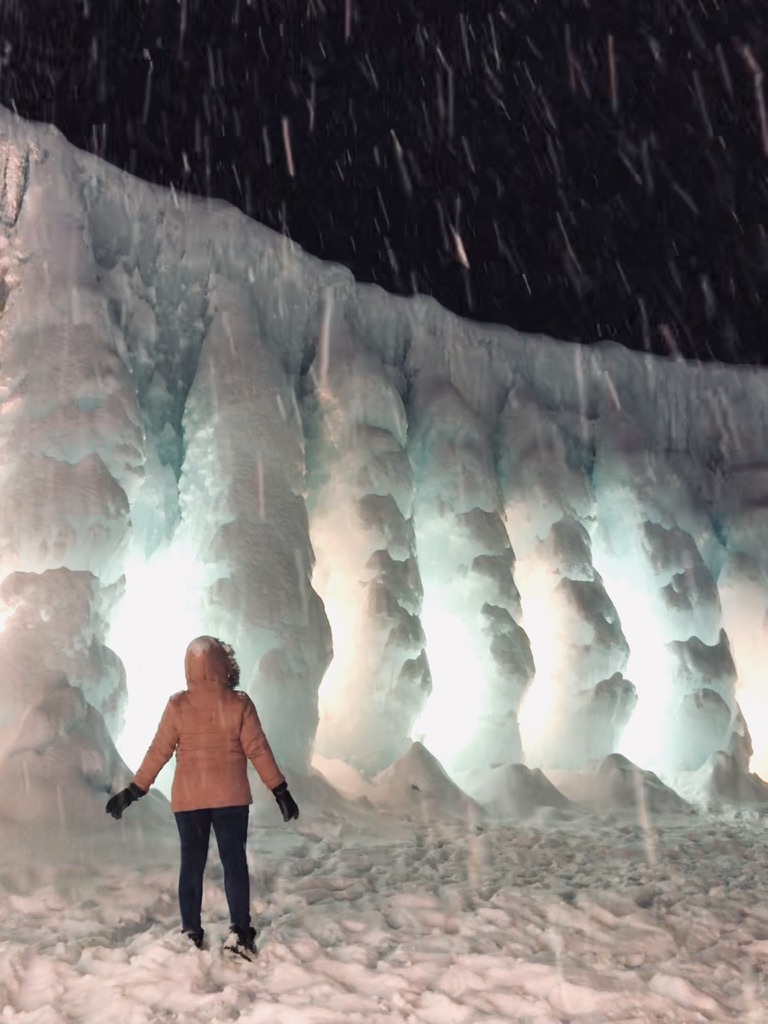
The last event of this epic 4-week trip brings us to the Lake Shikotsu Ice Festival. Elsa, the ice queen would be very at home in this place as the ice sculptures are incredible! At night they have the ‘illuminations’ where they light up the whole park and you can roam through all the ice creations. An unforgettable end to the most unforgettable trip.
Day 31: Fly Home
Sayonara, Japan!
And just like that, our epic 4-week winter Japan trip has come to an end. After an incredible month long journey exploring Japan’s rich history, stunning wintery landscapes, and vibrant cities, it’s time to say sayonara. Japan has such a special place in my heart and as my first big solo adventure, this trip was truly one I’ll remember forever.
Check out my ultimate guide on how to pack for a Japan Winter Trip here!
Disclaimer: This post contains affiliate links, which means I may earn a small commission if you purchase through these links – at no extra cost to you.
🪭 More Japan Posts
Check out these Japan blog posts:
Something went wrong. Please refresh the page and/or try again.


 Jess at Sea
Leave a comment